A Component in an Electronic Assembly: Essential Insights Uncovered
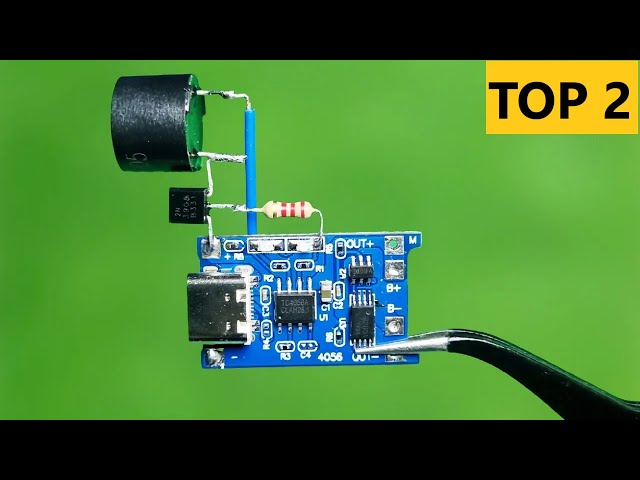
Have you ever wondered what makes your electronic devices work seamlessly? At the heart of every gadget lies a key element: a component in an electronic assembly.
Understanding these components can unlock the secrets behind your favorite tech and even inspire you to create your own. You’ll discover what these components are, how they function, and why they matter to your everyday electronics. Ready to dive in and see what powers your devices?
Let’s get started.
Role Of Components In Electronic Assemblies
Components form the heart of any electronic assembly. They work together to perform tasks and make devices function properly. Each component has a specific role that contributes to the overall operation of the system.
Electronic assemblies rely on many types of components. These parts control power, signal flow, and data processing. Without components, circuits would not work or communicate effectively.
Basic Functions of ComponentsComponents handle essential tasks such as:
- Regulating voltage and current
- Storing energy temporarily
- Processing electrical signals
- Switching circuits on or off
Each function is vital to keep the device stable and reliable.
Types of Components UsedCommon components in assemblies include:
- Resistors – control current flow
- Capacitors – store and release energy
- Diodes – allow current in one direction
- Transistors – amplify or switch signals
- Integrated Circuits – combine many functions
Choosing the right components ensures proper device performance.
How Components InteractComponents connect in circuits to share signals and power. Their interaction shapes the device’s behavior. Proper layout and connection prevent errors and improve efficiency.
Types Of Electronic Components
Electronic assemblies rely on various types of components. These components work together to perform specific functions. Understanding the types of electronic components helps in designing and troubleshooting circuits.
Passive Components
Passive components do not generate energy. They control the flow of electrical current without amplification. Common passive components include:
- Resistors – limit current and adjust signal levels
- Capacitors – store and release electrical energy
- Inductors – store energy in a magnetic field
- Transformers – transfer electrical energy between circuits
These components are essential for shaping signals and managing power.
Active Components
Active components can amplify or switch electrical signals. They require an external power source to operate. Key active components are:
- Transistors – amplify signals and switch currents
- Diodes – allow current to flow in one direction only
- Integrated Circuits (ICs) – perform complex functions in small packages
Active components form the core of modern electronics, enabling complex tasks.
Electromechanical Components
Electromechanical components combine electrical and mechanical functions. They often involve moving parts to control circuits. Common electromechanical components include:
- Relays – electrically operated switches
- Switches – manual or automatic circuit breakers
- Motors – convert electrical energy into mechanical motion
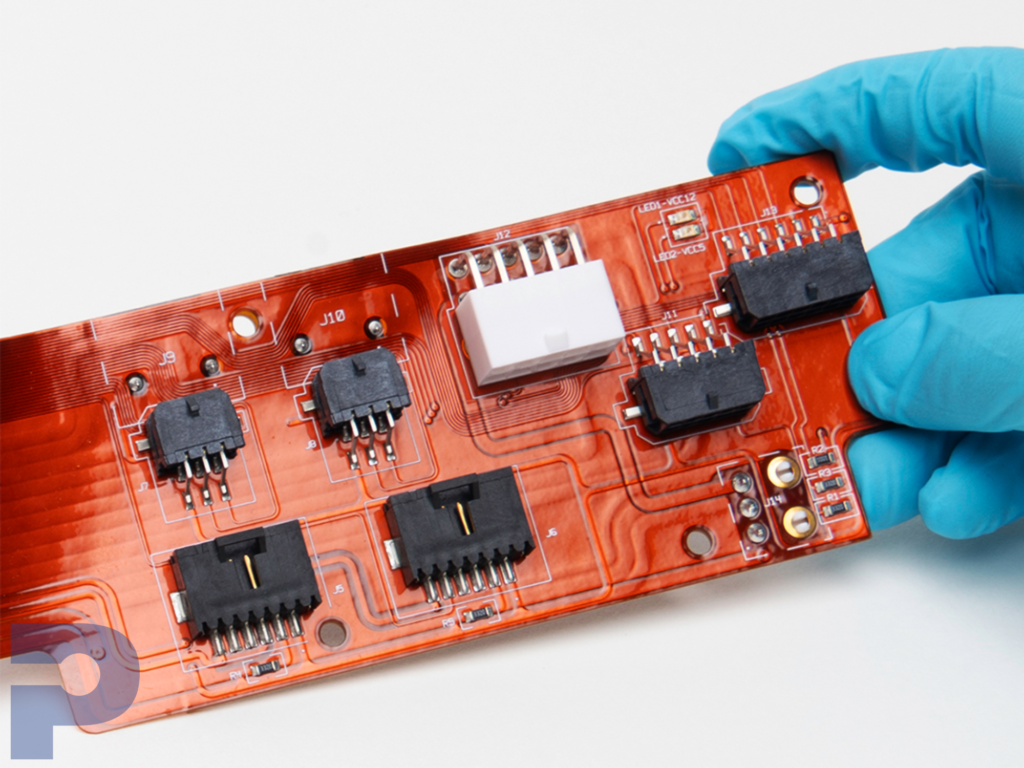
- Connectors – provide physical and electrical connections
These parts enable interaction between electronic circuits and the physical world.
Key Characteristics Of Components
Understanding the key characteristics of components helps in choosing the right parts for electronic assemblies. Each component has distinct features that affect its function and reliability. These features include electrical behavior, size and shape, and heat handling capabilities.
Electrical Properties
Electrical properties define how a component reacts to electrical signals. Important factors include resistance, capacitance, and inductance. These determine the flow of current and voltage in a circuit. Components also have voltage and current ratings that must not be exceeded. Proper selection avoids circuit failures and ensures stable operation.
Physical Attributes
Physical attributes cover the size, shape, and packaging of components. These affect how components fit on a circuit board. The form factor also influences assembly methods and space usage. Durability and material type affect a component’s lifespan and performance under stress.
Thermal Management
Thermal management is crucial to prevent overheating. Components generate heat during operation. Good thermal design ensures heat dissipates quickly to avoid damage. Heat sinks, thermal pads, and proper layout help manage temperature. Keeping components cool improves reliability and extends life.

Credit: www.anzer-usa.com
Importance Of Quality And Reliability
Quality and reliability are the backbone of any electronic assembly. A single faulty component can cause the entire system to fail. High-quality components ensure long-lasting performance and reduce maintenance costs. Reliable parts boost confidence in the final product and improve user satisfaction.
Testing And Standards
Electronic components undergo strict testing before use. Tests check for durability, electrical performance, and safety. Standards like IPC, JEDEC, and UL set clear rules for quality. Compliance with these standards ensures components meet global requirements. Testing helps detect defects early and prevents assembly failures.
Failure Modes
Components can fail in many ways. Common failure modes include overheating, short circuits, and mechanical damage. Wear and tear over time also cause failures. Understanding these modes helps in selecting better components. It also aids in designing assemblies that avoid common problems.
Impact On Assembly Performance
Low-quality components reduce assembly efficiency and cause frequent breakdowns. They increase repair costs and downtime. Reliable components ensure smooth operation and extend product life. They help maintain consistent performance under various conditions. Good parts lead to customer trust and brand reputation.
Component Sourcing And Supply Chain
Component sourcing and supply chain management play a crucial role in the success of any electronic assembly project. The right components need to be available at the right time, at the right cost, and with guaranteed quality. Managing this process efficiently can save you from costly delays and ensure your product meets its performance goals.
Supplier Selection
Choosing the right supplier goes beyond just price comparison. You need to assess their reliability, quality certifications, and delivery performance. Have you checked if your supplier has a history of consistent supply and quick response times during urgent requests?
Building strong relationships with multiple suppliers can give you leverage and alternatives. It’s wise to verify if they comply with industry standards like ISO 9001. Also, consider visiting suppliers or requesting samples to evaluate the component quality firsthand.
Inventory Management
Keeping the right inventory balance is key to avoiding production halts or excess stock. You might want to use a just-in-time (JIT) approach to reduce holding costs, but this requires tight coordination with suppliers.
Tracking component usage trends and lead times helps you forecast demand better. Have you thought about using inventory management software that alerts you when stock is running low? This can prevent surprises and maintain smooth assembly operations.
Mitigating Supply Chain Risks
Supply chains are vulnerable to disruptions like natural disasters, political issues, or supplier insolvency. Identifying these risks ahead can save your project from unexpected interruptions.
Consider diversifying your supplier base across different regions to reduce dependency on one source. Also, keeping critical components in safety stock can be a lifesaver. What contingency plans do you have if a key component suddenly becomes unavailable?
Technological Innovations In Components
Technological innovations in electronic components drive the evolution of electronic assemblies. These advances improve performance, reduce size, and enhance functionality. Manufacturers focus on creating smarter, smaller, and more sustainable components. These changes meet the growing demands of modern electronics.
Miniaturization Trends
Components are becoming smaller to fit compact devices. Tiny parts save space on circuit boards. This allows more features in limited areas. Miniaturization improves device portability and design flexibility. It also reduces material costs and energy use.
Integration And Multifunctionality
Components now combine multiple functions in one unit. Integrated circuits perform complex tasks in a single chip. Multifunctional parts reduce the number of separate components needed. This leads to simpler assembly and better reliability. Integration also speeds up device operation and lowers power consumption.
Sustainability And Eco-friendly Components
Eco-friendly materials reduce environmental impact. Manufacturers use recyclable and non-toxic substances. Energy-efficient components help lower overall power use. Designing for easy recycling supports a circular economy. Sustainable components meet new regulations and consumer expectations.
Future Trends In Electronic Components
The future of electronic components is shaping the way devices perform, connect, and evolve. Innovations are driving smaller, faster, and more efficient parts that power everything from smartphones to smart cities. Understanding these trends helps you stay ahead, whether you’re designing or simply curious about the tech that surrounds you.
Advancements In Material Science
Material science is pushing the limits of what electronic components can do. New materials like graphene and flexible polymers are making components lighter and more durable. Imagine wearable devices that bend with your movements or circuits that withstand extreme temperatures without losing performance.
These breakthroughs reduce energy loss and heat generation, improving device longevity. Have you noticed how your gadgets last longer and charge faster? That’s partly thanks to these material improvements.
Ai And Machine Learning Integration
AI and machine learning aren’t just software trends—they’re changing hardware design too. Components now include built-in intelligence to optimize performance on the fly. For example, processors can manage power usage dynamically, extending battery life in your laptop or phone.
This integration means components can adapt to different tasks without external control. How often do you think your device is making real-time decisions to improve your experience?
Impact Of Iot And 5g Technologies
The rise of IoT and 5G is demanding smarter and faster electronic components. Sensors and chips now handle massive data flows instantly, enabling real-time communication between devices. This is critical for applications like autonomous vehicles and smart grids.
5G’s low latency pushes components to work seamlessly together, even in crowded networks. Have you considered how your home appliances might soon communicate effortlessly to save energy or improve security?
Credit: picamfg.com

Credit: www.electronicsandyou.com
Frequently Asked Questions
What Is A Component In An Electronic Assembly?
A component is a basic part used in electronic assemblies. It can be resistors, capacitors, or ICs. Components connect to form circuits that perform specific functions.
Why Are Components Crucial In Electronic Assemblies?
Components determine the circuit’s functionality and performance. Without them, electronic devices cannot operate. They ensure signal processing, power management, and connectivity.
How Are Electronic Components Classified?
Components are classified as active or passive. Active components, like transistors, control current flow. Passive components, like resistors, store or dissipate energy.
What Materials Are Used In Electronic Components?
Common materials include silicon, copper, and ceramic. Silicon is used for semiconductors. Copper provides electrical conductivity. Ceramics offer insulation and stability.
Conclusion
Every electronic assembly depends on its components to work well. Each part plays a small but important role. Knowing these parts helps you understand how devices function. Careful selection and placement improve the overall performance. Simple components together create complex and useful technology.
Keep learning about these pieces to build your knowledge. It makes repairing or designing electronics easier and more fun. Components truly are the heart of electronic assemblies.