What Components are Needed to Charge Electronics from Solar Panels: Essential Guide
Are you ready to power your devices using the sun? Charging your electronics with solar panels is a smart and eco-friendly choice.
But what exactly do you need to make it work smoothly? Understanding the key components can save you time, money, and frustration. You’ll discover the essential parts that turn sunlight into reliable energy for your gadgets. Keep reading to unlock the secrets of solar charging and take control of your power needs like never before.
Solar Panels
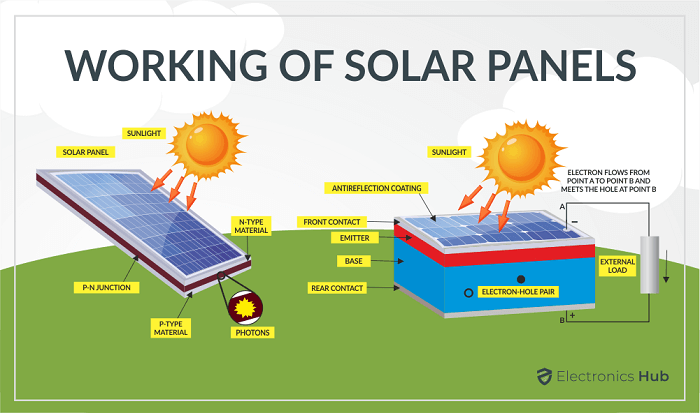
Solar panels are the heart of any system designed to charge your electronics using the sun’s energy. They convert sunlight into electrical power, giving you a clean and renewable source of energy. Choosing the right solar panel can make a huge difference in how efficiently your devices get charged.
Types Of Solar Panels
There are mainly three types of solar panels you might consider:
- Monocrystalline:Made from a single crystal structure, these panels are efficient and take up less space. They often perform better in low-light conditions but tend to be more expensive.
- Polycrystalline:These are made from multiple silicon crystals and are usually less costly. They have a slightly lower efficiency compared to monocrystalline panels.
- Thin-Film:Flexible and lightweight, thin-film panels can be placed on uneven surfaces. However, they generally offer lower efficiency and degrade faster over time.
Think about where you’ll use your solar panel. Will it be on a backpack, a rooftop, or somewhere stationary? Your choice will affect the type you pick.
Efficiency And Wattage
Efficiency tells you how well a solar panel converts sunlight into usable electricity. Higher efficiency means more power from less space.
Wattage indicates the panel’s power output under ideal conditions. If you want to charge your phone or laptop quickly, look for panels with higher wattage ratings.
Keep in mind, a 100-watt panel in full sun can produce about 100 watts of power, but if your location is cloudy or shaded, the output drops significantly. Have you checked your local sunlight availability before picking a panel?
Charge Controllers
Charge controllers play a vital role in solar power systems. They regulate the energy flow from solar panels to batteries. This protects batteries from overcharging and damage. Without a charge controller, batteries can wear out quickly or even become unsafe. They help maintain battery health and extend battery life. Proper regulation ensures efficient and safe charging of your electronic devices.
Purpose Of Charge Controllers
Charge controllers manage the voltage and current coming from solar panels. They keep the battery voltage within safe limits. This prevents overcharging, which can cause battery swelling or failure. They also stop batteries from discharging back into the panels at night. By controlling the charge, they improve battery performance and lifespan. Some controllers also include features like temperature compensation and load control.
Types Of Charge Controllers
There are two main types of charge controllers:
- Pulse Width Modulation (PWM):A simple and cost-effective controller. It reduces voltage gradually to keep batteries safe. Best for small to medium solar setups.
- Maximum Power Point Tracking (MPPT):A more advanced controller that maximizes energy harvest. It adjusts the input to get the most power from panels. Ideal for larger or high-voltage systems.
Choosing the right type depends on your solar system size and budget. Both types provide essential battery protection.
Batteries
Batteries are essential for storing the energy your solar panels generate. Without batteries, you can only use electricity when the sun is shining. They ensure you have power at night or on cloudy days, making your solar setup reliable and efficient.
Choosing The Right Battery
Picking the right battery depends on your energy needs and budget. Lead-acid batteries are affordable but heavier and require more maintenance. Lithium-ion batteries cost more upfront but last longer and need less care.
Consider the battery’s capacity, measured in amp-hours (Ah), to match your daily energy use. Also, check the depth of discharge (DoD) rating—it tells you how much energy you can safely use without damaging the battery.
Ask yourself: How much energy do I use daily? How long do I want my battery to last? Your answers will guide you to the best choice.
Battery Maintenance
Keeping your batteries in good shape prolongs their life and keeps your system running smoothly. Regularly check the battery terminals for corrosion and clean them if needed.
Maintain the proper water level in lead-acid batteries by adding distilled water. Avoid overcharging or deep discharging batteries, as both reduce their lifespan.
Simple habits like monitoring voltage and temperature can prevent costly failures. Have you checked your battery’s health lately?
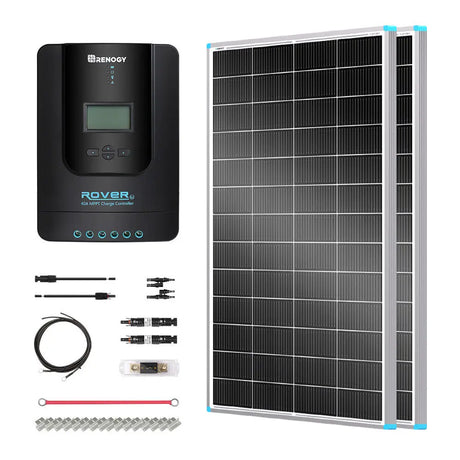
Credit: www.renogy.com
Inverters
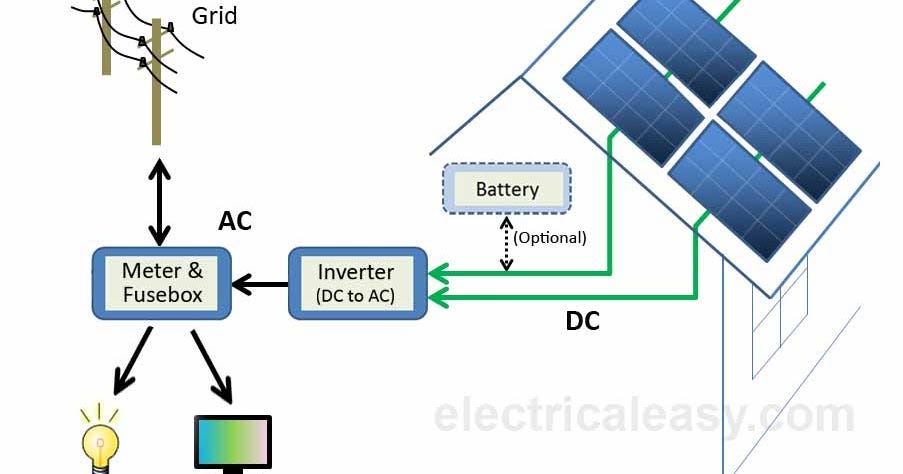
In the process of charging your electronics from solar panels, inverters play a crucial role. They convert the electricity generated by solar panels into a form your devices can use. Without an inverter, the direct current (DC) produced by solar panels cannot power most household electronics that require alternating current (AC).
Function Of Inverters
Inverters change the DC electricity from solar panels into AC electricity. This conversion is essential because most electronics, like laptops, smartphones, and TVs, run on AC power.
Besides conversion, inverters also regulate voltage and protect your devices from power surges. They ensure a stable and reliable energy flow, which is vital for sensitive electronics.
Types Of Inverters
Choosing the right inverter depends on your specific needs and setup. Here are the main types:
- String Inverters:These are common in residential solar systems. They connect multiple solar panels in a series and convert their combined DC output into AC.
- Microinverters:Installed on each solar panel individually, they optimize power conversion per panel. This helps if panels face different directions or shading.
- Hybrid Inverters:These handle solar power conversion and manage battery storage. Perfect if you want to store excess energy for later use.
Have you considered how your choice of inverter might affect your system’s efficiency and your electronics’ safety? Picking the right inverter can save you from unexpected power issues and maximize your solar investment.
Wiring And Connectors
Wiring and connectors form the backbone of any solar panel charging system. Without proper wiring, energy transfer suffers, leading to poor performance and safety hazards. Connectors link various components, ensuring stable and secure connections. Both must be chosen carefully to guarantee efficient power flow and durability over time.
Importance Of Quality Wiring
High-quality wiring ensures minimal energy loss during transmission. Using thick, well-insulated wires reduces the risk of overheating and short circuits. Good wiring resists weather damage and corrosion, extending the system’s lifespan. It also supports the current load from solar panels without voltage drops. Choosing the right gauge and material is crucial for safe and efficient charging.
Connector Types
Connectors join wires and components in solar setups. Different types fit various needs and devices. Common connectors include:
- MC4 Connectors:Standard for solar panels, weatherproof and secure.
- Anderson Powerpole:Easy to connect and disconnect, good for portable systems.
- Ring and Spade Terminals:Used for fixed connections to batteries or charge controllers.
Choosing connectors that fit tightly and resist moisture keeps the system reliable. Poor connections can cause power loss or sparks. Proper connectors save time and effort during installation and maintenance.
Mounting Systems
Mounting systems play a vital role in setting up your solar panels effectively. They secure the panels in place and impact how much sunlight your panels capture throughout the day. Choosing the right mounting system can improve your solar charging efficiency and protect your investment.
Fixed Vs. Adjustable Mounts
Fixed mounts hold solar panels at a constant angle. They are simple, sturdy, and usually less expensive. However, they don’t allow you to change the panel’s angle to follow the sun.
Adjustable mounts let you tilt and sometimes rotate panels. This flexibility helps maximize sunlight exposure during different seasons. Although adjustable mounts cost more and require occasional adjustments, the boost in energy capture can be worth it.
Think about your location and how much time you want to spend adjusting panels. If you want a set-it-and-forget-it system, fixed mounts could work well. If you want to squeeze out every bit of solar power, adjustable mounts might be your best bet.
Installation Considerations
Before installing, check the mounting surface’s strength and angle. Roof types like shingle, tile, or metal need different mounting hardware. Make sure the mounts are compatible with your roof to avoid leaks or damage.
Wind and weather conditions also affect your choice. In windy areas, robust mounts that can withstand strong gusts are crucial. Secure mounts properly to avoid panel shifting or damage over time.
Don’t forget about ease of access. You’ll need to clean and maintain your panels, so plan mounts that allow safe and simple access. How easy is it for you to reach your panels for inspection or cleaning?
Monitoring Systems
Monitoring systems are essential for managing solar panel setups. They track energy production and usage in real time. These systems help users understand how well their solar panels perform. They also detect issues early to prevent downtime and damage.
With a good monitoring system, you can optimize energy consumption. It provides data that guides better decisions. This leads to savings on electricity bills and extends the lifespan of your equipment.
Benefits Of Monitoring
- Tracks energy production accurately
- Detects faults or drops in performance quickly
- Improves energy efficiency by showing usage patterns
- Helps plan maintenance and repairs
- Provides real-time data accessible from smartphones or computers
- Ensures the solar system operates safely
Popular Monitoring Devices
- Solar Charge Controllers with Displays:Show basic info like voltage and current.
- Wi-Fi Enabled Monitors:Send live data to apps or web portals.
- Data Loggers:Record detailed system performance over time.
- Inverter Monitoring Systems:Integrated with solar inverters for easy tracking.
- Battery Monitors:Track battery charge levels and health.
Credit: medium.com
Safety Measures
Ensuring safety when charging your electronics from solar panels is essential. Without proper precautions, you risk damage to your devices, injury, or even fire hazards. Taking the right safety measures protects both your equipment and your home.
Electrical Safety Guidelines
Always use a charge controller between your solar panel and batteries or devices. This device prevents overcharging and regulates voltage to safe levels.
Check that all wiring matches the voltage and current specifications of your solar setup. Using wires that are too thin can cause overheating and short circuits.
Make sure connections are secure and insulated. Loose or exposed wires increase the risk of electrical shocks and equipment damage.
Do you test your system regularly? Routine checks can catch issues before they become dangerous.
Fire Prevention Tips
Install your solar panels and batteries in well-ventilated areas. Overheating is a common cause of fires in solar setups.
Keep flammable materials away from your solar system components. Even a small spark can ignite nearby clutter.
Use fuses or circuit breakers rated for your system. These protect your setup by cutting power if something goes wrong.
Consider using fire-resistant enclosures for batteries and controllers. It’s a small step that can prevent a disaster.
Cost Considerations
Cost considerations play a crucial role in setting up a solar panel system to charge electronics. Understanding the expenses involved helps avoid surprises. It also aids in planning a system that fits your financial means while meeting your power needs.
Many components affect the total cost. These include solar panels, batteries, charge controllers, inverters, and wiring. Each part has different price ranges depending on quality and capacity.
Budgeting For Components
Create a clear budget before buying any parts. Prioritize essential components first, such as solar panels and charge controllers. Batteries and inverters come next, based on your energy storage and usage needs.
Look for products with good reviews and warranties. Cheaper options may save money initially but could cost more later due to replacements or inefficiency. Balance price with quality for best results.
- Solar panels: cost varies by wattage and brand
- Charge controllers: basic models are affordable, advanced types cost more
- Batteries: deep-cycle batteries last longer but can be pricey
- Inverters: pure sine wave inverters offer better performance at higher prices
- Wiring and mounts: usually low cost but essential for safety and function
Long-term Savings
Initial investment may seem high but consider future savings. Solar energy reduces or eliminates electricity bills. This saves money over time.
Quality components last longer and need less maintenance. This lowers replacement costs. Efficient systems charge devices faster and better, saving energy.
Think about the environmental benefit too. Using solar power cuts fossil fuel use. This supports a cleaner planet.
Environmental Impact
Charging your electronics with solar panels does more than just power your gadgets—it also impacts the environment in meaningful ways. Understanding these effects helps you make choices that benefit both your devices and the planet. Let’s look at how the components you use can influence this impact.
Sustainability Benefits
Solar panels rely on sunlight, a renewable energy source that won’t run out like fossil fuels. Using solar to charge your electronics cuts down on the demand for electricity generated by burning coal or gas.
Think about the materials in your solar setup. Panels made with less toxic substances and components designed to last longer reduce waste and pollution. When you choose quality parts, you help lower the environmental cost of production and disposal.
Have you ever considered how your charging habits affect sustainability? Using solar power encourages you to be mindful of energy use, often leading to more efficient habits overall.
Reducing Carbon Footprint
Every time you plug into a solar charger, you avoid carbon emissions tied to traditional electricity. This small action adds up, especially if you regularly power devices like phones, laptops, or cameras.
Incorporating batteries and charge controllers that maximize energy efficiency means you get more power with less waste. Efficient components reduce the need for frequent replacements, further cutting down your carbon footprint.
Ask yourself: How much carbon could you save by switching to solar charging for your daily electronics? Even small changes can make a big difference over time.
Credit: medium.com
Frequently Asked Questions
What Essential Parts Are Needed For Solar Charging?
You need solar panels, a charge controller, a battery, and an inverter. Solar panels capture sunlight. The controller regulates power. The battery stores energy. The inverter converts DC to AC for devices.
How Does A Charge Controller Protect Devices?
A charge controller prevents battery overcharging and power surges. It ensures stable voltage and current. This protection extends battery life and safeguards your electronics from damage during solar charging.
Why Is A Battery Important In Solar Charging?
A battery stores excess solar energy for use when sunlight is low. It provides continuous power to your devices, ensuring reliable charging even during cloudy days or nighttime.
What Role Does An Inverter Play In Solar Charging?
An inverter converts the battery’s DC power into AC power. Most electronics require AC power to function. Without an inverter, many devices cannot be charged directly from solar energy.
Conclusion
Solar panels need key parts to charge electronics well. A good panel captures sunlight. A charge controller keeps power steady and safe. Batteries store energy for use anytime. An inverter changes power to fit devices. Wires and connectors link everything together.
Each piece plays a clear role. Understanding these parts helps you set up solar charging easily. Keep these components in mind for smooth, reliable power from the sun. Simple steps lead to smart solar charging solutions.