What Electronic Components Have the Most Gold: Top Valuable Parts
Have you ever wondered which electronic parts contain the most gold? If you’re curious about where that precious metal hides inside your gadgets, you’re in the right place.
Knowing this can save you money, help you recycle smarter, and even spark a new hobby or side hustle. Keep reading, and you’ll discover which components are packed with gold and why they matter to you. This simple knowledge could change how you see your old electronics forever.

Credit: cen.acs.org
Gold In Electronics
Gold plays a vital role in the world of electronics. It is a highly reliable conductor and does not corrode easily. These qualities make gold perfect for various electronic parts. Even tiny amounts of gold can improve device performance and longevity.
Electronic devices use gold in many components. The metal ensures stable connections and efficient signal transmission. Its resistance to tarnish helps maintain device quality over time. The use of gold also reduces the risk of device failure due to corrosion.
Gold Plating On Connectors And Pins
Gold is commonly used as a thin plating on connectors and pins. This plating improves electrical contact and reduces resistance. It also prevents corrosion caused by moisture and air. Devices like smartphones, computers, and gaming consoles rely on gold-plated connectors for better performance.
Gold In Circuit Boards
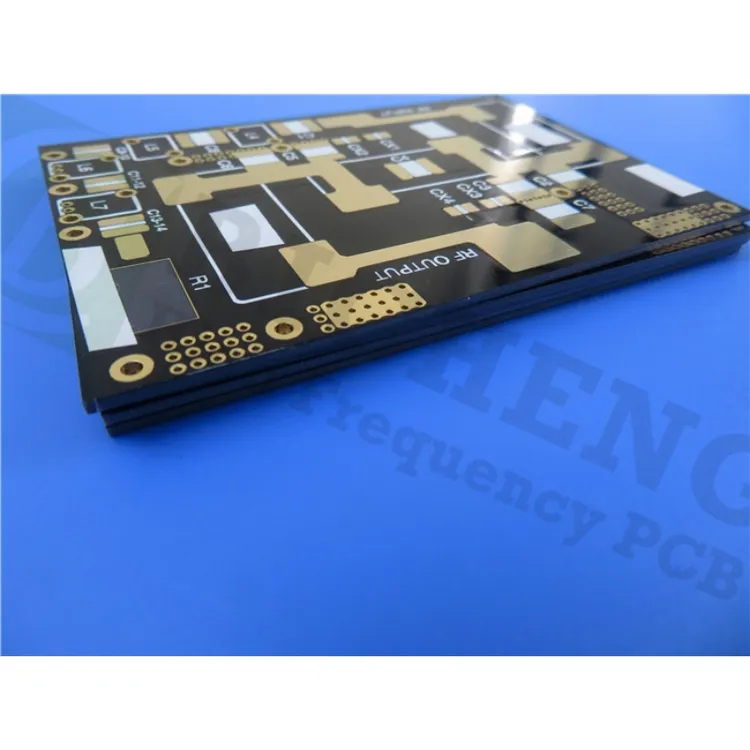
Printed circuit boards (PCBs) often have gold layers. These layers coat the edge connectors and contacts. Gold ensures quick and reliable signal flow between components. It helps maintain the board’s integrity in harsh environments. High-end electronics especially use gold in their PCBs.
Gold In Microchips And Processors
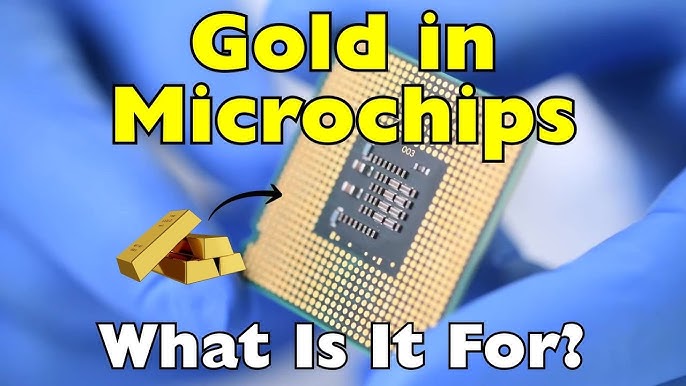
Microchips and processors contain tiny wires made of gold. These wires connect different parts of the chip. Gold wires provide excellent electrical conductivity and stability. Their use helps chips run faster and last longer. This makes gold essential in high-performance electronics.
Gold In Memory Devices
Memory devices like RAM and flash drives use gold contacts. These contacts ensure smooth data transfer and prevent errors. Gold’s durability increases the device’s lifespan. Reliable memory devices depend on gold for consistent operation.
Circuit Boards
Circuit boards are a goldmine in the world of electronic components. They hold small but valuable amounts of gold used primarily for excellent conductivity and corrosion resistance. Understanding which circuit boards contain the most gold can help you decide where to focus your efforts if you’re looking to recycle or recover precious metals.
Motherboards
Motherboards are one of the richest sources of gold in electronics. They contain gold-plated connectors, pins, and circuit pathways that ensure reliable communication between the CPU, memory, and other hardware.
On average, a typical desktop motherboard contains about 0.5 to 1 gram of gold. This might seem small, but when you collect multiple motherboards, the amount adds up quickly. If you’ve ever taken apart an old computer, you might have noticed the shiny gold pins and traces—these are the valuable spots.
Think about your last computer upgrade—did you keep the old motherboard? Even discarded boards have hidden value, waiting to be extracted.
Graphics Cards
Graphics cards also carry a decent amount of gold, especially on the connectors and the tiny pins inside the card. They are designed for high-speed data transfer, and gold is perfect for preventing signal loss.
Compared to motherboards, graphics cards typically have slightly less gold, roughly around 0.3 to 0.7 grams per card. However, some high-end models have more gold due to their complex circuitry.
If you’ve ever upgraded your PC’s graphics, saving the old card could be more profitable than you think. Are you paying attention to what you toss out with your old hardware?
Connectors And Pins
Connectors and pins are essential parts of many electronic devices. They help join different parts and allow electricity to flow. Gold is used in these components to improve performance. Gold resists corrosion and conducts electricity very well. This makes connectors and pins a key place to find gold in electronics.
Gold-plated Connectors
Gold-plated connectors have a thin layer of gold on their surface. This layer protects the connector from rust and damage. It also keeps the connection strong and stable. Many connectors in computers and phones use gold plating. The gold layer is very thin but covers a large surface area. This adds up to a noticeable amount of gold in devices.
Socket Pins
Socket pins connect chips and circuit boards inside devices. These pins often have a gold coating. The gold ensures a good electrical connection with low resistance. Socket pins are small but numerous. Their combined gold content is significant. Many older and high-quality electronics have gold-plated socket pins.
Processors And Microchips
Processors and microchips are at the heart of most electronic devices you use daily. These components contain tiny amounts of gold, which plays a crucial role in ensuring reliable electrical connections and preventing corrosion. Understanding where gold is concentrated within these parts can help you identify the best sources for gold recovery.
Central Processing Units (cpus)
CPUs are the brains of computers, handling all the instructions that run your software. They contain small but significant amounts of gold, mainly in the pins and internal wiring. The gold ensures that data signals pass smoothly without interference.
While the gold content in a single CPU is small, collecting several CPUs can add up. If you’ve ever disassembled an old computer, you might have noticed the shiny pins on the underside of the CPU—that’s where most of the gold is. These pins are gold-plated to maintain a strong connection with the motherboard.
Integrated Circuits (ics)
Integrated circuits, or ICs, are found in nearly all electronic devices and consist of many tiny components packed into a small chip. Inside these chips, gold is used to connect different parts of the circuit because it doesn’t tarnish over time.
You might not realize it, but your smartphone, gaming console, and even your TV remote contain numerous ICs rich in gold. Extracting gold from ICs requires careful processing, but their abundance in devices makes them a valuable source. Are you paying attention to the microchips the next time you upgrade your electronics?
Memory Modules
Memory modules store data and are vital in electronic devices. They contain tiny amounts of gold. Gold helps in better conductivity and corrosion resistance. This makes memory modules a good source of gold recovery.
Ram Sticks
RAM sticks hold data temporarily for quick access. They have gold-plated connectors to ensure strong signals. The gold layer is very thin but covers the pins and contacts.
Each RAM stick contains small amounts of gold. The quantity varies by model and manufacturer. Older RAM often has more gold than newer types. Gold is mainly found on the edge connectors and sometimes on internal chips.
Flash Memory
Flash memory stores data without power. It is common in USB drives and SSDs. Flash memory chips often use gold for wiring inside the chip.
The gold amount is small but valuable. It helps with reliable connections and long life. Flash memory is a good source for gold recycling, especially in large quantities.
Relays And Switches
Relays and switches are essential parts of many electronic devices. They control the flow of electricity by opening and closing circuits. These components often have small amounts of gold. Gold helps improve their performance and reliability.
Gold Contact Relays
Gold contact relays use gold to coat the contact points inside. Gold prevents corrosion and ensures a good connection. This is important for devices that need precise control. Even a tiny layer of gold can improve the relay’s lifespan. Gold contact relays are common in computers and communication equipment.
Switch Mechanisms
Switches often use gold on their contact surfaces. Gold helps reduce electrical resistance and wear. This keeps the switch working smoothly for a long time. Small switches in phones and cameras usually have gold plating. The amount of gold is small but valuable for performance.
Mobile Devices
Mobile devices are some of the richest sources of gold among electronic gadgets. Gold is used in them because it conducts electricity well and doesn’t tarnish. Even small amounts add up when you consider how many devices people use every day.
Smartphones
Smartphones contain tiny amounts of gold in their circuit boards and connectors. The gold ensures reliable connections for signals and power. Inside a typical smartphone, you might find around 0.034 grams of gold—small but valuable.
Think about how often you upgrade your phone. Each device adds to the pile of recoverable gold. If you ever wondered why old phones are worth something, this is the reason.
Tablets
Tablets also have gold in their internal components, similar to smartphones but often in slightly larger amounts due to bigger circuit boards. The gold helps maintain strong electrical contacts and resist corrosion over time.
Tablets can contain about 0.05 grams of gold. That might seem tiny, but when you collect many, it becomes a significant resource. Have you ever thought about how much precious metal you’re throwing away with an old tablet?

Credit: m.youtube.com
Old And Vintage Electronics
Old and vintage electronics often contain surprising amounts of gold. Gold is used in these devices for its excellent conductivity and resistance to corrosion. Over time, these electronics have become valuable sources for gold recovery. The gold found in vintage gadgets tends to be purer and easier to extract than in newer items.
Telecommunication Equipment
Telecommunication devices from past decades hold significant gold content. Items like old telephone switchboards, connectors, and circuit boards contain gold-plated contacts. These contacts ensure stable and clear signal transmission. Vintage telecommunication gear often uses thicker gold layers than modern devices.
- Telephone switchboards with gold-plated connectors
- Old modems and routers
- Satellite communication components
These parts have tiny amounts of gold but add up when collected in large quantities. The gold is mostly found on pins, contacts, and connectors.
Vintage Computers
Early computers are rich sources of gold in electronic components. CPUs, memory chips, and circuit boards often contain gold-plated pins and contacts. The gold layers were thick to ensure reliable data transfer and reduce corrosion.
- Motherboards with gold fingers
- Processor pins
- Memory modules
Old desktop computers and mainframes hold more gold than modern laptops. The gold content varies by the model and year of manufacture but tends to be higher in older units.
Recycling And Extraction
Recycling and extraction play a vital role in recovering gold from electronic components. Gold is found in small amounts but is valuable enough to recycle. Extracting gold helps reduce the demand for mining new gold, which can be harmful to the environment.
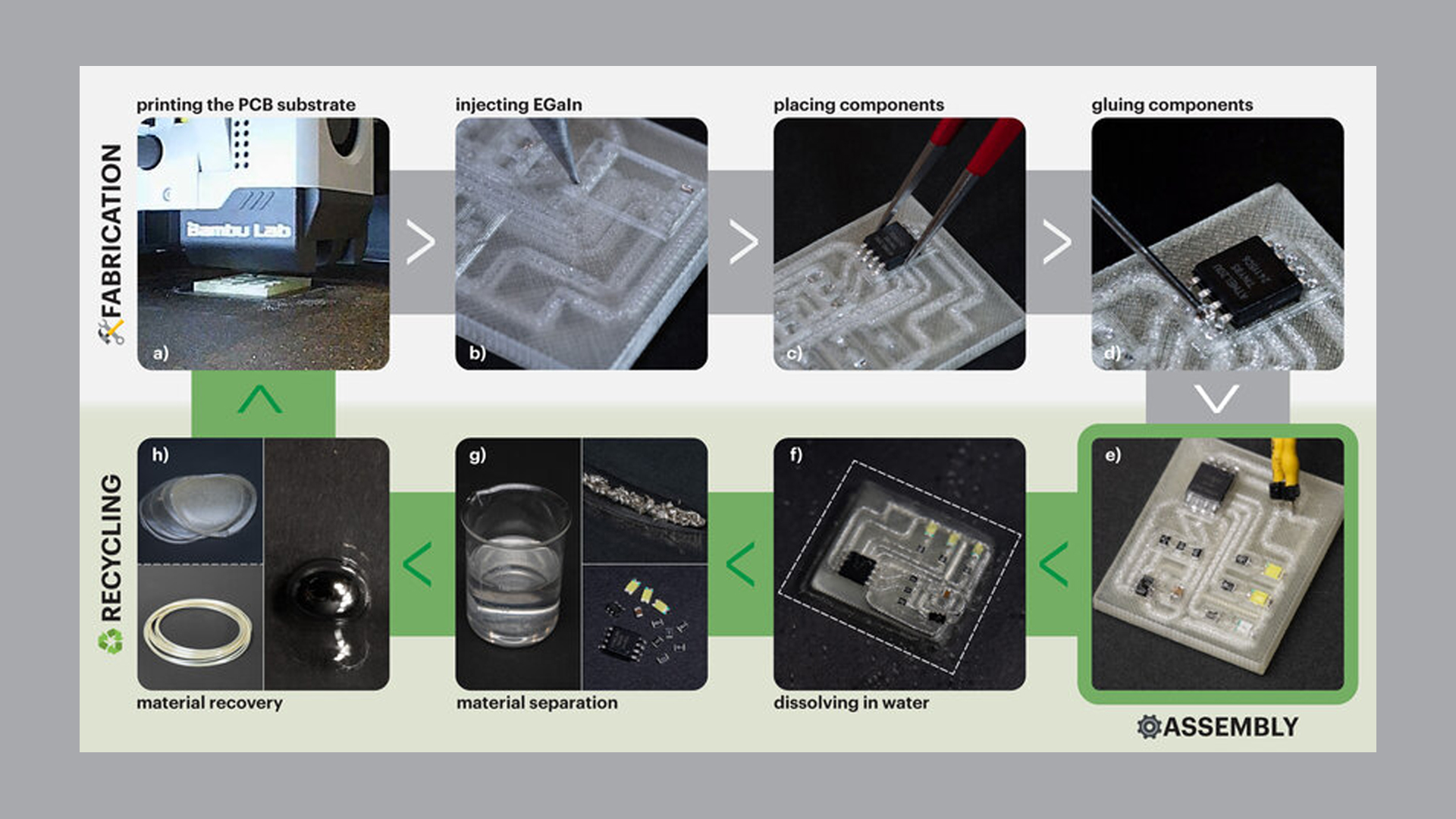
Electronic waste contains various metals and materials. Recycling focuses on safely separating gold from other components. This process supports sustainability and resource conservation.
Methods Of Gold Recovery
Several techniques exist to extract gold from electronic parts. These methods vary in complexity and cost.
- Chemical leaching:Uses acids or cyanide solutions to dissolve gold from circuit boards.
- Electrolytic recovery:Applies electric current to separate gold from other metals.
- Physical separation:Involves shredding and sorting to isolate gold-bearing materials.
- Smelting:Melts electronic parts to separate gold by density.
Each method requires careful handling to maximize gold yield and reduce waste.
Environmental Impact
Improper recycling can cause pollution and health risks. Chemicals used in extraction may contaminate soil and water.
Safe recycling reduces e-waste volume in landfills. It also lowers the need for new mining activities.
Recycling gold from electronics saves energy and reduces greenhouse gas emissions. It helps protect natural habitats and biodiversity.
Credit: www.tomshardware.com
Frequently Asked Questions
Which Electronic Components Contain The Most Gold?
Gold is mainly found in connectors, CPU pins, and memory modules. These parts use gold for reliable conductivity and corrosion resistance.
Why Is Gold Used In Electronic Components?
Gold resists corrosion and conducts electricity very well. This ensures long-lasting, stable connections in sensitive electronic parts.
How Much Gold Is In A Typical Smartphone?
A smartphone contains about 0. 034 grams of gold. Most of it is in the circuit boards and connectors.
Can Gold Be Recycled From Old Electronics?
Yes, gold can be efficiently recovered from discarded electronics. Recycling reduces mining impacts and recovers valuable materials.
Conclusion
Electronic components like connectors, CPUs, and memory chips hold the most gold. Gold helps parts conduct electricity better and resist corrosion. Recycling these components can recover valuable gold safely. Understanding which parts contain gold helps in e-waste recycling efforts. This knowledge supports both the environment and resource savings.
Handling electronic waste carefully protects our planet. Small parts can add up to a useful amount of gold. Always consider responsible recycling to keep gold in use.