Do Smart Home Devices Spy on You: Uncover the Shocking Truth
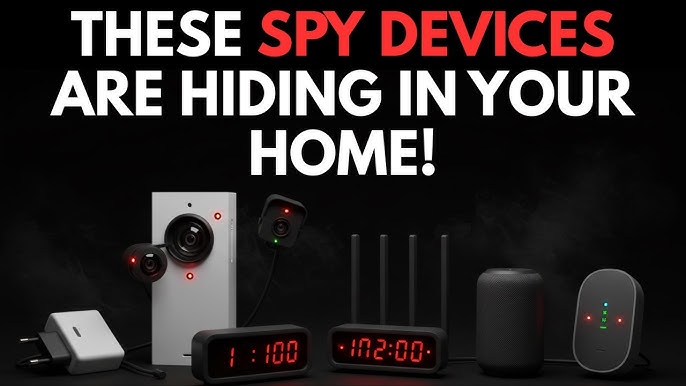
Have you ever wondered if your smart home devices are secretly watching or listening to you? With gadgets like smart speakers, security cameras, and voice assistants becoming part of daily life, it’s natural to question how much they really know about you.
What if your devices are gathering more information than you realize? You’ll discover the truth about smart home spying—what’s real, what’s a myth, and how you can protect your privacy without giving up convenience. Keep reading to find out if your smart devices are truly on your side or if they’re quietly spying on you.
How Smart Home Devices Work
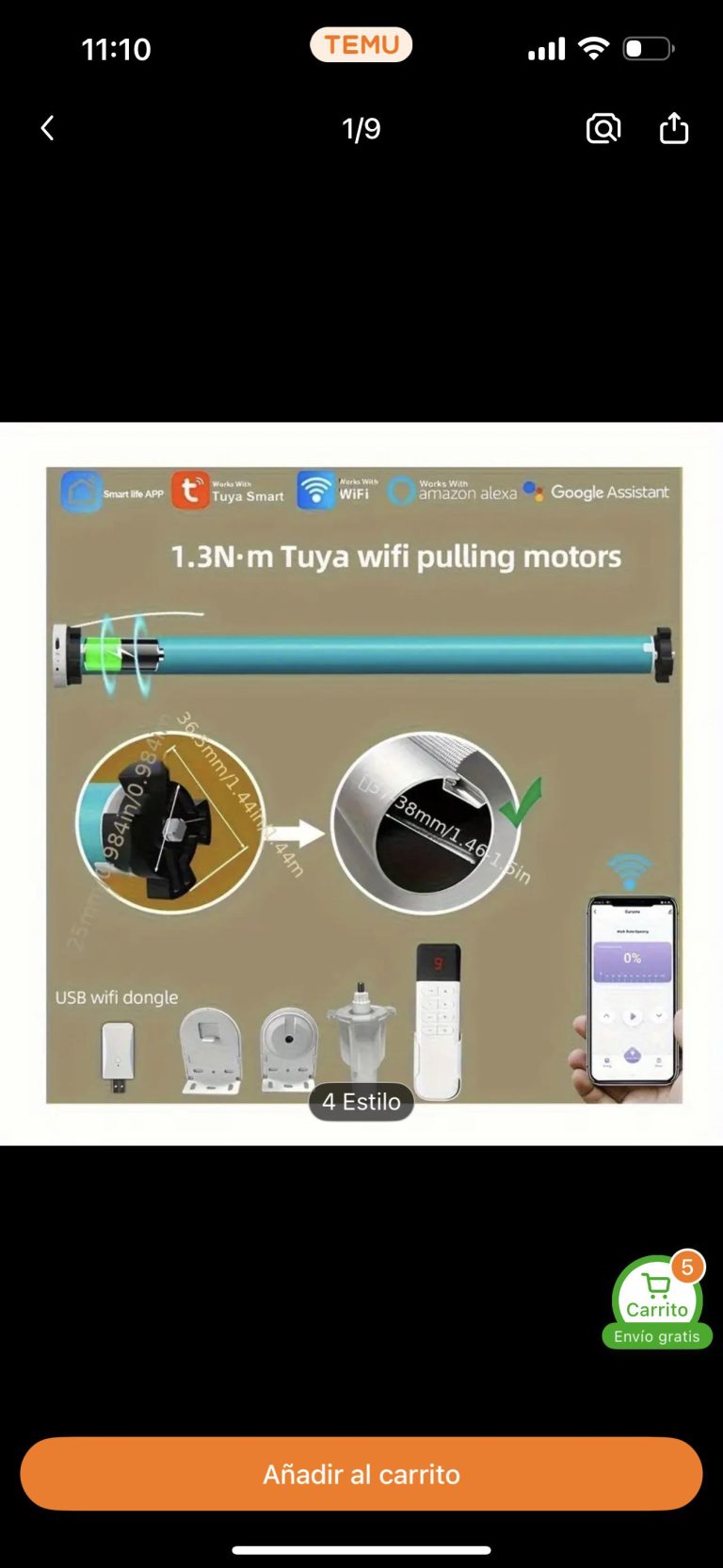
Smart home devices connect to the internet and to each other. They use sensors and software to perform tasks automatically. These devices collect and process data to understand your habits and preferences. This helps them respond to commands and improve their functions over time.
Common Types Of Devices
- Smart speakers, like Amazon Echo or Google Home
- Smart thermostats that control home temperature
- Security cameras and video doorbells
- Smart lights and plugs that can be controlled remotely
- Home assistants that manage schedules and reminders
- Smart locks for keyless entry
Data Collection Methods
Devices gather data through various sensors and inputs. Microphones listen for voice commands. Cameras capture images and videos. Motion sensors detect movement inside your home.
Data also comes from your device usage patterns. For example, when you turn lights on or off. Or how you adjust the thermostat throughout the day.
This information is sent to cloud servers for analysis. The devices then use this analysis to offer personalized services. Data collection helps improve device accuracy and user experience.
Privacy Risks And Concerns
Smart home devices bring convenience, but they also raise important questions about your privacy. Understanding the risks helps you take control over your personal data and protect your home environment. Let’s break down some of the key privacy concerns you should be aware of.
Voice And Audio Monitoring
Many smart home devices listen for voice commands constantly. This means they are always “awake” to catch your wake word, but sometimes they record more than you expect.
Have you ever wondered if your device is capturing private conversations? Some devices store audio clips to improve their services, which could make you feel uncomfortable if you knew what was being recorded.
To protect yourself, check your device’s settings regularly. Most allow you to delete voice recordings or turn off continuous listening features.
Data Sharing With Third Parties
Your smart devices collect data about your habits, preferences, and daily routines. This information is often shared with third-party companies for marketing or analytics purposes.
Think about how much you share when you use these devices. Are you okay with advertisers or other companies accessing your data?
Review privacy policies carefully and choose brands that prioritize transparency. You can also limit data sharing by adjusting permissions and opting out of unnecessary data collection.
Hacking And Unauthorized Access
Smart devices connected to the internet can become targets for hackers. If someone gains access, they could control your devices or steal sensitive information.
I once heard about a family whose smart camera was hacked, giving strangers a view into their home. This scenario is unsettling but preventable.
Keep your devices secure by:
- Using strong, unique passwords
- Enabling two-factor authentication if available
- Regularly updating device firmware
Are you confident your smart home is protected against cyber threats? Taking these steps can make a big difference in safeguarding your privacy.
Famous Cases Of Smart Device Spying
Smart home devices promise convenience but sometimes come with unexpected privacy risks. Several well-known cases have shown how these gadgets can be misused to spy on users. Understanding these incidents can help you stay alert and make smarter choices about your devices.
Notable Breaches And Incidents
One famous breach involved a popular smart speaker that mistakenly recorded private conversations and sent them to random contacts. This incident raised alarm bells about how easily your personal chats could be exposed without your knowledge.
Another case saw hackers exploiting vulnerabilities in smart cameras to watch homeowners remotely. This kind of unauthorized access turns a helpful device into a tool for invasion of privacy.
Have you ever wondered if your smart thermostat could be leaking data? Some models have been found sending usage patterns back to companies, revealing when you’re home or away.
Legal Actions And Settlements
Several companies have faced lawsuits for failing to protect user data adequately. One major tech firm agreed to pay millions to settle claims after admitting their devices recorded users without explicit consent.
These legal battles highlight the importance of clear privacy policies and transparent data handling. They also remind you to read terms carefully before trusting a device with sensitive information.
Could these legal actions lead to stronger regulations that benefit you? Staying informed about ongoing cases can help you advocate for better privacy protections.

Credit: www.theguardian.com
Manufacturer Policies And Transparency
Understanding the policies and transparency of smart home device manufacturers is key to knowing how your data is handled. These companies set the rules about what information they collect, how they use it, and how openly they share these details with you. Being aware of these policies helps you make informed decisions about which devices to trust in your home.
Privacy Statements
Privacy statements reveal what data manufacturers collect and why. They often outline whether your voice recordings, usage habits, or personal details are stored or shared. Reading these statements carefully can show you how much control you have over your own data.
Some manufacturers provide clear, easy-to-understand privacy policies, while others use complex legal language that hides important details. Have you ever taken the time to read through a device’s privacy statement before setting it up? Doing so can uncover unexpected data-sharing practices.
Data Encryption Practices
Data encryption protects your information from unauthorized access. Manufacturers that use strong encryption methods ensure your data is scrambled when stored or transmitted, making it harder for hackers to steal.
Check if the device uses end-to-end encryption, which means only you and the intended recipient can access the data. Devices without solid encryption leave your personal information vulnerable, even if the manufacturer promises not to misuse it.
Ask yourself: Does the manufacturer explain their encryption clearly, or is it vague? Transparency about data security measures often reflects a company’s commitment to protecting your privacy.
How To Protect Your Privacy
Protecting your privacy with smart home devices takes simple steps. These devices collect data to work well but can also share personal information. Adjusting settings, using security tools, and keeping software updated help keep your information safe.
Device Settings To Adjust
Start with the device settings. Turn off features that are not needed, such as voice recording or location tracking. Limit data sharing by reviewing privacy options in the app. Disable microphone or camera access when not in use. Use strong, unique passwords for each device account.
Using Network Security Tools
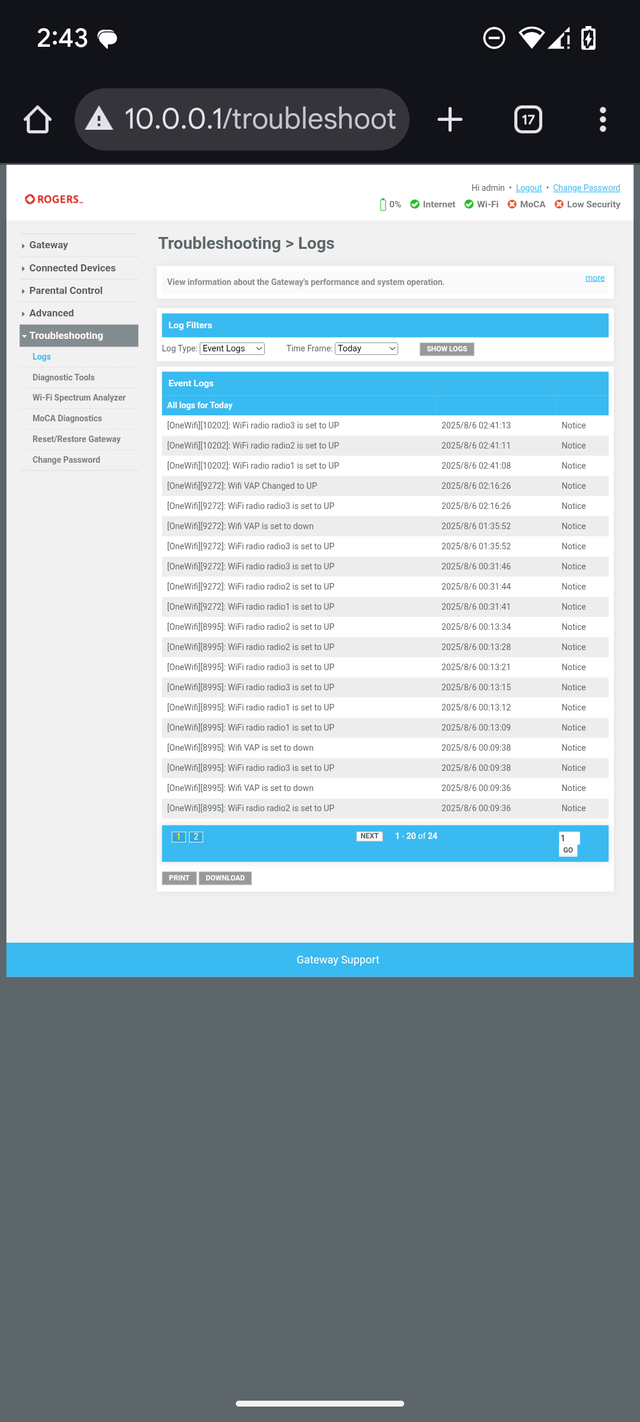
Secure your home network to protect devices from hackers. Use a strong Wi-Fi password and WPA3 encryption if available. Set up a separate network for smart devices to isolate them from your main devices. Consider using a firewall or VPN to add extra layers of protection.
Regular Software Updates
Keep your smart devices updated with the latest software. Updates fix security holes and improve privacy controls. Enable automatic updates if possible to stay protected. Check manufacturer websites or apps regularly for new patches or upgrades.

Credit: allaboutcookies.org
The Future Of Smart Home Privacy
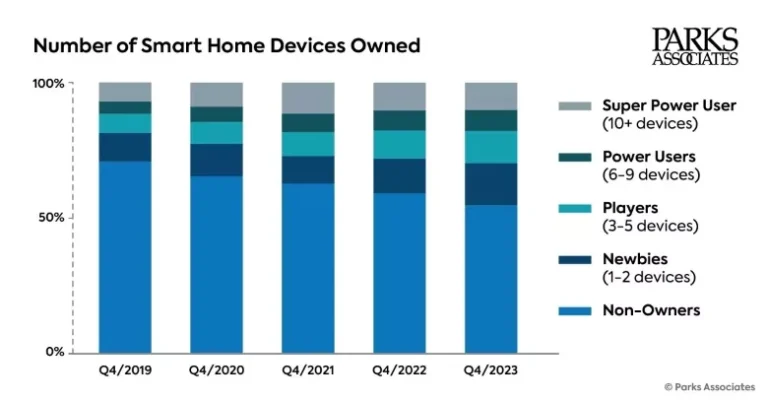
As smart home devices become more common, concerns about privacy grow stronger. You might wonder if your devices are watching or listening more than they should. The future of smart home privacy depends on how technology and rules evolve to protect your personal space while still offering convenience.
Emerging Privacy Technologies
New technology aims to keep your data safe without sacrificing smart features. Devices are starting to use on-device processing, which means your information is analyzed locally instead of being sent to the cloud. This reduces the risk of hacking and unauthorized access.
Another innovation is the use of differential privacy, which adds noise to data to protect your identity while allowing companies to gather useful insights. You might also see more devices with physical privacy controls, such as manual camera shutters or microphone kill switches, giving you direct control over your privacy.
Regulations And Industry Standards
Governments and industry groups are setting clearer rules to safeguard your data. Laws like the GDPR in Europe and the CCPA in California require companies to be transparent about what they collect and how they use it. These regulations give you more rights to access, delete, or restrict your personal information.
At the same time, industry standards are emerging to ensure smart home devices meet minimum privacy and security requirements. Certification programs can help you identify products that prioritize your privacy. Would you feel more comfortable buying a device with a privacy seal of approval?

Credit: www.livemint.com
Frequently Asked Questions
Can Smart Home Devices Listen To Conversations?
Yes, some smart home devices have microphones that can listen to conversations. They use this feature to detect voice commands. However, concerns arise when these devices unintentionally capture private conversations. To protect privacy, users should review device settings, manage permissions, and update privacy policies regularly.
Are Smart Home Cameras Recording Me Secretly?
Smart home cameras are designed to record upon detection of motion or sound. However, unauthorized access can lead to unwanted recording. To ensure privacy, secure devices with strong passwords, regularly update firmware, and disable cameras when not in use. Always monitor device activity through the manufacturer’s app.
How Do Smart Devices Collect Data?
Smart devices collect data through sensors, microphones, and cameras to enhance user experience. They gather information like usage patterns, voice commands, and environmental conditions. This data is often used for device improvement and personalization. Users should review data collection policies and adjust settings to control what is shared.
Can I Stop Smart Devices From Spying?
Yes, you can minimize smart devices’ data collection by adjusting privacy settings. Disable unnecessary features like continuous listening and location tracking. Regularly update devices and review privacy policies. Use secure networks and strong passwords to prevent unauthorized access. Being proactive helps protect your privacy.
Conclusion
Smart home devices collect data to work better for you. They do not always spy, but privacy risks exist. You can protect yourself by checking device settings carefully. Turn off features you don’t need or trust less. Stay aware of updates and company privacy policies.
Using smart devices wisely keeps your home safe and private. Balancing convenience and privacy is important for everyone. Think about what you share and control your information. Smart homes bring ease, but your safety comes first.