How an Electronic Home Thermostat Works: Ultimate Guide Explained
Have you ever wondered how your electronic home thermostat works to keep your home cozy and comfortable? You’re not alone.
Understanding this small yet mighty device can save you money and energy, while also ensuring your home’s temperature is just right. Imagine having the power to control your environment with precision, all while reducing your utility bills. Sounds like a dream, right?
We’ll unlock the secrets behind your thermostat’s operation, empowering you with knowledge to make smarter choices for your home and wallet. Stay with us as we delve into the fascinating world of electronic home thermostats—you won’t want to miss this!
Basic Components
The basic components of an electronic home thermostat work together to keep your home comfortable. Each part has a specific role. These parts sense temperature, process data, and show information to the user. Understanding these components helps you see how the thermostat controls your heating and cooling systems efficiently.
Thermostat Sensor
The thermostat sensor detects the room temperature. It uses electronic elements like thermistors or sensors that change resistance with heat. This data lets the thermostat know if the room is too hot or too cold. The sensor’s accuracy is key to maintaining comfort and saving energy.
Control Circuit
The control circuit processes the sensor’s temperature data. It compares the current temperature to the set temperature. This circuit sends signals to the heating or cooling system to turn on or off. The control circuit acts as the brain of the thermostat, making decisions quickly and precisely.
Display Interface
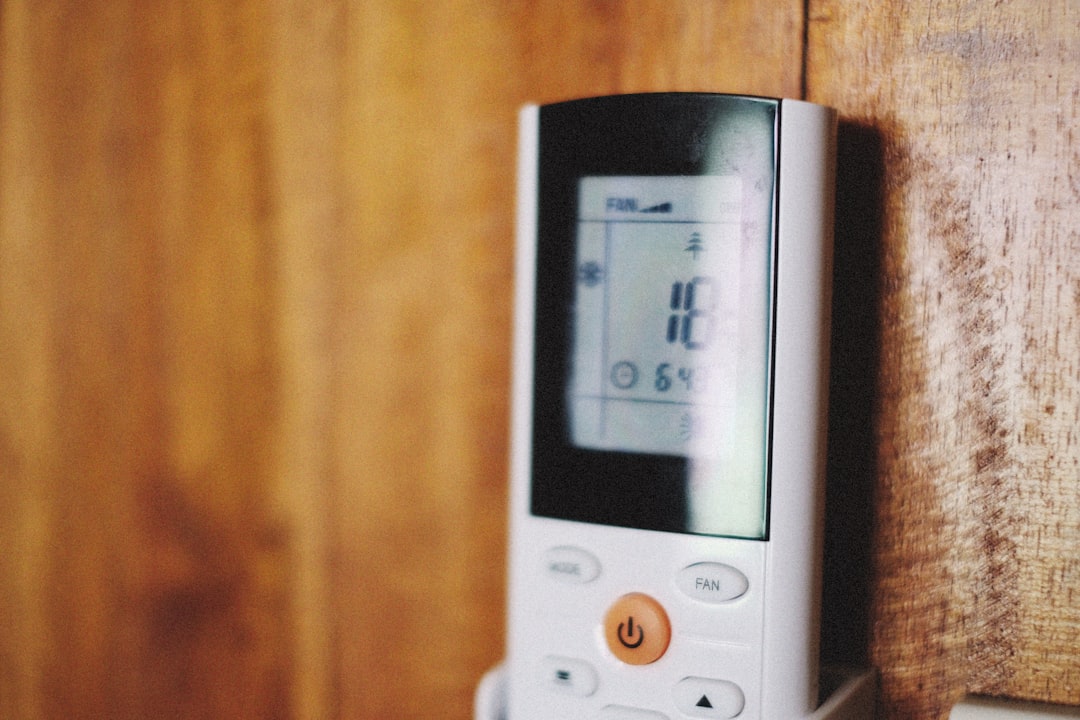
The display interface shows temperature and settings to the user. It often includes an LCD screen with buttons or a touchscreen. This part makes it easy to set the desired temperature. Clear displays help users understand and control their home climate with ease.
Temperature Detection
Temperature detection is the core function of an electronic home thermostat. It helps the device understand the current room temperature. This information guides the thermostat to adjust heating or cooling systems properly. Accurate temperature detection ensures comfort and saves energy.
Types Of Sensors
Thermostats use various sensors to detect temperature. The most common types include:
- Thermistors:These sensors change resistance with temperature shifts. They are cost-effective and accurate for home use.
- Thermocouples:Made from two different metals, they produce a voltage related to temperature differences.
- Infrared Sensors:Detect temperature by measuring heat radiation from objects or people in a room.
Thermistors are the most widely used sensor in home thermostats because of their reliability and affordability.
Measuring Room Temperature
The thermostat’s sensor reads the air temperature inside the room. It sends this data to the thermostat’s processor. The processor compares the measured temperature with the set target temperature.
The thermostat constantly updates this reading to keep the room comfortable. Some models use multiple sensors to get a more accurate average temperature. This helps avoid hot or cold spots in the home.
User Settings
User settings on an electronic home thermostat give you control over your indoor climate. They allow you to customize how your heating and cooling system responds to your lifestyle and comfort needs. Understanding these settings can help you save energy and maintain a cozy home environment.
Setting Desired Temperature
Adjusting the desired temperature is the most basic yet crucial user setting. You simply select the temperature you want your home to maintain. Many modern thermostats let you fine-tune this setting by increments as small as 0.5°F or 0.1°C, which can make a noticeable difference in comfort.
Think about the last time you felt too hot or too cold at home. Changing the temperature on your thermostat gave you immediate relief, right? This direct control helps you avoid wasting energy on heating or cooling when it’s not needed.
Some thermostats also offer adaptive settings that learn your preferences over time. But even without these features, manually setting your temperature is straightforward and effective.
Programming Schedules
Programming schedules lets you automate temperature changes throughout the day. You can set different temperatures for morning, daytime, evening, and night to match your routine. This means your home can be warm when you wake up, cooler while you’re away, and just right when you return.
Have you ever forgotten to adjust your thermostat before leaving the house? Scheduling removes that hassle and helps reduce energy waste. For example, lowering the temperature by a few degrees during work hours can significantly cut heating or cooling costs.
Most thermostats allow you to create weekly schedules, making it easy to handle varying routines. You can even set special modes for weekends or holidays, so your home’s comfort adjusts with your life.

Credit: www.searshomeservices.com
Signal Processing
Signal processing is the brain behind your electronic home thermostat’s ability to maintain a comfortable temperature. It takes raw data from sensors and turns it into clear instructions for your heating or cooling system. Understanding how this works can help you appreciate the tech that keeps your home cozy or cool without you even noticing.
Interpreting Sensor Data
Your thermostat constantly reads temperature data from sensors placed around your home. These sensors send electrical signals that represent the current temperature. The thermostat’s processor converts these signals into digital numbers it can understand.
It then compares these numbers to the temperature you’ve set. If the room is colder or warmer than your preferred setting, the thermostat decides if it needs to take action. This is like your thermostat “listening” to your home’s temperature and deciding what to do next.
Activating Heating And Cooling
Once the thermostat knows the room temperature, it sends a signal to your heating or cooling system. This signal tells the system to turn on or off, depending on whether the room needs warming or cooling.
For example, if the temperature drops below your set point, the thermostat activates the heater. Conversely, if it gets too warm, it triggers the air conditioner. This process happens quickly and repeatedly, keeping your environment stable.
Have you ever noticed your heating or cooling system kicking on just as the temperature shifts? That’s your thermostat’s signal processing at work, responding precisely to the data it receives.
Communication With Hvac
Electronic home thermostats control your heating and cooling systems by communicating directly with the HVAC unit. This communication ensures your home stays at the temperature you choose. The thermostat sends signals to the HVAC system to turn on or off, or adjust settings based on your preferences. Two main ways thermostats connect with HVAC systems are through wiring or wireless technology. Each method has its own setup and benefits.
Wiring And Connections
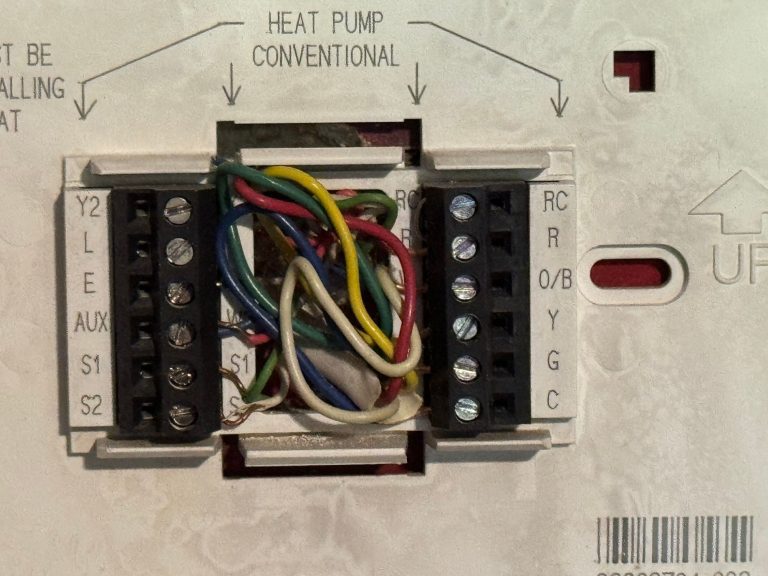
Wired thermostats use physical cables to link the device to your HVAC system. These wires carry signals between the thermostat and the heater or air conditioner. Common wires include:
- R wire:Provides power to the thermostat
- W wire:Controls the heating system
- Y wire:Controls the cooling system
- G wire:Controls the fan
The wiring must be installed correctly for the system to work smoothly. Each wire connects to specific terminals on both the thermostat and HVAC control board. This direct connection allows quick and reliable communication.
Wireless Thermostats
Wireless thermostats send commands to the HVAC system using radio signals. They use Wi-Fi or other wireless protocols to communicate without cables. This makes installation easier and more flexible. You can place the thermostat anywhere in your home without worrying about wires.
Wireless thermostats connect to a receiver attached to the HVAC system. The receiver translates wireless signals into commands the HVAC can understand. Many models also allow control via smartphone apps. This lets you adjust temperature remotely and monitor energy use.
Energy Efficiency Features
Electronic home thermostats come with energy-saving features that help reduce electricity bills. These features adjust heating and cooling based on your habits and preferences. They prevent wasteful energy use without sacrificing comfort.
Adaptive Learning
Adaptive learning allows the thermostat to study your daily routines. It learns when you leave the house and when you return. Then, it changes the temperature automatically to save energy.
This feature means the thermostat adjusts heating or cooling without you touching a button. It improves efficiency by not heating or cooling an empty home. Over time, it gets better at predicting your schedule.
Remote Control Via Apps
Many thermostats connect to smartphones through apps. You can control your home temperature from anywhere. This means you can lower heating or cooling if you forget to adjust it before leaving.
Remote control helps avoid energy waste by giving you full control anytime. You can check and change settings on the go. This flexibility adds convenience and saves money on energy bills.
Troubleshooting Common Issues
Electronic home thermostats are designed to keep your living space comfortable with minimal effort. However, like any technology, they can sometimes face hiccups that disrupt their smooth operation. Understanding how to troubleshoot common issues can save you time and prevent unnecessary service calls.
Calibration Problems
If your thermostat isn’t maintaining the right temperature, calibration could be the culprit. Over time, sensors may drift, causing the displayed temperature to differ from the actual room temperature.
Try comparing the thermostat reading with a reliable room thermometer placed nearby. If there’s a noticeable difference, your thermostat likely needs recalibration.
Many models allow you to adjust calibration settings manually. Check your thermostat’s manual for specific instructions. If your thermostat lacks this feature, consider replacing it or contacting support.
Connectivity Errors
Smart thermostats rely on Wi-Fi to communicate with your devices and cloud services. Connectivity errors can disrupt remote control or scheduling features.
Start by checking your Wi-Fi signal strength near the thermostat. Walls or electronic devices can interfere with the signal, causing dropouts.
Restarting your router and thermostat often resolves temporary glitches. If problems persist, verify that your thermostat’s firmware is up to date.
Have you noticed your thermostat losing connection frequently? It might be time to adjust your router’s settings or move your thermostat closer to the access point.

Credit: www.plusheat.co.uk
Future Trends
The future of electronic home thermostats is shaping up to be more connected and intelligent than ever before. These devices are evolving beyond simple temperature control to become central hubs in your smart home ecosystem. Understanding these trends can help you make smarter choices about heating and cooling your space.
Smart Integration
Electronic thermostats are increasingly designed to work seamlessly with other smart home devices. This means your thermostat can communicate with smart lights, security systems, and voice assistants like Alexa or Google Assistant.
Imagine your thermostat lowering the temperature automatically when you leave home, based on signals from your smart lock or phone location. This kind of integration not only saves energy but also adds convenience to your daily routine.
Are you ready to let your thermostat take commands from multiple devices, creating a more responsive environment?
Ai And Automation
Artificial intelligence is becoming a key player in how thermostats learn your habits and preferences. Instead of manually adjusting settings, your thermostat will predict the best temperature based on your schedule and even the weather outside.
This automation can lead to noticeable savings on your energy bill while keeping your home comfortable without constant tweaks. Some models can even detect when a room is empty and adjust heating or cooling accordingly.
Think about how much time you spend fiddling with the thermostat—how much easier would life be if it just knew what you wanted?

Credit: www.youtube.com
Frequently Asked Questions
How Does An Electronic Home Thermostat Function?
An electronic thermostat measures room temperature using sensors. It compares this to your set temperature and activates heating or cooling systems accordingly for comfort and energy efficiency.
What Are The Main Components Of Electronic Thermostats?
Key parts include temperature sensors, a control board, a display, and relays. These components work together to monitor temperature and control HVAC systems efficiently.
How Do Electronic Thermostats Save Energy At Home?
They maintain precise temperature control, reducing unnecessary heating or cooling. Programmable settings allow customized schedules, minimizing energy waste and lowering utility bills.
Can Electronic Thermostats Connect To Smart Home Systems?
Yes, many models support Wi-Fi and smart home integration. This allows remote control via apps and voice assistants, enhancing convenience and energy management.
Conclusion
An electronic home thermostat helps keep your house comfortable. It senses the temperature and turns heating or cooling on or off. This saves energy and lowers bills. You can set it to your liking and trust it to work automatically.
Understanding how it works makes using it easier. Small devices, big help. Simple, smart, and useful for every home.