How are Electronic Transfers Handled in Home Sale: Essential Insights
Selling your home can be both exciting and overwhelming. One crucial aspect that often puzzles sellers and buyers alike is handling electronic transfers.
If you’ve ever felt lost in the maze of digital transactions, you’re not alone. Understanding how electronic transfers work in home sales can save you time, stress, and even money. Imagine closing your sale smoothly, knowing exactly where your money is and how it got there.
This guide will walk you through everything you need to know about electronic transfers in home sales, ensuring you feel confident and informed every step of the way. Curious to unravel the mystery and make your home sale seamless? Keep reading to discover the secrets of successful electronic transfers.
Role Of Electronic Transfers In Home Sales
Electronic transfers play a crucial role in home sales by ensuring that large sums of money move safely and efficiently between buyers, sellers, and their financial institutions. These transfers replace the need for physical checks or cash, speeding up the closing process and reducing the risk of fraud. Understanding how electronic transfers work can help you navigate your home purchase with confidence and ease.
Common Types Of Electronic Transfers
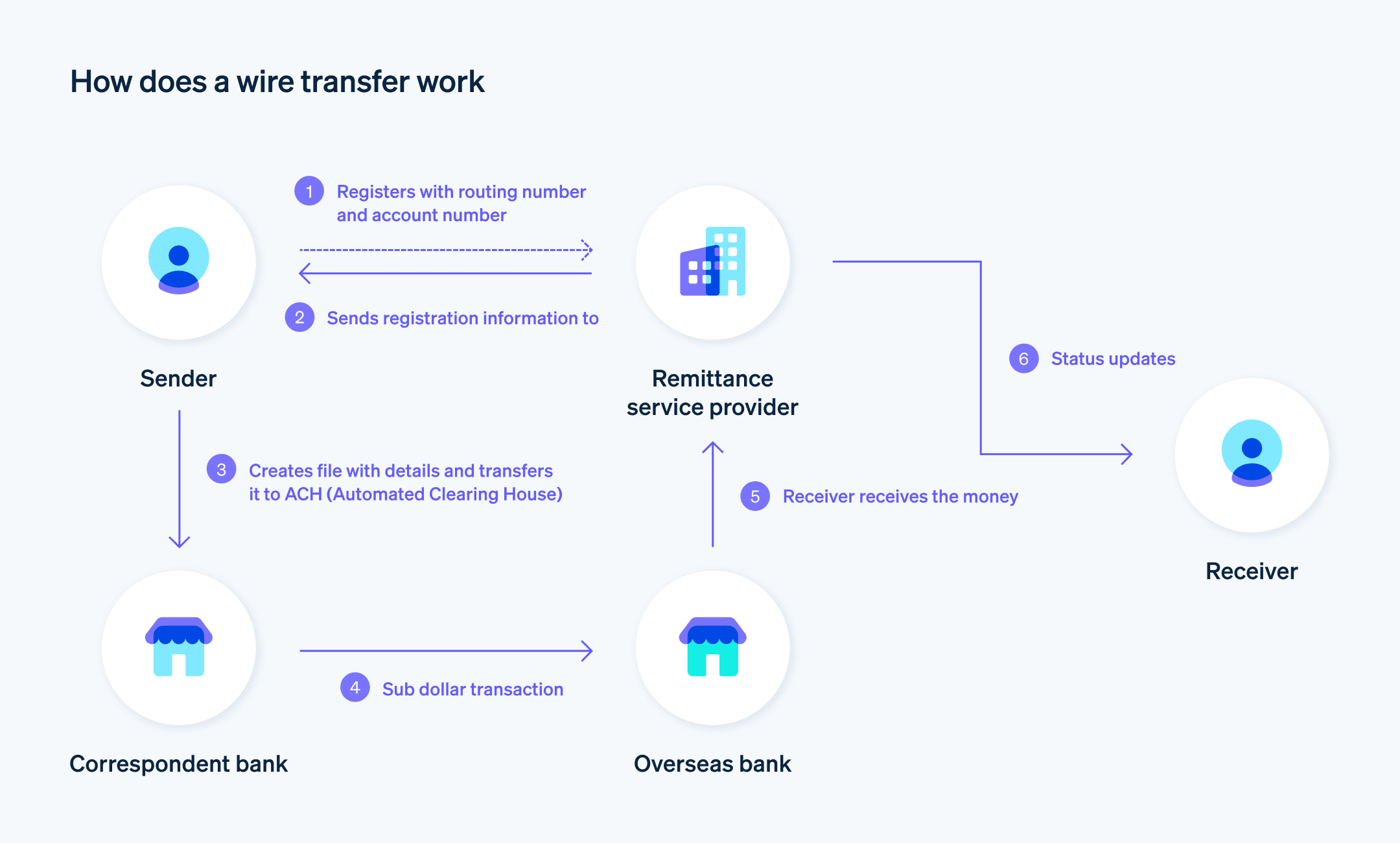
Several types of electronic transfers are commonly used in home sales. Wire transfers are the most popular, allowing direct bank-to-bank transfers of funds quickly and securely. Escrow accounts often use electronic transfers to hold and release funds as agreed upon in the sale contract.
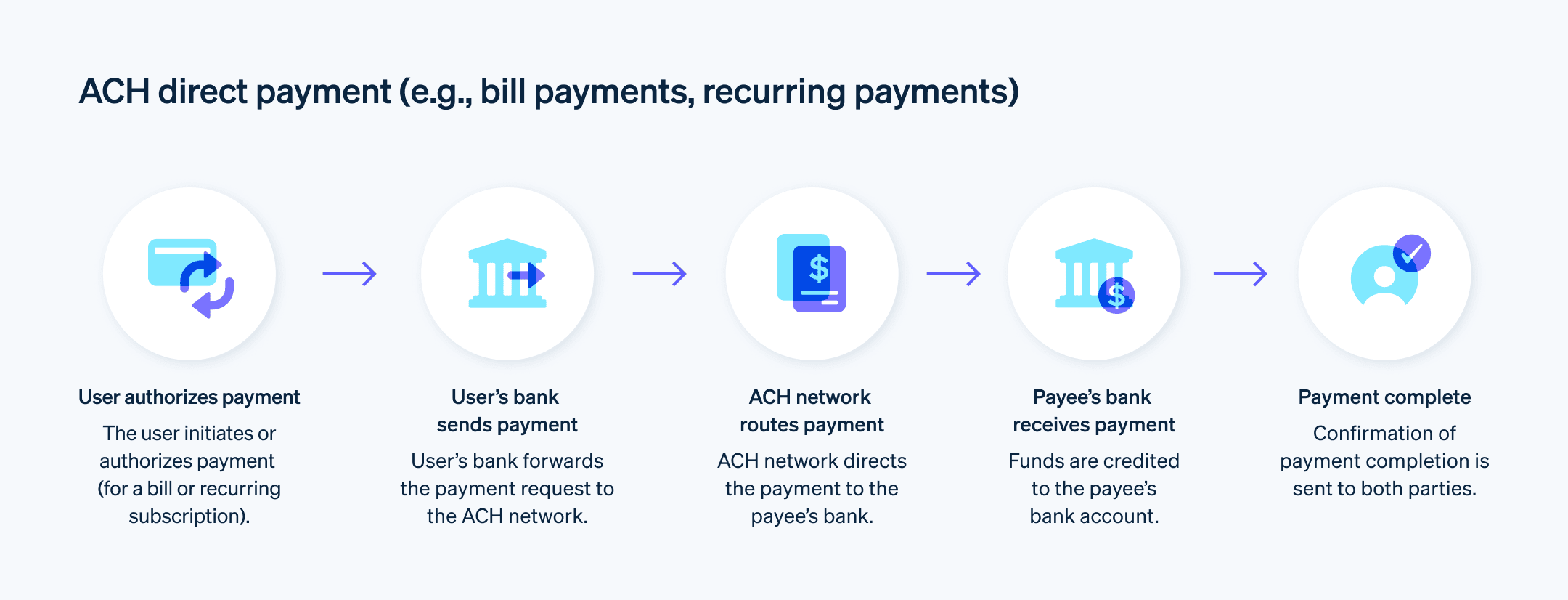
Other types include Automated Clearing House (ACH) transfers, which are slower but can be useful for smaller payments like deposits or fees. Some buyers and sellers also use certified electronic payment systems integrated into real estate platforms to track payments transparently.
Benefits Over Traditional Payment Methods
Electronic transfers offer significant advantages compared to traditional payment methods like checks or cash. They reduce the risk of lost or stolen funds since the money moves directly between verified bank accounts.
Speed is another benefit—wire transfers can clear within hours, unlike checks that might take days to process. This quick transfer often means your closing date can proceed without delays.
Have you ever wondered how your home sale might be affected if a check bounces or gets delayed? Electronic transfers remove that uncertainty and give you greater peace of mind during a critical financial transaction.
Steps In Electronic Transfer During Home Sale
Understanding the process of electronic transfers during a home sale can make the experience smoother and less stressful. These transfers involve careful coordination between buyers, sellers, and financial institutions to ensure funds move securely and efficiently. Knowing the exact steps helps you stay in control and avoid potential pitfalls.
Initiating The Transfer
The transfer begins when the buyer’s bank receives the instructions to move funds. Usually, this happens after all contract conditions are met and closing documents are signed. The buyer’s lender or bank prepares a wire transfer request with details like the seller’s account information and the exact amount to send.
Have you ever wondered why banks ask for so many details upfront? It’s to prevent mistakes and fraud, which are common in high-value transactions like home sales. You’ll want to double-check every piece of information before the transfer starts, especially account numbers and names.
Verification And Security Checks
Once the transfer request is submitted, banks perform multiple security checks. These include verifying the identities of both parties and confirming the legitimacy of the transaction. Some banks may call you directly to confirm details or require multi-factor authentication to proceed.
Security is not just about protecting the banks but also your hard-earned money. Imagine the consequences if a scammer intercepts your transfer—losing thousands could ruin your home purchase. Staying alert and responding quickly to verification requests keeps your transaction safe.
Finalizing The Transaction
After passing all security steps, the funds are released and credited to the seller’s account. This final step usually happens on the agreed closing date, enabling the legal ownership of the home to transfer smoothly. Both parties receive confirmation once the funds clear, marking the sale as complete.
Have you checked how long your bank takes to process these transactions? Timing matters because delays can hold up your move-in or cause stress. Communicating with your agent and bank regularly ensures you know exactly when the money changes hands.
Security Measures For Safe Transfers
Electronic transfers during a home sale require strong security measures. Protecting the transfer prevents fraud and loss. Buyers and sellers must trust the process. Secure systems and careful checks keep money safe.
Authentication Protocols
Authentication confirms identities before transfer approval. Banks use multi-factor authentication to verify users. This may include:
- Passwords or PIN codes
- One-time verification codes sent to phones
- Biometric checks like fingerprint or face ID
These steps reduce unauthorized access. They ensure only the right person can approve a transfer.
Fraud Prevention Tips
Fraudsters target home sale transfers often. Follow these tips to avoid scams:
- Verify wiring instructions directly with the title company
- Use secure and trusted communication channels
- Beware of unexpected changes in payment details
- Confirm all transfer details before sending funds
- Keep contact information of all parties handy
Vigilance is crucial. Careful checks stop fraud attempts effectively.

Credit: www.epsteinlawyers.com
Key Parties Involved In Transfers
Electronic transfers in home sales involve several key parties working together. Each plays a vital role to ensure funds move safely and smoothly. Understanding these roles helps buyers and sellers feel confident during the process.
Buyers And Sellers
Buyers initiate the payment to purchase the property. They provide the funds through their bank or lender. Sellers receive the money once all sale conditions are met. Both must confirm their identities for security.
Buyers check the transfer amount carefully before sending. Sellers verify the received funds before handing over the property. Clear communication between buyers and sellers avoids delays and errors.
Escrow Agents And Banks
Escrow agents act as neutral third parties. They hold funds safely until all contract terms are complete. This protects both buyers and sellers from risk.
Banks process the electronic transfer of money. They use secure systems to move funds between accounts. Banks also confirm the transfer’s success to all parties.
Escrow agents coordinate with banks to release money at the right time. This ensures the transaction follows legal rules and contract agreements.
Common Challenges And Solutions
Electronic transfers in home sales often seem straightforward, but they come with their own set of challenges. These hurdles can slow down the process and create stress for buyers, sellers, and agents alike. Understanding common issues and how to solve them can save you time and protect your money.
Delays And Errors
Delays in electronic transfers can happen due to bank processing times, incorrect account details, or insufficient funds. Even a small typo in the account number can cause the entire transaction to fail or be sent to the wrong recipient.
Double-checking every detail before initiating the transfer is essential. Use secure methods to share banking information and confirm receipt with the other party promptly. If a delay occurs, contact your bank immediately to trace the payment and understand the cause.
Have you ever experienced a transfer that took longer than expected? Often, delays stem from unexpected bank holidays or system maintenance, so planning transfers around these can help avoid setbacks.
Dispute Resolution
Disputes over electronic transfers usually arise when funds don’t arrive as expected or when the wrong amount is sent. Resolving these issues requires clear communication and documentation from all parties involved.
Keep all transaction records, including emails and confirmations. If you face a dispute, approach your bank first, providing all proof of the transaction. Sometimes, involving a mediator or legal advisor becomes necessary if the issue remains unresolved.
What steps would you take if your transfer went missing? Acting quickly and calmly can often prevent small issues from turning into major conflicts.
Credit: stripe.com
Regulations Impacting Electronic Transfers
Electronic transfers have become a key part of home sales, speeding up payments and making the process smoother. However, these transfers are closely regulated to protect buyers, sellers, and financial institutions. Understanding the rules behind these regulations can help you avoid costly mistakes and keep your transaction secure.
Legal Requirements
Electronic transfers in real estate must follow specific legal standards. These rules ensure that funds are transferred securely and that all parties involved have clear proof of payment.
For instance, laws require the use of secure banking networks and encryption to protect your personal and financial information during the transfer. This reduces the risk of fraud and theft, which can derail your home sale.
Have you ever wondered how electronic transfers maintain their trustworthiness? The answer lies in strict legal frameworks that hold banks and brokers accountable for any mishandling of funds.
Compliance For Real Estate Transactions
Real estate transactions have additional compliance layers beyond general banking rules. These include anti-money laundering (AML) laws and the need for clear documentation of the source and destination of funds.
Title companies and escrow agents often play a critical role here. They verify that all electronic transfers comply with state and federal regulations before the sale can close.
- Verification of buyer’s and seller’s identities
- Confirmation of transfer amounts matching the sale agreement
- Ensuring timely release of funds to avoid delays
Missing any compliance steps can cause delays or legal headaches. Have you checked if your escrow agent follows these rules strictly? This simple step can save you from unexpected setbacks.
Future Trends In Electronic Transfers For Home Sales
The way electronic transfers are handled in home sales is evolving rapidly. Technology is not only making transactions faster but also safer. Understanding these future trends can help you prepare for a smoother, more secure home buying or selling experience.
Emerging Technologies
New tools like blockchain and smart contracts are changing the game. Blockchain creates a digital ledger that records every transaction, reducing fraud risks. Smart contracts automatically execute terms when conditions are met, cutting down the need for middlemen.
Imagine closing your home sale without waiting days for bank approval. These technologies are designed to make that possible. Are you ready to trust your biggest investment to a digital network?
Improving Speed And Security
Faster electronic transfers mean you can finalize deals almost instantly. Real-time payments reduce the stress of waiting and uncertainty. At the same time, advanced encryption methods protect your financial data from cyber threats.
Security protocols are constantly updated to stay ahead of hackers. Multi-factor authentication and biometric verification add extra layers of protection. Would you feel more confident knowing your money and personal info have these safeguards?

Credit: ramp.com
Frequently Asked Questions
How Do Electronic Transfers Work In Home Sales?
Electronic transfers in home sales involve moving funds securely from buyer to seller. They use bank-to-bank systems like wire transfers. The process ensures quick, traceable, and safe payment completion during closing.
What Are The Benefits Of Electronic Transfers In Real Estate?
Electronic transfers offer speed, security, and convenience. They reduce the risk of lost or stolen checks. Transfers are traceable and ensure timely payment, helping smooth the home sale process.
Are Electronic Transfers Safe For Home Sale Transactions?
Yes, electronic transfers are safe when using reputable banks. They include encryption and authentication to protect your money. Always verify recipient details to avoid fraud in home sale payments.
When Should Electronic Transfers Be Completed In Home Sales?
Electronic transfers should be completed at closing or as agreed in the contract. This timing ensures funds are available when ownership transfers. It helps finalize the sale smoothly and on time.
Conclusion
Electronic transfers make home sales faster and safer. Buyers and sellers send money through banks or trusted services. Both sides must confirm details carefully to avoid mistakes. Timing matters to ensure funds clear on closing day. Clear communication helps prevent delays or confusion.
Understanding this process gives peace of mind during sales. Trust the system, but always stay alert. That’s how electronic transfers support smooth home sales.