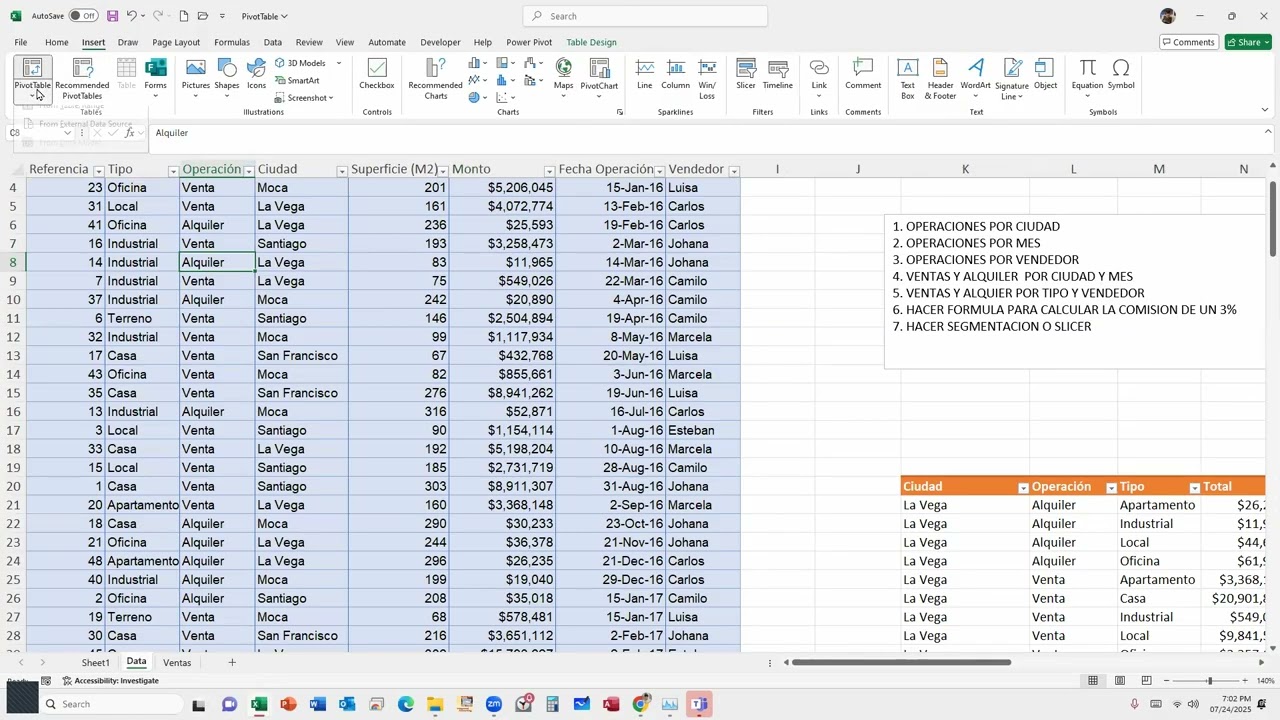
How Can Electronic Spreadsheet Help You at Home: Boost Efficiency Now
Are you tired of juggling countless tasks and feeling overwhelmed at home? Imagine having a tool that can simplify your life, help you stay organized, and even save you money.
Electronic spreadsheets might just be the game-changer you need. Whether it’s managing your budget, planning meals, or keeping track of household chores, these versatile tools can transform chaos into order. Curious to know how? Stick around, and you’ll discover the simple yet powerful ways spreadsheets can become your ultimate home management ally.

Credit: skywork.ai
Track Household Expenses
Keeping track of household expenses is essential for managing your finances effectively at home. Electronic spreadsheets provide a simple yet powerful way to organize and review your spending. They help you see where your money goes, making it easier to adjust habits and save more.
Create Monthly Budgets
Setting up a monthly budget in a spreadsheet lets you plan your expenses ahead of time. You can list categories like groceries, rent, entertainment, and savings, then assign a spending limit to each.
Updating this budget regularly helps you stay on track and avoid overspending. Have you ever been surprised by how much you spend on small daily purchases? Tracking these in a budget can reveal easy areas to cut back.
Monitor Utility Bills
Utility bills can fluctuate, making it hard to predict your monthly costs. A spreadsheet allows you to record each bill—electricity, water, internet—and compare them month by month.
This way, you can spot unusual increases early and investigate causes, like a leaky faucet or an inefficient appliance. Monitoring your bills also helps you anticipate seasonal changes and budget accordingly.
Analyze Spending Patterns
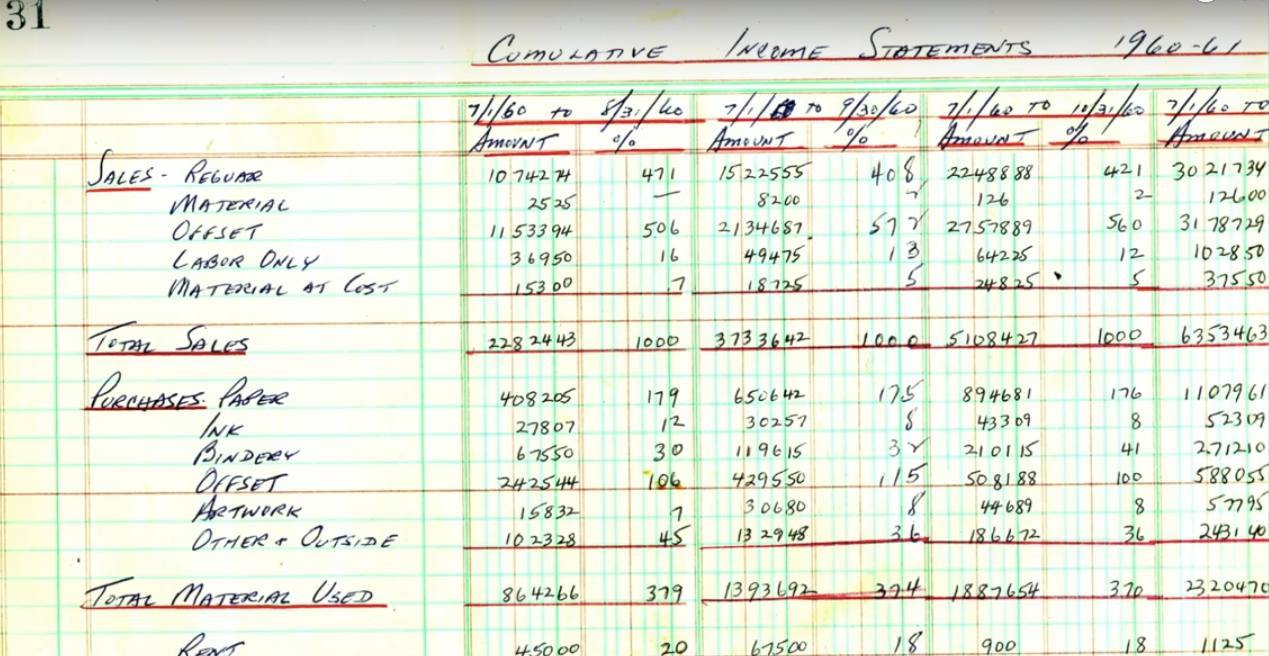
Spreadsheets let you analyze your spending over time to identify trends. You can create charts or tables that highlight where most of your money goes and spot habits that may need adjustment.
For example, if you notice that dining out expenses spike every weekend, you might decide to cook more at home. Are you aware of any spending habits that quietly drain your budget each month? Understanding your patterns is the first step to gaining control.
Credit: medium.com
Plan Meals And Grocery Lists
Planning meals and grocery lists with an electronic spreadsheet simplifies home cooking and shopping. It helps keep everything clear and easy to follow. You can plan meals, track nutrition, and prepare shopping lists all in one place.
Organize Weekly Menus
Create a simple table with days of the week and meals. Add breakfast, lunch, and dinner for each day. This way, you see your full menu at a glance. Change meals easily without rewriting everything. Use colors to mark special meals or leftovers. This keeps your menu neat and easy to update.
Calculate Nutritional Information
Enter nutritional values for each ingredient or recipe in your spreadsheet. Use formulas to add calories, protein, fat, and carbs for each meal. Track your daily intake with automatic sums. This helps balance your diet and meet health goals. The spreadsheet does the math so you don’t have to.
Generate Shopping Lists
List all ingredients from your weekly menu in one sheet. Use formulas to total amounts needed for each item. Group similar items like fruits, vegetables, and dairy. Print or save the list on your phone before shopping. This stops you from buying too much or forgetting essentials.
Manage Home Projects
Managing home projects can quickly become overwhelming without a clear plan. Electronic spreadsheets provide a simple yet powerful way to organize every detail of your tasks, helping you stay on top of deadlines, resources, and expenses. With a well-structured spreadsheet, you can keep your projects on track and reduce stress.
Set Project Timelines
Use spreadsheets to create clear timelines for each project phase. You can list tasks in rows and add columns for start and end dates. This lets you visualize the entire schedule at a glance.
Color-coding tasks based on deadlines or priority can make it easier to spot upcoming work. Have you ever missed a deadline because you lost track of time? Setting timelines in your spreadsheet helps prevent that by keeping your schedule front and center.
Allocate Resources
Spreadsheets let you list all resources needed for a project, such as materials, tools, or help from family members. You can assign quantities, estimated costs, and who is responsible for each item.
This keeps everyone on the same page and prevents last-minute scrambles for supplies. Have you noticed how often projects stall because something was forgotten? Keeping resource details in one place helps avoid those delays.
Track Progress And Costs
Updating your spreadsheet with completed tasks and expenses makes it easy to monitor progress and budget. You can create columns for actual costs versus estimated costs to see if you are staying within budget.
Tracking progress also motivates you as you see tasks checked off and projects moving forward. How much more confident would you feel tackling a project if you could clearly see how far you’ve come and what still needs attention?

Credit: skywork.ai
Organize Family Schedules
Keeping your family’s busy life in order can feel overwhelming. Electronic spreadsheets offer a simple yet powerful way to organize every member’s schedule. They help you see all appointments, events, and tasks at a glance, reducing stress and avoiding conflicts.
Coordinate Appointments
Spreadsheets let you list each family member’s appointments in one place. You can create columns for names, dates, times, and locations. This helps prevent double bookings and last-minute surprises.
Imagine adding color codes for each person’s appointments—like blue for doctor visits and green for school activities. This visual cue makes it easy to scan the schedule quickly.
Have you ever missed a meeting because you forgot to check everyone’s calendar? With a spreadsheet, you can sort appointments by date and time, so nothing slips through the cracks.
Plan Events And Vacations
Use spreadsheets to map out family events or vacations step by step. You can track who’s responsible for what, such as booking hotels or packing lists.
Include a budget section right next to the itinerary to keep spending under control. This way, you avoid surprises when it’s time to pay.
When planning a trip, list travel dates, destinations, and activities. It’s easier to spot overlaps or free days and make adjustments accordingly.
Assign Chores And Tasks
Assigning chores becomes clearer when you use a spreadsheet to list tasks, assign them, and track completion. You can create weekly or monthly chore charts that everyone can update.
Adding deadlines and priority levels helps family members understand what needs to be done first. You might notice patterns, like who consistently finishes tasks on time or who needs reminders.
Have you tried sharing the spreadsheet online? It lets each person update their progress in real-time, making teamwork more efficient.
Maintain Inventory Records
Keeping track of what you have at home can quickly become overwhelming. Electronic spreadsheets offer a simple and flexible way to maintain detailed inventory records. They help you stay organized, avoid unnecessary purchases, and even save money by knowing exactly what’s on hand.
Track Household Supplies
Using a spreadsheet to list your household supplies makes it easy to see what you have and what you need. You can create columns for item names, quantities, purchase dates, and storage locations. This setup helps you avoid running out of essentials like cleaning products or toiletries.
Imagine not having to make last-minute trips to the store because you forgot to buy shampoo or paper towels. Spreadsheets keep everything in one place, so you don’t have to rely on memory alone. You can update the list quickly when you use or restock items.
Monitor Food Expiry Dates
Food waste is a common problem that spreadsheets can help reduce. By entering expiry dates next to each food item, you get a clear overview of what needs to be used soon. This simple step prevents throwing away spoiled food and saves money.
You could even color-code items based on how close they are to expiring. For example, red for items expiring within a week and yellow for those expiring in two weeks. This visual cue makes meal planning easier and helps you prioritize what to eat first.
Manage Personal Collections
Do you have collections like books, DVDs, or craft supplies? Spreadsheets can organize these too, including details such as titles, purchase dates, and current condition. This organization helps you keep track of what you own and avoid duplicate purchases.
Tracking your collections also makes it easier to share information with friends or family. Suppose you lend a book or a game; you can note it down to remember who has it. This simple inventory habit saves you from losing or forgetting about your possessions.
Enhance Financial Planning
Electronic spreadsheets make financial planning easier at home. They help organize your money matters clearly. With simple formulas, you see your progress and plan better. Spreadsheets keep your goals on track and your budget balanced.
Calculate Savings Goals
Spreadsheets help set clear savings goals. You enter your target amount and timeline. The sheet calculates how much to save each month. It shows progress as you update deposits. Watching numbers grow motivates you to save more.
Plan Debt Repayments
Managing debts becomes simple with a spreadsheet. List all debts with amounts and interest rates. The sheet calculates monthly payments and payoff dates. It helps prioritize which debts to pay first. You can adjust payments and see the impact immediately.
Project Future Expenses
Spreadsheets forecast upcoming costs in detail. Include bills, groceries, and special purchases. The tool adds expected amounts for each month. You get a clear picture of cash flow ahead. This helps avoid surprises and stay within budget.
Customize Templates For Daily Use
Customizing templates in electronic spreadsheets makes daily tasks easier at home. Templates save time by fitting your specific needs. You can adjust them to track expenses, plan meals, or organize chores. This flexibility keeps your home life organized and efficient.
Design Personalized Trackers
Create trackers that suit your daily activities perfectly. Use spreadsheets to monitor:
- Monthly budgets
- Grocery shopping lists
- Household cleaning schedules
- Exercise routines
Personalized trackers help you stay on top of tasks without stress. You decide what information matters most and set it up accordingly.
Automate Repetitive Tasks
Templates let you automate tasks that repeat often. Set rules to update dates, totals, or progress automatically. This reduces manual work and errors. Automation frees up time for more important activities.
Use Formulas For Quick Calculations
Formulas in spreadsheets do calculations instantly. You can add, subtract, multiply, or divide numbers with ease. Formulas help you:
- Calculate monthly spending
- Track savings goals
- Plan meal nutrition
- Manage utility bills
This saves time and prevents mistakes with math. Quick calculations keep your home finances and plans accurate.
Frequently Asked Questions
How Can Electronic Spreadsheets Organize Household Budgets?
Electronic spreadsheets help track income and expenses easily. They allow you to create budgets, monitor spending, and identify saving opportunities. This keeps your finances organized and helps avoid overspending at home.
What Are The Benefits Of Spreadsheets For Meal Planning?
Spreadsheets let you list recipes, ingredients, and meal schedules. They simplify grocery shopping and reduce food waste. Using them for meal planning saves time and money while keeping your family’s diet balanced.
How Do Spreadsheets Assist In Home Project Management?
Spreadsheets help plan tasks, set deadlines, and track progress for home projects. They organize materials, costs, and schedules in one place. This improves efficiency and ensures projects finish on time and within budget.
Can Spreadsheets Help Manage Family Schedules?
Yes, spreadsheets can organize family members’ appointments, activities, and events. They provide a clear overview of busy days and help avoid scheduling conflicts. This keeps your household running smoothly and on time.
Conclusion
Electronic spreadsheets make home tasks simple and clear. They help track budgets, plan meals, and organize schedules easily. You save time and reduce mistakes. Spreadsheets keep information in one place for quick access. Anyone can learn to use them with little effort.
Small changes bring big improvements at home. Try using spreadsheets to see how they help you. Simple tools, useful results.