How Can Wearable Technology Be Used for Training: Boost Performance
Imagine having a personal coach right on your wrist, guiding every move you make during training. Wearable technology can do just that, transforming the way you learn and improve your skills.
Whether you’re an athlete, a fitness enthusiast, or someone looking to sharpen your professional abilities, these smart devices offer real-time feedback and insights tailored just for you. Curious how this technology can take your training to the next level? Keep reading to discover how wearable tech can boost your performance, keep you motivated, and help you reach your goals faster than ever before.
Credit: www.uhhospitals.org
Types Of Wearable Technology
Wearable technology has grown beyond simple gadgets to become essential tools in training. These devices collect real-time data that helps you understand your body’s performance and limits. Knowing the types of wearables available can help you choose the right one to meet your training goals.
Fitness Trackers
Fitness trackers are lightweight devices designed to monitor your daily physical activities like steps taken, calories burned, and sleep quality. Many models come with apps that let you set goals and track progress over time. Imagine tracking your activity levels throughout the day and spotting patterns that either boost or hinder your training.
Smartwatches
Smartwatches combine the features of fitness trackers with smartphone capabilities. You can receive notifications, control music, and even use GPS for outdoor workouts. If you prefer multitasking during training sessions, a smartwatch keeps you connected without interrupting your flow.
Heart Rate Monitors
Heart rate monitors provide precise feedback on your cardiovascular effort during exercise. This data helps you train within specific heart rate zones to improve endurance, burn fat, or recover efficiently. Have you ever adjusted your pace after noticing your heart rate was higher than expected? That’s the power of this wearable in action.
Wearable Sensors
Wearable sensors track detailed biomechanical data like muscle activity, movement speed, and joint angles. Athletes and trainers use this information to refine technique and prevent injuries. If you want to improve your form or recover from an injury, these sensors offer valuable insights that go beyond basic metrics.
Enhancing Physical Training
Wearable technology is changing how people train their bodies. It helps athletes and fitness lovers improve their workouts. Devices track many details during exercises. This information supports better training habits and faster progress.
These tools provide useful data. Trainers and trainees can see real-time feedback. They adjust workouts based on exact numbers. This leads to smarter, safer, and more effective sessions.
Real-time Performance Tracking
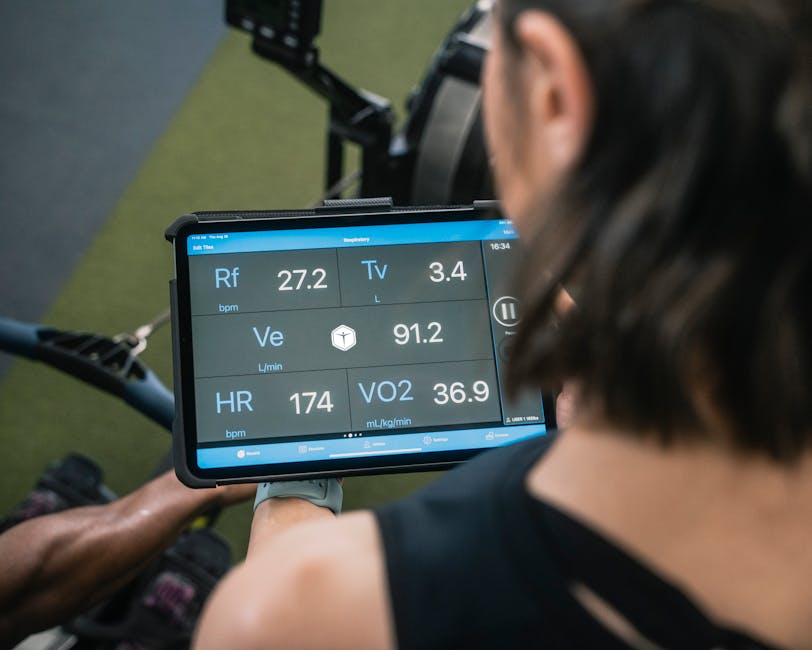
Wearables monitor heart rate, speed, and calories burned instantly. Users see live stats on screens or apps. This helps maintain the right intensity during training. It prevents overexertion or undertraining. Trainers use this data to guide athletes immediately.
Technique Improvement
Many devices measure movement patterns and body position. They detect mistakes in form and posture. Users receive alerts to correct their techniques. This reduces wasted effort and enhances skill development. Proper form also boosts performance and efficiency.
Injury Prevention
Wearables track fatigue levels and stress on muscles. They warn about signs of overuse or strain. Athletes can rest before injuries happen. Some devices suggest recovery time and exercises. This protects the body and extends training longevity.
Data-driven Training Plans
Data-driven training plans use real-time information from wearable technology. This approach helps create smarter workout routines. It makes training more effective and tailored to individual needs.
Personalized Workout Programs
Wearables collect data like heart rate, steps, and calories burned. This data helps build workout plans that fit each person’s fitness level. It focuses on strengths and improves weak areas. Personalization boosts motivation and reduces injury risk.
Progress Monitoring
Wearable devices track daily, weekly, and monthly progress. Users see clear results from their efforts. This feedback helps maintain focus and discipline. It also highlights when goals are reached or need adjustment.
Adaptive Training Adjustments
Wearables provide instant feedback on performance and recovery. Training plans can change based on this data. It allows for rest days or harder workouts as needed. Adaptation ensures steady improvement without burnout.

Credit: www.healio.com
Boosting Mental Performance
Mental performance plays a key role in effective training. Wearable technology helps track and improve brain health. It provides real-time feedback on mental states. This data supports better focus, motivation, and recovery during training sessions.
Stress And Recovery Monitoring
Wearables measure stress levels by tracking heart rate and skin response. They detect signs of mental fatigue early. This helps users adjust their training intensity. Recovery monitoring shows when the brain needs rest. Balanced training avoids burnout and improves overall performance. Users get alerts to take breaks or practice relaxation. This keeps mental energy at an optimal level.
Focus And Motivation Tools
Wearable devices track attention span through brainwave patterns. They provide feedback on focus during exercises. Some devices offer guided breathing or mindfulness sessions. These tools help maintain concentration and reduce distractions. Motivation features include goal tracking and progress reminders. Small rewards encourage consistency and effort. Such support fosters a positive mindset during training.
Team Sports And Wearables
Team sports demand more than just individual skill—they require coordination, strategy, and real-time decision-making. Wearable technology is changing how teams train by offering precise data and improving communication on and off the field. These devices help athletes and coaches understand performance better and stay connected during intense gameplay.
Performance Analytics
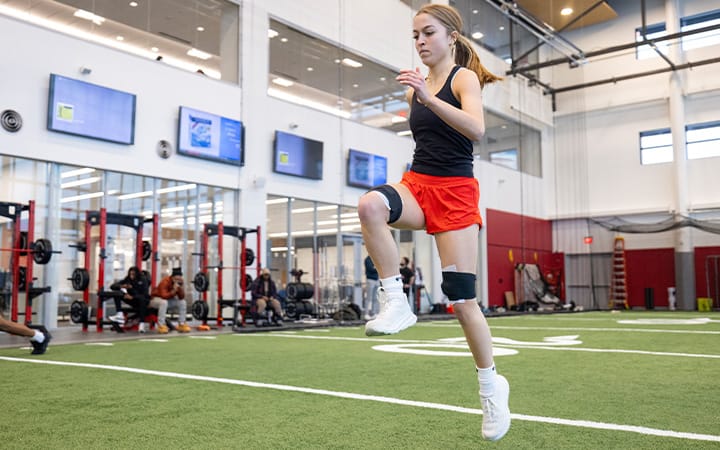
Wearables track key metrics like speed, distance, heart rate, and even fatigue levels. This data helps you see who’s pushing hard and who might need a break before injury strikes. Imagine knowing exactly when a player’s energy is dipping and adjusting your training plan to keep everyone in peak condition.
Data from wearables can also reveal patterns over time. You might spot that certain drills improve endurance or identify weak spots in defense. This lets you tailor workouts to your team’s unique needs, rather than guessing what might work.
Communication Enhancement
Effective communication can make or break a game. Wearable tech often includes features like in-ear audio devices or real-time messaging systems. These tools allow coaches to send quick instructions without shouting across the field, keeping your team agile and responsive.
During practice, players can receive instant feedback, helping them adjust positioning or tactics immediately. This reduces downtime and speeds up learning. Have you ever wished your team could hear your strategy clearly amidst the noise? Wearables make that possible.
Challenges And Limitations
Wearable technology offers many benefits for training, but it also faces challenges. These challenges can limit its effectiveness and acceptance. Understanding these issues helps improve future developments and user experience.
Data Privacy Concerns
Wearable devices collect a lot of personal data. This includes health, location, and activity details. Storing and sharing this sensitive information raises privacy risks. Users worry about who can access their data and how it is used. Strong security measures and clear privacy policies are necessary to build trust.
Device Accuracy
Accuracy is critical for training results. Some wearables may give incorrect or inconsistent data. Sensors can be affected by movement, placement, or skin type. Inaccurate data can lead to poor training decisions and frustration. Regular calibration and quality control improve device reliability.
User Engagement
Keeping users motivated is a challenge. Some find wearables uncomfortable or distracting. Others lose interest over time and stop using them. Simple designs and easy-to-understand feedback help maintain engagement. Regular updates and personalized goals can also encourage continued use.
Future Trends In Wearable Training Tech
Wearable technology is evolving fast, shaping the future of training. New tools will help trainers and learners gain deeper insights and improve performance. These innovations focus on making training more personal, accurate, and interactive.
Ai Integration
Artificial intelligence will make wearable devices smarter. AI can analyze data in real time to offer instant feedback. It helps create personalized training plans based on individual progress. AI-driven wearables will predict fatigue and suggest breaks. This leads to safer and more effective workouts.
Advanced Biometric Sensors
Next-gen sensors will track more body signals with higher accuracy. They will monitor heart rate, muscle activity, and even stress levels. These sensors provide detailed data to optimize training intensity. Trainers will understand physical limits better and prevent injuries. The data helps users improve recovery and endurance.
Virtual And Augmented Reality
VR and AR will add immersive experiences to wearable training tech. Users can practice skills in virtual settings that feel real. AR overlays useful information during workouts, like form tips and pace. This tech makes training engaging and easy to follow. It offers new ways to learn and stay motivated.

Credit: www.athleticlab.com
Frequently Asked Questions
How Does Wearable Technology Improve Training Efficiency?
Wearable technology tracks real-time data, allowing trainers to monitor performance instantly. This leads to faster adjustments and personalized training plans, enhancing overall efficiency.
What Types Of Wearable Devices Are Best For Training?
Popular wearable devices include fitness trackers, smartwatches, and heart rate monitors. These devices provide valuable metrics like steps, calories, and heart rate to optimize training sessions.
Can Wearable Technology Prevent Training Injuries?
Yes, wearable devices monitor movement patterns and physical strain. They help identify risky behaviors early, enabling users to modify activities and reduce injury risks during training.
How Does Wearable Technology Support Remote Training?
Wearables enable trainers and athletes to share data remotely. This allows real-time feedback and progress tracking without needing in-person sessions, making remote training more effective.
Conclusion
Wearable technology helps trainers track progress and improve skills. It gives real-time feedback to users during workouts. Trainers can adjust plans based on data from devices. This technology makes training more personal and effective. It also motivates users to stay active and focused.
Wearables are easy to use and fit into daily routines. They support both beginners and experienced athletes alike. Using wearables in training brings clear benefits for everyone. The future of training looks smarter and more connected.