How Can Wearable Technology Help Doctor to Patient Reliability: Boost Trust and Care
Imagine a world where doctors can monitor your health in real-time without you having to step foot in a clinic. This is not a distant dream but a present-day reality, thanks to wearable technology.
You might be wondering how these small devices, often no bigger than a wristwatch, can make such a significant impact. Well, they bridge the gap between you and your doctor, enhancing reliability and trust in your healthcare journey. As you read on, you’ll discover how wearable technology is revolutionizing the way doctors connect with patients like you, ensuring timely care and personalized attention.
Stay with us, and find out how these innovations are reshaping the doctor-patient relationship for the better.
Role Of Wearables In Healthcare
Wearable technology plays a vital role in modern healthcare. These devices help doctors get real-time data from patients. This data improves the accuracy of diagnosis and treatment. Wearables also increase trust between doctors and patients. Patients feel more confident when doctors monitor their health closely.
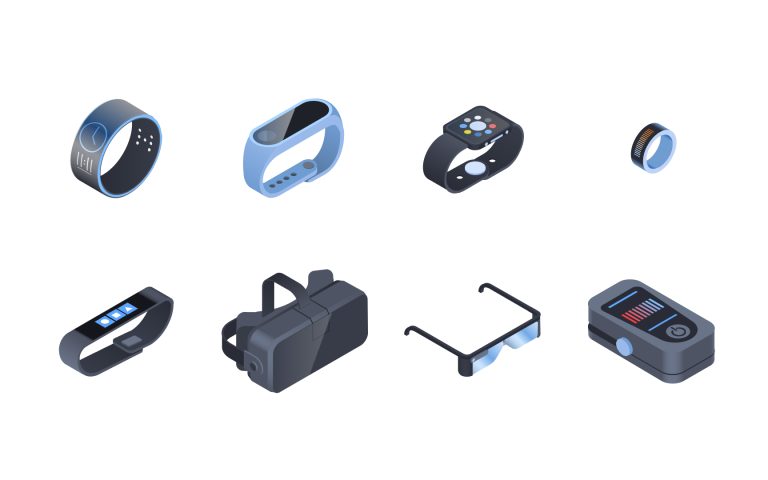
Types Of Wearable Devices
- Fitness trackers that measure steps, heart rate, and sleep patterns
- Smartwatches with health apps and alerts
- Wearable ECG monitors for heart rhythm tracking
- Continuous glucose monitors for diabetes management
- Wearable blood pressure monitors
- Smart patches that track vital signs and medication adherence
Data Collection And Monitoring
Wearables collect health data continuously and send it to doctors. This data helps identify health issues early. Doctors can monitor changes in real time without waiting for appointments.
Patients also get feedback on their health status. This encourages better self-care and lifestyle changes. Doctors can adjust treatments based on real data, improving patient outcomes.
Enhancing Doctor-patient Communication
Enhancing communication between doctors and patients is crucial for building trust and improving healthcare outcomes. Wearable technology plays a key role by providing continuous, accurate data and opening new channels for interaction. This technology bridges gaps, making conversations more informed and personalized.
Real-time Health Updates
Wearable devices collect health data like heart rate, sleep patterns, and activity levels constantly. This gives your doctor immediate access to your condition without waiting for the next appointment. Imagine your doctor adjusting your treatment plan based on real-time blood pressure readings you provide from home.
This instant flow of information helps catch potential health issues early. It also means you don’t have to explain everything from memory during visits. Instead, the data tells a clear story, making your discussions more focused and productive.
Remote Consultations And Feedback
Wearables enable doctors to monitor your health remotely, reducing the need for frequent office visits. You can have video calls where your doctor reviews your wearable data live and gives instant advice. This saves time and allows you to get medical guidance when you need it most.
Additionally, doctors can send personalized feedback based on your wearable data. They might recommend lifestyle changes or medication adjustments through secure messaging apps. This ongoing interaction helps you stay engaged and motivated in managing your health.
Building Trust Through Transparency
Building trust between doctors and patients is essential for effective healthcare. Wearable technology offers a new level of transparency that strengthens this bond. By sharing real-time health data openly, patients feel more confident and involved in their care.
Accurate Health Data Sharing
Wearable devices provide doctors with precise, continuous health information such as heart rate, sleep patterns, and activity levels. This direct data reduces guesswork and allows doctors to make better-informed decisions. When you see your doctor using your own health data, it removes doubts about the accuracy of diagnoses and treatments.
Imagine wearing a device that tracks your blood pressure daily and sends the results directly to your doctor. Instead of relying on your memory or occasional office visits, your doctor sees the full picture. This transparency helps you trust that your care is tailored specifically to your needs.
Patient Empowerment And Engagement
Wearables put you in control of your health by giving immediate feedback on your body’s signals. You can track progress, notice warning signs early, and communicate with your doctor more effectively. This active involvement encourages you to take ownership of your wellness journey.
When patients engage with their own health data, conversations with doctors become more meaningful. You can ask informed questions and discuss adjustments based on what the data shows. This two-way communication builds a partnership where trust naturally grows.
Improving Care Quality And Outcomes
Wearable technology is transforming how doctors connect with their patients, leading to better care quality and improved health outcomes. These devices provide continuous health data, allowing doctors to tailor treatments and catch potential issues early. The result? More reliable doctor-patient relationships built on real-time insights and personalized attention.
Personalized Treatment Plans
Wearables gather detailed information about your daily habits, heart rate, sleep patterns, and physical activity. Doctors can use this data to create treatment plans that fit your unique lifestyle and health needs.
Imagine a patient with diabetes wearing a glucose monitor that sends real-time updates to their doctor. This allows adjustments in medication before problems escalate, improving control and reducing complications.
How often do you feel your treatment plan truly reflects your daily reality? Wearables help close that gap by making your care more personal and responsive.
Early Detection And Prevention
Wearable devices can spot warning signs long before symptoms become obvious. This early detection empowers doctors to act quickly, preventing serious health events.
For example, a smartwatch detecting irregular heart rhythms can prompt immediate medical evaluation, potentially preventing a stroke or heart attack.
Would you prefer waiting for symptoms to appear or catching a problem early with a simple device on your wrist? Early prevention not only saves lives but also reduces healthcare costs and stress for you and your family.
Challenges And Considerations
Wearable technology offers many benefits for doctor-patient reliability. Yet, several challenges and key points need attention. These concerns affect trust, safety, and the overall success of wearable devices in healthcare.
Data Privacy And Security
Wearable devices collect sensitive health information. Protecting this data from breaches is critical. Patients must trust their information stays private and secure. Medical data leaks can cause serious harm to patients and providers.
Strong encryption and secure storage are essential. Devices should follow strict privacy laws and guidelines. Users need clear information about how their data is used and shared.
Device Accuracy And Reliability
Wearables must provide precise and consistent health measurements. Incorrect data can lead to wrong medical decisions. Device errors reduce confidence in technology and its benefits.
Regular updates and testing help maintain device performance. Calibration and quality control improve data accuracy. Doctors rely on trustworthy data to make proper treatments and diagnoses.
Future Trends In Wearable Healthcare
Wearable healthcare technology is evolving rapidly. New trends focus on better patient care and stronger doctor-patient trust. These devices collect real-time health data and offer insights that doctors can use quickly. This makes monitoring easier and more precise.
The future will bring smarter wearables that go beyond simple tracking. They will help manage diseases and predict health issues early. These tools support doctors in making informed decisions and patients in staying healthier.
Integration With Ai And Machine Learning
Artificial intelligence (AI) and machine learning (ML) will enhance wearable devices. These technologies analyze large sets of health data fast. They find patterns that humans might miss. This helps doctors understand patient conditions better.
Wearables will learn from each user’s data. They will predict health problems before symptoms appear. Doctors receive alerts about critical changes in patient health. This leads to faster treatment and fewer emergencies.
Expanded Applications In Chronic Disease Management
Wearables will play a bigger role in managing chronic diseases. Patients with diabetes, heart conditions, or asthma can use devices to track vital signs. This continuous monitoring helps catch problems early.
Doctors will get detailed reports from wearables. They can adjust treatments based on real data, not just occasional visits. Patients feel more supported and involved in their care. This improves trust and health outcomes.
Frequently Asked Questions
How Does Wearable Technology Improve Doctor-patient Reliability?
Wearable technology provides real-time health data, enhancing communication and monitoring. This accuracy builds trust and enables timely medical decisions, improving overall reliability between doctors and patients.
What Types Of Wearables Help Doctors Monitor Patients Remotely?
Common wearables include smartwatches, fitness trackers, and medical-grade devices. These collect vital signs like heart rate, oxygen levels, and activity, allowing doctors to track patient health remotely and intervene when necessary.
Can Wearables Reduce Hospital Visits For Chronic Patients?
Yes, wearables enable continuous monitoring, which helps detect issues early. This reduces emergency visits and hospital stays by allowing doctors to adjust treatments promptly based on real-time data.
How Do Wearables Support Personalized Patient Care?
Wearables gather individual health metrics that guide tailored treatment plans. Doctors use this data to customize medication, exercise, and lifestyle recommendations, improving patient outcomes and satisfaction.
Conclusion
Wearable technology helps doctors track patient health in real time. It builds trust through clear, ongoing communication. Patients feel more involved in their care process. Early detection of problems becomes easier and faster. This technology supports better decisions and treatment plans.
Both doctors and patients gain confidence and peace of mind. Small devices bring big benefits to healthcare today. Trust grows as health data stays transparent and accessible. Wearables create a stronger bond between doctor and patient. This leads to healthier outcomes and happier lives.