How Consumers Use Wearable Technology: Transforming Everyday Life
Imagine a world where your watch not only tells time but also tracks your heart rate, counts your steps, and even monitors your sleep. This is not a glimpse into the future; it’s happening right now with wearable technology.
You might already own one of these smart devices or are considering getting one. But have you ever wondered how these gadgets are transforming the way you live? We’ll dive into the fascinating ways consumers like you are using wearable technology.
From improving your health to enhancing your productivity, these devices are becoming an integral part of everyday life. As you read on, you’ll discover how wearables can empower you to make smarter, more informed decisions about your wellbeing. Whether you’re a tech enthusiast or just curious about the latest trends, this exploration of wearable technology will show you how it can be a game-changer in your daily routine. Ready to unlock the potential of wearables? Let’s get started!
Wearable Tech Trends
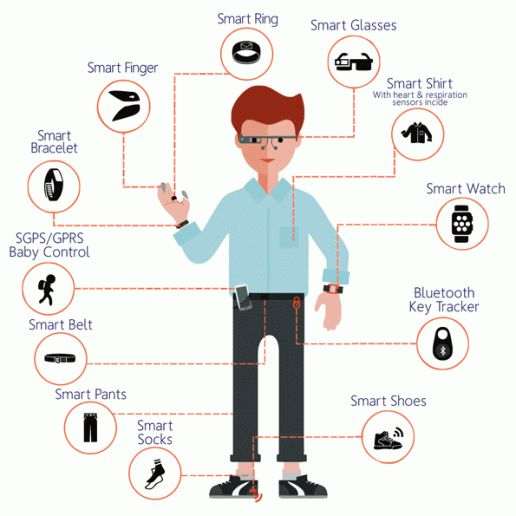
Wearable technology continues to change how you manage daily tasks, health, and entertainment. Its trends show what devices you might want to try next and how millions like you are adopting these gadgets. Understanding these trends helps you make smarter choices about which wearable tech fits your lifestyle.
Popular Devices Today
Smartwatches top the list of wearable devices, offering everything from fitness tracking to notifications right on your wrist. Brands like Apple, Samsung, and Fitbit are household names, each adding unique features that make your day easier.
Fitness bands remain popular for those focused on health, helping you monitor steps, heart rate, and sleep quality without breaking the bank. Meanwhile, wireless earbuds with smart assistants are gaining traction, blending convenience and entertainment seamlessly.
- Smartwatches with ECG and blood oxygen monitoring
- Fitness trackers with advanced sleep analysis
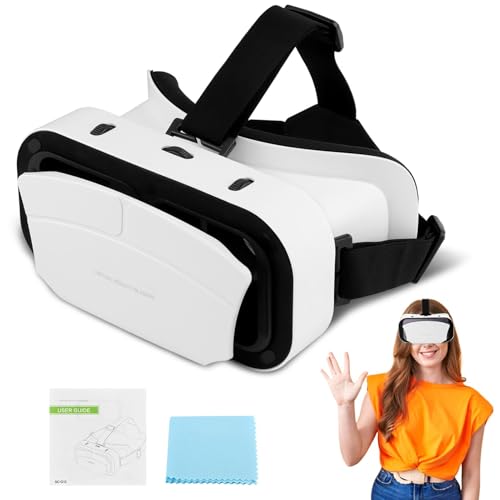
- Smart glasses for hands-free notifications and augmented reality
- Wearable cameras and health sensors for specialized uses
Growth In User Adoption
More people than ever are wearing technology daily. The reason? Devices are becoming more affordable and easier to use, fitting naturally into your routine.
Consider how many times you check your smartwatch or fitness band each day without thinking. This habit grows because these gadgets offer immediate, useful data that motivates you to stay active and connected.
What if your next wearable could predict health issues before symptoms appear? Many companies are working on this, making the future of wearable tech both exciting and practical for you.
Health And Fitness Benefits
Wearable technology has become a powerful tool for improving health and fitness. These devices do more than just count steps; they provide detailed insights that help you understand your body better. By using wearables, you can make smarter choices that directly impact your well-being.
Activity Tracking Features
Wearables track your daily movements like walking, running, and even standing. This data helps you see how active you really are each day. Many users find that simply seeing their step count motivates them to move more.
Some devices offer personalized goals based on your activity level. Have you noticed how setting small, achievable targets keeps you engaged? This feedback loop encourages steady progress without overwhelming you.
Monitoring Vital Signs
Your wearable can measure vital signs such as heart rate, sleep patterns, and blood oxygen levels. Monitoring these metrics helps you spot potential health issues early. For instance, a sudden change in heart rate might signal stress or illness.
Tracking sleep quality is another vital benefit. Better sleep improves mood, focus, and overall health. Have you ever checked your sleep data and realized you need to adjust your bedtime routine?
Encouraging Healthy Habits
Wearables often remind you to hydrate, take breaks, or practice mindfulness. These prompts can help build habits that are easy to forget during a busy day. You might find yourself drinking more water or stretching regularly without even thinking about it.
Many devices connect with apps that offer challenges and rewards. This social aspect can boost your motivation by turning health into a fun, shared experience. How could a simple nudge from your device change your daily routine for the better?
Enhancing Communication
Wearable technology helps people stay connected easily. It changes how users communicate by offering new ways to share and receive information. This tech fits on the body, making communication quick and simple. It keeps users linked to their digital world without needing to hold a device.
Seamless Connectivity
Wearables connect to phones, computers, and the internet without hassle. Users get messages, calls, and notifications instantly. This connection works everywhere, at home or outside. Devices sync smoothly, so users never miss important updates. It creates a constant link to friends and work.
Hands-free Interaction
Voice commands and gestures control wearable devices easily. Users talk or move their hands to send texts or answer calls. This leaves hands free for other tasks. It suits busy moments like driving or cooking. Wearables also help with quick replies without stopping activities.
Boosting Productivity
Wearable technology has become a powerful tool to enhance productivity in daily life. By keeping you connected and organized, these devices help you stay focused and on track without constant distractions. Let’s look at how smart notifications and task management tools on wearables boost your efficiency.
Smart Notifications
Smart notifications allow you to receive important alerts directly on your wrist. This means you can quickly see if a message or call requires immediate attention without pulling out your phone. It’s like having a personal assistant filtering your interruptions.
Imagine you’re in a meeting, and your watch buzzes with a reminder about a deadline coming up. You stay aware without breaking your concentration. You control which notifications come through, so only the most relevant updates reach you.
Does getting fewer, more targeted alerts help you focus better? Many users report less stress and more control over their time thanks to this feature.
Task Management Tools
Wearables often include apps that help you manage your to-do lists and calendar events. You can quickly add tasks using voice commands or tap through your schedule to see what’s next. This instant access keeps your day organized no matter where you are.
For example, you can receive reminders to take breaks, attend meetings, or complete tasks, all without digging through your phone or computer. This seamless task management reduces the chances of forgetting important duties.
How often do you lose track of tasks because your tools aren’t easily accessible? Using your wearable as a mini productivity hub can keep your goals front and center throughout the day.
Entertainment And Lifestyle
Wearable technology has become a key part of entertainment and lifestyle. These devices offer easy access to music, videos, and games. They fit smoothly into daily routines, making entertainment more personal and convenient.
Music And Media Access
Wearables let users listen to music without carrying phones. Smartwatches and earbuds connect to streaming apps instantly. This allows quick switching between playlists or podcasts. Users enjoy hands-free control with simple taps or voice commands. This freedom makes workouts, walks, or chores more enjoyable. Media access is fast, so users never miss a beat.
Personalized Experiences
Wearables track user preferences and habits continuously. This data helps create tailored music or video recommendations. Devices learn favorite genres and suggest new content accordingly. Notifications can alert users to live events or new releases. Personalization enhances engagement and keeps entertainment fresh. Users feel more connected to their devices and content choices.
Privacy And Security Concerns
Wearable technology collects a lot of personal data every day. This raises important privacy and security concerns for users. Many people worry about how their data is stored and shared. Trust in these devices depends on strong protection and clear user control.
Data Protection Challenges
Wearables gather sensitive information like heart rate and location. This data needs strong protection to prevent hacks. Many devices use encryption to keep information safe. Still, some wearables lack updated security measures. This puts users at risk of data theft or misuse.
Manufacturers must improve security standards continuously. Regular software updates help fix vulnerabilities. Users should choose devices from brands with strong privacy policies.
User Control Over Information
Consumers want clear options to manage their data. They should control what information is collected and shared. Most wearables offer settings for privacy preferences. Users can limit data sharing with third parties or apps.
Transparency is key. Companies should explain how they use data in simple terms. Easy-to-use controls empower users to protect their privacy. Without control, many users feel uneasy about using wearables.
Future Innovations
The future of wearable technology holds exciting possibilities. Innovations will push the limits of what these devices can do. Consumers will experience smarter, more useful gadgets every day.
Emerging Technologies
New sensors will track health with greater accuracy. Flexible displays will make wearables thinner and lighter. Artificial intelligence will personalize data and advice. Energy harvesting methods will extend battery life. Virtual and augmented reality will blend digital and real worlds.
Potential Impact On Daily Life
Wearables will help monitor health continuously. Early detection of illnesses will become easier. Fitness tracking will adjust to personal goals automatically. Smart clothing will change how people dress and move. Communication will be more natural and hands-free. Workplaces may use wearables to boost safety and productivity.
Frequently Asked Questions
How Do Consumers Benefit From Wearable Technology?
Consumers gain real-time health insights and activity tracking. Wearables improve fitness, monitor vital signs, and enhance daily convenience through notifications and apps.
What Are Common Uses Of Wearable Devices?
Wearables are used for fitness tracking, health monitoring, sleep analysis, and contactless payments. They also assist in navigation and communication.
How Does Wearable Technology Improve Health Management?
Wearables track heart rate, sleep quality, and physical activity. This data helps users manage chronic conditions and maintain healthier lifestyles.
Are Wearable Devices Secure For Personal Data?
Most wearables use encryption and secure connections. Users should update software regularly and manage app permissions for better security.
Conclusion
Wearable technology helps people track health and stay active daily. It also connects users to important information quickly and easily. Many enjoy the convenience of hands-free communication and fitness monitoring. These devices fit into different lifestyles and needs. As technology grows, more users will find new ways to benefit.
Wearables are becoming part of everyday life for many. Simple tools that help people live better and stay informed. The future of wearables looks bright and full of promise.