How Do Toxin Antitoxin Systems Contribute to Plasmid Maintenance: Key Insights
Have you ever wondered how tiny genetic elements like plasmids manage to stick around inside bacteria, even when they don’t seem to offer an obvious benefit? The secret lies in a clever survival trick called toxin-antitoxin systems.
These systems act like a hidden security guard inside bacterial cells, ensuring plasmids are not easily lost. If you want to understand how this biological strategy works and why it matters for everything from antibiotic resistance to biotechnology, keep reading.
This article will break down how toxin-antitoxin systems help plasmids stay put, using simple terms and clear examples you can easily grasp. Your understanding of microbial survival is about to get a whole lot clearer.
Toxin-antitoxin Systems Explained
Toxin-Antitoxin (TA) systems are fascinating genetic modules found on plasmids and chromosomes of bacteria. They play a crucial role in plasmid maintenance by ensuring that plasmids are not easily lost during cell division. But how exactly do these systems work, and why are they so effective at keeping plasmids within bacterial populations?
Understanding TA systems starts with recognizing their two main components: a toxin and its corresponding antitoxin. The toxin is a stable protein that can harm or kill the bacterial cell, while the antitoxin is less stable and neutralizes the toxin’s harmful effects as long as the plasmid is present.
Imagine you have a bacterial cell carrying a plasmid with a TA system. If the plasmid is lost during cell division, the antitoxin quickly degrades, leaving the toxin free to act. This leads to the death or growth arrest of plasmid-free cells, effectively selecting for bacteria that retain the plasmid. It’s like a built-in survival mechanism for the plasmid, but how does this work in detail?
Toxin Components And Their Functions
The toxin part of TA systems is usually a protein that targets vital cellular processes. Some toxins interfere with DNA replication, others block protein synthesis, and a few disrupt the cell membrane. This diversity allows toxins to ensure plasmid maintenance through different mechanisms, depending on the bacterial species and environment.
What’s interesting is that toxins are generally stable, meaning they stick around in the cell for a long time, ready to act if the antitoxin disappears. This stability is key to the system’s effectiveness.
Antitoxin Components And Their Roles
The antitoxin is often less stable than the toxin and can be either a protein or RNA molecule. Its main job is to bind the toxin and neutralize it, preventing it from harming the host cell. However, because it degrades quickly, the antitoxin must be constantly produced from the plasmid.
If the plasmid is lost, antitoxin production stops, and the existing antitoxin molecules degrade rapidly. This leaves the toxin unchecked, triggering cell death or dormancy. This clever balance ensures only plasmid-carrying cells thrive.
| Type | Toxin Nature | Antitoxin Nature | Mechanism |
|---|---|---|---|
| Type I | Protein | Small RNA | Antisense RNA inhibits toxin mRNA translation |
| Type II | Protein | Protein | Antitoxin binds toxin protein to neutralize |
| Type III | Protein | RNA | RNA directly binds toxin protein |
Type II systems are the most studied and are often found on plasmids responsible for antibiotic resistance. This raises a practical question: could targeting these systems help combat antibiotic resistance?
How Ta Systems Secure Plasmid Inheritance
- The plasmid continuously produces antitoxin to keep the toxin in check.
- If the plasmid is lost during cell division, antitoxin levels drop quickly.
- The stable toxin then kills or inhibits the plasmid-free daughter cell.
- This process ensures only plasmid-containing cells survive and multiply.
Understanding this mechanism can help you appreciate the evolutionary advantage plasmids have. It also points to a way bacteria maintain traits like antibiotic resistance and virulence factors, which often reside on plasmids.
Types Of Toxin-antitoxin Systems
Toxin-antitoxin (TA) systems play a vital role in plasmid maintenance by controlling cell survival. These systems consist of a toxin and its matching antitoxin. Different types of TA systems use various molecules and mechanisms to protect plasmids. Understanding these types helps explain how bacteria regulate plasmid inheritance.
Type I Systems
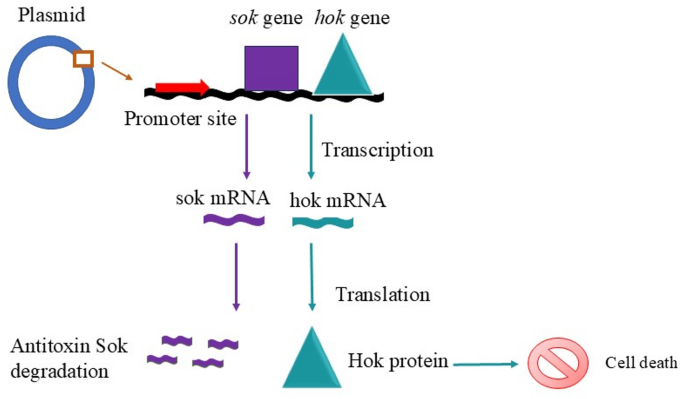
Type I systems use small RNA molecules as antitoxins. These RNAs bind to toxin messenger RNA (mRNA) and stop toxin production. The toxin is usually a small protein that disrupts the cell membrane. This system works by preventing toxin synthesis rather than directly blocking toxin activity.
Type Ii Systems
Type II systems have both toxin and antitoxin as proteins. The antitoxin binds directly to the toxin and stops its harmful effects. These systems are the most studied. They often control cell growth by targeting essential processes such as DNA replication or protein synthesis.
Type Iii Systems
Type III systems use RNA antitoxins that bind directly to the toxin protein. This binding blocks the toxin’s activity. Unlike Type I, the RNA in Type III interacts with the toxin protein, not the mRNA. This system provides a quick response to toxin activation.
Type Iv Systems
Type IV systems differ by not binding toxin and antitoxin together. Instead, the antitoxin protects the toxin’s target inside the cell. The toxin damages a cellular component, and the antitoxin stabilizes it to prevent harm. This indirect interaction helps maintain plasmids safely.
Type V Systems
Type V systems involve an antitoxin that is an enzyme. This enzyme degrades the toxin’s mRNA. By removing the toxin’s message, the antitoxin prevents toxin production. This system acts quickly to control toxin levels inside the cell.
Mechanism Of Action
The mechanism of action behind toxin-antitoxin (TA) systems plays a crucial role in how plasmids maintain themselves within bacterial cells. These systems act like a molecular safeguard, ensuring that plasmids are not lost during cell division. Understanding how toxins and antitoxins interact gives you insight into this self-preserving strategy.
Toxin Inhibition
The toxin component is a stable protein that can disrupt essential cellular processes, often by interfering with DNA replication or protein synthesis. Its persistence means that if a plasmid is lost, the toxin remains active and can kill or inhibit the host cell.
Think about it like a hidden trap that activates only when the plasmid disappears. This ensures that only cells retaining the plasmid survive, which keeps the plasmid population stable.
Antitoxin Neutralization
The antitoxin is usually less stable and can be a protein or RNA molecule. It binds directly to the toxin, neutralizing its harmful effects as long as the plasmid is present.
As you manage your bacterial culture, remember that the antitoxin’s short lifespan means it needs constant production from the plasmid. If the plasmid is lost, antitoxin levels drop rapidly, allowing the toxin to act.
Have you ever wondered why some plasmids are so stubbornly maintained? The balancing act between toxin inhibition and antitoxin neutralization is the secret behind their persistence.
Role In Plasmid Stability
Toxin-antitoxin (TA) systems play a crucial role in maintaining plasmid stability within bacterial populations. These systems act as a safeguard, ensuring that plasmids are not easily lost during cell division. Understanding how TA systems contribute to plasmid stability can help you appreciate their importance in genetic maintenance and bacterial survival.
Prevention Of Plasmid Loss
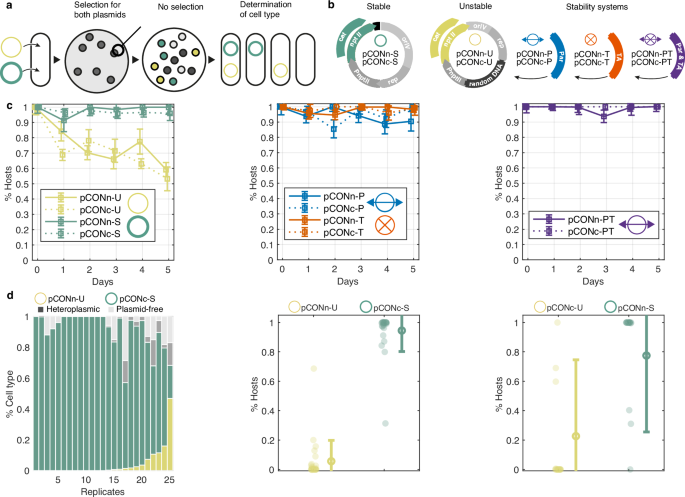
TA systems prevent plasmid loss by killing or inhibiting cells that lose the plasmid. When a bacterial cell divides, if one daughter cell fails to inherit the plasmid, the stable toxin persists longer than the antitoxin. This imbalance causes the toxin to disrupt vital cellular processes, leading to cell death or growth arrest.
This mechanism, often called post-segregational killing, effectively ensures only plasmid-containing cells survive. Have you noticed how this creates a kind of “plasmid addiction”? It forces the bacteria to keep the plasmid, making the TA system a clever survival strategy.
Ensuring Host Cell Survival
Interestingly, TA systems also help the host cell survive under stress. The toxin’s activity can slow down cell growth temporarily, putting the cell in a dormant state. This pause can protect the cell from harsh conditions, such as antibiotic exposure or nutrient limitation.
By stabilizing the plasmid and offering a survival advantage, TA systems increase the chances that both the plasmid and its host will persist. Would you consider TA systems as both a safeguard and a survival tool? This dual role makes them fascinating targets for research and biotechnology applications.
Impact On Bacterial Populations
The impact of toxin-antitoxin (TA) systems on bacterial populations goes beyond just maintaining plasmids. These systems influence how bacteria react to stress and how fit they remain in changing environments. Understanding this impact can help you grasp why certain bacterial strains survive and thrive better than others.
Stress Response
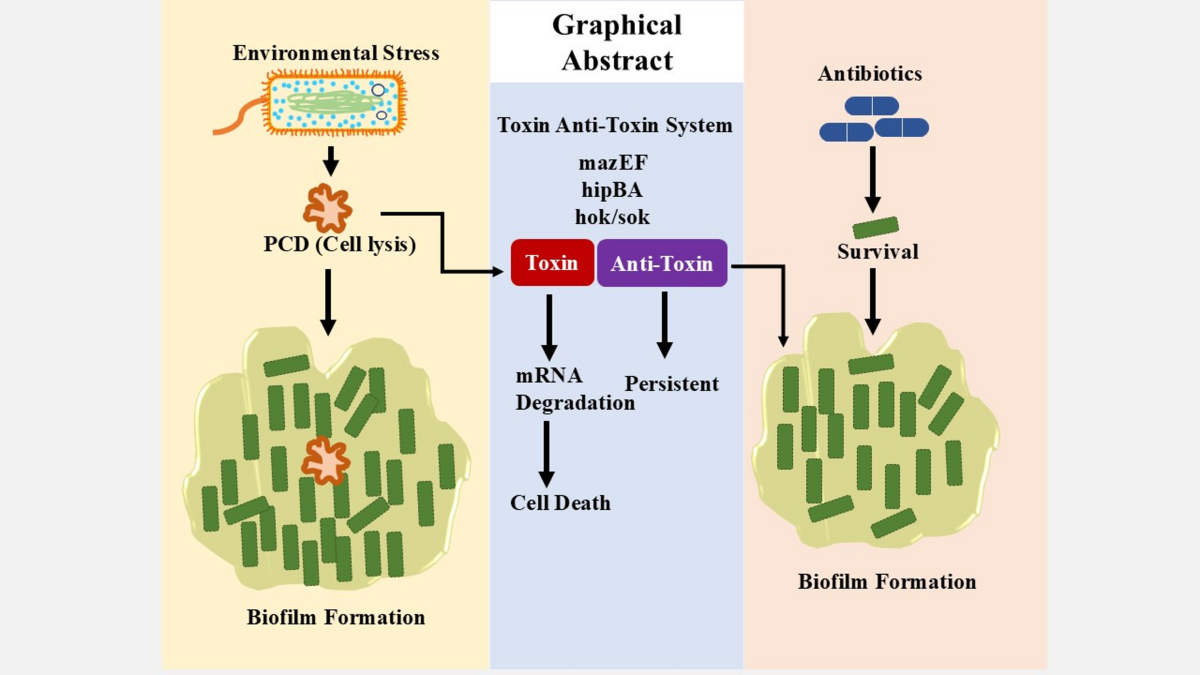
TA systems activate when bacteria face tough conditions like antibiotic exposure or nutrient shortage. The toxin slows down or stops cell growth, giving the bacteria time to adjust and survive. This pause can prevent cell death, helping the population endure until conditions improve.
Imagine a group of bacteria exposed to antibiotics. Those with active TA systems can manage the stress better by entering a dormant state. Without this system, many cells would die quickly, reducing the overall population.
Cellular Fitness
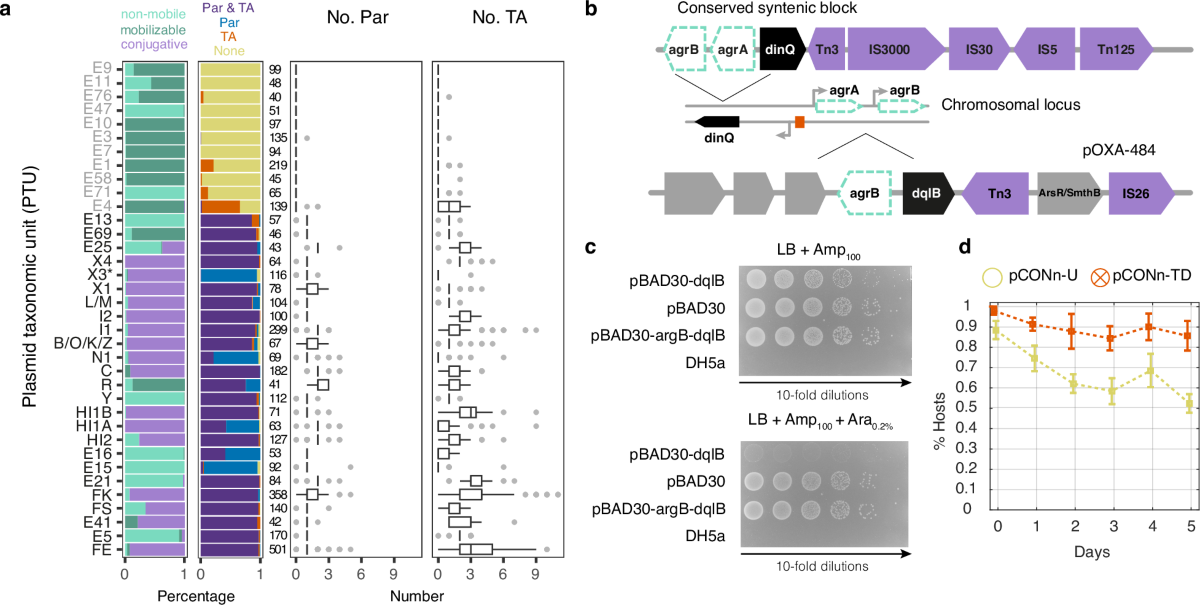
TA systems help maintain plasmids, which often carry useful genes like antibiotic resistance. By keeping these plasmids, bacteria gain advantages that improve their survival chances. This makes the population stronger and more adaptable over time.
However, maintaining plasmids also uses energy. Bacteria balance this cost by using TA systems to ensure only cells with plasmids thrive. This selective survival means your bacterial population stays fit without wasting resources on weaker members.
Credit: www.nature.com
Applications In Biotechnology
Toxin-antitoxin (TA) systems play a crucial role in biotechnology by ensuring plasmid stability. These systems help maintain plasmids inside bacterial cells, which is vital for many biotechnological processes. Scientists use TA systems to improve genetic tools and develop new antimicrobial methods. Their unique mechanism offers practical benefits in various applications.
Genetic Engineering
TA systems help keep plasmids stable in genetically engineered bacteria. Plasmids often carry useful genes for producing proteins or enzymes. Without a maintenance system, bacteria may lose plasmids, reducing efficiency.
By linking toxin and antitoxin genes to the plasmid, only bacteria with the plasmid survive. This natural selection avoids the need for antibiotics to maintain plasmids.
- Improves consistency in protein production
- Reduces costs by avoiding antibiotic use
- Supports large-scale bioprocessing
Using TA systems makes genetic engineering more reliable and scalable.
Antimicrobial Strategies
TA systems offer new ways to combat harmful bacteria. Scientists explore activating toxins to kill bacteria selectively. This approach targets pathogens without harming beneficial microbes.
Engineered TA modules may serve as a bacterial “self-destruct” switch. This method can reduce antibiotic resistance by offering an alternative treatment.
- Targets drug-resistant bacteria
- Reduces reliance on traditional antibiotics
- Limits spread of infections in clinical settings
TA systems provide promising tools in the fight against infectious diseases.
Challenges And Controversies
Toxin-antitoxin systems play a key role in plasmid maintenance. Yet, they bring certain challenges and spark debates among scientists and ethicists. Understanding these issues is crucial for responsible research and application.
Potential Risks
Toxin-antitoxin systems can cause unintended harm to bacterial populations. They may trigger cell death in non-target bacteria, disrupting ecosystems.
There is a risk of horizontal gene transfer spreading toxin genes to other bacteria. This could increase antibiotic resistance or virulence.
Uncontrolled activation of toxins may lead to bacterial persistence, making infections harder to treat. These risks demand careful control and monitoring in experiments.
Ethical Considerations
Using toxin-antitoxin systems raises ethical questions about genetic manipulation. The balance between benefits and potential harm is often unclear.
Researchers must consider the impact on natural microbial communities. Altering plasmid stability could affect ecological balance.
Transparency and safety protocols are essential to address public concerns. Ethical debates focus on long-term consequences and responsible use of this technology.
Credit: link.springer.com
Future Research Directions
Understanding how toxin antitoxin systems contribute to plasmid maintenance opens doors to many exciting research possibilities. Scientists are eager to push the boundaries of what these systems can do, especially in medicine and biotechnology. Your curiosity about their future could lead to innovative breakthroughs that change how we tackle bacterial infections or engineer microbes.
Innovative Therapeutic Uses
Toxin antitoxin systems hold promise beyond just keeping plasmids stable—they could become powerful tools against antibiotic-resistant bacteria. Imagine designing drugs that trigger toxin activation only in harmful bacteria, leaving beneficial microbes untouched. This selective approach could reduce side effects and slow resistance development.
Researchers are also considering ways to use these systems to control bacterial populations in the human body. Could we one day treat infections by flipping the toxin switch on? The challenge lies in precisely targeting pathogens without harming your natural microbiome.
Advanced Genetic Tools
These systems can serve as reliable genetic switches in synthetic biology. Scientists can use toxin antitoxin modules to maintain plasmids in engineered bacteria without relying on antibiotics, which is safer and more sustainable.
Imagine programming bacteria to perform specific tasks, like cleaning up pollutants or producing medicines, and ensuring they keep the necessary genes active. How might you use such precise control in your own research or projects? The ability to maintain plasmids stably over many generations could transform how we design living systems.
- Improved gene editing techniques using toxin antitoxin systems
- Development of biosensors that activate toxins in response to environmental cues
- Creation of self-regulating microbial factories for industrial use
Credit: link.springer.com
Frequently Asked Questions
What Are Toxin-antitoxin Systems In Plasmids?
Toxin-antitoxin systems are genetic modules in plasmids. They produce a stable toxin and a less stable antitoxin. This balance ensures plasmid retention by killing cells that lose the plasmid, aiding plasmid maintenance in bacterial populations.
How Do Toxin-antitoxin Systems Maintain Plasmid Stability?
These systems maintain plasmid stability by killing plasmid-free cells. The toxin kills cells lacking the antitoxin, which is encoded on the plasmid. This selective pressure ensures only plasmid-containing cells survive, promoting plasmid maintenance over generations.
Why Are Toxin-antitoxin Systems Important In Bacterial Survival?
Toxin-antitoxin systems help bacteria survive under stress. They regulate growth, induce dormancy, and prevent plasmid loss. This increases bacterial fitness and plasmid persistence, enhancing adaptability and survival in diverse environments.
Can Toxin-antitoxin Systems Affect Antibiotic Resistance?
Yes, toxin-antitoxin systems stabilize plasmids carrying antibiotic resistance genes. By maintaining these plasmids, they indirectly promote the spread and persistence of antibiotic resistance in bacterial populations.
Conclusion
Toxin-antitoxin systems help keep plasmids inside bacteria. They do this by killing cells that lose plasmids. This ensures plasmids stay in the population. Plasmids often carry useful genes, like those for antibiotic resistance. So, these systems help bacteria survive tough conditions.
Understanding this process can aid science and medicine. It shows how bacteria protect their genetic tools. This knowledge may help develop new treatments. The role of toxin-antitoxin systems is simple but vital. They act as guardians for plasmid maintenance.