
Have you ever wondered why machines, gadgets, and tools around you keep working smoothly day after day? The secret lies in something called maintenance.
Understanding what maintenance means in basic technology can save you time, money, and frustration. Whether you use a simple appliance or complex equipment, knowing how to care for it properly makes all the difference. You’ll discover exactly what maintenance is, why it matters, and how it can help you keep your technology running at its best.
Keep reading—you’ll soon see how a little knowledge can go a long way in protecting your valuable devices.
Credit: us.norton.com
Definition Of Maintenance
Maintenance is an important part of basic technology. It keeps machines and tools working well. Without regular care, devices can break down or stop working efficiently.
Maintenance involves tasks to keep equipment in good condition. It helps prevent problems and extends the life of machines. Knowing what maintenance means helps users take better care of their tools.
What Is Maintenance?
Maintenance means doing work to keep something in good shape. It includes fixing, cleaning, and checking machines or tools. The goal is to avoid breakdowns and ensure smooth operation.
- Preventive Maintenance: Regular checks and service to stop problems.
- Corrective Maintenance: Repairs done after a fault happens.
- Predictive Maintenance: Using data to predict when repairs are needed.
Why Maintenance Is Important
Maintenance saves money by avoiding big repairs. It improves safety by keeping equipment reliable. It also increases the life of machines and tools.
Types Of Maintenance
Maintenance plays a key role in keeping technology and machines running smoothly. Understanding different types of maintenance helps you decide the best way to care for your tools and equipment. Each type has its unique approach and benefits, which can save you time, money, and frustration.
Preventive Maintenance
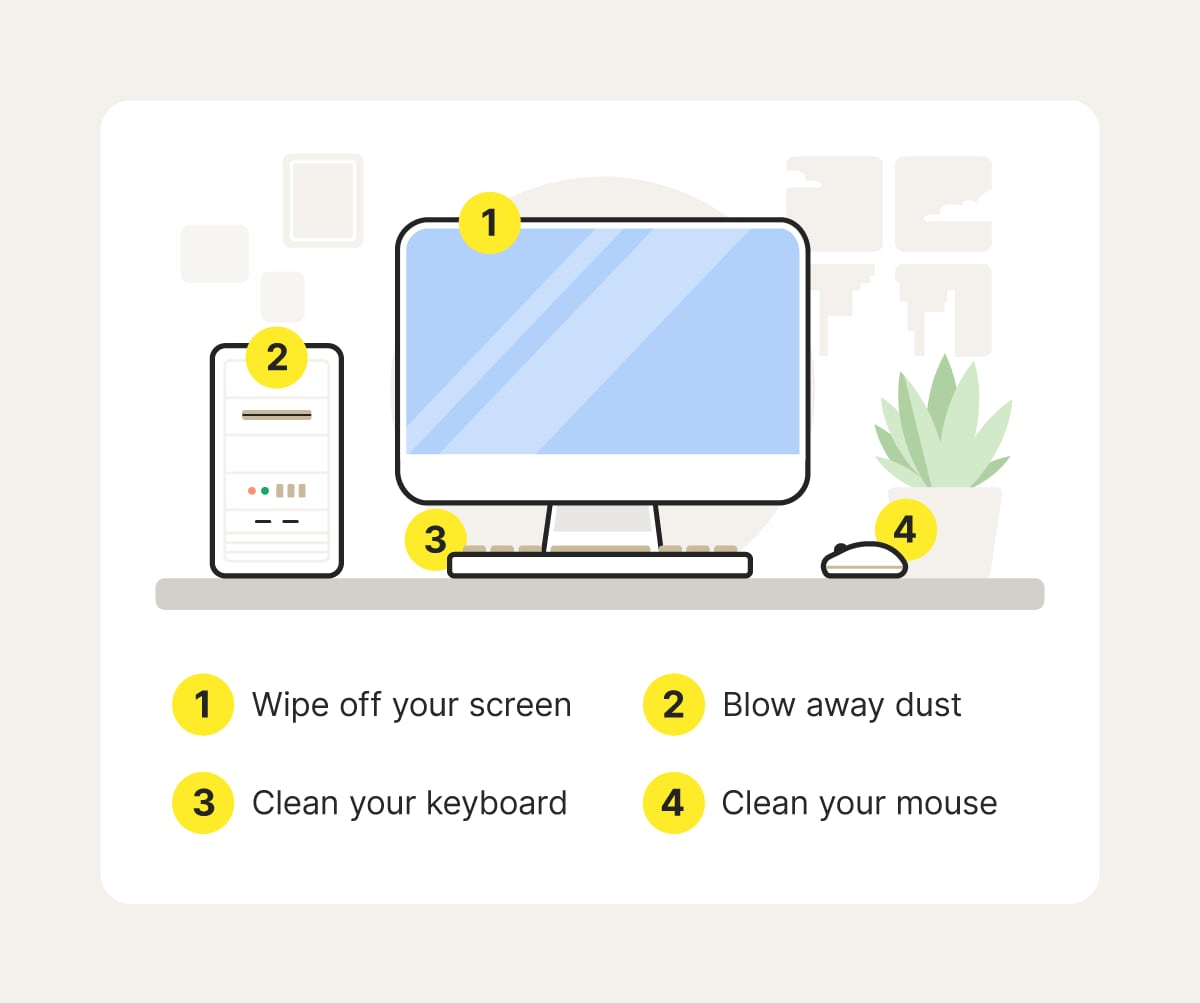
Preventive maintenance means taking action before problems occur. You regularly check and service your equipment to avoid breakdowns. For example, changing the oil in a car or cleaning dust from a computer fan keeps things working longer.
This type of maintenance is like giving your tools a regular health check-up. It may seem time-consuming, but it stops small issues from turning into costly repairs. What small task can you add to your routine to prevent bigger problems?
Corrective Maintenance
Corrective maintenance happens after something breaks or stops working. You fix or replace parts to restore the equipment’s function. Imagine your smartphone screen cracks—you repair it to get it back to normal.
This approach is reactive and can be expensive if problems are serious. However, it’s sometimes unavoidable when unexpected issues appear. Have you noticed how waiting too long to fix something often leads to bigger headaches?
Predictive Maintenance
Predictive maintenance uses data and technology to predict when a machine might fail. Sensors and software monitor equipment condition in real-time, alerting you before trouble starts. Think of it as having a weather forecast for your machines.
This method helps you plan repairs exactly when needed, reducing downtime and costs. While it requires investment in technology, the long-term savings can be significant. Could using data to anticipate problems change how you maintain your technology?
Importance Of Maintenance
Maintenance plays a crucial role in Basic Technology by keeping machines and equipment in good working order. Without regular care, tools break down faster, causing delays and extra expenses. Understanding the importance of maintenance helps you avoid these problems and ensures smooth operation.
Enhancing Equipment Longevity
Regular maintenance extends the life of your equipment. Simple actions like cleaning, lubricating, and checking parts prevent wear and tear. You might think replacing a worn belt is a small task, but it can stop bigger breakdowns that shorten a machine’s lifespan.
Have you ever noticed how a well-maintained bicycle rides smoother and lasts longer? The same idea applies to industrial tools and machines. Taking care of equipment regularly means you get the most value from your investment.
Reducing Operational Costs
Ignoring maintenance can lead to expensive repairs or total equipment failure. Fixing a small problem early saves you from costly downtime and emergency repairs later. It also helps avoid wasting materials and energy, which add up to higher bills.
Think about your car: skipping oil changes might save money now but could cause engine damage that costs thousands. The same principle works in technology—investing a little time and money in maintenance reduces your overall expenses.
Ensuring Safety And Compliance
Maintenance is key to keeping machines safe for use. Faulty equipment can cause accidents, risking injuries or worse. Regular checks make sure everything works properly and meets safety regulations.
If you manage a workshop or factory, safety inspections and maintenance are not just good practice—they are often required by law. Protecting yourself and others by maintaining your tools is a responsibility you cannot overlook.
Basic Maintenance Tools
Basic maintenance tools are essential for keeping machines and equipment in good shape. These tools help fix problems, clean parts, and prevent damage. Knowing about different types of tools makes maintenance easier and safer.
Hand Tools
Hand tools are simple, manual devices used for small repairs and adjustments. They do not need electricity or batteries. Common hand tools include:
- Screwdrivers for tightening or loosening screws
- Wrenches for gripping and turning nuts and bolts
- Pliers for holding, bending, or cutting wires
- Hammers for driving nails or breaking objects
- Files for smoothing rough edges
These tools are easy to carry and use. They work well for many basic tasks.
Power Tools
Power tools use electricity or batteries to perform tasks faster. They save time and effort. Examples of power tools are:
- Drills for making holes
- Electric screwdrivers for quick screw fixing
- Grinders for cutting or polishing surfaces
- Saws for cutting wood or metal
Power tools need careful handling and safety gear. They are useful for bigger or tougher jobs.
Diagnostic Tools
Diagnostic tools help find problems in machines or systems. They show where repairs are needed. Common diagnostic tools include:
- Multimeters for measuring voltage, current, and resistance
- Pressure gauges for checking fluid or air pressure
- Thermometers for measuring temperature
- Inspection cameras for viewing hard-to-see areas
These tools improve accuracy in maintenance work. They reduce guesswork and save time.
Steps In Maintenance Process
The maintenance process involves several clear steps to keep technology working well. Each step plays a key role in avoiding breakdowns and ensuring smooth operation. Following these steps helps save time and cost on repairs.
Inspection And Assessment
Inspection means checking the equipment carefully. Look for signs of damage, wear, or parts that may fail soon. Assessment helps identify what needs fixing or replacing. This step sets the foundation for all maintenance work.
Planning And Scheduling
Planning decides what actions to take based on the inspection. It includes choosing the right tools and materials for repair. Scheduling sets the date and time for maintenance tasks. Good planning prevents delays and avoids overlapping with other work.
Execution And Documentation
Execution is the actual repair or upkeep work. It must follow safety rules and correct procedures. Documentation records what was done, parts used, and the time spent. This record helps track maintenance history for future reference.

Credit: safetyculture.com
Common Challenges
Maintenance in Basic Technology comes with its own set of challenges that can disrupt your workflow and drain resources. Recognizing these common obstacles helps you prepare better and respond faster. Let’s look at some issues you might face during maintenance and ways to tackle them effectively.
Resource Allocation
One major challenge is deciding where to put your limited resources—time, money, and manpower. You might have multiple systems needing attention, but not enough hands or budget to cover everything promptly. This often forces tough choices about what gets priority.
Imagine managing a small workshop where the computer system and machinery both require regular checks. Spending too much on one means neglecting the other, which can lead to bigger breakdowns. You need a clear plan to balance resources and avoid costly surprises.
Skill Gaps
Not everyone on your team may have the right skills for every maintenance task. This mismatch can slow down repairs or cause errors that make problems worse. It’s frustrating when you know the fix but lack the know-how to apply it properly.
Training helps, but it takes time and money that might not always be available. You might find yourself asking: How can I ensure my team stays updated without disrupting daily operations? Sometimes, outsourcing specific tasks or using simple, user-friendly tools can bridge the gap.
Unexpected Downtime
Even the best maintenance plans can’t prevent sudden breakdowns. Unexpected downtime halts production and wastes valuable hours, affecting your entire schedule. It’s a challenge to predict when something will fail, especially with older or heavily used equipment.
Have you ever experienced a machine stopping right in the middle of a critical project? Those moments highlight the need for quick troubleshooting skills and backup plans. Preparing for downtime means having spare parts ready and a team trained to respond fast.
Future Trends In Maintenance
The future of maintenance in basic technology is changing fast. New tools and ideas make machines last longer and work better. These trends help save time and money. They also keep systems safe and efficient. Understanding these future trends helps everyone stay prepared for what comes next.
Automation And Robotics
Robots and machines are doing more maintenance tasks now. They work without breaks and make fewer mistakes. Automation helps fix problems faster and keeps machines running smoothly. Robots can handle dangerous jobs, protecting workers from harm.
Internet Of Things (iot)
IoT connects machines to the internet to share information. Sensors on machines send data about their condition. This data helps detect issues early. Maintenance teams get alerts before machines break down. IoT makes maintenance smarter and more proactive.
Data-driven Decision Making
Data helps choose the best time for maintenance. Analyzing machine data shows patterns and possible problems. This method reduces unexpected breakdowns. It also lowers maintenance costs by fixing things only when needed. Data-driven decisions make maintenance more effective and efficient.

Credit: facilio.com
Frequently Asked Questions
What Is The Main Purpose Of Maintenance In Technology?
Maintenance ensures technology systems work efficiently and last longer. It prevents breakdowns and reduces repair costs. Regular upkeep improves performance and safety. This keeps devices reliable and extends their lifespan.
How Many Types Of Maintenance Exist In Basic Technology?
There are mainly three types: preventive, corrective, and predictive maintenance. Preventive stops issues before they occur. Corrective fixes problems after they happen. Predictive uses data to foresee and prevent failures. Each type helps maintain technology effectively.
Why Is Preventive Maintenance Important In Technology?
Preventive maintenance avoids unexpected failures by regular checks. It reduces downtime and repair expenses. This approach improves safety and device reliability. Scheduled upkeep keeps technology running smoothly and extends its useful life.
How Does Maintenance Improve Technology Performance?
Maintenance cleans, adjusts, and repairs components regularly. This keeps systems running at optimal speed and efficiency. It prevents wear and tear from causing slowdowns. Well-maintained technology delivers better results and longer service.
Conclusion
Maintenance in basic technology keeps machines working well and longer. It saves money by preventing big problems early. Regular checks help find issues before they grow. Simple care like cleaning and tightening parts is very helpful. Everyone using technology should learn basic maintenance skills.
This helps avoid breakdowns and keeps tools ready to use. Small efforts today protect machines for tomorrow. Maintenance is a smart habit for all technology users. It makes work easier and safer every day.


