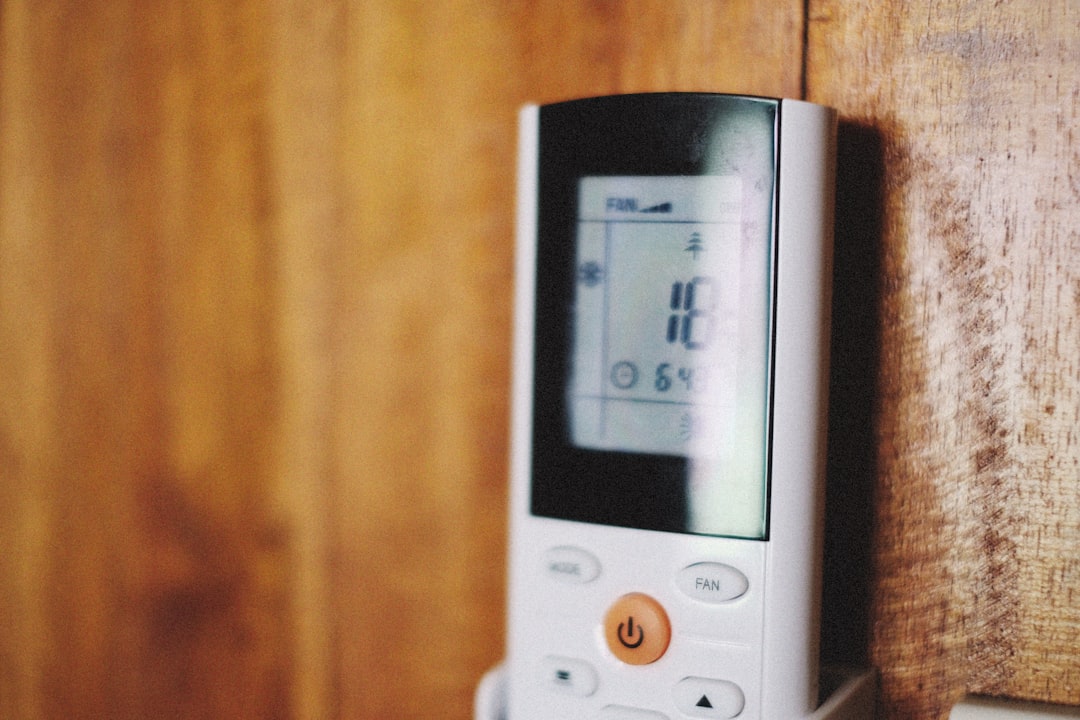
How Electronic Does a Home Thermostat Works: Ultimate Guide
Have you ever wondered how your home’s thermostat knows when to adjust the temperature? Imagine never having to worry about manually changing the temperature in your home again.
That’s the magic of electronic thermostats. They make your life easier by automatically keeping your home at just the right temperature, all year round. But how do these little devices work their wonders? Understanding the inner workings of your electronic thermostat can empower you to optimize comfort and save on energy bills.
It’s like having a smart assistant that ensures your home is always cozy, whether it’s scorching hot or freezing cold outside. We’ll uncover the secrets behind how electronic thermostats operate, so you can make the most of this clever technology. Keep reading to discover how this small device can have a big impact on your comfort and savings.
Basic Components
Understanding how an electronic home thermostat works begins with knowing its basic components. Each part plays a crucial role in maintaining your home’s comfort. Breaking down these elements helps you see what happens behind the scenes every time you adjust the temperature.
Sensors And Thermistors
Sensors are the thermostat’s way of feeling the temperature around it. Thermistors, a type of sensor, change their electrical resistance based on temperature shifts.
This change sends important information to the thermostat’s control board. Have you ever wondered how your thermostat knows the exact temperature without you telling it? That’s the magic of these sensors at work.
Control Board
The control board is the thermostat’s brain. It processes data from sensors and decides when to turn your heating or cooling system on or off.
Think of it like a traffic controller, directing the flow of signals to keep your home comfortable. Without this component, the thermostat would be just a display with no real function.
Display And Interface
The display shows the current temperature and settings, while the interface lets you interact with the thermostat. This can be a touchscreen, buttons, or even voice commands in advanced models.
It’s where you make your adjustments and get feedback. Have you noticed how some thermostats feel intuitive, almost like they understand your preferences? That’s the interface doing its job well.
Power Supply
The power supply keeps the thermostat running continuously. Most home thermostats are powered by batteries or connected to your home’s electrical system through a C-wire.
Without a steady power source, even the smartest thermostat can’t function. Have you ever had your thermostat go blank? That’s usually a sign of power issues.
How Temperature Sensing Works
Temperature sensing is the heart of how a home thermostat works. It helps the device understand the room’s current temperature. The thermostat uses this data to decide when to turn heating or cooling on or off. Accurate temperature sensing keeps your home comfortable and energy efficient.
Role Of Thermistors
Thermistors are sensors inside the thermostat. They change their electrical resistance as the temperature changes. When the room gets warmer or cooler, the resistance shifts. The thermostat reads this change to know the exact temperature. Thermistors are popular because they are small and very sensitive.
Signal Processing
The thermostat converts the thermistor’s resistance into electrical signals. These signals pass through a tiny computer chip inside. The chip analyzes the data and compares it to your set temperature. If the room is too hot or cold, the chip sends commands to the heating or cooling system. This process happens quickly and keeps your home just right.
Controlling Heating And Cooling
Controlling heating and cooling is the thermostat’s main job. It keeps your home comfortable by turning the HVAC system on or off. This process happens quietly and automatically. The thermostat senses the room temperature and compares it with the set temperature. Then, it sends signals to start heating or cooling to reach the desired comfort level.
Relay Activation
The thermostat uses a relay to control the HVAC system. A relay is like an electronic switch. When the thermostat detects a temperature change, it activates the relay. This action closes or opens electrical circuits. As a result, the heating or cooling system receives power and starts working. The relay prevents the thermostat from handling high electrical currents directly. It protects the device and ensures smooth operation.
Communication With Hvac System
Modern thermostats communicate with the HVAC system using wires or wirelessly. They send clear signals to control different parts like the furnace or air conditioner. Communication can be simple on/off commands or complex data exchange. Smart thermostats often use Wi-Fi to connect with other devices. This helps users control temperature remotely. This communication ensures the HVAC system responds quickly and accurately to temperature changes.
User Interaction
Interacting with a home thermostat goes beyond just pressing buttons—it’s about controlling your comfort with precision and ease. Understanding how you engage with the device can help you make better use of its features and save energy. Let’s look closer at how you set the temperature and create schedules that fit your daily routine.
Setting Temperature
Changing the temperature on an electronic thermostat is usually straightforward. You can adjust it by pressing up or down buttons, turning a dial, or using a touchscreen interface. Some models even let you use voice commands or smartphone apps, giving you control without getting up.
Did you know that small adjustments, like lowering the temperature by just 1 or 2 degrees at night, can significantly reduce your energy bills? It’s worth experimenting with different settings to find what feels comfortable and efficient for you.
Scheduling And Programming
Scheduling allows you to program your thermostat to change temperatures automatically throughout the day. This means your home can be warmer when you wake up and cooler when you leave for work, without you lifting a finger.
Many thermostats offer easy-to-use programming options, such as:
- Daily schedules that repeat every day
- Separate settings for weekdays and weekends
- Vacation modes to save energy while you’re away
Have you ever thought about how much time you actually spend at home? Setting your thermostat to match your lifestyle can improve comfort and cut unnecessary energy use. Try programming your thermostat and see how it changes your comfort level and energy bill.
Smart Features In Modern Thermostats
Smart features in modern thermostats have changed the way you control your home’s temperature. These devices do more than just turn heating or cooling on and off. They adapt to your lifestyle, save energy, and offer convenience you might not have expected.
Wi-fi Connectivity
Wi-Fi connectivity lets your thermostat connect to your home network. This means you can control the temperature from your smartphone or tablet, no matter where you are. Imagine adjusting your home’s temperature on your way back from work to walk into perfect comfort.
Wi-Fi also enables your thermostat to receive software updates. These updates can add new features or improve energy efficiency without needing to replace the device.
Learning Algorithms
Learning algorithms allow your thermostat to understand your schedule and preferences. Over time, it learns when you like the house warmer or cooler and adjusts automatically. This saves you from constantly fiddling with settings and can reduce your energy bills.
For instance, if you usually leave the house at 8 AM, your thermostat will gradually lower the temperature around that time. It then starts warming up again before you return. This smart behavior keeps your home comfortable and energy-efficient.
Remote Access
Remote access means you don’t have to be at home to manage your thermostat. Using an app, you can change settings from anywhere, whether you’re at work, on vacation, or just in another room. This flexibility helps prevent energy waste and ensures comfort when you arrive.
Have you ever forgotten to lower the heat before leaving? Remote access gives you the power to fix that instantly. It’s a simple way to save money and avoid the hassle of coming home to an uncomfortable temperature.
Energy Efficiency Benefits
Electronic home thermostats offer clear energy efficiency benefits. These devices help manage your home’s heating and cooling systems smartly. By adjusting temperature precisely, they reduce energy waste. This control leads to lower utility bills and less environmental impact.
Optimized Temperature Control
Electronic thermostats keep your home at just the right temperature. Sensors detect changes quickly and adjust heating or cooling automatically. This avoids overheating or overcooling rooms. You get comfort without using extra energy. Programmable settings let you set temperatures for different times. For example, lower heat during the night or when no one is home. This careful control saves energy every day.
Energy Usage Reports
Many electronic thermostats provide detailed energy usage reports. These reports show how much energy your heating and cooling systems use. They highlight patterns and suggest ways to save energy. You can track monthly or weekly consumption easily. This information helps you make smart choices about your home’s temperature settings. Clear data encourages energy-saving habits and cuts costs.
Installation And Maintenance
Installing and maintaining your home thermostat doesn’t have to be a daunting task. With the right knowledge, you can ensure your system runs smoothly and efficiently. Understanding the basics of wiring and knowing simple troubleshooting steps can save you time and money.
Wiring Basics
Before you start, always turn off the power to your HVAC system to stay safe. Most home thermostats use a standard color code for wires:
- Red (R): Power from the transformer
- White (W): Heating control
- Yellow (Y): Cooling control
- Green (G): Fan control
- Common (C): Provides continuous power
Check your thermostat’s manual to match wires correctly. A common mistake is swapping wires, which can cause your system not to respond or even damage the thermostat.
Troubleshooting Tips
If your thermostat isn’t working, first verify the power supply. Is the circuit breaker tripped? Is the thermostat display blank? These simple checks often solve the issue.
Sometimes, the problem is dirty or loose wiring. Open the thermostat carefully and inspect connections. Tighten any loose wires and clean dust gently with a dry cloth.
Have you noticed your system cycling on and off too quickly? This might mean the thermostat is placed near heat sources or in direct sunlight. Try relocating it to a more neutral spot to improve performance.
Frequently Asked Questions
How Does An Electronic Home Thermostat Work?
An electronic thermostat senses room temperature using a sensor. It compares this to the set temperature and controls the HVAC system to maintain comfort by turning heating or cooling on or off.
What Components Make Up An Electronic Thermostat?
Key components include a temperature sensor, microcontroller, display, and relay switch. These work together to monitor temperature and control heating or cooling systems efficiently.
How Does A Thermostat Improve Energy Efficiency?
By accurately maintaining desired temperatures, a thermostat reduces unnecessary heating or cooling. This prevents energy waste, lowering utility bills and environmental impact.
Can I Program An Electronic Thermostat?
Yes, many electronic thermostats allow programming. You can set temperature schedules for different times, optimizing comfort and saving energy automatically.
Conclusion
Electronic home thermostats help control your home’s temperature easily. They sense the room’s heat and turn heating or cooling on or off. This keeps your space comfortable and can save energy. Understanding how they work helps you use them better.
Simple settings can make a big difference in comfort and bills. Now you know the basics of electronic thermostats. Use this knowledge to keep your home just right.