How to Sell Home Made Electronics: Proven Tips for Quick Success
Selling homemade electronics can be both exciting and rewarding. Imagine turning your passion into a profitable venture, right from the comfort of your home.
You’ve crafted some fantastic gadgets, and now it’s time to share them with the world. But, how do you stand out in a market full of mass-produced options? This guide will walk you through every step of the process, revealing secrets on how to capture your audience’s attention and make your products irresistible.
You’ll learn how to market your creations, set the right prices, and build a loyal customer base. If you’re ready to transform your hobby into a successful business, keep reading. Let’s explore the art of selling homemade electronics together.
Choosing The Right Products
Choosing the right products is a crucial step in selling homemade electronics. It affects how well your items sell and how happy your customers are. Picking the right products means understanding what people want and can use. It also means making items that work well and last long.
Identifying Market Demand
Start by finding what people need or want in electronics. Check popular trends and common problems that electronics can solve. Use simple tools like online forums and social media to see what questions people ask. Look for products that many people search for but few sellers offer. This helps you find a good chance to sell your electronics.
Balancing Innovation And Practicality
Create products that bring new ideas but stay easy to use. A unique gadget is good if it solves a real problem. Avoid making things too complex or expensive. Customers like gadgets that fit their daily life and work without trouble. Find a middle ground between fresh designs and simple functions.
Focusing On Quality And Usability
Make sure your electronics are well made and easy to use. Test each product many times before selling it. Use good parts that last and work safely. Clear instructions help customers use the product correctly. Quality and ease of use make people trust your brand and buy again.
Setting Up Your Brand
Setting up your brand is a crucial step in selling homemade electronics. It shapes how customers see you and influences their trust in your products. Building a strong brand helps you stand out in a crowded market and creates lasting connections with buyers.
Creating A Unique Identity
Your brand identity is more than just a name; it’s the personality of your business. Think about what makes your electronics different—are they eco-friendly, highly customizable, or budget-friendly? Use these qualities to develop a clear and consistent message that reflects your values.
Ask yourself what you want customers to feel when they hear your brand name. Does it inspire confidence or creativity? Defining this early guides your marketing choices and product design.
Designing A Memorable Logo
A logo is often the first thing people notice about your brand. It needs to be simple yet eye-catching to make a strong impression. Choose colors and shapes that match your brand personality and appeal to your target audience.
Don’t hesitate to sketch out ideas or use free design tools online. Even a basic logo can look professional if it’s clean and clear. Remember, your logo will appear on packaging, websites, and social media, so it must work well everywhere.
Crafting A Compelling Story
People connect with stories, not just products. Share why you started making electronics and what drives you to keep improving. Maybe you built your first device to solve a personal problem or to learn new skills—these details make your brand relatable.
Include real challenges you’ve faced and how you overcame them. This honesty builds trust and shows your dedication. What’s the story behind your favorite project? Sharing it can inspire customers to support your journey.
Building An Online Presence
Building an online presence is key to selling homemade electronics. It helps you reach more customers and build trust. A strong presence shows your professionalism and passion. It also makes it easier for buyers to find your products and learn about your brand.
Launching A Professional Website
A website acts as your online store and portfolio. Use a clean design with easy navigation. Show clear photos and detailed descriptions of your electronics. Include contact details and customer reviews. Make sure your site works well on phones and tablets.
Choose a simple domain name that matches your brand. Use secure payment options for customer safety. Update your site regularly with new products and news.
Utilizing Social Media Platforms
Social media helps you connect with a wide audience fast. Share photos and videos of your electronics in action. Post updates about new projects and behind-the-scenes work. Use clear and simple language in posts.
Engage with followers by answering questions and responding to comments. Choose platforms popular with your target customers. Consistency is key—post regularly to stay visible.
Engaging With Online Communities
Join forums and groups related to electronics and DIY projects. Share your knowledge and help others. This builds your reputation as an expert. Show your products naturally by discussing their benefits.
Participate in discussions and offer advice without overselling. Listen to community feedback and improve your products. Being active in communities creates loyal customers and valuable connections.
Choosing Sales Channels
Choosing the right sales channels can make or break your homemade electronics business. Each channel offers unique advantages and challenges, so understanding where your products fit best is crucial. Think about where your ideal customers hang out and how they prefer to shop.
Selling On Marketplaces
Marketplaces like Etsy, eBay, and Amazon provide instant access to millions of buyers. They handle payment processing and offer built-in traffic, which can save you time and effort.
However, competition is fierce, and fees can eat into your profits. To stand out, focus on clear product descriptions and high-quality images. Have you tried niche marketplaces tailored to electronics? Those often attract buyers looking specifically for tech gadgets.
Starting Your Own E-commerce Store
Running your own website gives you complete control over branding and customer experience. You can set prices, design your store, and build a loyal audience without sharing profits.
But building traffic requires marketing skills and patience. Using platforms like Shopify or WooCommerce simplifies setup and management. Consider offering tutorials or blog content related to your electronics to engage visitors and boost SEO.
Exploring Local Markets And Events
Local fairs, craft shows, and tech meetups put you face-to-face with potential customers. This direct interaction lets you demonstrate your products and get immediate feedback.
It also builds trust and can spark valuable word-of-mouth referrals. Are there community events in your area focused on innovation or handmade crafts? These are perfect places to showcase your electronics and learn what buyers really want.
Pricing Strategies
Setting the right price for your homemade electronics is crucial. It determines how much profit you make and how attractive your product appears to buyers. Pricing strategies help you find a balance between covering costs, staying competitive, and encouraging sales.
Calculating Costs And Profits
Start by listing all your expenses. Include parts, tools, packaging, and even the time you spend building the product. Don’t forget small costs like shipping or fees from selling platforms.
Once you know your total cost, decide how much profit you want. A simple way is to add a percentage on top of your costs. For example, if your total cost is $20 and you want a 50% profit, price your item at $30.
Have you tracked your costs carefully? Missing small expenses can eat into your profits without you realizing it.
Competitive Pricing Techniques
Check out what similar homemade electronics sell for online or at local markets. This gives you a benchmark to set your prices. Pricing too high might scare buyers away; too low can make them doubt your quality.
You can also use psychological pricing, like setting prices at $29.99 instead of $30. This often feels like a better deal to customers.
Think about your product’s unique features. Can you justify a higher price because of better quality or customization? Your price should reflect the value you offer.
Offering Discounts And Bundles
Discounts can attract first-time buyers or clear out older stock. You might offer a percentage off during special events or holidays.
Bundles work well when you sell multiple related items. For example, selling a DIY electronics kit with tools and instructions at a slightly lower combined price can encourage bigger purchases.
Do you want to reward loyal customers? Consider exclusive discounts or bundle deals that make them feel valued and encourage repeat sales.
Marketing And Promotion
Marketing and promotion are key to selling homemade electronics successfully. They help you reach the right buyers and build trust. Good marketing shows the value of your products clearly. It also helps your brand stand out from the crowd.
Creating Effective Content
Content helps explain your products simply. Use clear images and short videos to show how your electronics work. Write easy descriptions that focus on benefits. Share stories about your creation process. This makes your products more interesting and real.
Use bullet points to list features and specs. Keep your language simple and direct. Regularly update your content to keep buyers engaged. Clear content makes buyers confident to purchase.
Leveraging Influencers And Reviews
Influencers can introduce your products to new audiences. Choose influencers who like electronics and tech. Ask them to test and talk about your products honestly. Genuine reviews build trust and influence buyers.
Encourage customers to leave reviews on your website and social media. Positive feedback shows your products work well. Respond politely to all reviews. This shows you care about buyers and quality.
Running Targeted Ads
Targeted ads help you reach buyers interested in electronics. Use platforms like Facebook, Instagram, or Google Ads. Choose settings based on age, interests, and location. This makes your ads more effective and saves budget.
Create ads with strong images and simple messages. Include clear calls to action like “Buy Now” or “Learn More.” Track ad performance and adjust as needed. Smart ads bring more visitors and increase sales.
Ensuring Customer Satisfaction
Ensuring customer satisfaction is key when selling homemade electronics. Your buyers expect more than just a product; they want a smooth experience from purchase to use. Meeting these expectations builds trust and encourages repeat business.
Providing Clear Instructions
Clear instructions help customers get the most out of your electronics without frustration. Use simple language and include step-by-step guides, diagrams, or even short videos if possible.
Think about a time you struggled with a product because the manual was confusing. How much easier would it have been if the instructions were straightforward? Your clarity can turn a complicated device into a user-friendly experience.
Offering Reliable Support
Reliable support shows customers you care beyond the sale. Be available to answer questions promptly and troubleshoot issues through email, chat, or phone.
Consider setting up a FAQ page addressing common problems. This not only saves your time but also gives customers quick solutions, increasing their satisfaction.
Encouraging Feedback And Improvements
Feedback is a powerful tool for improving your products and service. Invite your customers to share their experiences and suggestions openly.
Respond to feedback thoughtfully and use it to refine your designs or processes. When customers see their input matters, they feel valued and more likely to recommend your electronics to others.
Credit: www.tindie.com
Handling Logistics
Handling logistics is a key part of selling homemade electronics. It ensures products arrive safe and on time. Proper logistics build trust with customers and reduce costly mistakes. Planning packaging, shipping, and returns carefully helps keep your business smooth.
Packaging For Safety And Appeal
Packaging must protect delicate electronics from damage. Use bubble wrap, foam, or molded inserts for cushioning. Choose sturdy boxes that resist crushing during transit. Include anti-static bags for sensitive parts. Packaging should look neat and professional to attract buyers. Add clear labels and instructions inside the box. This builds confidence and improves customer experience.
Choosing Shipping Options
Pick shipping services based on cost, speed, and reliability. Offer multiple options to suit different buyer needs. Trackable shipping helps monitor deliveries and resolve issues fast. Consider insurance for high-value items to cover loss or damage. Local courier services can be cheaper and faster for nearby buyers. Always calculate shipping costs accurately to avoid losing money.
Managing Returns And Warranty
Create clear policies for returns and warranty claims. Explain the time frame and conditions for returns. Offer easy ways for customers to contact you about problems. Inspect returned items promptly to decide refunds or repairs. Providing warranty builds trust and encourages purchases. Keep records of returns to improve product quality over time.
Scaling Your Business
Scaling your homemade electronics business is a crucial step to increase your reach and boost your profits. It requires careful planning and smart strategies to grow without losing quality or customer trust. How can you expand effectively while keeping your unique touch?
Automating Production Processes
Automation helps you produce more units without sacrificing quality. Start with simple tools like soldering robots or assembly jigs that speed up repetitive tasks. This frees up your time to focus on innovation and customer service.
Think about tasks you do repeatedly—can a machine or software handle them? Even semi-automation, such as using templates for circuit boards, can reduce errors and save hours. Automation isn’t just for big factories; small businesses benefit too.
Expanding Product Lines
Offering new products related to your current ones keeps customers interested and attracts new buyers. Look at your existing designs and consider variations or accessories that complement them. For instance, if you sell custom LED lights, adding remote controls or mounting kits can increase sales.
Ask yourself what your customers need next. Have you noticed common requests or feedback? Use those insights to create products that fit real demands. Expanding carefully means you don’t overextend but grow steadily.
Building Partnerships
Partnering with other businesses can open doors you didn’t know existed. Local retailers, online marketplaces, or tech communities can help you reach more customers. A friend of mine partnered with a local electronics store, and their sales doubled within months.
Consider who complements your product but doesn’t compete directly. Could a repair shop offer your gadgets as add-ons? Could a blogger review your products? Building relationships expands your network and brings fresh opportunities.

Credit: www.instructables.com
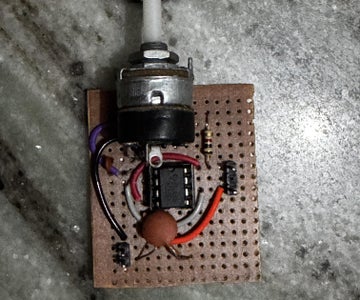
Credit: www.instructables.com
Frequently Asked Questions
How Do I Price Homemade Electronics Effectively?
Price homemade electronics by calculating material costs, labor, and market demand. Research competitors’ prices and add a fair profit margin. Consider uniqueness and quality to adjust pricing. Transparent pricing builds customer trust and improves sales.
Where Can I Sell Homemade Electronics Online?
Sell homemade electronics on platforms like Etsy, eBay, and Amazon Handmade. Use social media marketplaces and niche electronics forums. Creating a personal website also helps build brand identity and direct sales. Choose platforms with low fees and good customer reach.
What Legal Requirements Apply To Selling Homemade Electronics?
Check local and national regulations for electronic product safety and certifications. Register your business and obtain necessary licenses. Ensure compliance with warranty, return policies, and consumer protection laws. Meeting legal standards safeguards your business and customers.
How Can I Market Homemade Electronics Successfully?
Use social media marketing, content creation, and email campaigns to reach your audience. Showcase product benefits and usage through videos and tutorials. Collaborate with tech influencers and participate in online communities. Consistent branding and customer engagement boost visibility.
Conclusion
Selling homemade electronics takes patience and clear steps. Know your product well and explain its uses simply. Find the right buyers who appreciate your work. Use online platforms and local markets to reach people. Keep prices fair and be honest about quality.
Build trust by answering questions quickly. Stay open to feedback and improve your designs. Success grows with effort and good communication. Keep learning and adapting to new trends. Your passion will shine through your electronics and sales.