How Wearable Technology Will Change Web Development: Revolutionizing UX
Imagine a world where your watch is not just a timekeeper, but also a gateway to immersive digital experiences. Wearable technology, with devices like smartwatches and fitness trackers, is transforming how you interact with the web.
But have you ever wondered how this evolution affects the people who develop the web experiences you enjoy? We’ll explore how wearable technology is set to revolutionize web development. You’ll discover the fascinating ways developers are adapting to create seamless experiences for devices that are always on you.
This isn’t just about cool gadgets—it’s about reshaping your digital life. Stay with us to uncover the exciting shifts happening behind the scenes and why they matter to you. This is more than a tech trend; it’s a glimpse into the future of how you’ll connect with the web. Don’t miss out—read on to learn how these innovations will impact your everyday digital interactions.

Credit: www.moontechnolabs.com
Wearable Tech Trends Shaping Web Development
Wearable technology is rapidly changing how people interact with digital content. As these devices become more common, web development must adapt to fit smaller screens, new input methods, and constant connectivity. Understanding current wearable tech trends will help you build websites and apps that work seamlessly with these devices and meet user expectations.
Growth Of Smartwatches And Fitness Trackers
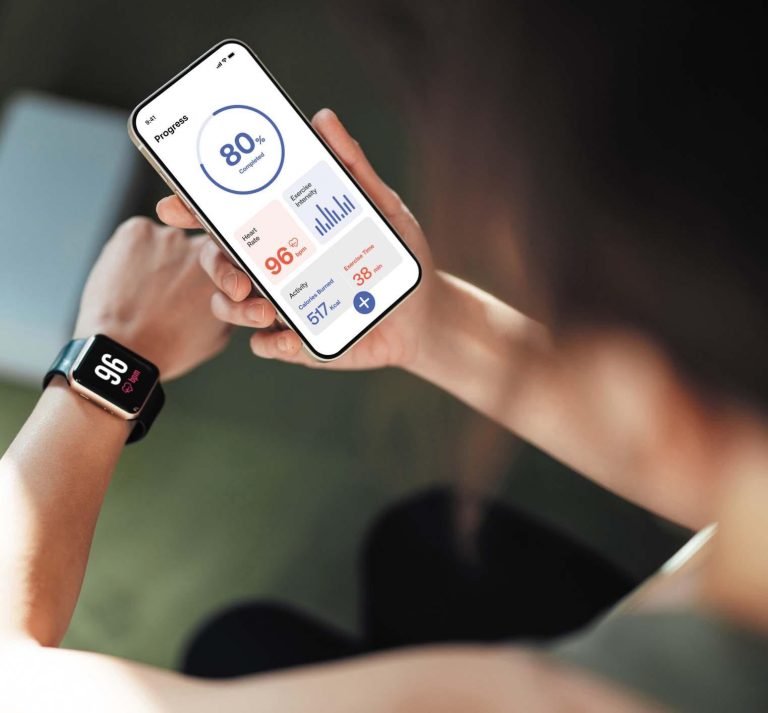
Smartwatches and fitness trackers have moved beyond simple step counting to becoming powerful mini-computers on your wrist. This shift means web developers need to design for tiny screens without sacrificing usability.
Think about notifications, glanceable data, and quick interactions. You’ll want to create lightweight, fast-loading web interfaces that show relevant information instantly. Have you considered how your website looks and functions on a 1.5-inch display?
Emergence Of Ar And Vr Wearables
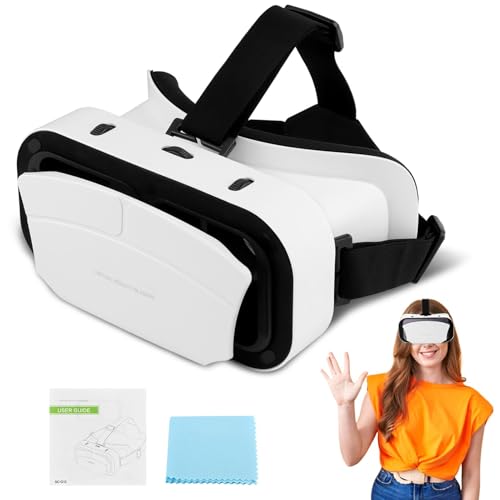
Augmented reality (AR) and virtual reality (VR) wearables are changing user expectations for immersive experiences. These devices require web content that can work in 3D spaces and respond to gestures or voice commands.
Developers need to learn new frameworks and optimize assets for smooth performance in virtual environments. Could your next project include interactive elements that users can manipulate by moving their hands or looking around?
Integration With Iot Devices
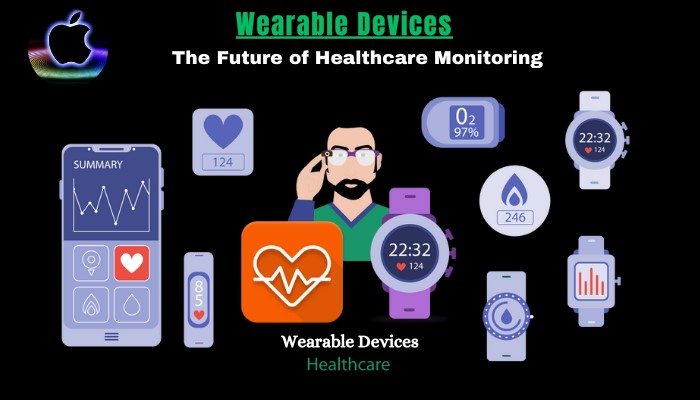
Wearables don’t operate in isolation; they often connect to other Internet of Things (IoT) devices in smart homes or workplaces. This interconnectedness means web developers must build interfaces that communicate smoothly across multiple devices.
Think beyond a single device screen and focus on synchronized data updates, cross-device notifications, and consistent user experiences. How can your web solutions ensure seamless interaction when data flows between wearables and other smart gadgets?

Credit: medium.com
Adapting Ux Design For Wearables
Designing user experiences for wearable technology demands a fresh approach. Your traditional web design methods won’t always fit small screens or hands-free use. You must rethink how users interact with your content in real time and on the go.
Minimalist Interfaces And Microinteractions
Wearables have limited screen space, so simplicity is key. You need to strip down interfaces to their essentials, showing only what users truly need at a glance.
Microinteractions—small animations or subtle feedback—can guide users without overwhelming them. Think about a gentle vibration confirming an action or a tiny icon that changes color when tapped. These small cues make the experience intuitive and satisfying.
Have you noticed how a simple tap or swipe on your smartwatch feels more natural than complex menus? That’s the power of minimalist design paired with thoughtful microinteractions.
Voice And Gesture Controls
Wearables often rely on hands-free operation, making voice and gesture controls crucial. Your designs should prioritize clear voice commands and easy-to-understand gestures that users can perform naturally.
This means rethinking navigation beyond clicks and taps. For example, incorporating simple voice prompts or swipe gestures can speed up interactions and reduce frustration.
Imagine checking your notifications or sending a quick reply without lifting a finger. How can your web interface support this seamless control?
Context-aware User Experiences
Wearables know where users are and what they’re doing, opening doors for context-aware design. Your web content can adapt based on location, activity, or time of day.
This flexibility means users get relevant information without extra effort. For instance, a fitness app could highlight workout stats during exercise but switch to relaxation tips once activity drops.
Are you designing experiences that respect and leverage the user’s environment? Context awareness can make your web applications feel smarter and more personal.
Challenges In Developing For Wearables
Developing for wearable devices introduces unique challenges. These devices have different needs than traditional computers or smartphones. Developers must rethink design and functionality to fit small screens and limited power. Building smooth, efficient experiences is difficult but essential for wearables.
Limited Screen Real Estate
Wearables have very small screens. This limits how much content can be shown. Designers must prioritize key information and keep interfaces simple. Complex layouts and long texts do not work well. Buttons and controls need to be easy to tap with little space.
Battery And Performance Constraints
Wearables rely on small batteries. Apps must use power wisely to avoid fast drain. Heavy graphics or constant data syncing reduce battery life. Developers optimize code to run efficiently without slowing the device. Balancing features and power use is a constant challenge.
Ensuring Cross-device Compatibility
Many wearable brands and models exist. Each device has its own screen size and operating system. Creating apps that work well on all of them is tough. Developers test extensively across devices and adjust designs. Cross-device compatibility ensures users have a seamless experience everywhere.
New Opportunities In Web Development
Wearable technology opens fresh paths in web development. Developers now create sites that work well with smartwatches, fitness trackers, and other devices. These gadgets offer new ways to connect with users and deliver content. The web becomes more interactive, personal, and useful.
Personalized Content Delivery
Wearables collect unique user data like heart rate, location, and activity. Web developers can use this data to customize content instantly. For example, a fitness website can show workout tips based on a user’s current activity level. Personalized content keeps users engaged and satisfied. It creates a better experience by meeting individual needs.
Real-time Data Integration
Wearable devices provide constant streams of fresh data. Developers can integrate this information directly into websites and apps. This leads to real-time updates and features. Imagine a travel site showing weather updates based on your location from a smartwatch. Real-time data makes websites more dynamic and responsive. It helps users make faster, better decisions.
Enhanced Accessibility Features
Wearables can improve accessibility for people with disabilities. Voice commands, haptic feedback, and gesture controls become useful web tools. Developers can design websites that respond to these inputs. This helps users navigate sites without traditional devices like a keyboard or mouse. Enhanced accessibility leads to a more inclusive web environment. It opens the internet to a wider audience.
Future Directions For Ux And Web Development
The future of UX and web development will be deeply shaped by wearable technology. As devices become more integrated into daily life, how users interact with the web will shift dramatically. This change demands new approaches and fresh thinking from developers and designers alike.
Ai-driven Adaptive Interfaces
Your web experience will soon adjust itself based on the data wearables collect. Imagine a fitness app that changes its layout after noticing you prefer quick updates during your workouts. AI can tailor interfaces in real-time, making websites smarter and more responsive to your habits.
This means developers must build flexible designs that evolve without manual updates. Are you ready to let AI take control over your site’s user interface to meet individual needs?
Seamless Multi-device Experiences
Wearable tech expands the range of devices people use to access the web—from smartwatches to AR glasses. Your website will need to provide a consistent and smooth experience across all these devices. Users expect to start a task on their watch and finish it on their laptop without friction.
Designers will have to think beyond screen size and focus on interaction context, like voice commands or gestures. How will you ensure your web content feels natural on such diverse platforms?
Privacy And Security Considerations
Wearables collect sensitive personal data, raising the stakes for privacy and security in web development. Users will demand stronger protections and clearer controls over their information. Your web applications must handle data responsibly and communicate these safeguards transparently.
Failing to prioritize security could cost user trust and engagement. What steps will you take to protect your users while still offering personalized experiences?
Credit: medium.com
Frequently Asked Questions
How Will Wearable Tech Impact Web Development?
Wearable tech demands responsive, adaptive web designs. Developers must optimize interfaces for smaller screens and unique inputs, enhancing user experience across devices.
What Challenges Does Wearable Technology Bring To Web Developers?
Wearables introduce challenges like limited screen space, diverse sensors, and connectivity issues. Developers need to create efficient, lightweight web apps for seamless performance.
How Can Web Development Benefit From Wearable Devices?
Wearables provide real-time data and personalized user insights. Web apps can leverage this for tailored content, improved interactivity, and enhanced user engagement.
Will Wearable Technology Change Website Design Trends?
Yes, wearable tech pushes minimalist, intuitive designs focused on quick access and easy navigation. Designers prioritize simplicity to fit wearable constraints.
Conclusion
Wearable technology changes how we build websites. Developers must think about new screens and controls. Websites need to work well on small devices. Speed and ease of use become even more important. This technology will keep growing fast. Developers who adapt will create better user experiences.
The future of web development will be more connected and personal. Staying updated helps meet users’ needs every day. Exciting times are ahead for both developers and users.