Is Wearable Technology a Part of ICT? Discover the Truth!
Have you ever wondered if the smartwatch on your wrist or the fitness tracker you wear every day is more than just a gadget? What if these devices are actually part of a bigger system that connects the way we share and receive information?
Understanding whether wearable technology fits into Information Communications Technology (ICT) could change how you see the tools you use daily. Keep reading to discover how your wearable devices might be shaping the future of communication and why this matters to you.
Credit: www.bgosoftware.com
Wearable Technology Basics
Wearable technology has become a common part of daily life. It refers to electronic devices worn on the body. These devices collect data, provide information, and help with communication. They blend technology with everyday activities, making tasks easier. Understanding the basics is key to seeing how wearable tech fits into information communications technology (ICT).
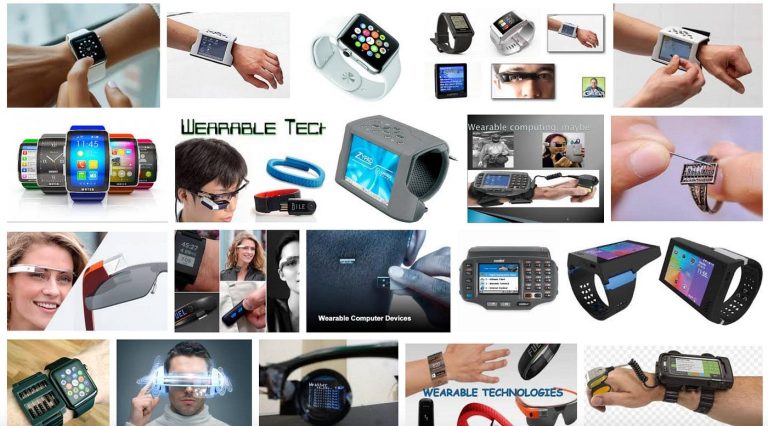
Types Of Wearable Devices
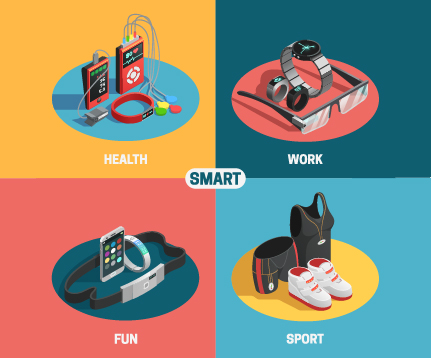
- Smartwatches: Track fitness, show notifications, and manage calls.
- Fitness Trackers: Monitor steps, heart rate, and sleep patterns.
- Smart Glasses: Display information directly in the user’s view.
- Wearable Cameras: Capture photos and videos hands-free.
- Medical Devices: Monitor health conditions like glucose levels.
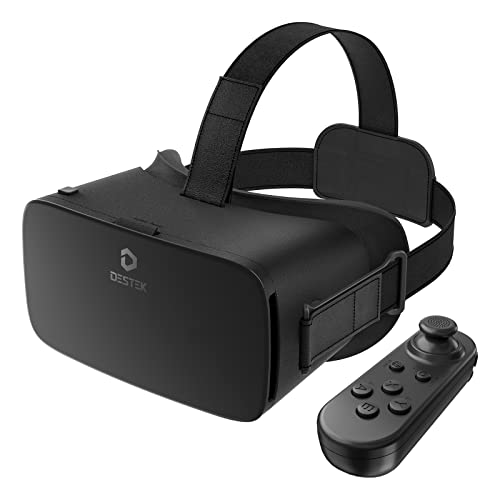
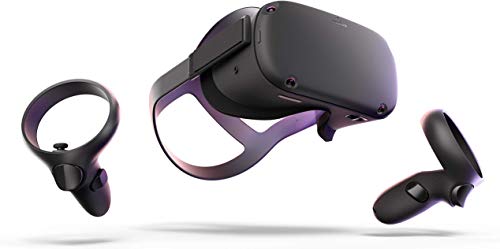
- Virtual Reality Headsets: Provide immersive digital experiences.
Key Features And Functions
- Connectivity: Sync data with smartphones and computers.
- Real-Time Monitoring: Track health and activity instantly.
- Notifications: Alert users to calls, messages, and reminders.
- Data Collection: Gather information for personal or professional use.
- Portability: Small and lightweight for daily wear.
- User Interaction: Touchscreens and voice commands for control.
Ict Defined
Information and Communications Technology (ICT) is a term you’ve likely heard many times, but what does it really mean? At its core, ICT covers the tools and systems used to handle information and support communication. Understanding ICT helps you see how technologies like wearable devices fit into the bigger picture of how we connect and share data today.
Core Components Of Ict
ICT involves several key parts working together. These include:
- Hardware:Physical devices like computers, smartphones, and servers.
- Software:Programs and applications that process data and enable communication.
- Networks:Systems that connect devices, such as the internet and local networks.
- Data:The information that is created, stored, and shared.
Wearable technology, such as smartwatches and fitness trackers, combines hardware and software while connecting to networks to transmit data—making it a clear part of the ICT ecosystem.
Role In Modern Communication
ICT shapes how you communicate every day, whether through email, social media, or video calls. It breaks down barriers of time and distance, allowing instant connection across the globe.
Wearable technology adds a new layer by offering real-time, hands-free communication and information access. Imagine receiving important alerts or health updates directly on your wrist—this changes how quickly you respond and interact.
How might your daily communication change if your devices were always connected and accessible? Thinking about this reveals why wearable tech is more than just a gadget; it’s part of the evolving ICT landscape.
Intersection Of Wearables And Ict
The intersection of wearable technology and Information Communications Technology (ICT) is reshaping how you interact with data and devices daily. Wearables like smartwatches, fitness trackers, and AR glasses don’t just collect information; they actively communicate with networks and systems to provide real-time insights. This blend of hardware and communication protocols makes wearables a vital component of the broader ICT ecosystem.
How Wearables Connect To Ict
Wearables link to ICT primarily through wireless communication technologies such as Bluetooth, Wi-Fi, and cellular networks. These connections allow your device to send data to smartphones, cloud servers, or other networked devices instantly.
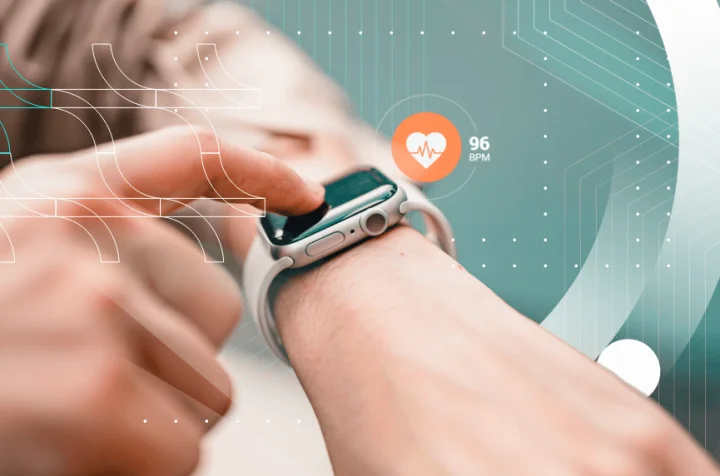
Think about your smartwatch syncing with your phone to deliver notifications or health stats. It’s not just a standalone gadget; it’s part of a connected environment that relies on ICT infrastructure to function efficiently.
Data Transmission And Processing
Once your wearable collects data, it transmits this information to external systems for processing. This step is crucial because the raw data from sensors needs analysis to become meaningful insights you can act on.
Data processing often happens in the cloud, where powerful servers analyze trends, detect patterns, and provide feedback. This interaction between wearables and ICT ensures you get timely and relevant information, whether it’s tracking your heart rate or receiving navigation assistance.
Credit: www.tatvasoft.com
Benefits Of Integrating Wearables With Ict
Integrating wearable technology with Information Communications Technology (ICT) offers many benefits. Wearables connect users and systems in new, effective ways. This integration improves how people communicate, access data, and enjoy digital experiences. It supports faster decisions and better productivity. Below are key benefits of combining wearables with ICT.
Enhanced Communication
Wearables enable instant, hands-free communication. Users can send and receive messages without stopping tasks. This boosts teamwork and response times. Notifications and alerts reach users directly on their devices. Communication becomes more seamless and less disruptive.
Real-time Data Access
Wearables provide immediate access to important information. Users get live updates and data streams on the go. This helps in fields like healthcare, logistics, and customer service. Real-time data improves accuracy and supports quick actions. It reduces delays caused by manual data checks.
Improved User Experience
Wearables offer personalized and intuitive interactions. Devices learn user habits and preferences over time. This leads to more relevant notifications and smoother workflows. The hands-free design adds comfort and convenience. Users stay connected without feeling overwhelmed.
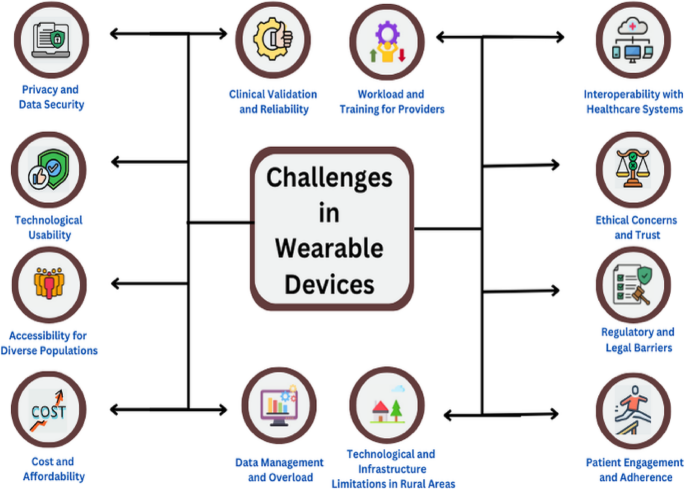
Challenges And Limitations
Wearable technology offers exciting possibilities, but it also comes with its fair share of challenges and limitations. Understanding these obstacles helps you make informed decisions about using and integrating these devices within the broader Information Communications Technology (ICT) landscape. Let’s look closely at some critical issues that could affect your experience with wearables.
Privacy Concerns
Wearable devices collect a vast amount of personal data, from health stats to location tracking. This raises questions about who owns your data and how securely it’s stored. Have you ever wondered if your fitness tracker could inadvertently expose sensitive information?
Companies often share data with third parties, sometimes without clear consent. This creates risks of unauthorized access or data breaches. It’s essential to check privacy policies and control your device settings to protect your personal information.
Technical Barriers
Wearables rely on advanced hardware and software working seamlessly, but technical issues can get in the way. Battery life is a common complaint—no one wants their device to die in the middle of an important activity.
Connectivity problems also hinder smooth communication between wearables and other devices. You might face delays or interruptions if Bluetooth or Wi-Fi signals are weak. Keeping firmware updated and understanding device limitations can help reduce frustration.
Compatibility Issues
Not all wearable devices play well with every smartphone or computer. You may find your favorite fitness band doesn’t support the app on your phone or that syncing across platforms is inconsistent. This can limit the usefulness of your device.
Different operating systems and proprietary software often create these barriers. Before buying a wearable, consider whether it fits into your existing tech setup. Compatibility can make or break your user experience.
Credit: www.fortunebusinessinsights.com
Future Trends
The future of wearable technology is tightly woven into the fabric of Information Communications Technology (ICT). As these devices become smarter and more connected, they will transform how you interact with digital information and communicate daily. Understanding these future trends will help you anticipate the changes coming to your personal and professional life.
Advancements In Wearable Tech
Wearable devices are becoming more powerful and versatile. Expect improvements in battery life, sensor accuracy, and processing speed that will make them more reliable for continuous use.
One exciting development is the integration of flexible displays, making wearables lighter and more comfortable. Imagine a smartwatch that wraps around your wrist like a thin band, or smart glasses that don’t look bulky.
Health monitoring will reach new heights with wearables tracking more vital signs and predicting health issues before symptoms appear. How would having real-time health insights change your daily decisions?
Emerging Ict Applications
Wearables will play a bigger role in ICT by supporting faster, more secure communication networks like 5G and beyond. This will enable instant data sharing and seamless collaboration no matter where you are.
In workplaces, these devices will help improve productivity by providing hands-free access to information and facilitating remote work. Imagine receiving alerts, calls, or instructions directly through your wearable without interrupting your flow.
Education and training will also benefit. Wearables can offer immersive learning experiences through augmented reality, helping you grasp complex concepts quickly and interactively.
Frequently Asked Questions
What Is Wearable Technology In Ict?
Wearable technology refers to smart devices worn on the body. They collect and exchange data using ICT networks. Examples include smartwatches and fitness trackers. These devices enhance communication and information sharing, making them integral to Information Communications Technology (ICT).
How Does Wearable Tech Relate To Ict?
Wearable tech uses ICT infrastructure to transmit and process data. It connects to the internet or other devices via wireless networks. This integration allows real-time communication and data analysis, positioning wearable technology as a key component of ICT systems.
Are Wearable Devices Considered Part Of Ict?
Yes, wearable devices are part of ICT. They rely on communication networks and computing technologies. These devices facilitate information exchange and digital interaction, core functions of ICT, thus making them a significant subset within the ICT domain.
What Are Common Examples Of Wearable Ict Devices?
Common wearable ICT devices include smartwatches, fitness bands, and smart glasses. They gather health data, enable notifications, and support communication. These devices use ICT to connect, share, and process information seamlessly.
Conclusion
Wearable technology fits well within information communications technology. It helps people connect and share data easily. These devices collect, send, and receive information fast. They make communication more personal and mobile. As technology grows, wearables will play a bigger role.
They blend hardware, software, and networks together. This shows how tech keeps changing daily life. Wearables are not just gadgets; they are tools for better communication. Their impact on ICT is clear and strong.