How Many Smart Devices are Active: Shocking Global Stats Revealed
Have you ever stopped to think about how many smart devices are active around you right now? From the phone in your hand to the smart thermostat in your home, these devices quietly work together to make life easier.
But just how many of them are actually active at this moment? Understanding this number can give you a clearer picture of the technology shaping your daily life—and how it might impact your privacy, security, and convenience. Keep reading to discover the surprising scale of smart devices in use and what it means for you.
Global Smart Device Growth
The number of smart devices worldwide has grown rapidly over the past decade. These devices include smartphones, smartwatches, smart TVs, and many others connected to the internet. This growth impacts how people communicate, work, and entertain themselves daily.
More homes and businesses now rely on smart technology. The expansion shows no signs of slowing down. Understanding this growth helps businesses and users prepare for the future of connected technology.
Yearly Increase In Active Devices
Each year, billions of new smart devices become active globally. The rise averages about 10% to 15% annually. This steady increase results from affordable technology and better internet access.
Smartphones still lead in numbers, but wearables and smart home gadgets also grow fast. Industries like healthcare and education use smart devices more than ever. The trend shows a clear shift toward more connected lifestyles.
Top Countries By Smart Device Usage
- China: Leading with over one billion active smart devices.
- United States: High usage across smartphones and smart home devices.
- India: Rapid growth due to affordable smartphones and expanding networks.
- Japan: Strong presence in wearables and smart appliances.
- Germany: Growing use of smart devices in business and industry sectors.
These countries benefit from strong infrastructure and tech adoption. They set examples for other nations to increase smart device use.
Types Of Smart Devices In Use
Smart devices come in many forms, each serving a unique purpose. They connect us, help us work, and make life easier. Understanding these types shows how widespread smart technology is today.
Smartphones And Tablets
Smartphones and tablets are the most common smart devices. People use them to call, browse, and run apps. These devices offer internet access and many tools in one small package. They keep us connected anytime, anywhere.
Wearables And Smartwatches
Wearables include smartwatches and fitness bands. They track health, show notifications, and sometimes make calls. These devices fit on your wrist and sync with your phone. They help users stay active and informed.
Smart Home Devices
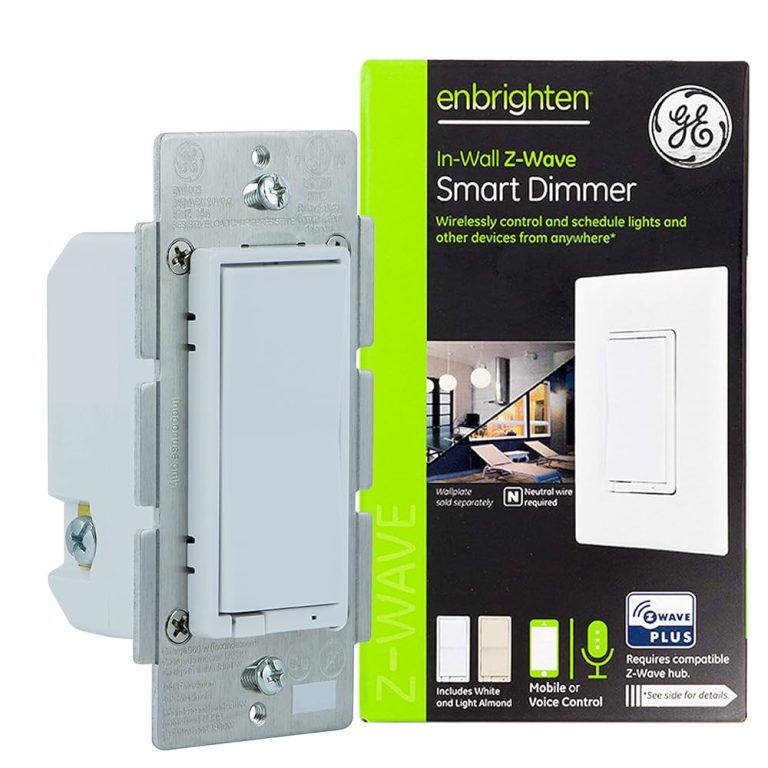
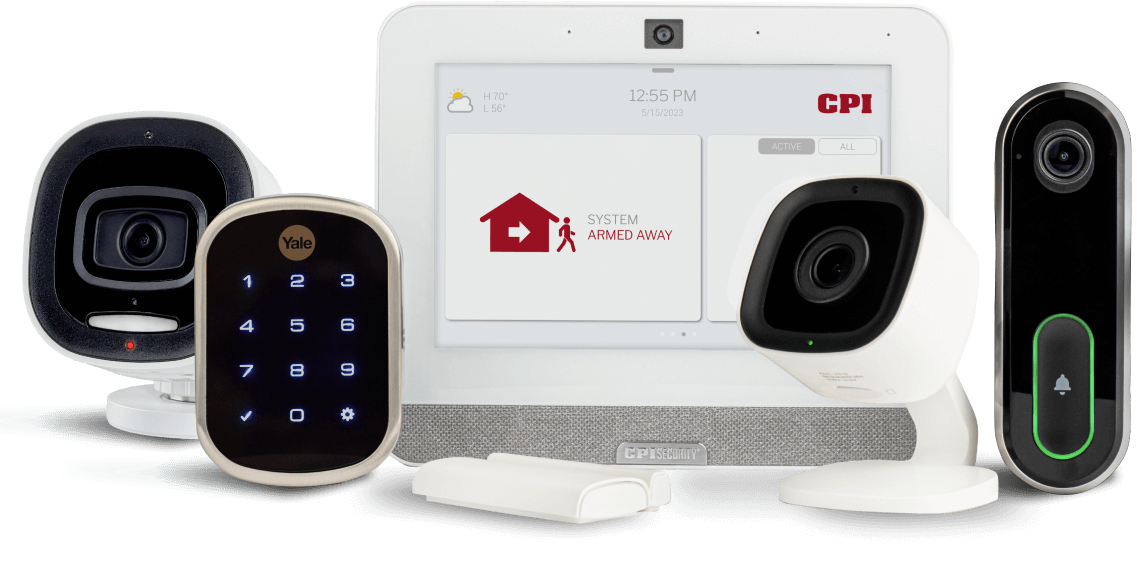
Smart home devices control lighting, temperature, and security. Examples include smart speakers, cameras, and thermostats. They respond to voice commands or apps on your phone. These devices create a more comfortable and safe living space.
Connected Cars And Iot Gadgets
Connected cars offer navigation, entertainment, and safety features. IoT gadgets include smart kitchen tools and sensors. These devices communicate with each other over the internet. They improve convenience and efficiency in daily tasks.
User Demographics And Trends
Understanding who uses smart devices and how they use them can reveal surprising trends. Different groups of people prefer different devices, and where they live also plays a big role in their smart device habits. This knowledge can help you decide what devices might best fit your lifestyle or business needs.
Age Groups And Device Preferences
Younger generations tend to own more smart devices, often multiple ones. Teens and young adults favor smartphones, smartwatches, and wireless earbuds because they support communication and entertainment on the go. Meanwhile, older adults might prefer tablets and smart home assistants that simplify daily tasks.
Think about your own circle—do you notice grandparents using voice assistants to control lights or set reminders? That’s a growing trend among seniors aiming to stay independent and connected. Meanwhile, kids might have smart toys or learning devices, showing how smart technology integrates into all age groups.
Urban Vs Rural Usage Patterns
People living in cities usually have access to faster internet and more reliable networks. This makes them more likely to use multiple smart devices, including connected home security systems, smart thermostats, and streaming devices. Urban dwellers often adopt new tech faster because of availability and lifestyle demands.
In rural areas, limited internet can restrict some smart device usage, but smart agriculture tools and health monitoring devices are gaining popularity. These technologies help rural residents manage their land and health more efficiently. Have you considered how your location might affect the smart devices you rely on daily?

Credit: www.reddit.com
Impact On Daily Life
Smart devices have become a big part of our everyday lives. They help us stay connected, stay healthy, and make our homes smarter. The number of active smart devices keeps growing, changing how we live and work. These devices make many tasks easier and save time.
Communication And Connectivity
Smart devices keep people connected all the time. Smartphones, smartwatches, and tablets allow instant messaging and calls. Video chats bring faces closer, even from far away. These devices also connect to the internet, giving access to social media and news. They help us share moments and stay in touch with family and friends.
Health And Fitness Monitoring
Many use smart devices to track health and fitness. Wearable devices measure heart rate, steps, and sleep quality. They remind users to move or drink water. Some devices monitor blood pressure or oxygen levels. This data helps people understand their health better. It also encourages healthier habits and regular exercise.
Home Automation
Smart devices control many home functions with ease. Smart lights, thermostats, and security cameras respond to voice or app commands. They save energy by adjusting settings automatically. Smart locks and alarms add safety and convenience. These devices create a more comfortable and secure living space.
Future Projections
The future of smart devices is expanding faster than many expect. Understanding how many devices will be active soon can help you prepare for the changes in your daily life and business. Let’s look at the numbers and technologies shaping this growth.
Predicted Device Growth By 2030
Estimates suggest that by 2030, there will be over 50 billion active smart devices worldwide. This includes everything from smart home gadgets to wearable tech and connected vehicles.
Think about how many devices you already own that connect to the internet. Now imagine multiplying that number several times over in just a few years.
- Smart home devices like thermostats and security cameras will see a 40% increase.
- Wearable technology, such as fitness trackers and smartwatches, is expected to double.
- Connected cars will grow as autonomous driving technology improves.
What challenges or opportunities will this bring to your personal or professional life?
Emerging Technologies Driving Adoption
Several new technologies are pushing the adoption of smart devices at an unprecedented rate. 5G networks, for example, provide faster and more reliable internet, making it easier for devices to stay connected.
Artificial intelligence (AI) is another powerful force. It allows devices to learn your habits and offer personalized experiences without constant input.
- Edge computing reduces delay by processing data closer to the device.
- Improved battery technology extends device usage without frequent charging.
- Advances in sensors enable smarter and more responsive gadgets.
Have you noticed how your devices are becoming smarter and more intuitive? These technologies are the reason why.
Credit: cpisecurity.com
Challenges And Concerns
As the number of smart devices in our homes and workplaces grows, so do the challenges and concerns tied to their use. It’s not just about having more gadgets; it’s about managing the risks and responsibilities that come with them. These challenges affect how you protect your information and how sustainable your tech lifestyle can be.
Privacy And Security Issues
Your smart devices collect a lot of personal data—sometimes more than you realize. This data can include your location, habits, and even conversations. If these devices aren’t secure, hackers can access sensitive information, leading to identity theft or unauthorized surveillance.
Think about a time when you left a smart speaker active without realizing it. That small oversight could potentially expose private moments. You need to regularly update device software and change default passwords to strengthen security.
Also, consider how many devices you have connected to your network. Each one is a potential entry point for cyber threats. Are you confident that every device is protected? Taking control of your digital environment can prevent serious privacy breaches.
Device Management And Sustainability
Managing multiple smart devices can quickly become overwhelming. You might struggle to keep track of updates, battery life, and compatibility issues. This complexity can lead to devices being neglected or abandoned, adding to electronic waste.
Smart devices often have short lifespans and are replaced frequently. This raises questions about the environmental impact of manufacturing, shipping, and disposing of these gadgets. You might want to ask yourself: How can I make smarter choices that reduce waste?
Simple steps like buying devices with longer support, recycling old gadgets, and minimizing unnecessary purchases can make a difference. Managing your smart device ecosystem thoughtfully helps protect the planet while keeping your tech life efficient and secure.

Credit: news.samsung.com
Frequently Asked Questions
How Many Smart Devices Are Active Worldwide?
Over 14 billion smart devices are active globally as of 2024. This number includes smartphones, smart TVs, wearables, and IoT gadgets. The count grows rapidly with increasing digital transformation and smart home adoption.
What Types Of Smart Devices Are Most Common?
Smartphones, smart TVs, and smart speakers dominate the active smart device market. Wearable devices and smart home appliances also contribute significantly to the total active devices worldwide.
How Does The Number Of Smart Devices Impact Internet Usage?
More smart devices increase global internet traffic and demand for faster networks. This growth pushes advancements in 5G, Wi-Fi 6, and data infrastructure to support seamless connectivity.
Are Smart Devices Increasing Annually?
Yes, smart devices grow by 10-15% annually due to technology adoption and IoT expansion. New device categories and improved affordability drive this continuous increase.
Conclusion
Smart devices are everywhere. They simplify our lives and connect us. People use them for work, play, and health. These devices are growing rapidly. Each day, more join the network. This trend shows no signs of slowing down. Understanding their impact is crucial.
It helps us navigate this digital world better. Smart devices will continue to shape our future. Staying informed is key. Embrace this technology wisely. It offers many benefits, but be cautious. Always consider privacy and security. Engage with smart devices thoughtfully.
They are a part of everyday life now. Stay curious, stay connected.