How Many Smart Devices on a Mesh Network: Ultimate Capacity Guide
Have you ever wondered how many smart devices your mesh network can handle before things start slowing down? If you’ve noticed your Wi-Fi acting up or want to add more gadgets without losing speed, this guide is for you.
Understanding how many devices can connect smoothly helps you get the most out of your network. Keep reading, and you’ll discover simple ways to manage your smart home so every device works perfectly, no matter how many you have.
Mesh Network Basics
Mesh networks are changing how smart devices connect in homes and offices. They create strong wireless connections across large areas. This setup helps avoid dead zones and keeps internet speeds steady. Understanding mesh network basics helps you see how many smart devices can join without trouble.
What Is A Mesh Network
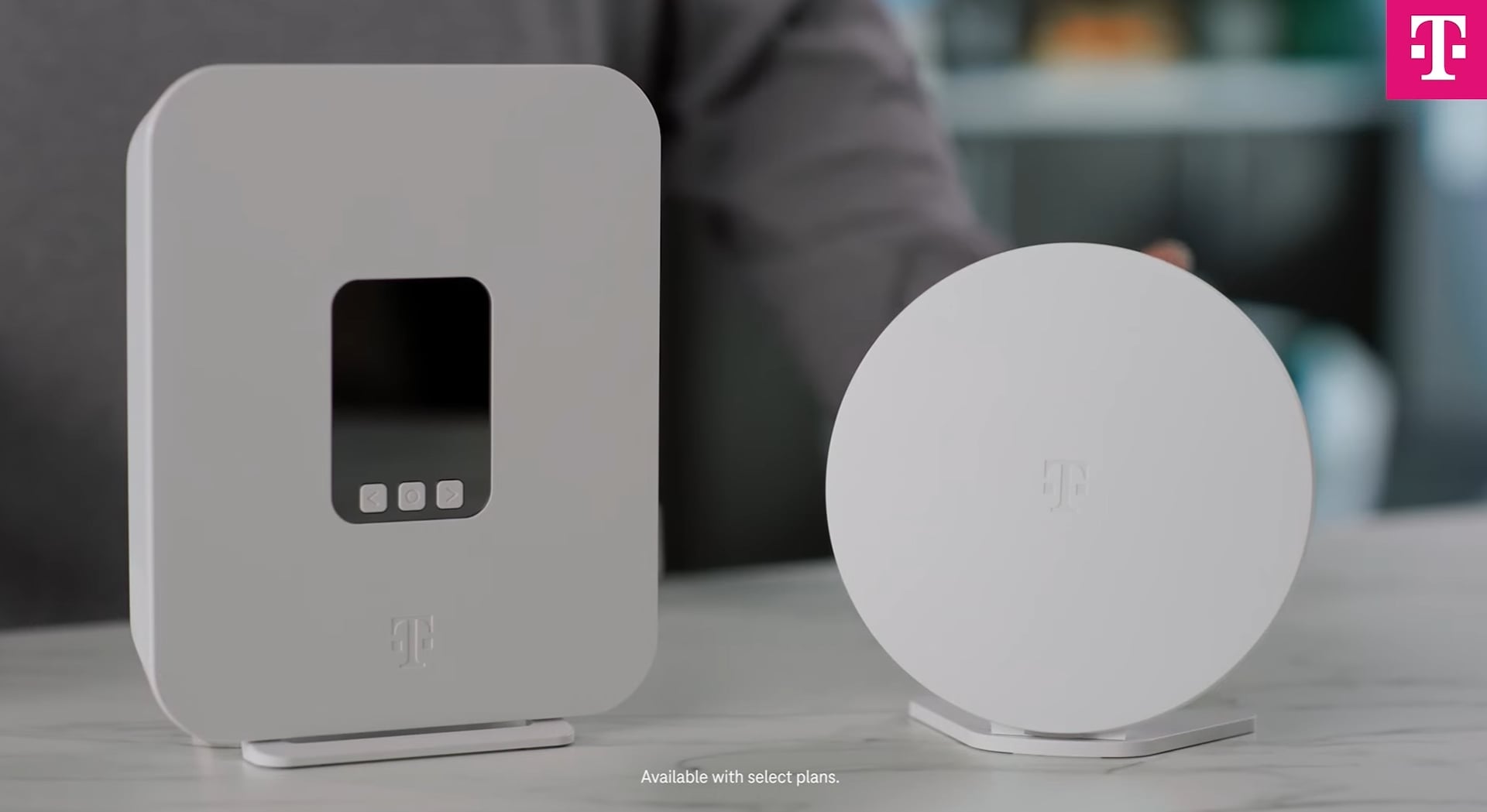
A mesh network is a group of devices that work together to share internet access. Each device, called a node, connects directly to others nearby. This creates a web-like structure of connections. Unlike traditional routers, mesh networks cover more space smoothly. If one node stops working, the network still runs through other nodes. This makes the connection reliable and stable.
How Mesh Networks Work
Mesh networks use multiple nodes to send data to smart devices. Data travels through the fastest and best path available. Nodes communicate constantly to find the best route. This reduces slowdowns and keeps signals strong. The network can add more nodes to increase coverage. Each node helps extend the network’s reach and capacity. This setup supports many smart devices at once without losing speed.
Smart Devices In Mesh Networks
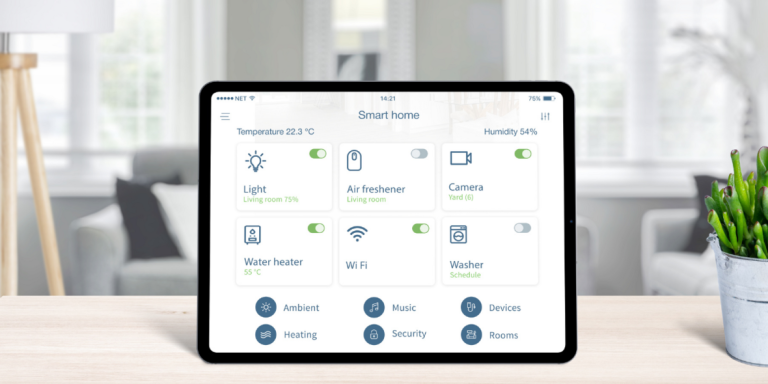
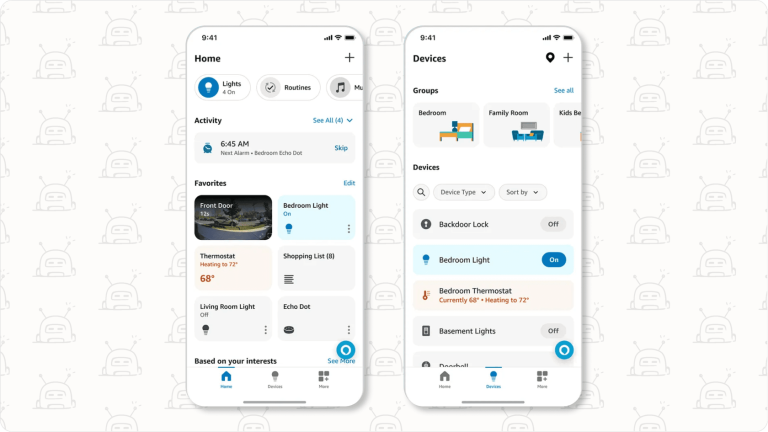
Smart devices are common in many homes and offices. These devices connect to the internet and each other, sharing data seamlessly. A mesh network improves this connection by using multiple nodes. This setup spreads the internet signal evenly. It helps many smart devices work without interruption. Understanding how these devices fit into a mesh network is important for smooth operation.
Types Of Smart Devices
Many types of smart devices can join a mesh network. Each device has a role in your daily life. Some common devices include:
- Smart speakers and voice assistants
- Security cameras and doorbells
- Smart lights and switches
- Thermostats and climate controls
- Smart TVs and streaming boxes
- Home appliances like refrigerators and ovens
- Wearable devices like smartwatches
All these devices can communicate through the mesh network. This creates a connected environment for easier control and monitoring.
Device Compatibility
Not all smart devices work equally well on mesh networks. Compatibility depends on device type and network standards. Most devices use Wi-Fi or Bluetooth to connect. Mesh networks typically support Wi-Fi devices easily.
Check the device’s specifications before adding it to the mesh. Devices using outdated Wi-Fi standards might slow down the network. Some smart devices require specific apps or hubs. These may affect how well they join the mesh.
Choosing devices designed for mesh networks ensures better performance. Always verify compatibility for smooth, reliable connections.
Factors Affecting Device Capacity
Understanding the factors that affect how many smart devices your mesh network can support is key to optimizing your home or office setup. The device capacity isn’t just about the number of gadgets; it’s about how well the network handles them. Let’s break down the main elements that influence this capacity so you can make smarter choices.
Bandwidth Limitations
Your network’s bandwidth is the amount of data it can handle at once. When too many devices try to use the network simultaneously, the available bandwidth gets divided, slowing down the connection for everyone.
Think about streaming a 4K video while a family member is on a video call. Both activities consume significant bandwidth, which can quickly max out your network’s capacity. To improve this, prioritize devices or activities that need more speed or consider upgrading your internet plan or mesh system with higher throughput.
Signal Range And Interference
Each mesh node covers a specific area, and devices need a strong signal to connect properly. Walls, furniture, and even appliances can block or weaken Wi-Fi signals, reducing the effective range of your network.
Interference from other wireless devices like cordless phones or microwaves also disrupts the signal. Placing mesh nodes strategically and avoiding common interference sources helps maintain a stable connection for more devices.
Network Traffic And Latency
Network traffic is the total data moving across your mesh network at any time. High traffic increases latency, which is the delay before data starts to transfer.
Latency can cause lag in online gaming or slow response times for smart home devices. Managing traffic through Quality of Service (QoS) settings or scheduling heavy data use during off-peak times can keep your devices running smoothly and responsive.
Credit: www.t-mobile.com
Capacity Limits Of Popular Mesh Systems
Understanding the capacity limits of popular mesh systems helps you plan your smart home setup. Each mesh network supports a certain number of smart devices before performance drops. Knowing these limits keeps your network fast and stable.
Smart devices include phones, smart bulbs, security cameras, and speakers. More devices need more bandwidth and stronger signals. Mesh systems vary in how many devices they can handle smoothly.
Google Nest Wifi
Google Nest Wifi supports up to 200 connected devices. It handles smart home gadgets and streaming without much slowdown. The system uses multiple points to spread Wi-Fi evenly across your home. Performance stays strong with moderate device counts.
Eero Mesh
Eero mesh systems connect around 75 devices per router. The pro models can handle up to 128 devices. Eero uses TrueMesh technology to reduce congestion and keep speeds high. It works well for homes with many smart devices.
Netgear Orbi
Netgear Orbi supports up to 100 devices on a single router. The tri-band design helps manage multiple connections at once. Orbi is good for large homes with many smart devices and heavy internet use. It balances load well to avoid slowdowns.
Optimizing Device Capacity
Optimizing device capacity on a mesh network is essential to keep your smart home or office running smoothly. Too many devices can slow down your connection, causing frustration and dropped signals. Understanding how to manage and enhance the capacity can make a noticeable difference in your network’s performance.
Placement Strategies
Where you place your mesh nodes directly affects how many devices your network can support. Position nodes in open areas away from thick walls or metal objects to improve signal strength and reduce interference.
Think about your daily device usage—are most devices concentrated in one room? Placing nodes closer to high-traffic areas ensures better connectivity for those devices. You might be surprised how just moving a node a few feet can boost capacity.
Firmware Updates
Keeping your mesh network’s firmware up to date is a simple but often overlooked way to optimize capacity. Manufacturers release updates that fix bugs and improve device handling.
One time, I noticed a significant improvement in my network’s stability after a firmware update. It helped manage more devices without slowing down. Don’t ignore those update notifications—they’re there to help your network perform better.
Network Segmentation
Segmenting your network means dividing devices into groups based on function or priority. This can prevent one group of devices from hogging bandwidth and slowing down others.
You can set up separate networks for work devices, entertainment, and smart home gadgets. This approach lets you control traffic flow and ensures critical devices stay connected. Have you tried segmenting your devices yet? It might be the solution to your network congestion issues.
Credit: docs.johnsoncontrols.com
Signs Of Overloaded Mesh Networks
Overloading your mesh network with too many smart devices can quickly turn your reliable system into a source of frustration. Recognizing the warning signs early helps you avoid performance drops and keeps your smart home running smoothly. Here are some key indicators that your mesh network might be stretched beyond its limits.
Slow Speeds
Are your streaming videos buffering more than usual, or do downloads take longer than they used to? Slow speeds often signal that your mesh network is struggling to handle the traffic from numerous connected devices. Each device competes for bandwidth, and when too many are active, your overall speed drops noticeably.
Think about the last time you tried to join a video call while others were gaming or streaming music. Did your connection lag? That’s a real-world example of speed degradation caused by network overload.
Connection Drops
Frequent disconnections or devices that randomly lose signal suggest your mesh network is overwhelmed. This happens because the system can’t maintain stable connections when too many devices are communicating simultaneously.
If your smart thermostat or security camera keeps going offline, it’s not just a glitch—it might be a sign your network is maxed out. How often do your devices lose connection during critical moments? This question can reveal if you need to rethink your setup.
Increased Latency
Latency refers to the delay before data starts moving after you send a command. When your mesh network is overloaded, this delay grows longer, causing sluggish responses from your smart devices.
Have you noticed your voice assistant taking longer to react, or smart lights switching on with a delay? These small frustrations can add up, indicating your network isn’t keeping pace with your device demands.
Scaling Your Mesh Network
Scaling your mesh network effectively is key to supporting more smart devices without losing performance. As your home or office fills with connected gadgets, your network needs to keep up. Understanding how to expand and strengthen your mesh system can prevent frustrating slowdowns and dead zones.
Adding More Nodes
Adding extra nodes is the simplest way to extend your mesh network’s coverage. Each node acts like a mini-router, spreading Wi-Fi signals further. This helps avoid weak spots where devices struggle to connect.
However, don’t just scatter nodes randomly. Place them strategically in areas where your signal starts to weaken. For example, if your smart TV in the living room lags, adding a node nearby can stabilize streaming.
Ask yourself: Are there parts of your space where devices frequently drop connection? Adding nodes there can directly solve those problems.
Upgrading Hardware
Sometimes your network struggles because the hardware is outdated. Older mesh units may not handle many devices efficiently or support the latest Wi-Fi standards.
Upgrading to newer models with better processors and support for Wi-Fi 6 or Wi-Fi 6E can boost capacity and speed. This means smoother performance for all your smart devices, from security cameras to smart speakers.
Think about the age of your current mesh system. Could a hardware refresh unlock better reliability and higher device limits?
Using Wired Backhaul
Wired backhaul connects your nodes with Ethernet cables instead of relying solely on wireless links. This reduces wireless congestion and interference, freeing up bandwidth for your smart devices.
Wired connections between nodes ensure faster, more stable communication. This is especially useful in homes with thick walls or multiple floors where wireless signals weaken.
If you have the option, running Ethernet cables to your mesh points can dramatically improve network stability and allow you to add more devices without performance drops.
Credit: www.bgr.com
Frequently Asked Questions
What Is A Mesh Network?
A mesh network is a system of interconnected devices. It allows seamless communication and connectivity. Each device in the network acts as a node. This setup enhances coverage and stability. Mesh networks are popular for smart homes due to their reliability.
How Many Devices Can A Mesh Network Support?
A mesh network can support multiple devices, often over 50. The exact number depends on the network’s design and bandwidth. As more devices connect, the network may slow. However, upgrading the system can maintain efficiency. Always check your router’s specifications for optimal performance.
Are Smart Devices Compatible With All Mesh Networks?
Most smart devices are compatible with mesh networks. Compatibility depends on the device and network standards. Ensure both support common protocols like Wi-Fi 6. Always check device specifications and consult your network provider. This ensures seamless integration and optimal performance.
Does Adding Devices Affect Mesh Network Performance?
Yes, adding devices can affect performance. More devices may strain the network, leading to slower speeds. However, a well-designed mesh network can handle many devices efficiently. Regularly update your network equipment for best results. This ensures a fast and stable connection for all devices.
Conclusion
A mesh network can support many smart devices at once. The exact number depends on the network’s size and quality. Each device connects smoothly without losing speed. This setup helps homes stay connected easily. Choosing the right mesh system matters a lot.
It keeps all gadgets working well together. Think about your needs before adding more devices. A strong mesh network grows with your smart home. It makes daily life simpler and more reliable.