How Often Do People Use Their Smart Devices: Surprising Stats Revealed
Have you ever stopped to think about how often you reach for your smartphone, tablet, or smartwatch each day? It’s easy to lose track when these devices become a natural part of your routine.
But what if the amount of time you spend on them is affecting your focus, mood, or even your health? Understanding how often people use their smart devices can reveal surprising patterns—and help you take control of your digital habits.
Keep reading to discover eye-opening facts about device usage and simple tips to find a better balance for your daily life.

Credit: www.vesternet.com
Daily Screen Time Trends
Understanding daily screen time trends helps you see how much your smart device use stacks up against others. It also reveals patterns that might affect your focus, sleep, or social life. Let’s look at when and how different groups spend time on their devices throughout the day and week.
Average Usage Across Age Groups
On average, younger people spend more time on their devices than older adults. Teens and young adults often use screens for 7 to 9 hours daily, including social media, streaming, and gaming. Adults aged 30 to 50 typically spend around 4 to 6 hours, balancing work, communication, and entertainment.
Older adults, 60 and above, usually limit their screen time to 2 to 3 hours, mostly for news, video calls, and browsing. Think about your own habits—does your daily use reflect these trends, or are you an outlier?
Peak Usage Hours
Device use tends to peak during certain hours of the day. Most people hit their highest screen time between 7 PM and 10 PM, often winding down with videos, games, or social apps. Morning use spikes around 8 AM as users check news, emails, or social updates.
Midday usage drops slightly, especially during work or school hours. Have you noticed when you reach for your phone the most? Identifying your peak hours can help you manage distractions better.
Weekdays Vs Weekends
Screen time usually increases on weekends compared to weekdays. People often add 1 to 2 extra hours on Saturdays and Sundays, using devices for relaxation and social connection. Weekdays involve more work-related use, which can feel less enjoyable and more obligatory.
This shift can affect your energy and productivity levels. How do your weekend habits compare? Could adjusting your screen time on weekends improve your overall well-being?

Credit: totaltele.com
Most Used Smart Devices
Smart devices have become a big part of daily life. People use these gadgets for work, fun, and staying connected. Some devices get more attention than others. Understanding which ones people use most often helps us see technology’s role today.
Smartphones Leading The Pack
Smartphones remain the top smart device worldwide. People check phones many times each day. They use phones to call, text, browse, and shop. Apps for social media and games keep users engaged. Smartphones fit easily in pockets, making them handy everywhere.
Rising Popularity Of Wearables
Wearable devices like smartwatches and fitness bands gain more users. These gadgets track health and activity all day long. They also show notifications without needing a phone. Wearables help users stay active and aware. More people add these to their daily routines.
Tablet And Laptop Usage Patterns
Tablets and laptops serve different needs but stay popular. Tablets are great for reading, watching videos, and light browsing. Laptops handle work tasks and heavy computing better. Many use laptops daily for jobs and study. Tablets see spikes in use during leisure time.
Common Activities On Smart Devices
Smart devices have become central to daily life. People use them for many activities every day. These devices help with communication, entertainment, work, and fun. Understanding common activities on smart devices reveals how often and why people use them.
Social Media Engagement
Many users spend a significant time on social media apps. They check updates, share posts, and chat with friends. Social media keeps people connected and informed. It also offers a quick way to express thoughts and feelings.
Streaming And Entertainment
Watching videos and listening to music are popular on smart devices. Users stream movies, TV shows, and songs anytime. Streaming services offer vast choices for all tastes. This keeps users entertained during breaks or travel.
Productivity And Work Tasks
Smart devices support many work-related tasks. People read emails, join meetings, and edit documents on the go. Productivity apps help organize schedules and track tasks. These tools make work easier outside the office.
Gaming Habits
Gaming attracts users of all ages on smart devices. Simple to complex games keep players engaged for hours. Games offer challenges, rewards, and social competition. Many enjoy gaming as a way to relax and have fun.
Impact Of Device Usage On Daily Life
Smart devices have woven themselves into the fabric of your daily routines, influencing how you rest, relate, and work. Understanding the impact of your device usage helps you make choices that improve your well-being and productivity. Let’s look at how these gadgets affect key areas of your life.
Effects On Sleep And Health
Using your smart device late at night can disturb your sleep patterns. The blue light from screens suppresses melatonin, making it harder to fall asleep. Even a quick scroll before bed might leave you feeling restless the next day.
On the health front, prolonged screen time can cause eye strain, headaches, and poor posture. You might notice neck or back pain after hours of device use without breaks. Simple actions like setting screen time limits or taking short breaks can protect your health.
Influence On Social Interaction
Your device can both connect and disconnect you from people around you. While texting or social media keeps you in touch with distant friends, it can also distract you from face-to-face conversations. Have you ever caught yourself checking your phone in the middle of a chat?
Over-reliance on digital communication may reduce your ability to read social cues and build deeper relationships. Balancing screen time with real-world interactions helps maintain meaningful connections.
Work-life Balance Challenges
Smart devices blur the boundaries between work and personal time. Notifications often pull you into work tasks after hours, making it tough to fully relax. You might find yourself answering emails during dinner or late at night.
To regain control, consider creating device-free zones or setting specific hours when work apps are off-limits. How often do you disconnect to recharge your focus and energy?
Regional And Demographic Differences
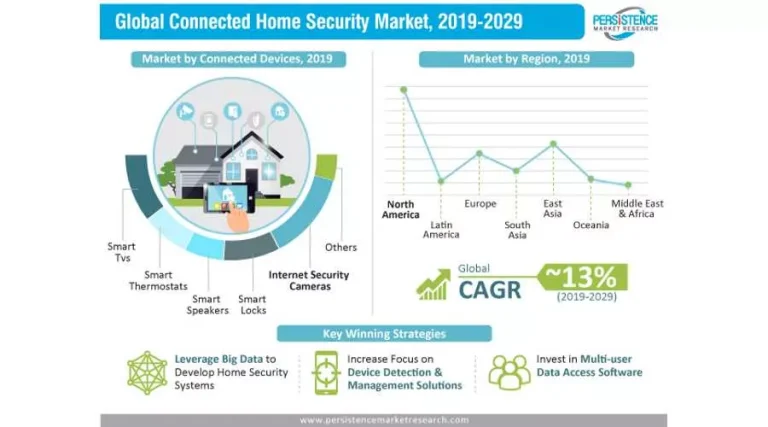
Smart device use varies widely across different regions and groups of people. These differences affect how often people check their phones, tablets, and other gadgets daily. Understanding these patterns helps businesses and creators tailor their content and services better. It also shows how culture and access influence digital habits.
Usage Variations By Country
People in some countries use smart devices much more than others. For example, users in South Korea and Japan often spend several hours daily on their phones. In contrast, users in parts of Africa and South America might use their devices less due to limited internet access. Economic factors and local technology trends shape these habits strongly.
Age And Gender Insights
Young people tend to use smart devices more than older adults. Teens and young adults often check their phones every few minutes. Women and men also show different usage patterns. Studies find women use social media apps more, while men spend more time on gaming and news apps. These trends vary but remain consistent across many regions.
Urban Vs Rural Patterns
People living in cities generally use smart devices more than those in rural areas. Urban areas have better internet and mobile coverage, enabling frequent device use. Rural users may rely on phones for calls but use apps and internet less often. This gap is shrinking as technology spreads, but differences remain clear.

Credit: electroiq.com
Future Trends In Smart Device Use
The way we use smart devices is evolving rapidly. New technologies and shifting habits are shaping how often and in what ways you interact with your gadgets. Understanding these future trends can help you stay ahead and make smarter choices about your device use.
Emerging Technologies
Smart devices are becoming smarter with AI-driven assistants, improved sensors, and better connectivity like 5G. These advancements allow devices to anticipate your needs and work more seamlessly in the background.
Imagine your smartwatch not just tracking your steps but predicting your health needs before you feel unwell. Or your home devices adjusting settings based on your mood detected through voice tone. These are no longer far-off ideas but actual developments happening now.
Changing User Behaviors
People are starting to use smart devices more intuitively and for longer periods each day. Instead of just checking notifications, many now use devices for managing daily tasks, entertainment, and even mental wellness.
Have you noticed how your screen time has shifted from scrolling social media to guided meditation apps or fitness tracking? This change reflects a broader trend where users seek meaningful interactions with technology rather than passive consumption.
Predictions For Device Integration
Future smart devices will work together more closely, creating a connected ecosystem around you. Your phone, watch, home assistant, and even your car will share data to offer a smooth, personalized experience.
Think about leaving your house without manually adjusting your thermostat or locking doors—the system will do it for you automatically. How ready are you to rely on this level of automation in your daily life?
Frequently Asked Questions
How Frequently Do Users Check Their Smartphones Daily?
On average, people check their smartphones about 96 times a day. This equates to roughly once every 10 minutes. The frequent usage is driven by various factors. These include social media notifications, messaging apps, and email alerts. This habit reflects the integral role smartphones play in daily life.
What Smart Devices Are Used Most Often?
Smartphones top the list of most frequently used smart devices. They are followed by smart speakers, tablets, and wearables. Smartphones are versatile, serving as communication, entertainment, and productivity tools. Their widespread functionality makes them indispensable to users. Other smart devices are used based on specific needs and preferences.
Do People Use Smart Devices More During Certain Times?
Yes, smart device usage peaks during morning and evening hours. In the morning, people check notifications and news updates. Evening usage often involves streaming services and social media interactions. These time periods align with personal routines. They reflect how smart devices fit into daily schedules.
Why Do People Use Smart Devices So Frequently?
Smart devices provide convenience, connectivity, and entertainment. They offer immediate access to information, social networks, and entertainment platforms. This constant connectivity enhances productivity and leisure. It makes smart devices essential in personal and professional contexts. The range of apps and services also drives frequent usage.
Conclusion
People use their smart devices many times each day. These devices help with work, fun, and staying connected. Using them often has become a normal part of life. Balancing screen time and real-world activities is important. Everyone should find a healthy way to use technology.
Smart devices will stay a key part of our daily routines. Understanding usage habits helps us make better choices. Keep in mind how much time you spend on your device. Small changes can improve focus and well-being.