How to Detect Counterfeit Electronic Components: Expert Tips Revealed
Are you worried about buying fake electronic parts that could damage your projects or devices? Detecting counterfeit electronic components isn’t always easy, but it’s crucial to protect your work and investment.
You’ll learn simple yet effective ways to spot fake parts before they cause costly problems. Keep reading, and you’ll gain the confidence to identify genuine components every time. Your electronics deserve the best—let’s make sure you get just that.
Importance Of Detecting Counterfeit Electronics
Detecting counterfeit electronic components is crucial for safety and performance. Fake parts can fail quickly and cause serious problems. They may lead to device malfunctions or complete breakdowns. Using genuine components ensures long-lasting and reliable products.
Counterfeit electronics can damage a company’s reputation. Customers lose trust when products do not work as expected. This can reduce sales and hurt business growth. Detecting fake parts early protects brand integrity and customer satisfaction.
Safety Risks Associated With Counterfeit Components
Counterfeit parts often lack proper quality control. This increases the chance of electrical shorts, overheating, or fires. Safety hazards can endanger users and workers handling the devices. Detecting fakes helps prevent accidents and injuries.
Financial Losses Due To Fake Electronics
Replacing failed counterfeit components costs money and time. Production delays and warranty claims add to expenses. Companies may face legal penalties for using substandard parts. Early detection saves money and reduces financial risks.
Impact On Product Performance And Reliability
Fake components rarely meet performance standards. This leads to product failures and poor user experience. Genuine parts ensure devices work as designed and last longer. Detecting counterfeits maintains high product quality and reliability.
Protecting The Supply Chain Integrity
Counterfeit parts often enter supply chains through unauthorized sellers. This threatens the entire manufacturing process. Detecting fake components helps maintain a secure and trustworthy supply chain. It ensures all parts meet necessary standards and specifications.
Common Types Of Counterfeit Components
Counterfeit electronic components come in various forms, each with unique risks and signs. Knowing these common types helps in identifying fake parts early. This knowledge protects devices from failure and reduces costly repairs.
Recycled Parts
Recycled parts are used components taken from old devices. They are cleaned and resold as new. These parts may look fine but often fail quickly. Signs include worn-out pins, scratches, and faded markings. Recycled parts lack manufacturer testing and certification.
Remarked Components
Remarked components have altered markings to hide their real identity. Sellers change model numbers or date codes to make old parts seem new. These parts may have inconsistent fonts or uneven printing. Remarking tricks buyers into paying for premium items at lower quality.
Cloned Chips
Cloned chips are copies of genuine products made by unauthorized factories. They mimic design but use cheaper materials. Clones fail faster and can cause device damage. Differences include minor design errors and unusual packaging. Cloned chips rarely meet original performance standards.
Visual Inspection Techniques
Visual inspection is one of the quickest and most accessible ways to spot counterfeit electronic components. Your eyes can catch subtle differences that machines might miss, especially if you know exactly what to look for. Paying close attention to details often separates genuine parts from fake ones before you even power up your device.
Surface Markings
Check the component’s surface markings carefully. Authentic parts usually have clear, sharp, and consistent markings, while counterfeit ones often show uneven fonts, smudges, or missing information.
Have you ever noticed a tiny difference in font size or alignment on a chip? That’s a huge red flag. Look for inconsistencies in logos, date codes, and serial numbers. If the markings look too perfect or too worn out, be suspicious.
Packaging Anomalies
Packaging tells a story too. Genuine components come in well-sealed, branded packages with proper labels and batch numbers. Counterfeit parts might have damaged or poorly sealed packaging, missing labels, or incorrect logos.
Have you ever opened a package and felt something was off? Maybe the plastic was too flimsy or the box had spelling errors. These small details can save you from costly mistakes.
Pin Configuration
Examine the pins closely. Real components have pins that are uniform in size, shape, and spacing. Bent, uneven, or corroded pins often indicate a fake or recycled part.
Try comparing the pins with a datasheet or a known genuine part. Can you spot any differences? Even slight variations in pin thickness or plating color can reveal counterfeit components.
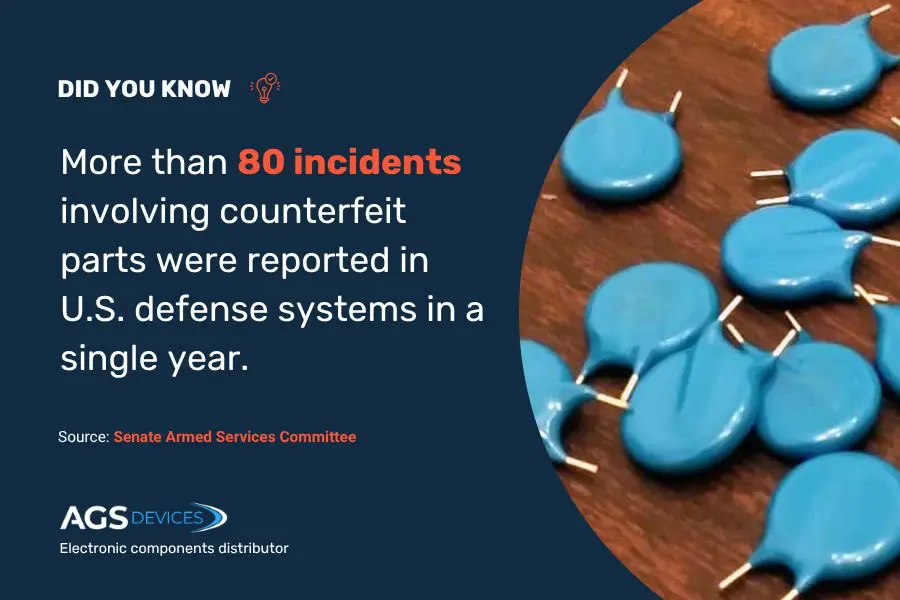
Credit: www.agsdevices.com
Advanced Testing Methods
Advanced testing methods help you uncover counterfeit electronic components that basic checks might miss. These techniques go beyond surface inspections and dive deep into the component’s structure and behavior. Understanding these methods can save you from costly mistakes and ensure your devices perform reliably.
X-ray Analysis
X-ray analysis lets you see inside a component without damaging it. This method reveals the internal structure, such as wire bonds and die placement, which are often altered in counterfeit parts.
If you’ve ever wondered why some chips fail prematurely despite looking genuine, internal defects or mismatches could be the cause. X-ray machines can detect these inconsistencies quickly, helping you identify fake parts before they cause problems.
Decapsulation
Decapsulation involves removing the outer packaging of a chip to inspect the die directly. This process exposes the internal silicon, allowing you to verify the manufacturer’s markings and compare them with authentic samples.
Imagine ordering a high-end microcontroller but receiving a cheap clone inside. Decapsulation reveals this deception by showing details like die size and layout that counterfeiters often overlook.
Functional Testing
Functional testing checks if a component operates as it should under real conditions. You apply power and signals, then measure outputs to confirm performance matches the specifications.
Have you ever tested a batch of parts only to find some behave erratically? Functional testing catches these issues by simulating actual use, so you avoid integrating faulty components into your projects.
Utilizing Authentication Services
Utilizing authentication services helps verify the origin and quality of electronic parts. These services reduce the risk of counterfeit components entering the supply chain. They offer reliable ways to confirm a component’s authenticity through expert checks and data validation.
Third-party Verification
Third-party verification involves independent labs or companies that specialize in testing electronic components. They use advanced tools to inspect parts for signs of counterfeiting, such as altered markings or substandard materials. These services provide detailed reports with test results and certification. Using third-party verification adds a layer of trust and ensures components meet industry standards.
Trusted Supplier Networks
Trusted supplier networks connect buyers with verified component distributors and manufacturers. These networks screen suppliers carefully to guarantee genuine products. They often share information on known counterfeit risks and suspicious parts. Purchasing through trusted networks lowers the chance of receiving fake components. It also simplifies the supply process by offering verified sources in one place.
Credit: suntsu.com
Technological Tools For Detection
Technology plays a vital role in spotting fake electronic parts before they cause costly problems. The tools available today are smarter and more precise than ever, helping you verify authenticity quickly. Using these tools can save your projects from unexpected failures and protect your reputation.
Ai-based Solutions
AI tools analyze vast amounts of data to identify suspicious patterns in electronic components. They can compare images, datasheets, and manufacturing details against trusted databases in seconds. This means you catch inconsistencies that might slip past human inspection.
One practical use is image recognition software that detects subtle differences in component markings or packaging. Have you ever noticed tiny font changes or color shifts that didn’t seem right? AI spots those instantly, helping you avoid counterfeit chips that look nearly identical to real ones.
Besides visual checks, AI evaluates supply chain data to flag unusual sources or price drops that could indicate fake parts. This proactive approach helps you focus on high-risk items without wasting time on every component.
Blockchain Tracking
Blockchain technology offers a secure way to track electronic components from production to delivery. Each part’s history is recorded in an unchangeable ledger, giving you clear proof of origin. This transparency makes it much harder for counterfeit parts to enter your supply chain.
By scanning a QR code or serial number, you can access detailed information about the component’s manufacturing date, batch, and shipping route. This level of traceability helps you verify authenticity before use.
Imagine receiving a batch of microchips with no clear history—would you trust them? Blockchain removes that doubt by providing a tamper-proof record, making your buying decisions more confident and informed.
Best Practices For Procurement
Securing authentic electronic components begins with smart procurement choices. Your approach to selecting and working with suppliers can significantly reduce the risk of counterfeit parts entering your supply chain. Focus on building strong, transparent partnerships and enforcing strict controls throughout the buying process.
Supplier Audits
Regular supplier audits are essential to verify the legitimacy and reliability of your sources. Visiting suppliers in person or through virtual inspections helps you assess their facilities, inventory management, and quality controls. Ask yourself: do they maintain clear records and traceability for every batch?
During audits, look for certifications like ISO 9001 or industry-specific approvals. These show a commitment to quality and compliance. Also, check if suppliers have implemented anti-counterfeit policies and have a process to handle suspicious components.
Don’t hesitate to request references from other customers or industry partners. Hearing about their experiences can reveal hidden risks or confirm a supplier’s trustworthiness.
Quality Assurance Protocols
Establishing strict quality assurance (QA) protocols within your procurement process can catch counterfeit components early. Implement incoming inspections that test physical attributes, markings, and electrical performance before parts enter your production line.
Use tools like X-ray fluorescence (XRF) analyzers and decapsulation to verify material composition and internal structures. These methods can detect subtle differences that counterfeit parts often have.
Train your team to spot red flags such as inconsistent packaging, unusual pricing, or missing documentation. Encouraging vigilance at every step makes your defense against fakes stronger.
Have you considered setting up a quarantine area for new parts until they pass all quality checks? This small step can save you from costly recalls or failures later.

Credit: electroniccomponent.com
Industry Standards And Regulations
Industry standards and regulations are essential tools to help you spot counterfeit electronic components before they cause costly problems. These rules create a baseline for quality and traceability, making it easier to verify if a component is genuine. Understanding these standards empowers you to protect your projects and investments from fake parts that can fail or damage your systems.
Iso Certifications
ISO certifications, especially ISO 9001, set clear quality management guidelines for manufacturers and suppliers. When a company holds this certification, it shows their commitment to consistent production processes and product quality. You can check if your component supplier is ISO certified to reduce the risk of counterfeit parts slipping through.
Another important certification is ISO/IEC 17025, which ensures that testing laboratories operate competently and generate reliable results. If you send components for testing, choosing a lab with this accreditation guarantees trustworthy verification. Have you ever wondered how much safer your supply chain would be if all your testing came from accredited labs?
Government Guidelines
Governments worldwide have established regulations to combat counterfeit electronic components. For example, the U.S. Defense Federal Acquisition Regulation Supplement (DFARS) requires defense contractors to implement strict counterfeit avoidance measures. If you work with government contracts, these rules directly impact your sourcing and inspection practices.
Many countries also participate in international programs like the World Customs Organization’s (WCO) efforts to track and seize counterfeit goods. Staying informed about these regulations helps you understand the legal risks and responsibilities involved. Are you aware of the specific government standards that apply to your industry and how they can protect your supply chain?
Future Trends In Counterfeit Detection
Detecting counterfeit electronic components is becoming more challenging as counterfeiters use increasingly sophisticated methods. Staying ahead means embracing the latest trends and technologies. Understanding what lies ahead can help you protect your projects and investments effectively.
Emerging Technologies
New detection tools use advanced imaging and AI to spot fake components faster and more accurately. Technologies like X-ray fluorescence (XRF) and machine learning analyze parts without damaging them. Imagine scanning a component with a handheld device that instantly tells you if it’s genuine—this is becoming a reality.
Some companies are also using blockchain to track components through the supply chain. This digital ledger ensures every step is recorded and verifiable. Could this be the key to making counterfeit parts nearly impossible to pass as real?
Global Collaboration Efforts
Counterfeit detection is no longer a solo effort. Manufacturers, governments, and industry groups are sharing data and resources globally. These partnerships create stronger defense networks against counterfeiters.
One example is the Global Electronics Council, which connects stakeholders worldwide to exchange intelligence on counterfeit trends. When you tap into such networks, you gain access to early warnings and best practices. Are you leveraging these collaborations to safeguard your supply chain?
Frequently Asked Questions
What Are Common Signs Of Counterfeit Electronic Components?
Counterfeit components often have inconsistent markings, poor packaging, and unusual weight. Inspect labels carefully. Verify serial numbers with manufacturers to detect fakes.
How Can Visual Inspection Help Detect Fake Components?
Visual checks reveal defects like blurred text, wrong fonts, or damaged pins. These signs usually indicate counterfeit parts, helping to avoid faulty electronics.
Why Is Testing Electronic Components Important For Authenticity?
Testing ensures components meet electrical specifications. Counterfeit parts often fail these tests, revealing poor quality or incorrect materials. Functional tests prevent device failures.
Where Can I Verify Electronic Component Authenticity?
Use manufacturer databases and authorized distributors for verification. Cross-check serial numbers and purchase from trusted suppliers to minimize counterfeit risks.
Conclusion
Detecting counterfeit electronic components protects your projects and devices. Always inspect parts carefully before use. Check labels, markings, and packaging for authenticity. Use trusted suppliers to reduce risks. Testing components can reveal hidden flaws. Staying alert helps avoid costly failures and safety issues.
Protect your work by staying informed and cautious. Small steps make a big difference in quality. Keep learning and checking to ensure genuine parts only.