What is a Wearable Technology Devices: Ultimate Guide to Innovations
Have you ever wondered how a small device on your wrist or clipped to your clothes can track your health, keep you connected, and even make your life easier? That’s the power of wearable technology devices.
These gadgets are designed to stay with you throughout your day, helping you monitor your fitness, manage notifications, and stay organized without interrupting your flow. If you want to discover how these smart devices work and why they might become your new favorite companion, keep reading—what you learn could change the way you live and move every day.
Wearable Tech Basics
Wearable technology devices are gadgets you can wear on your body. They collect data and help you stay connected. These devices blend technology with daily life. They often track health, fitness, or provide smart notifications.
Wearables are designed to be small and easy to use. They often connect to smartphones or computers. This connection allows users to see detailed information and control settings.
Types Of Wearable Devices
- Smartwatches – Track time, fitness, and notifications.
- Fitness Trackers – Monitor steps, heart rate, and sleep.
- Smart Glasses – Provide hands-free information display.
- Wearable Cameras – Capture photos and videos on the go.
- Health Monitors – Measure vital signs like blood pressure.
- Virtual Reality Headsets – Create immersive digital experiences.
- Smart Clothing – Embedded sensors to track movement.
Key Features And Components
- Sensors – Detect movement, heart rate, or temperature.
- Display – Shows time, messages, or health data.
- Battery – Powers the device for hours or days.
- Processor – Runs software and processes data.
- Connectivity – Bluetooth or Wi-Fi links to other devices.
- Storage – Saves data locally for later use.
- Software – Apps that analyze and present data.
Popular Wearable Devices
Popular wearable devices have become a part of daily life for many people. These gadgets offer convenience, health insights, and new ways to interact with technology. Understanding the different types can help you choose the right one to fit your needs.
Smartwatches And Fitness Trackers
Smartwatches and fitness trackers are among the most common wearable devices. They track your steps, heart rate, and even sleep patterns, helping you stay on top of your health goals.
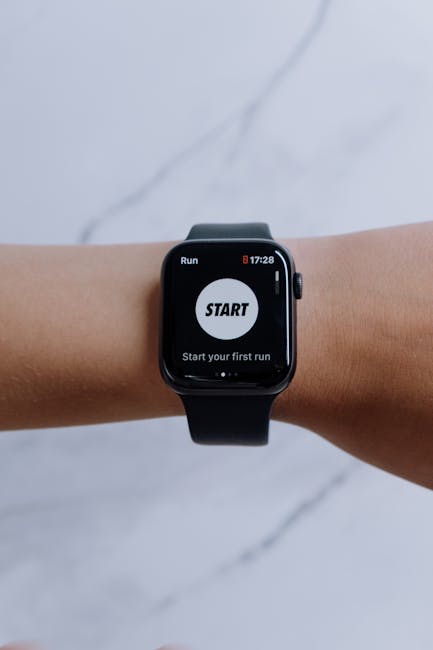
Smartwatches go beyond fitness by offering notifications, music control, and apps right on your wrist. Many users find themselves relying on these features to stay organized throughout the day.
Have you noticed how quickly you reach for your wrist to check messages instead of your phone? That small convenience often turns into a big time-saver.
Wearable Health Monitors
Wearable health monitors focus on providing detailed medical data. Devices like continuous glucose monitors or blood pressure trackers give real-time updates that can be crucial for managing chronic conditions.
These devices often connect to apps that alert you or your doctor when something is off. This constant monitoring can prevent emergencies and improve overall health management.
Would having instant health feedback change the way you handle your wellness routine?
Augmented Reality Glasses
Augmented reality (AR) glasses blend digital information with the real world. They display data, directions, or notifications right in front of your eyes without blocking your view.
This technology is popular in gaming, industrial work, and even education. Wearing AR glasses can transform how you interact with your surroundings in real time.
Imagine getting step-by-step instructions while fixing something without looking away. How could this hands-free info boost your productivity?
Wearable Cameras And Audio Devices
Wearable cameras and audio devices let you capture moments or stay connected without holding a phone. From body cams used by professionals to earbuds that translate languages instantly, the options are diverse.
These gadgets are designed for ease of use and mobility. They offer a new level of freedom for recording experiences or managing communications on the go.
Have you ever wished you could record a moment without fumbling for your phone? Wearable cameras might be the answer.
Innovations Driving Wearables
Wearable technology devices have become a part of daily life. Their rapid evolution is fueled by continuous innovations. These advancements make wearables more efficient and useful. Let’s explore the key innovations driving these devices.
Advances In Sensors And Materials
Sensors in wearables have become more sensitive and precise. They can track a wide range of health metrics. Materials used in wearables are lighter and more durable. This improves comfort and functionality. Flexible electronics allow for new designs and applications.
Ai And Machine Learning Integration
AI and machine learning enhance the capabilities of wearables. They enable devices to analyze data in real-time. This allows for personalized feedback and insights. Wearables can learn user habits and adapt accordingly.
Battery Life And Energy Efficiency
Battery life is crucial for wearable technology. Recent innovations improve energy efficiency. Wearables now last longer between charges. This is achieved through better power management and low-energy components.
Connectivity And Data Sharing
Connectivity is key for wearables. Devices now support seamless data sharing. They connect easily with smartphones and other devices. This enables users to monitor and manage their data effortlessly.
Wearables In Healthcare
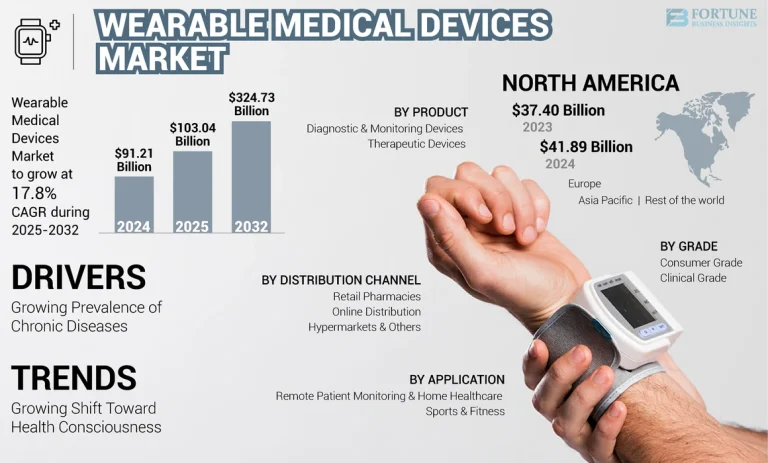
Wearable technology devices have moved beyond simple fitness tracking to play a vital role in healthcare. These gadgets offer continuous monitoring, timely data collection, and personalized feedback. They empower both patients and healthcare providers to make better decisions and improve outcomes.
Remote Patient Monitoring
Wearables enable you to track health metrics like heart rate, blood pressure, and oxygen levels without visiting a clinic. This real-time monitoring alerts doctors to any sudden changes, allowing quick intervention. Imagine avoiding a hospital visit because your wearable flagged an early warning—you save time and reduce stress.
Devices can send data directly to your healthcare provider, keeping them informed and involved in your care. This constant connection helps manage your health proactively instead of reacting to problems after they worsen.
Chronic Disease Management
If you live with conditions like diabetes or asthma, wearables offer valuable support. They remind you to take medication, track symptoms, and record triggers that worsen your condition. This information helps you and your doctor tailor treatments more effectively.
Using wearable data, you can spot patterns and make lifestyle adjustments that improve your quality of life. Have you ever noticed how small daily habits impact your health? Wearables make these connections clearer and easier to act on.
Fitness And Wellness Applications
Beyond medical use, wearables encourage a healthier lifestyle by tracking activity, sleep, and nutrition. They provide personalized goals and feedback that keep you motivated. You might find yourself walking more or sleeping better just by following these insights.
Many devices also offer mindfulness and stress management tools, addressing mental health alongside physical health. What if your watch could help you pause and breathe during a hectic day? This simple feature can improve focus and reduce anxiety.
Wearables In Sports And Fitness
Wearable technology devices have changed how athletes and fitness lovers train and improve. These gadgets provide real-time data and insights. They make sports and fitness activities smarter and safer. Wearables help users understand their body and performance better.
Performance Tracking
Wearables measure key fitness data like heart rate, steps, and calories burned. They track distance, speed, and movement during workouts. This data helps athletes see progress and set goals. Users can adjust their routines based on accurate, real-time feedback.
Injury Prevention
Wearable devices monitor strain and fatigue levels. They detect unusual patterns that may lead to injury. Alerts warn users to rest or change activity. This helps reduce the risk of muscle strains and joint problems. Wearables support safer training habits.
Training Optimization
Wearables analyze workout intensity and recovery time. They suggest rest periods and exercise adjustments. Athletes can customize training plans for better results. These devices help balance effort and recovery. Users maximize gains without overtraining.
Challenges And Limitations
Wearable technology devices offer many benefits but face several challenges and limitations. These issues affect how people use and trust these gadgets. Understanding these hurdles helps users and makers improve the technology over time.
Privacy And Security Concerns
Wearable devices collect a lot of personal data. This data includes health, location, and daily habits. Without strong protection, this data can be vulnerable to hackers. Many users worry about who can access their information. Companies must ensure strong security measures to protect user privacy.
Device Accuracy And Reliability
Wearable devices need to provide precise data to be useful. Sometimes sensors give incorrect or inconsistent readings. This can happen due to device quality or user movement. Inaccurate data can cause frustration or wrong health decisions. Improving sensor technology is key to better reliability.
User Adoption And Comfort
Not everyone feels comfortable wearing technology all day. Some devices are bulky or cause skin irritation. Others need frequent charging, which can be inconvenient. Users prefer devices that fit well and are easy to use. Comfort and design play a big role in adoption rates.
Future Trends In Wearables
The future of wearable technology promises exciting innovations that blend seamlessly with daily life. Wearables will become smarter, smaller, and more comfortable. They will offer new ways to interact and connect with the world around us.
Flexible And Implantable Devices
Wearable devices will no longer be limited to rigid forms. Flexible electronics will bend and stretch to fit the body perfectly. Implantable devices will monitor health silently from inside the skin. These devices will provide continuous data without discomfort. They will help track vital signs and detect illnesses early.
Enhanced User Interfaces
New interfaces will make using wearables easier and more natural. Voice commands and gesture controls will replace small buttons and screens. Augmented reality glasses will show information directly in front of the eyes. Haptic feedback will let users feel virtual touches. These changes will improve user experience and accessibility.
Integration With Smart Environments
Wearables will connect deeply with smart homes, cars, and cities. They will communicate with surrounding devices to create a seamless digital environment. For example, wearables could adjust home lighting or temperature based on your mood. This integration will make everyday tasks simpler and more efficient.
Frequently Asked Questions
What Are Wearable Technology Devices?
Wearable technology devices are electronic gadgets worn on the body. They track health, fitness, and enable smart interactions. Examples include smartwatches, fitness trackers, and smart glasses.
How Do Wearable Devices Work?
Wearable devices use sensors to collect data like heart rate or movement. They connect to smartphones or computers for data analysis and feedback.
What Are The Benefits Of Wearable Technology?
Wearables help monitor health, improve fitness, and increase productivity. They offer real-time insights, convenience, and personalized data to users.
Are Wearable Devices Safe To Use?
Most wearables are safe with minimal risks. Users should follow manufacturer guidelines and protect personal data to ensure privacy and security.
Conclusion
Wearable technology devices help us stay connected and track health easily. They fit into daily life without causing trouble. People use them for fitness, communication, and safety. These gadgets keep improving and becoming more useful. Choosing the right device depends on your needs and budget.
Wearables are part of the future, making life simple and smart. Try one to see how it can help you every day. Small tech, big impact.