
What Data Does Wearable Technology Collect: Essential Insights
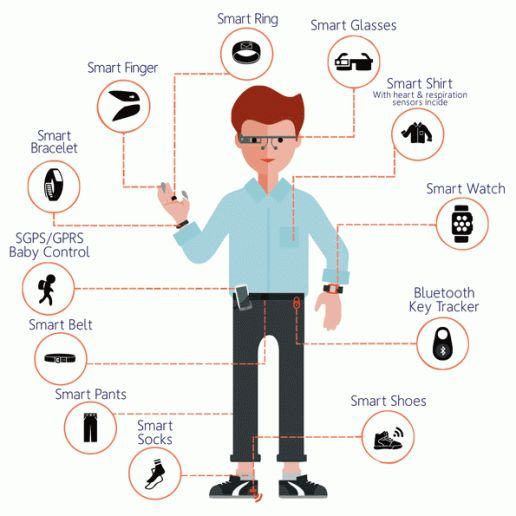
Have you ever wondered what kind of information your wearable device is gathering about you every day? From tracking your steps to monitoring your sleep, these tiny gadgets collect more data than you might realize.
Understanding what data your wearable technology collects can help you take control of your health and privacy. You’ll discover exactly what information is being recorded and how it impacts your daily life. Keep reading—you might be surprised by what you learn about your own habits and body.
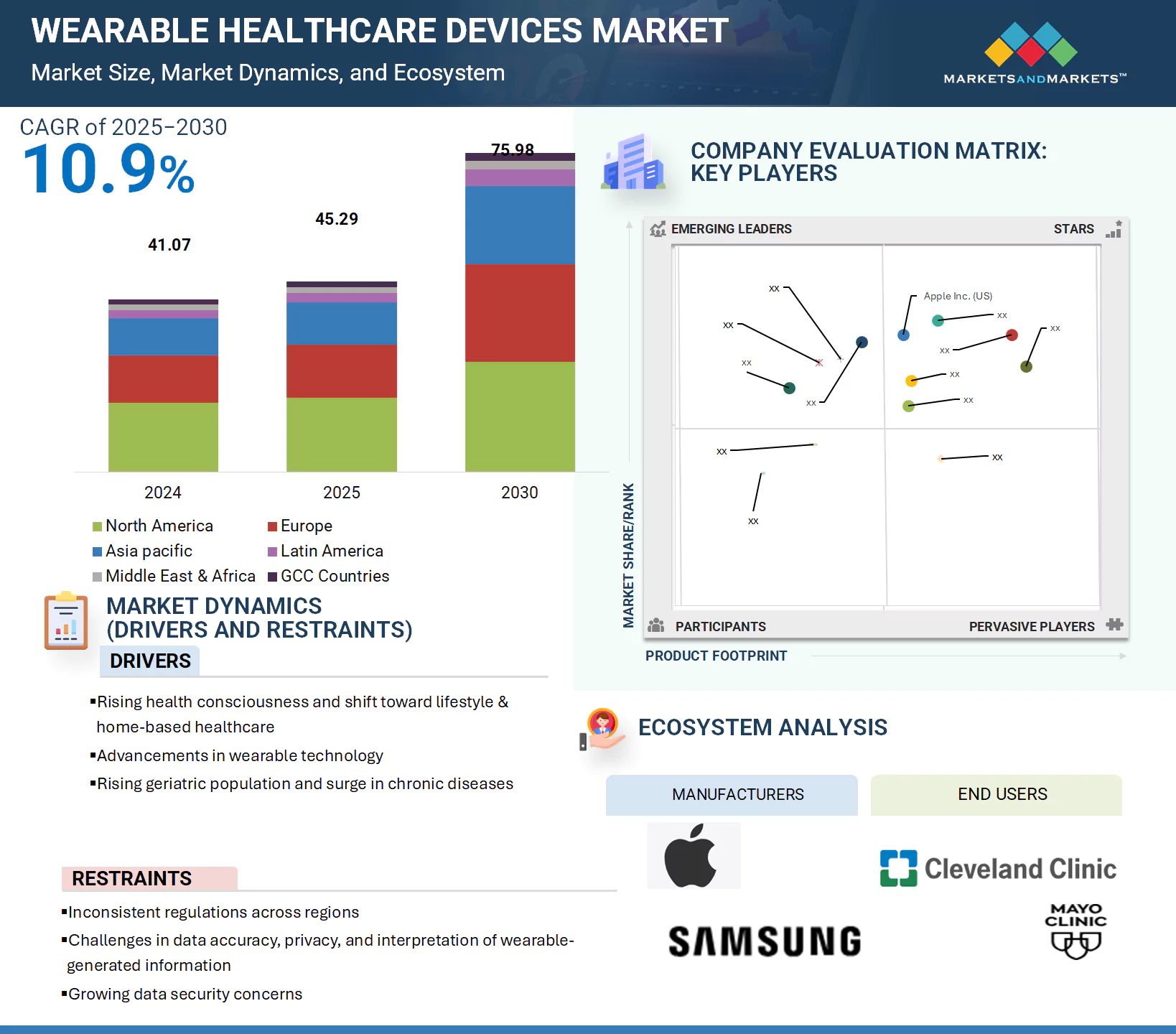
Credit: www.marketsandmarkets.com
Types Of Data Captured
Wearable technology gathers various types of data to help users monitor and improve their daily lives. These devices track multiple aspects of health, activity, and surroundings. Understanding the types of data captured reveals how wearables provide valuable insights.
Health Metrics
Wearables measure key health indicators like heart rate and sleep quality. They track blood pressure and oxygen levels in the blood. Many devices also monitor calories burned and hydration status. This data helps users stay aware of their health conditions.
Activity And Movement
Devices record physical activities such as walking, running, and cycling. They count steps, distance traveled, and active minutes. Some wearables detect changes in posture and balance. This information encourages more movement and fitness progress.
Environmental Data
Wearables capture data about the surrounding environment. This includes temperature, humidity, and air quality levels. Some devices measure UV exposure and noise levels. Environmental data helps users adapt to changing conditions.
Biometric Information
Biometric data includes unique body signals like fingerprints and facial recognition. Wearables may track stress levels through skin conductance. Some advanced devices analyze brain activity patterns. This data supports personalized health and security features.
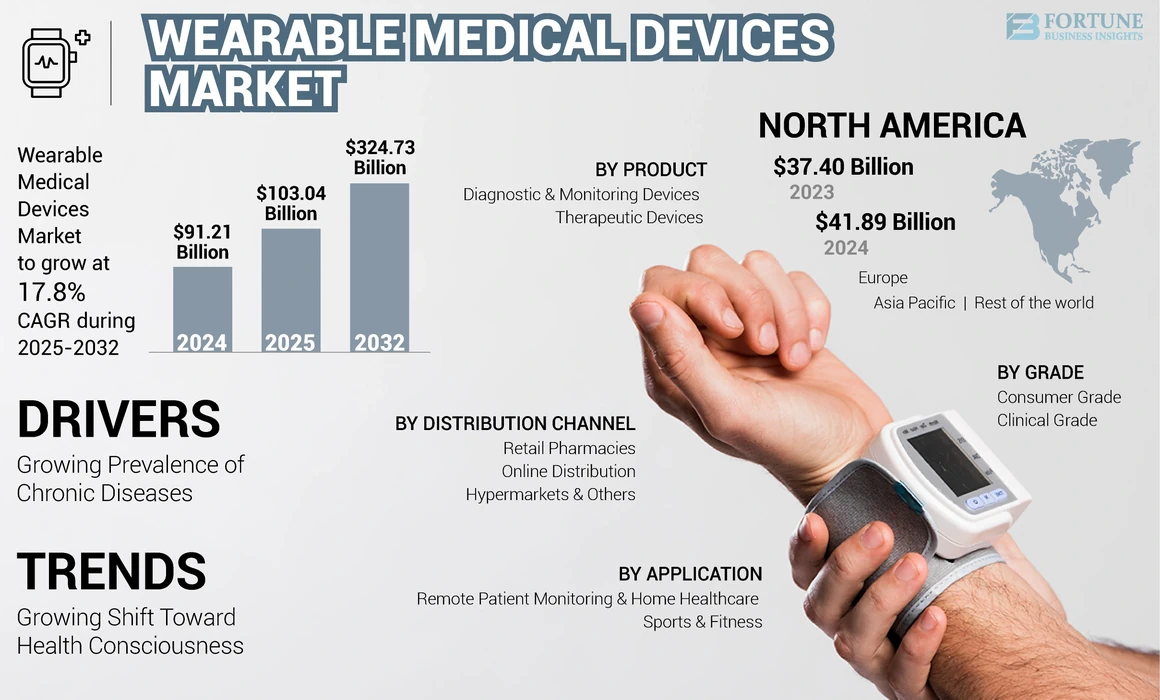
Credit: www.fortunebusinessinsights.com
Common Sensors In Wearables
Wearable technology relies on a variety of sensors to gather detailed information about your body and environment. These sensors work quietly in the background, capturing data that helps you monitor health, enhance workouts, and stay connected. Understanding the common sensors in wearables can give you a clearer picture of what your device tracks and how it benefits you daily.
Accelerometers And Gyroscopes
Accelerometers measure movement and orientation by detecting changes in speed and direction. They help your wearable track steps, detect falls, and analyze your activity levels. Gyroscopes complement accelerometers by measuring rotational motion, which is essential for detecting more complex movements like twisting or turning.
If you’ve ever wondered how your watch counts your steps so accurately during a workout, these sensors are the reason. They work together to provide a detailed picture of your physical activity, helping you set and meet fitness goals.
Heart Rate Monitors
Heart rate monitors use optical sensors that shine light through your skin to measure blood flow. This lets your wearable track your pulse continuously or on demand. Monitoring your heart rate helps you understand your fitness levels, stress, and recovery status.
Think about how knowing your heart rate during exercise can help you stay in the right training zone. It’s a simple yet powerful way to improve your workouts and keep your heart healthy.
Gps Trackers
GPS trackers pinpoint your location using satellites, enabling your wearable to map routes and measure distance traveled. This is particularly useful for runners, cyclists, and hikers who want to track their outdoor activities accurately. GPS data also helps you analyze pace and elevation changes.
Have you ever looked back at a map of your run or bike ride and wondered how far or fast you really went? GPS tracking answers that question with precise data, giving you insights to improve your performance.
Temperature Sensors
Temperature sensors measure the heat of your skin or the surrounding environment. This data can indicate changes in your body’s condition, such as fever or heat stress. Some wearables use temperature readings to adjust other measurements for better accuracy.
Monitoring your temperature might seem basic, but it provides crucial information about your health. Imagine catching early signs of illness just by glancing at your wearable’s data.
Data Collection Methods
Wearable technology gathers data using different methods. These methods help track health, activity, and other personal metrics. Understanding how data is collected shows how these devices work.
Continuous Monitoring
Continuous monitoring means the device collects data all the time. Sensors track heart rate, steps, sleep, and more without stopping. This method gives a full picture of your daily patterns. It helps spot changes or trends in your health quickly.
Event-triggered Recording
Event-triggered recording starts data collection only during specific events. For example, a wearable may record detailed data during exercise or falls. This saves battery and storage by focusing on important moments. It ensures the device captures key information when needed most.
User Input Data
Some wearables ask users to enter information manually. Users can log meals, mood, or symptoms through an app. This data helps add context to sensor readings. User input makes the collected data more complete and personalized.

Credit: www.latimes.com
Data Usage And Benefits
Wearable technology collects a wide range of data that can directly impact your daily life and well-being. Understanding how this data is used can help you make smarter decisions about your health and fitness. It also reveals the benefits that go beyond just counting steps or calories.
Personal Health Tracking
Your wearable gathers vital signs like heart rate, sleep patterns, and stress levels. This data helps you notice changes early—maybe your sleep quality dips or your heart rate spikes during stressful moments.
By tracking these details regularly, you can adjust habits before small issues become big problems. Have you ever noticed how a simple change in your bedtime affects your energy the next day? Wearables put that insight right at your fingertips.
Fitness And Performance
Wearables measure your physical activities such as steps, distance, and calories burned. They also track more advanced metrics like VO2 max or recovery time, which can boost your workout efficiency.
If you’re training for a race, the data helps you pace yourself and avoid injuries. Instead of guessing how hard to push, you get real feedback that keeps you improving steadily.
Medical Applications
Doctors increasingly use data from wearables to monitor chronic conditions like diabetes or heart disease. Continuous data collection means quicker responses to potential health issues.
This technology even supports remote patient care, reducing the need for frequent hospital visits. Imagine your doctor catching a problem early because your wearable flagged unusual patterns—you stay healthier and save time.
Privacy And Security Concerns
Wearable technology collects sensitive personal data that raises privacy and security concerns. Users share health, location, and activity details that need protection. Safeguarding this information is vital to prevent misuse or theft. Understanding the risks helps users make safer choices and demand better protections.
Data Storage Risks
Data collected by wearables often stores on cloud servers. These servers face hacking risks and data breaches. Poor security measures can expose user information to cybercriminals. Storing large amounts of personal data increases the impact of any breach. Users must trust companies to use strong encryption and security protocols.
User Consent And Control
Users should know exactly what data wearables collect. Many devices gather more information than expected. Clear consent is necessary before any data collection happens. Users need easy options to control or delete their data. Transparency about data use builds trust and respects privacy rights.
Regulatory Compliance
Wearable tech companies must follow privacy laws like GDPR or HIPAA. These rules protect user data and set standards for handling it. Compliance requires regular audits and secure data management. Laws vary by country, so global companies face complex challenges. Users benefit when companies stick to legal privacy frameworks.
Future Trends In Data Collection
Wearable technology is evolving fast, changing how devices collect data. New trends focus on making data collection smarter and more detailed. These advances will improve personal health insights and everyday convenience.
Advanced Sensor Integration
Future wearables will include more sensors in smaller spaces. Sensors will track things like blood oxygen, hydration, and even stress levels. They will work together to give a full picture of health and activity. This means data will be richer and more precise than before.
Ai And Predictive Analytics
Artificial intelligence will analyze data in real-time. It will predict health issues before they happen. AI will learn from user patterns to provide personalized advice. This helps users make better choices for their well-being.
Expanded Health Monitoring
Wearables will monitor deeper health metrics beyond steps and heart rate. They may check blood sugar, detect irregular heartbeats, and track sleep quality. Continuous health monitoring will support early diagnosis and better treatment. Users will get more useful data to manage their health daily.
Frequently Asked Questions
What Types Of Data Do Wearables Collect?
Wearable technology collects data like heart rate, steps, sleep patterns, calories burned, and GPS location. Some also track oxygen levels and stress.
How Is Health Data From Wearables Used?
Health data helps monitor fitness progress, detect irregularities, and support medical decisions. It encourages healthier habits and personalized care.
Can Wearables Track Sleep Quality Accurately?
Yes, wearables use sensors to track sleep stages, duration, and disturbances. This data helps improve sleep habits and overall health.
Is Location Tracking A Common Feature In Wearables?
Many wearables include GPS to track running routes, cycling paths, and daily movements. This enhances workout analysis and safety features.
Conclusion
Wearable technology collects many types of data every day. It tracks steps, heart rate, sleep patterns, and more. This information helps users understand their health better. It also supports doctors in making smarter decisions. Privacy matters a lot when sharing this data.
Users should know what is collected and how it is used. Wearables continue to grow and change quickly. They offer useful insights for a healthier lifestyle. Understanding data from wearables helps people make good choices. It’s a simple way to stay aware and active.


