How to Learn Electronics Components: Master the Basics Fast
Are you ready to unlock the mysteries of electronics components? Whether you want to fix gadgets, build your own devices, or simply understand how things work, learning about electronics is a powerful skill.
But where do you start? How do you make sense of all those tiny parts with strange names? This guide will break it down step-by-step, making it easy and fun for you to grasp. By the end, you’ll feel confident spotting components and knowing exactly what they do.
Keep reading, and watch your curiosity turn into real knowledge you can use every day.
Understanding Basic Electronics
Understanding basic electronics forms the foundation for learning electronic components. It helps to know how electricity flows and how different parts work together. This knowledge makes it easier to study circuits and build projects.
Start by learning simple concepts like voltage, current, and resistance. These ideas explain how power moves through a circuit. Knowing these basics helps you understand the behavior of components.
What Is Electricity?
Electricity is the flow of electric charge through a material. It powers devices and makes circuits work. Two main types exist: direct current (DC) and alternating current (AC). DC flows in one direction. AC changes direction regularly.
Key Electrical Units
- Voltage (V):The force that pushes electric current.
- Current (I):The flow of electric charge, measured in amperes (amps).
- Resistance (R):The opposition to current flow, measured in ohms.
These units help describe how circuits function. Understanding their relationship is crucial for learning components.
Basic Electronic Components
| Component | Function | Symbol |
|---|---|---|
| Resistor | Limits current flow | R |
| Capacitor | Stores and releases electrical energy | C |
| Diode | Allows current in one direction | D |
| Transistor | Amplifies or switches signals | Q |
Reading Circuit Diagrams
Circuit diagrams use symbols to show components and connections. Learning these symbols helps you understand and build circuits. Practice by identifying parts in simple diagrams.
How Components Work Together
Components combine to control current and voltage. Circuits perform tasks like lighting LEDs or amplifying sound. Understanding how parts interact improves your electronics skills.
Essential Tools For Electronics Learning
Getting hands-on with electronics components means having the right tools at your fingertips. These tools not only make your learning easier but also help you understand how each part works practically. Without them, you might struggle to test, connect, or even identify components correctly.
Soldering Iron and Accessories
A soldering iron is essential for joining components on a circuit board. It allows you to create strong electrical connections that won’t easily break.
Start with a basic soldering kit that includes solder wire, a stand, and a desoldering pump. These accessories help you fix mistakes and practice safely.
Multimeter
Wondering how to check if a resistor or capacitor works? A multimeter answers that question by measuring voltage, current, and resistance.
Using a multimeter teaches you how components behave in a circuit. It’s one of the best ways to troubleshoot and verify your projects.
Breadboard and Jumper Wires
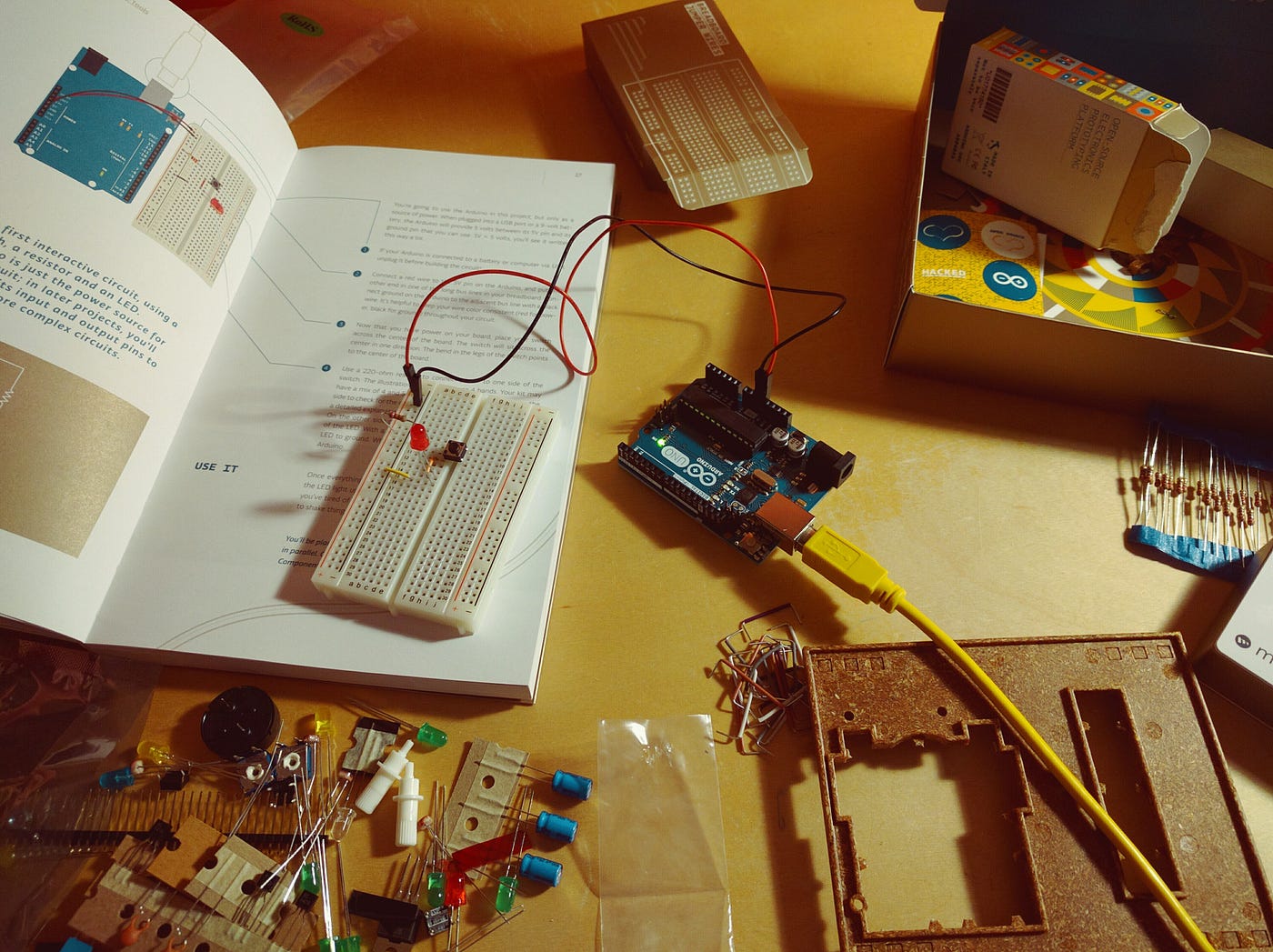
A breadboard lets you build circuits without soldering. This tool is perfect for trying out ideas and learning how different components connect.
Pair it with jumper wires to make quick connections. This setup saves you from permanent mistakes and encourages experimentation.
Component Kit
Having a variety of components like resistors, capacitors, LEDs, and transistors on hand speeds up learning. It lets you test and combine parts to see real results.
Look for kits that include a wide range of values and types. This variety helps you understand each component’s role in circuits.
Digital Oscilloscope
Curious about how signals move through your circuits? An oscilloscope shows waveforms in real-time, revealing details you can’t see otherwise.
Though not always cheap, entry-level models are available and worth the investment if you want deeper insight into electronics.
Resistors And Their Function
Resistors are basic parts in electronic circuits. They control the flow of electric current. Without resistors, circuits could get damaged by too much current. They help set the right voltage and current for other parts to work well. Understanding resistors is key to learning electronics.
Types Of Resistors
Resistors come in many forms. Each type fits different needs in a circuit.
- Fixed Resistors:These resistors have a set resistance value. They do not change during use.
- Variable Resistors:Also called potentiometers. You can adjust their resistance manually.
- Wirewound Resistors:Made by winding wire around a core. They handle high power and heat.
- Carbon Film Resistors:Made from carbon material. Common and inexpensive.
- Metal Film Resistors:Have a metal layer. More precise and stable than carbon film.
Calculating Resistance
Resistance is measured in ohms (Ω). It shows how much a resistor limits current.
The value is often read using color bands on the resistor body. Each color means a number.
Use this simple formula to find resistance in a circuit:
| Formula | Description |
|---|---|
| R = V / I | Resistance (R) equals Voltage (V) divided by Current (I) |
This formula comes from Ohm’s Law. It helps calculate unknown values in circuits.
Capacitors And Their Role
Capacitors are key components in electronic circuits. They store and release electrical energy quickly. This ability helps control voltage and smooth out signals. Understanding capacitors is essential for anyone learning electronics. They influence how circuits behave and perform.
Types Of Capacitors
Capacitors come in many types, each serving a different purpose. Here are some common ones:
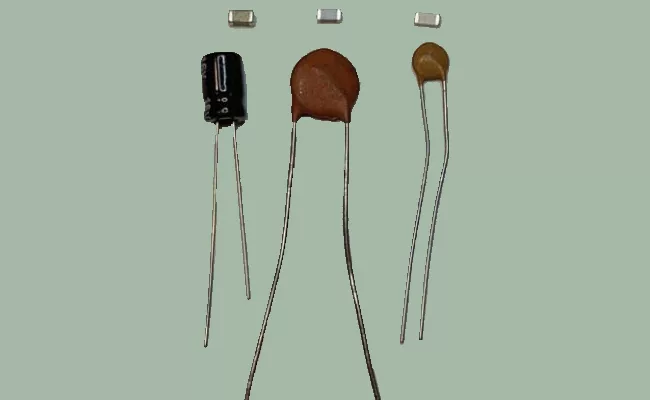
- Ceramic Capacitors:Small, cheap, and used for high-frequency circuits.
- Electrolytic Capacitors:Larger, with high capacitance, used in power supplies.
- Tantalum Capacitors:Stable and reliable, often used in audio devices.
- Film Capacitors:Durable and precise, used in signal processing.
- Supercapacitors:Store a large amount of energy, used in backup power systems.
Each type has different size, voltage rating, and lifespan. Choosing the right capacitor depends on the circuit needs.
Capacitance In Circuits
Capacitance measures a capacitor’s ability to store charge. It is measured in farads (F), usually microfarads (µF) or picofarads (pF). Higher capacitance means more charge storage.
In circuits, capacitors:
- Block direct current (DC) but allow alternating current (AC) to pass.
- Smooth out voltage fluctuations in power supplies.
- Filter noise from signals for clearer output.
- Store energy for quick release in timing circuits.
- Couple signals between different circuit parts without direct electrical connection.
Understanding how capacitance affects circuit behavior helps build better electronics. Experimenting with different capacitors shows their impact clearly.
Diodes And Their Applications
Diodes are fundamental components in electronics that control the flow of current in one direction. Understanding diodes and how they work opens up a world of practical applications, from power supplies to signal processing. If you want to build or repair circuits, getting familiar with diodes will give you a solid foundation.
Types Of Diodes
There are several types of diodes, each designed for specific tasks. Knowing their differences helps you choose the right one for your project.
- Standard (PN Junction) Diode:Allows current to flow in one direction only. Used mainly for rectification.
- Zener Diode:Designed to allow current to flow backward when a certain voltage is reached. Useful for voltage regulation.
- Light Emitting Diode (LED):Emits light when current flows through it. Widely used for indicators and displays.
- Schottky Diode:Has a low forward voltage drop, making it ideal for high-speed switching.
- Photodiode:Generates current when exposed to light, commonly used in sensors.
Have you noticed how choosing the correct diode can prevent circuit failure? This small decision often makes or breaks your design.
Rectification Process
Rectification is the process of converting alternating current (AC) into direct current (DC). Diodes play a crucial role here by allowing current to pass during the positive half-cycle and blocking it during the negative half-cycle.
Two common types of rectification circuits are:
- Half-Wave Rectifier:Uses one diode to pass only one half of the AC waveform.
- Full-Wave Rectifier:Uses multiple diodes to convert both halves of the AC waveform into DC.
Understanding how rectification works will help you troubleshoot power supply issues more effectively. Can you imagine how your gadgets would function without this simple yet vital process?
Transistors And Amplification
Transistors play a vital role in electronics. They control electrical signals and amplify them. Understanding transistors helps you build circuits that can switch and increase power. Amplification means making a weak signal stronger without changing its shape. This is crucial for radios, audio devices, and many electronic gadgets. Learning about transistors opens doors to many electronics projects.
Types Of Transistors
There are mainly two types of transistors:
- Bipolar Junction Transistor (BJT):Uses both electrons and holes to conduct current. It has three layers called emitter, base, and collector.
- Field Effect Transistor (FET):Controls current using an electric field. It has three terminals: source, gate, and drain.
BJTs are common in amplification and switching circuits. FETs are popular for low power and high-speed applications. Each type has unique features and uses. Knowing these helps you select the right transistor for your project.
Transistor As A Switch
Transistors can act like electronic switches. They turn current flow on or off in a circuit. This switching ability is key in digital circuits and microcontrollers. When the base or gate receives a small current, the transistor allows a larger current to flow.
This small input controls a bigger output. It saves energy and space compared to mechanical switches. Using transistors as switches enables fast and reliable control in electronics. It’s a foundation for building logic gates and computers.
Integrated Circuits Basics
Integrated circuits, or ICs, are tiny electronic devices that combine many components in one package. They perform various functions in electronic circuits, such as amplification, switching, and signal processing. Learning the basics of ICs helps beginners understand how modern electronics work. ICs come in different types and sizes, each designed for specific tasks. Knowing their common types and how to read their pin layouts is essential for building and troubleshooting circuits.
Common Ics To Know
- 555 Timer:Used for timing, pulse generation, and oscillation.
- Op-Amp (Operational Amplifier):Amplifies voltage signals in audio and sensor circuits.
- Logic Gates:Perform basic digital operations like AND, OR, NOT.
- Microcontrollers:Small computers that control devices and processes.
- Voltage Regulators:Maintain stable voltage in power supplies.
Ic Pin Configurations
IC pins connect the chip to the rest of the circuit. Each pin has a specific function like power, ground, input, or output. Pin numbers are usually marked on the IC package. Learning pin configuration prevents wiring errors and damage.
Many ICs use a Dual In-line Package (DIP) with pins on two sides. The notch or dot on one end helps identify pin 1. Pins count up counterclockwise from pin 1. Reading datasheets gives exact pin details for each IC type.

Credit: www.youtube.com
Practical Circuit Building
Practical circuit building is the heart of learning electronics components. It transforms theory into hands-on skills and helps you understand how each part works in real life. Getting your hands on circuits makes concepts stick and sparks curiosity about how devices around you function.
Breadboarding Techniques
Breadboards are your best friend when starting with circuits. They let you build and test without soldering, so you can change things quickly. Try organizing components neatly and keep wires short to avoid confusion and mistakes.
Use color-coded jumper wires to track connections easily. For example, red for power and black for ground helps you spot errors faster. Also, test your circuit step-by-step instead of building everything at once—this saves time troubleshooting.
Soldering Basics
Soldering is essential when you want to make your circuit permanent. Start with a simple soldering iron and practice on spare components before working on your project. Good solder joints look shiny and smooth, not dull or blob-like.
Keep your soldering tip clean by wiping it on a damp sponge frequently. Hold the iron on the joint just long enough to melt the solder; too much heat can damage components. Ask yourself: does your solder joint look strong and secure or messy and weak?
Safety Precautions In Electronics
Working with electronic components requires care and attention. Safety precautions protect you from shocks, burns, and other injuries. They also prevent damage to the components and your workspace. Following simple rules keeps learning fun and safe.
Wear Protective Gear
Always wear safety glasses to protect your eyes from sparks or debris. Use insulated gloves when handling high-voltage parts. Avoid loose clothing or jewelry that can catch on equipment.
Power Off Before Handling
Disconnect power sources before touching any circuit or component. Never work on live circuits to avoid electric shock. Double-check that capacitors are fully discharged.
Use Proper Tools
Choose tools made for electronics, like insulated screwdrivers and tweezers. Avoid using damaged or worn-out tools. Use a multimeter to test circuits safely.
Maintain A Clean Workspace
Keep your work area organized and free of clutter. Clean up spills or loose wires immediately. A tidy space reduces accidents and helps you find parts quickly.
Handle Components Carefully
Hold components by their edges to avoid static damage. Use anti-static mats and wrist straps to protect sensitive parts. Store components in proper containers to prevent damage.
Understand Component Ratings
Know the voltage and current limits of each component. Never exceed these ratings to avoid overheating or explosions. Read datasheets to understand safe operating conditions.

Credit: www.youtube.com
Resources For Further Learning
Finding the right resources can make learning electronic components much easier and more enjoyable. There are plenty of options available, from traditional books to interactive online courses and lively community forums. Choosing resources that match your learning style will help you stay motivated and deepen your understanding.
Books And Online Courses
Books offer a solid foundation, often explaining concepts clearly and in detail. Titles like “The Art of Electronics”by Horowitz and Hill or “Make: Electronics”by Charles Platt have helped many beginners grasp complex topics with ease.
Online courses add an interactive element with videos, quizzes, and hands-on projects. Platforms such as Coursera, Udemy, and Khan Academy provide courses tailored for different skill levels. You can learn at your own pace and revisit tricky parts anytime.
Do you prefer reading or watching tutorials? Combining both can accelerate your progress and keep things fresh.
Community And Forums
Communities and forums connect you with others who share your interest in electronics. Websites like Electronics Stack Exchangeand Reddit’s electronics subredditoffer spaces to ask questions, share projects, and learn from experienced hobbyists and professionals.
Engaging in discussions often reveals tips and tricks you won’t find in books or courses. You might even find a mentor or collaborator who can guide your learning journey.
How often do you reach out to a community when you get stuck? Trying it can open up new perspectives and speed up problem-solving.
Credit: techexplorations.com
Frequently Asked Questions
What Are The Basic Electronic Components To Learn First?
Start with resistors, capacitors, diodes, transistors, and LEDs. These form the foundation of most circuits and help you understand electronics basics effectively.
How Can I Identify Electronic Components Easily?
Learn to read component labels, symbols, and datasheets. Using a multimeter helps verify component values and functions quickly and accurately.
Which Tools Are Essential For Learning Electronics Components?
Basic tools include a multimeter, breadboard, soldering kit, wire cutters, and a power supply. These enable practical hands-on experience and circuit testing.
What Resources Help Beginners Learn Electronics Components Effectively?
Use online tutorials, videos, electronics kits, and forums. Books and simulation software also provide valuable theory and practical knowledge for beginners.
Conclusion
Learning electronics components takes time and practice. Start with basic parts and learn their uses. Try simple projects to see how parts work together. Keep experimenting and ask questions when unsure. Use videos and books to help your learning. Stay patient and enjoy the process.
Each small step builds your knowledge. Soon, electronics will feel less confusing and more fun. Keep going, and you will improve every day.