Do Electronic Components Have a Shelf Life: Essential Insights
Have you ever wondered if the electronic parts you keep in your drawer can go bad over time? Whether you’re a hobbyist, technician, or just someone who loves gadgets, knowing if electronic components have a shelf life is key.
Imagine reaching for that resistor or capacitor only to find it won’t work when you need it most. This article will uncover the truth about how long your electronic parts last and what you can do to make sure they stay reliable.
Keep reading, because this knowledge could save you time, money, and frustration in your projects.

Credit: procurementpro.com
Understanding Electronic Component Shelf Life
Electronic components do not last forever. Their shelf life depends on many factors. Understanding this helps keep devices working well. It also avoids costly repairs and replacements.
Some components age slower. Others degrade quickly. Knowing the differences is important for storage and use. Shelf life affects performance and safety.
What Is Shelf Life For Electronic Components?
Shelf life means the time a component stays good. This is from manufacturing to use. After this time, parts may fail or act unpredictably. Shelf life varies by type and storage conditions.
Factors That Affect Shelf Life
- Temperature: High heat speeds up aging.
- Humidity: Moisture causes corrosion and damage.
- Light exposure: UV rays degrade materials.
- Packaging: Proper sealing protects parts.
- Material type: Some materials last longer.
Signs Of Component Degradation
- Discoloration or corrosion on leads.
- Cracks or physical damage.
- Changes in electrical properties.
- Unusual noises or heat during use.
How To Store Components For Longer Shelf Life
- Keep parts in original, sealed packaging.
- Store in cool, dry places.
- Use moisture barrier bags or desiccants.
- Limit exposure to light and air.
- Rotate stock to use older parts first.
Factors Affecting Shelf Life
Electronic components do not last forever. Their shelf life depends on several factors. Understanding these helps in storing and using them properly. Some elements speed up aging or damage parts. Others help keep components stable for longer.
Material Composition
The materials inside a component affect its durability. Metals can corrode over time. Plastics might crack or degrade. Some chemicals inside can dry out or react. Components with high-quality materials usually last longer. Low-quality parts may fail faster, even if unused.
Packaging And Storage Conditions
Packaging protects components from dust, moisture, and air. Vacuum-sealed or anti-static bags keep parts safe. Proper storage means cool, dry places away from sunlight. Extreme temperatures can damage sensitive parts. Humidity causes corrosion and rust. Good packaging slows down deterioration and extends shelf life.
Environmental Influences
Heat, humidity, and light can harm electronic parts. Heat speeds up chemical reactions inside components. Moisture leads to rust and short circuits. Ultraviolet light breaks down plastic and other materials. Dust and pollution also cause damage over time. Keeping components in controlled environments preserves their quality.
Types Of Components With Specific Shelf Lives
Electronic components do not last forever. Each type has a different shelf life depending on its materials and construction. Knowing these lifespans helps in proper storage and usage. This section highlights common components and their specific shelf lives.
Semiconductors
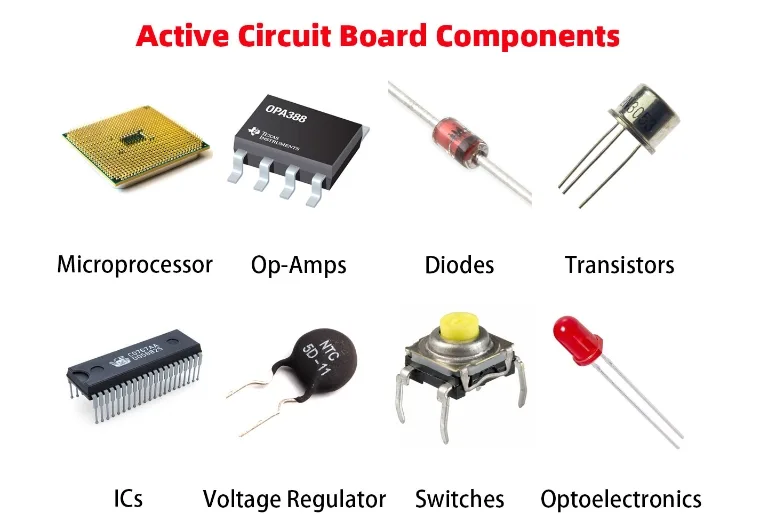
Semiconductors include chips, transistors, and diodes. They are sensitive to moisture and static electricity. Their shelf life usually ranges from 5 to 10 years. Storing them in anti-static bags and dry places extends their life. Exposure to heat or humidity can damage their performance over time.
Capacitors
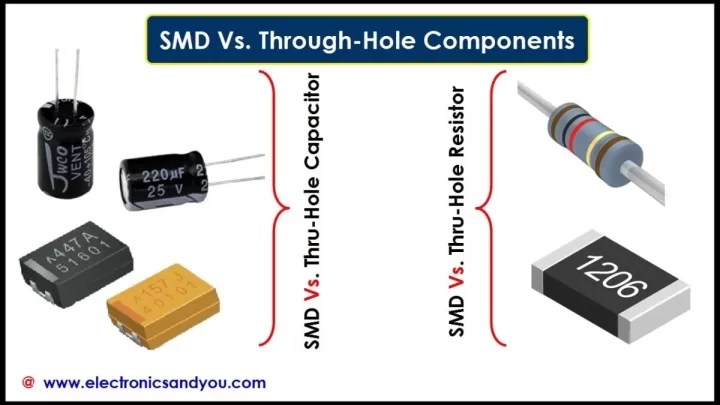
Capacitors store electrical energy. Different types have different shelf lives:
- Electrolytic capacitors last 2 to 5 years.
- Ceramic capacitors can last 10 to 20 years.
- Tantalum capacitors have a shelf life around 10 years.
Electrolytic capacitors dry out and lose capacity. Ceramic types are more stable but can crack if handled poorly. Proper storage in cool, dry places helps maintain their quality.
Batteries
Batteries have the shortest shelf life among components. Their life depends on chemistry:
- Alkaline batteries last 5 to 10 years.
- Lithium-ion batteries last 2 to 3 years.
- Nickel-metal hydride (NiMH) batteries last 3 to 5 years.
Batteries lose charge even when unused. Storing them fully charged and in a cool place slows degradation. Old batteries may leak or fail suddenly.
Signs Of Component Deterioration
Electronic components can lose their reliability over time. Signs of deterioration help identify parts that may fail soon. Early detection prevents damage and saves repair costs.
Visual Inspection
Look closely at components for physical changes. Check for discoloration, cracks, or corrosion on surfaces. Bent or broken pins signal damage. Swollen or leaking capacitors show chemical breakdown. Dust and dirt can also cause problems by blocking connections. Regular visual checks catch issues before they worsen.
Performance Testing
Measure components using simple tools like multimeters. Test resistance, capacitance, or voltage levels against specifications. Components out of range may be failing. Functional tests check if parts perform under load. Fluctuations or inconsistent readings indicate weakness. Routine testing ensures parts meet design needs.
Best Practices For Storage
Proper storage plays a key role in preserving electronic components. It helps prevent damage and keeps parts reliable for longer. Following best practices for storage reduces the risk of failure and saves costs. Below are important tips to store electronic components effectively.
Optimal Storage Environments
Electronic parts need stable environments to stay in good condition. Temperature and humidity must be controlled carefully. Ideal storage temperature ranges between 15°C and 25°C. Humidity should stay below 60% to avoid corrosion and moisture damage. Components should be stored in sealed containers or anti-static bags. Avoid direct sunlight and dust exposure. Keep items away from strong magnetic fields and vibrations. A clean, dry, and cool space extends shelf life significantly.
Inventory Management Techniques
Organizing your components helps track and rotate stock efficiently. Use clear labels with part numbers and dates. Arrange items by type and date received. Implement a first-in, first-out (FIFO) system to use older parts first. Maintain an updated inventory list in digital or paper form. Regularly inspect parts for signs of damage or degradation. Proper record keeping reduces waste and prevents shortages. Efficient inventory management ensures components remain usable and ready for projects.
Impacts Of Expired Components
Expired electronic components can cause serious problems in devices. Their performance often drops, leading to failures and malfunctions. Using old parts can affect the overall quality and lifespan of electronics. Understanding the impacts helps in making better decisions about component use.
Reliability Concerns
Expired components lose their original properties over time. Capacitors may dry out, resistors can change value, and semiconductors degrade. These changes cause unpredictable behavior in circuits. Devices may fail suddenly or work incorrectly. This reduces trust in the product and increases maintenance needs.
Economic Implications
Replacing failed components costs money and time. Faulty parts lead to more repairs and downtime. This affects business operations and customer satisfaction. Using expired components can also cause warranty claims and returns. Investing in fresh, reliable parts saves expenses in the long run.
Strategies For Extending Shelf Life
Extending the shelf life of electronic components isn’t just about storing them somewhere safe. It requires a mix of smart packaging and careful environmental control. You can protect your components from moisture, oxidation, and other damaging factors by using the right strategies.
Advanced Packaging Solutions
How your components are packaged plays a huge role in their longevity. Using moisture barrier bags with desiccants keeps humidity at bay, preventing corrosion and electrical failures.
Vacuum sealing is another effective tactic. It removes air that could carry moisture or contaminants, helping your components stay fresh longer.
Anti-static packaging also matters. Static electricity can damage sensitive parts, so shielding them with static-resistant materials is a smart move.
Environmental Controls
Controlling the storage environment is just as crucial as packaging. Keeping temperature and humidity levels stable reduces the risk of component degradation.
Using climate-controlled storage areas or cabinets can make a big difference. Even slight fluctuations in temperature can cause condensation, leading to rust or other damage.
Regular monitoring with humidity and temperature sensors lets you catch problems early. Would you rather lose a batch of expensive parts or invest in a simple sensor that warns you ahead of time?

Credit: www.supplychainbrain.com
Technological Advancements In Shelf Life
Technological advancements have significantly influenced the shelf life of electronic components. As these parts become more integral to everyday devices, ensuring their longevity is crucial for both manufacturers and consumers. New developments focus on materials and packaging that protect components better and extend their usability.
Innovative Materials
New materials are changing how electronic components age. Manufacturers now use substances that resist corrosion and moisture more effectively than before. For instance, advanced polymers and ceramics help protect delicate circuits from environmental damage.
These materials not only increase durability but also reduce the risk of failure during storage. Have you noticed how some components feel sturdier or look different? That’s often due to these innovative materials designed to keep them safe longer.
Smart Packaging Technologies
Packaging now plays a vital role in extending shelf life. Smart packaging includes moisture-absorbing layers and anti-static coatings that shield components from harmful elements. Some packages even have sensors to monitor conditions like temperature and humidity in real-time.
Imagine receiving a package that tells you if the components inside have been exposed to damaging conditions. This kind of feedback helps you decide whether to use or replace parts, saving time and money. How often do you check the condition of your stored components before use?
Industry Standards And Guidelines
Industry standards and guidelines play a crucial role in managing the shelf life of electronic components. These standards ensure that components meet safety, reliability, and performance benchmarks before they reach your projects. Without them, you might end up using parts that degrade quickly or fail unexpectedly, costing you time and money.
Regulatory Compliance
Regulatory bodies like JEDEC and IPC set clear rules for the storage and handling of electronic components. These rules help prevent issues like moisture absorption and corrosion, which can shorten a component’s shelf life.
For example, JEDEC standards specify maximum storage temperatures and humidity levels, ensuring components remain stable over time. Manufacturers must label components with date codes and storage guidelines, helping you track their age and condition easily.
Have you ever wondered why some parts come sealed in anti-static bags with desiccants? This packaging complies with regulations designed to extend shelf life and maintain quality.
Quality Assurance Protocols
Quality assurance protocols involve regular testing and inspections throughout a component’s lifecycle. These protocols confirm that parts still perform as expected, even after long storage periods.
Manufacturers often perform electrical testing, visual inspections, and environmental stress tests before shipping components. This rigorous process helps you avoid surprises when you finally use the parts.
Think about your last project: how confident were you in the parts’ reliability? Implementing quality checks can boost your confidence and reduce project failures.
To help you keep track, consider these practical tips:
- Check manufacturer datasheets for recommended storage conditions.
- Store components in temperature- and humidity-controlled environments.
- Use inventory management systems to track component age and batch numbers.
Credit: www.pcbway.com
Frequently Asked Questions
Do Electronic Components Expire Over Time?
Yes, electronic components can expire. Factors like storage conditions and material quality affect their shelf life. Proper storage extends usability.
How Long Do Typical Electronic Parts Last?
Most electronic components last several years if stored correctly. Capacitors and batteries have shorter lifespans than resistors or ICs.
Can Expired Components Still Function Properly?
Expired components might work but with reduced reliability. Using them risks device failure or performance issues. Testing is essential before use.
What Storage Conditions Extend Component Shelf Life?
Store components in a cool, dry, and static-free environment. Avoid moisture and extreme temperatures to prevent degradation and maintain functionality.
Conclusion
Electronic components do have a shelf life that affects their performance. Storing them properly helps keep them working longer. Always check the date code before use. Old parts may fail or cause problems in circuits. Using fresh components ensures better reliability and safety.
Remember, simple care extends the life of your electronics. Keep parts dry, cool, and away from sunlight. This small effort saves time and money later. Choose wisely and maintain your components well.