What is Wearable Computing Technology: Unlocking Future Innovation
Imagine a world where your watch not only tells time but also tracks your health, manages your calls, and even pays for your coffee. This is not science fiction; it’s the reality of wearable computing technology.
You’re probably already familiar with smartwatches and fitness trackers, but wearable tech goes far beyond that. Ever wondered how these tiny devices can impact your daily life or transform the way you interact with the world? You’ll discover the fascinating world of wearable computing technology.
You’ll explore how it works, what it includes, and most importantly, how it can make your life easier and more connected. Whether you’re a tech enthusiast or just curious about how these devices can benefit you, this article will provide insights that might just change the way you think about everyday gadgets. Dive in to find out how wearable computing technology is shaping the future, and why it might just be the next big thing you can’t live without.
Credit: medium.com
Wearable Computing Basics
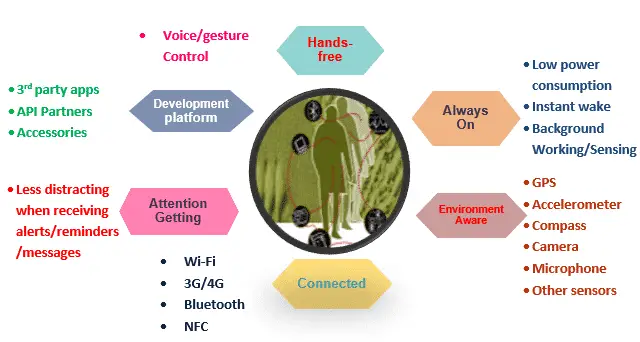
Wearable computing technology brings digital tools closer to your daily life by blending them seamlessly with what you wear. It’s about devices that you can carry on your body, offering convenience and hands-free access to information. Understanding the basics of wearable computing helps you see how these gadgets can enhance your productivity, health, and even entertainment.
Key Components
At the heart of wearable computing are several essential parts working together. First, there’s the processor, the brain that handles data and runs applications. Then, the sensorscollect information like movement, heart rate, or environmental data.
Next, you have the display, which shows information directly to you—sometimes through screens or even projection. Connectivityis crucial too, enabling your device to communicate with other gadgets or the internet. Lastly, power sourceslike batteries keep everything running smoothly throughout the day.
Types Of Wearable Devices
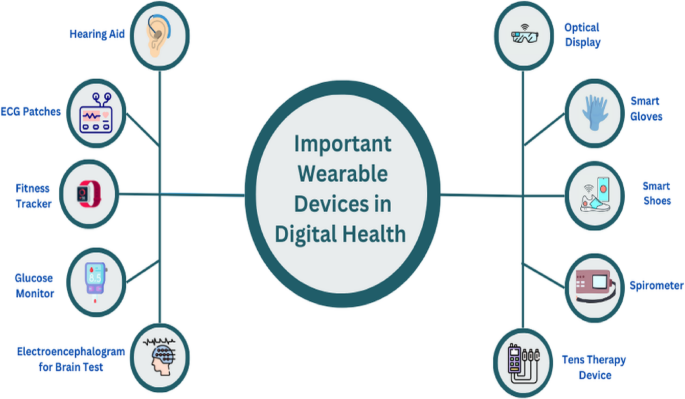
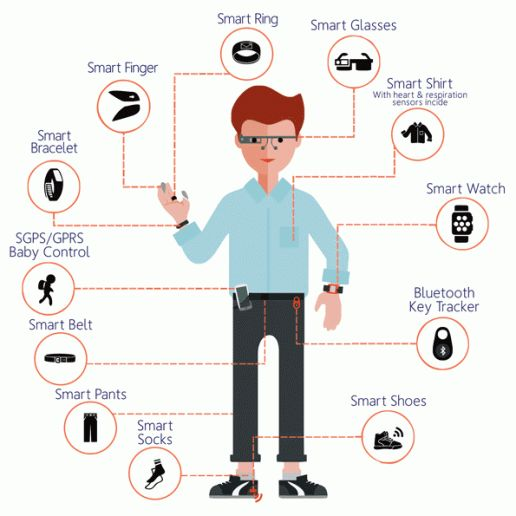
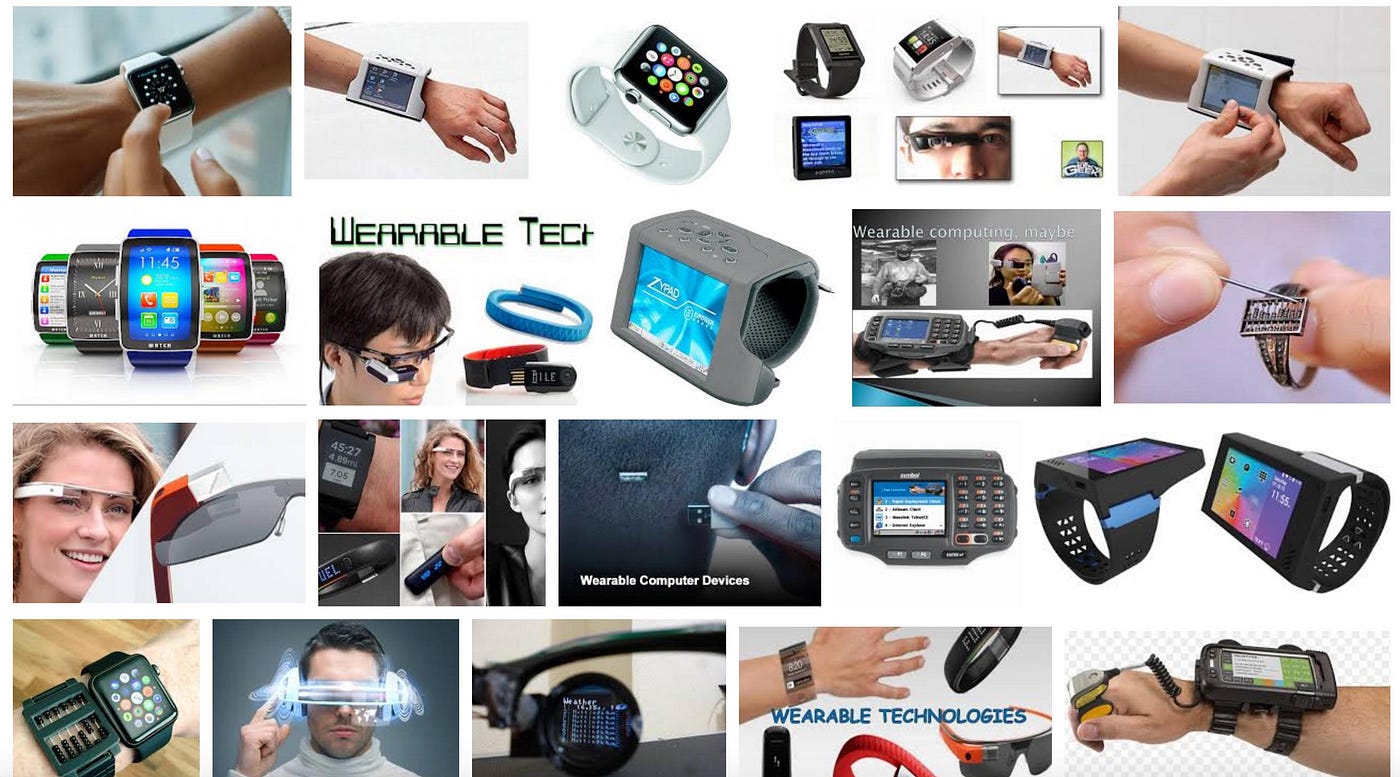
You’ll find wearable devices in many forms, each designed to serve a specific purpose. Smartwatches are the most common, offering notifications, fitness tracking, and quick access to apps right on your wrist. Fitness bands focus mainly on health metrics like steps, sleep, and calories burned.
Then there are smart glasses that overlay digital information on your view, and wearable cameras that capture moments hands-free. Even smart clothing with embedded sensors is making waves, helping athletes monitor performance without bulky gear. What wearable device fits your lifestyle best?
Credit: electricalfundablog.com
Evolution Of Wearable Tech
Wearable computing technology has developed significantly over the years. It started with simple devices and evolved into smart gadgets worn daily. This evolution shows how technology adapts to human needs.
Early Innovations
The first wearable devices appeared in the 1960s and 1970s. These were bulky and limited in function. Early examples include wearable calculators and hearing aids.
In the 1980s, wristwatches with digital displays became popular. These watches could show time and basic data. Another early tech was the pager, used for quick messages.
By the 1990s, wearable computers were used in specialized fields. Pilots and athletes used devices to monitor vital signs and navigation. These tools helped improve safety and performance.
Recent Advances
Today, wearable tech is sleek and multifunctional. Smartwatches, fitness trackers, and smart glasses lead the market. They monitor health, provide notifications, and support communication.
Advances in sensors and batteries made devices smaller and longer-lasting. Wireless connectivity allows real-time data sharing. Artificial intelligence helps wearables learn user habits.
New materials enhance comfort and durability. Flexible screens and fabrics integrate technology seamlessly. The focus now is on improving user experience and expanding capabilities.
Core Technologies Behind Wearables
Wearable computing technology depends on several core technologies that work together seamlessly. These technologies allow devices to collect data, communicate with other systems, and operate efficiently over time. Understanding these basics helps explain how wearables perform everyday tasks.
Sensors And Data Collection
Sensors are the foundation of wearable devices. They detect physical changes like movement, heart rate, and temperature. Common sensors include accelerometers, gyroscopes, and optical sensors. These sensors gather real-time data from the user’s body or surroundings. The data helps track activity, health, and environment accurately.
Connectivity And Communication
Wearables need to connect with smartphones, computers, or the internet. Wireless technologies like Bluetooth, Wi-Fi, and NFC enable this connection. These communication methods allow wearables to send and receive data instantly. Connectivity ensures that users get updates, notifications, and sync their data effortlessly.
Power And Battery Solutions
Power management is critical for wearable devices. Small, efficient batteries provide energy without adding bulk. Rechargeable lithium-ion batteries are common in most wearables. Some devices also use energy-saving modes and low-power chips. These features extend battery life, keeping wearables running longer between charges.

Credit: medium.com
Applications Across Industries
Wearable computing technology is no longer just a futuristic concept; it’s actively changing how various industries operate. Its applications spread across different sectors, offering practical solutions that boost efficiency, enhance user experience, and improve safety. Let’s dive into how wearable devices are shaping key areas of your daily life and work.
Healthcare And Fitness
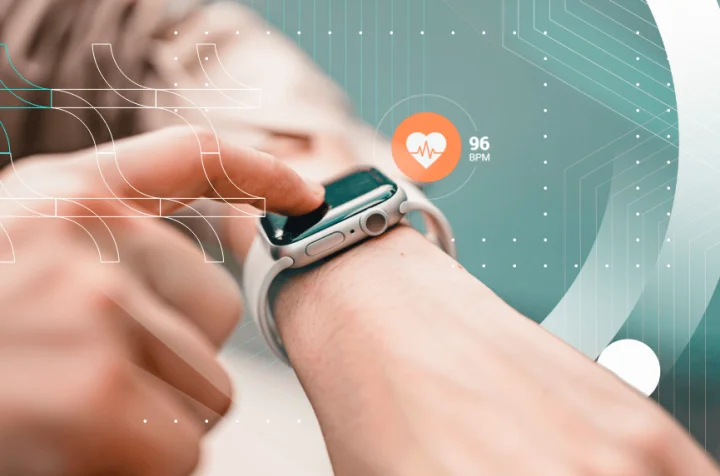
Wearables have become essential tools in healthcare, helping you monitor vital signs like heart rate, blood pressure, and oxygen levels in real-time. Devices like smartwatches and fitness trackers motivate you to stay active by tracking steps, calories, and sleep patterns.
Doctors use wearable tech for remote patient monitoring, which can reduce hospital visits and catch health issues early. Imagine a diabetic patient managing glucose levels continuously without frequent finger pricks—wearables make that possible.
Entertainment And Gaming
In entertainment, wearables add a new dimension to how you experience content. VR headsets and motion sensors immerse you in virtual worlds, making gaming more interactive and engaging.
Wearable tech also personalizes media consumption, adapting to your preferences and movements. Have you noticed how smart glasses can overlay information or translate languages in real time? This shifts entertainment from passive watching to active participation.
Workplace And Productivity
Wearable devices improve productivity by helping you stay connected and organized without being tethered to a desk. Smart glasses can display important data or instructions hands-free, which is a game-changer for technicians and field workers.
In offices, wearables track stress levels and posture, encouraging healthier work habits. Think about how a vibrating reminder to stand or take a deep breath can prevent burnout during long workdays.
Military And Safety
Military applications of wearable tech focus on enhancing situational awareness and communication. Soldiers can receive real-time data on their environment or team locations through heads-up displays.
Safety wearables alert workers in hazardous environments about dangers like gas leaks or fatigue. Wouldn’t you feel more secure knowing your gear can warn you before an accident occurs?
Benefits And Challenges
Wearable computing technology offers many benefits but also faces challenges. This balance shapes how people use devices like smartwatches and fitness trackers. Understanding both sides helps users and developers make better choices.
Enhanced User Experience
Wearables make tasks easier and faster. They provide quick access to information without using hands. Users can track health, receive notifications, and stay connected on the go. These devices blend into daily life, improving convenience and productivity.
Privacy And Security Concerns
Wearables collect personal data constantly. This raises privacy risks and fears of data theft. Users worry about who can see their information. Strong security measures are needed to protect sensitive data from hackers.
Technical Limitations
Battery life in wearables often falls short. Small size limits processing power and screen space. Devices may face connectivity problems or slow response times. These technical issues affect user satisfaction and device reliability.
Future Trends In Wearable Tech
Wearable technology is evolving rapidly. Its future promises smarter, lighter, and more useful devices. These advances will change how people interact with technology daily.
New trends focus on making wearables more intuitive and comfortable. They will do more than just track steps or show notifications. Let’s explore some key future trends in wearable tech.
Ai Integration
Artificial intelligence will make wearables smarter. Devices will learn user habits and offer personalized advice. Voice assistants will become more responsive and natural. AI will help predict health issues early. It will also improve real-time decision making for users.
Improved Materials And Design
Wearables will use lighter, stronger materials. Flexible and breathable fabrics will make devices more comfortable. Designs will blend better with everyday clothing. Batteries will last longer while being smaller. Devices will be waterproof and more durable for active lifestyles.
Expanded Use Cases
Wearables will serve many new purposes. Medical monitoring will improve with continuous health tracking. Fitness devices will offer more detailed insights. Wearables will support workplace safety and productivity. Augmented reality glasses will change how people see and interact with the world. Education and entertainment will also benefit from wearable tech advances.
Frequently Asked Questions
What Is Wearable Computing Technology?
Wearable computing technology involves devices worn on the body that perform computing tasks. These devices collect data, provide real-time information, and enhance user interaction with technology in daily life or work.
How Do Wearable Devices Work?
Wearable devices use sensors to gather data like movement, heart rate, or location. They process this data using built-in software and communicate with other devices or apps for user feedback.
What Are Common Examples Of Wearable Technology?
Popular wearable devices include smartwatches, fitness trackers, smart glasses, and health monitors. These devices help track fitness, monitor health, and provide notifications or augmented reality features.
What Are The Benefits Of Wearable Computing?
Wearable technology offers hands-free access to information, health monitoring, improved productivity, and enhanced communication. It supports real-time data collection and personalized user experiences in various fields.
Conclusion
Wearable computing technology is changing how we live and work. Small devices fit on the body and help us stay connected. They track health, show notifications, and make tasks easier. This technology blends with daily life smoothly. Expect more smart wearables in the future.
They bring convenience and new ways to interact. The world of wearable tech is growing fast. It offers simple solutions for many needs. A new era of personal technology is here.