How Wearable Technology Works: Unlocking Future Trends
Have you ever wondered how your smartwatch tracks your heartbeat or how those fitness bands count your every step? Wearable technology might seem like magic, but it’s actually a clever mix of tiny sensors, smart software, and wireless connections working together on your wrist, clothes, or even glasses.
Understanding how these devices work can help you use them better and unlock their full potential for your health, productivity, and daily life. Ready to discover the secrets behind the gadgets you wear every day? Keep reading, and you’ll see just how simple—and powerful—wearable technology really is.
Basics Of Wearable Tech
Wearable technology has become part of daily life. These devices help track health, improve fitness, and stay connected. They work by combining small hardware parts and software to collect and analyze data. Understanding the basics of wearable tech reveals how these gadgets function and benefit users.
Core Components
Wearable devices have several key parts. Sensors detect movement, heart rate, or temperature. A processor acts like the device’s brain, handling data. Memory stores information temporarily. A battery powers the device. A display shows information to the user. Wireless chips allow connection to smartphones or the internet.
Types Of Devices
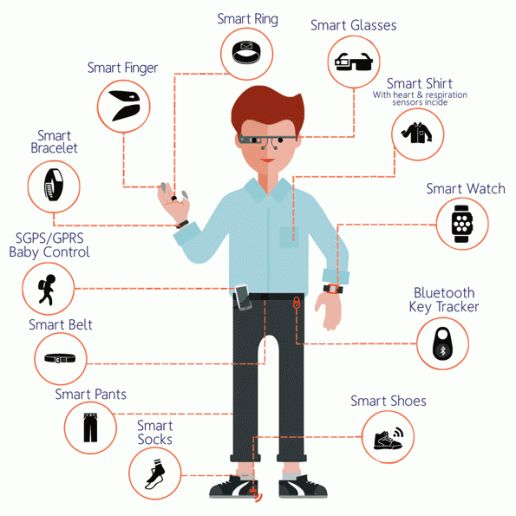
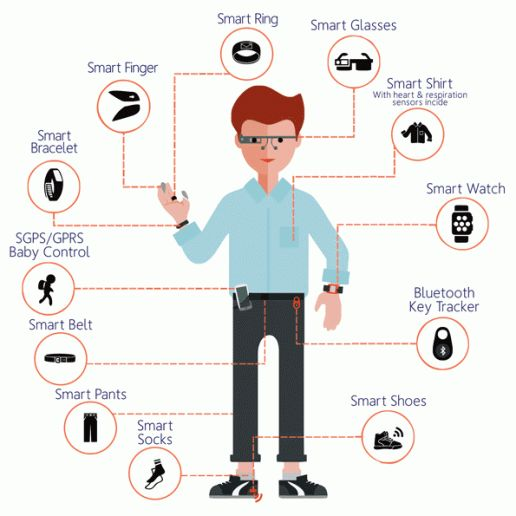
- Smartwatches: Track steps, heart rate, and notifications.
- Fitness Bands: Focus mainly on health and exercise data.
- Smart Glasses: Provide visual information and hands-free use.
- Wearable Cameras: Capture photos and videos on the go.
- Medical Devices: Monitor vital signs for health management.
Data Collection Methods
Sensors gather different types of data. Accelerometers measure movement and steps. Heart rate monitors track pulse and rhythm. GPS sensors record location and distance. Temperature sensors check body heat. Some devices use microphones to capture sound. Data is sent to apps for analysis and display.
Credit: blog.stackademic.com
Connectivity And Integration
Connectivity and integration are the backbone of wearable technology. These devices rely on seamless communication with other gadgets and services to function properly. They share data, sync information, and work with apps to offer a smooth user experience. Understanding how these connections work helps reveal the power behind wearables.
Wireless Communication
Wearables use wireless signals to connect with smartphones and other devices. Bluetooth is the most common method. It allows devices to exchange data over short distances without cables. Wi-Fi is another option for faster data transfer and internet access. Near Field Communication (NFC) lets wearables make quick, secure connections for payments or pairing. These wireless methods keep wearables light and easy to use.
Cloud Syncing
Cloud syncing stores wearable data on remote servers. This process keeps information safe and accessible from anywhere. Users can view health stats or notifications on multiple devices. Syncing happens automatically when wearables connect to the internet. Cloud storage also helps with data backup and sharing. It ensures users never lose important information collected by their devices.
App Ecosystem
Apps add value to wearables by expanding their functions. Each wearable works with a set of apps designed for its system. These apps track fitness, monitor health, or control smart home devices. Developers create new apps to improve user experience. The app ecosystem makes wearables more versatile and personalized. Users can customize their device to fit their needs.
Sensors And Data Processing
Wearable technology relies heavily on sensors and data processing to deliver meaningful insights right to your wrist or clothing. These tiny sensors collect various types of data from your body and surroundings, which is then processed to provide real-time feedback or long-term health tracking. Understanding how these components work together helps you appreciate the smart features you often take for granted.
Common Sensor Types
Sensors are the foundation of any wearable device. Some of the most common types include:
- Accelerometers:Measure movement and orientation. They track steps, activity levels, and even detect falls.
- Gyroscopes:Detect rotational motion, helping with balance and precise tracking of complex movements.
- Heart Rate Sensors:Use light to monitor your pulse through your skin, providing continuous heart rate data.
- Temperature Sensors:Monitor your skin or ambient temperature, useful for fitness or health monitoring.
- GPS Sensors:Track your location and movement path, essential for outdoor activities like running or cycling.
Each sensor adds a piece to the puzzle, allowing wearables to understand your body and environment better.
Real-time Data Analysis
Imagine your wearable device as a mini-computer that doesn’t just collect data but also makes quick sense of it. Real-time data analysis means that your device processes information immediately, giving you instant feedback.
This speed can be crucial—like alerting you if your heart rate spikes during exercise or notifying you of irregular sleep patterns. It also makes your interactions smoother, as the device adapts to your movements or environment on the fly.
Have you ever wondered how your smartwatch knows when to count a step or when to ignore random arm movements? That’s real-time data analysis working behind the scenes.
Machine Learning Applications
Machine learning takes wearable technology a step further by letting devices learn from your habits over time. Instead of just following fixed rules, wearables can adapt and improve their accuracy based on your unique patterns.
This means better personalized insights—for example, recognizing when you’re stressed or predicting when you might need rest. Your device becomes smarter the more you use it, adjusting recommendations and alerts to suit your lifestyle.
Think about how your phone’s voice assistant gets better at understanding you. Wearable tech uses similar machine learning techniques to become more helpful and less intrusive.
Power And Battery Management
Power and battery management is at the heart of wearable technology’s convenience and usability. The goal is to keep your device running longer without adding bulk or weight. Understanding how wearables manage power can help you choose a device that fits your lifestyle and ensures you stay connected without constant recharging.
Energy Sources
Most wearables rely on rechargeable lithium-ion or lithium-polymer batteries because they offer a good balance of energy density and size. Some devices also experiment with alternative sources like solar panels or kinetic energy harvesters. Imagine a fitness tracker that charges a bit with every step you take—wouldn’t that be a game changer for busy days?
Energy harvesting is still emerging but shows promise for reducing your dependence on plugs. Are you ready to try a device that charges itself during your daily activities?
Power Efficiency
Wearable devices must be extremely power-efficient to last through your day. Manufacturers achieve this by optimizing both hardware and software. For instance, many wearables use low-power sensors and processors that activate only when needed.
Think about your smartwatch: it doesn’t continuously monitor your heart rate but takes measurements at intervals, saving precious battery life. Could smarter power management in your current wearable extend its battery life without you noticing?
Charging Innovations
Charging technology for wearables is evolving rapidly. Wireless charging pads and magnetic connectors make powering up hassle-free, eliminating the struggle with tiny ports. Some devices even offer fast charging, giving you hours of use from just a few minutes plugged in.
More advanced wearables support charging through common accessories like your smartphone charger or power banks. This flexibility means you can keep your device running even when you’re on the move. How much easier would your day be if charging your wearable was as simple as placing it on your desk?
User Interface And Experience
The user interface and experience define how you interact with wearable technology every day. It shapes the ease, comfort, and enjoyment of using these devices. A well-designed interface can make a big difference in how often you reach for your wearable and how effectively it serves your needs.
Display Technologies
Wearables use various display types to show information clearly on small screens. OLED and AMOLED screens are popular for their bright colors and energy efficiency. Some devices use e-ink displays, which are easier on the eyes and save battery life.
Curved and flexible screens are becoming more common, fitting better on your wrist or finger. Think about how easy it is to glance at your watch for notifications without stopping what you’re doing. That seamless access depends on the display technology chosen.
Voice And Gesture Controls
Voice commands let you control your wearable without touching it, which is handy during workouts or busy moments. Devices like smartwatches and earbuds often include microphones and AI to understand your speech.
Gesture controls add another layer of convenience. Simple wrist flicks or finger taps can answer calls or switch tracks. Have you noticed how these controls let you stay connected while keeping your hands free?
Customization Options
Customizing your wearable’s interface makes it truly yours. You can choose watch faces, arrange apps, or set notification preferences to match your lifestyle.
Some wearables allow deeper tweaks like adjusting brightness, sound, and vibration patterns. This level of control helps you get exactly the experience you want, whether for fitness, work, or relaxation.

Credit: www.benlg.com
Health And Fitness Applications
Wearable technology has transformed the way you manage your health and fitness. These devices offer real-time data that helps you understand your body better and make smarter decisions. Whether you’re a beginner or an athlete, the health and fitness features in wearables adapt to your lifestyle and goals.
Activity Tracking
Activity tracking is the foundation of most wearables. These devices count your steps, monitor your movement, and estimate calories burned throughout the day.
Have you ever noticed how just seeing your step count motivates you to move more? This simple feedback loop encourages you to stay active without overwhelming you with data.
Many trackers also recognize different activities like running, cycling, or swimming, giving you a clearer picture of your daily exercise.
Medical Monitoring
Wearables go beyond counting steps by monitoring vital signs such as heart rate, blood oxygen levels, and even sleep quality. This continuous tracking can alert you to irregularities before they become serious.
Imagine your device notifying you about an unusual heart rhythm while you’re at work—this early warning can be life-saving. It’s like having a health assistant with you all the time.
Some wearables even support chronic condition management, helping you keep track of symptoms and medication schedules efficiently.
Personalized Feedback
One of the biggest advantages of wearable technology is personalized feedback. Your device learns from your habits and offers tailored advice to improve your health.
Instead of generic tips, you get specific suggestions like adjusting your workout intensity or improving your sleep routine. This personal touch makes it easier to stick with your goals.
Have you tried changing your daily habits based on wearable insights? Many find that small adjustments recommended by their devices lead to noticeable improvements over time.
Security And Privacy Challenges
Wearable technology offers amazing convenience, but it also opens doors to serious security and privacy challenges. These devices collect a vast amount of personal data, making them tempting targets for hackers and raising questions about how your information is handled. Understanding these challenges helps you protect your data and make smarter choices about what you share.
Data Protection
Your wearable device constantly gathers sensitive data like heart rate, location, and sleep patterns. If this data isn’t properly secured, it can be intercepted or misused by unauthorized parties. Encryption and secure storage are crucial, yet many devices still fall short in these areas.
Think about the last time you connected your wearable to a public Wi-Fi network. Did you consider how easily hackers could access your unencrypted data? Simple steps like enabling strong passwords and updating firmware regularly can greatly reduce these risks.
User Consent
Many wearables collect data continuously, often without clear communication about what is being tracked or how it’s used. You should have control over your information and know exactly what you’re consenting to. Unfortunately, some apps use confusing language or bury privacy terms in lengthy documents.
Have you ever skipped reading a privacy policy and later wondered why you’re seeing targeted ads? Being proactive about reviewing permissions and adjusting settings empowers you to protect your privacy better.
Regulatory Landscape
Regulations around wearable technology and data privacy are still evolving. Laws like GDPR in Europe provide strong protections, but enforcement varies widely across regions. Some countries have minimal rules, leaving your data vulnerable.
Are you aware of the privacy laws that apply to your wearable device? Staying informed about regulations can help you choose products that respect your privacy and push companies to improve their practices.
Future Trends And Innovations
Wearable technology is evolving at a rapid pace, with new trends shaping the way these devices interact with your daily life. The future will bring smarter, more comfortable, and immersive wearables that go beyond simple tracking. Understanding these upcoming innovations can help you decide which features to look for and how to get the most out of your next gadget.
Advanced Materials
Imagine wearing a device so light and flexible that you hardly notice it. Advanced materials like graphene and bio-compatible polymers are making this possible. These materials improve durability and comfort, allowing wearables to adapt to your body’s movements seamlessly.
Some companies are even working on self-healing fabrics that repair minor damage automatically. Would you prefer a watch that feels like a second skin or a fitness band that never irritates your skin? The future of wearable comfort is closer than you think.
Ai Integration
Your wearable will soon act more like a personal assistant than just a tracker. AI integration enables devices to learn your habits and provide personalized feedback. For example, your smartwatch might suggest adjusting your workout based on your stress levels or sleep quality without you asking.
This intelligence helps in making smarter health decisions daily. How much more value would you get if your device could anticipate your needs before you even realize them?
Extended Reality Features
Extended reality (XR) blends virtual and real-world experiences through wearables. Future devices could add XR features to enhance workouts, gaming, or remote meetings, creating interactive environments right on your wrist or glasses.
Picture taking a virtual yoga class where your wearable guides your posture or exploring a new city with AR navigation layered on your glasses. How could these immersive experiences change the way you interact with your surroundings?
Impact On Daily Life
Wearable technology has become part of daily life. These devices help people in many ways. They make tasks easier and improve how we connect with others. Understanding their impact shows why they are popular worldwide.
Workplace Efficiency
Wearables help workers stay organized and focused. Smartwatches send reminders for meetings and deadlines. Fitness trackers encourage breaks to reduce stress. Some devices monitor health to prevent fatigue. This leads to better work output and less burnout.
Lifestyle Enhancements
Wearables support healthy habits and fitness goals. They track steps, heart rate, and sleep quality. Users get alerts to move or drink water. Many devices offer guided workouts or meditation. These features help people live healthier and feel better every day.
Social Connectivity
Wearables keep people connected without using phones. They show messages and calls at a glance. Some devices allow quick replies or voice commands. This helps users stay in touch while on the move. Social apps on wearables make sharing moments easier and faster.

Credit: www.happiestminds.com
Frequently Asked Questions
What Is Wearable Technology And How Does It Work?
Wearable technology refers to devices worn on the body that collect and analyze data. They use sensors to monitor health and activity in real time, syncing information to apps for user insights and feedback.
What Are Common Sensors Used In Wearable Devices?
Wearables commonly use accelerometers, gyroscopes, heart rate monitors, and GPS. These sensors track movement, orientation, heart rate, and location to provide accurate health and fitness data.
How Do Wearable Devices Connect To Smartphones?
Wearables typically connect via Bluetooth or Wi-Fi. This wireless connection allows data transfer to companion apps, enabling users to view, analyze, and manage their health and activity information easily.
Can Wearable Technology Improve Health Monitoring?
Yes, wearables continuously track vital signs and activity levels. They help users detect health issues early, encourage fitness goals, and provide real-time feedback to improve overall wellness.
Conclusion
Wearable technology helps track health and daily activities easily. It uses sensors to collect data and smart chips to process it. You get real-time information right on your wrist or clothes. This tech keeps improving and becomes more useful every day.
Understanding how it works makes using it simpler and smarter. Wearables blend technology with everyday life smoothly. They help people stay connected and informed without extra effort. This shows how technology can support a healthy and active lifestyle.