What are Electronic Security Systems for Homes: Ultimate Protection Guide
Imagine coming home to a place where you feel truly safe and secure. Your home is your sanctuary, and you deserve peace of mind knowing it’s protected around the clock.
But how can you ensure your home is as secure as possible? This is where electronic security systems come into play. They are not just tools, but essential allies in safeguarding your sanctuary. Have you ever wondered what exactly these systems entail and how they can benefit you?
By the end of this article, you’ll have a clear understanding of what electronic security systems for homes are, and why they might be the perfect solution for enhancing your home’s security. Discover the power of technology in keeping your loved ones and valuables safe, and make informed decisions that can transform your living space into a fortress of tranquility. Dive in to explore how these systems work, the peace of mind they bring, and how they fit seamlessly into your everyday life.
Types Of Electronic Security Systems
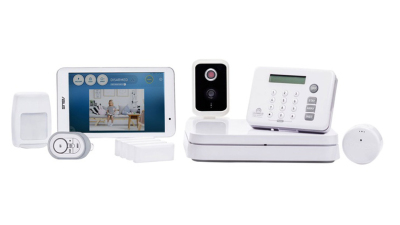
Electronic security systems come in various forms, each designed to protect your home in different ways. Understanding these types helps you choose the right combination to keep your family and belongings safe. Let’s look at the main categories and how they work to secure your space.
Alarm Systems
Alarm systems alert you to potential break-ins or emergencies. They usually include sensors on doors and windows that trigger loud sounds when breached. Some alarms connect directly to emergency services, giving you peace of mind even when you’re away.
Surveillance Cameras
Surveillance cameras let you watch over your home in real-time or review footage later. Many now offer high-definition video and night vision. Think about whether you want cameras inside, outside, or both, and if remote access through your phone is important to you.
Access Control Systems
Access control systems limit who can enter your home. These can be keypads, card readers, or biometric scanners. They give you control over entry and can log every access attempt, helping you track who comes and goes.
Motion Detectors
Motion detectors sense movement in specific areas and trigger alerts or alarms. They can be used indoors or outdoors to spot intruders before they reach your doors. Have you considered placing them near windows or dark corners where intruders might hide?
Smart Locks
Smart locks let you lock or unlock doors remotely using your smartphone. You can give temporary access to visitors or service providers without handing over physical keys. These locks often integrate with other smart home devices for added convenience and security.
Key Features To Consider
Choosing the right electronic security system for your home means knowing what features matter most. Each system offers different benefits that affect safety and convenience. Focus on features that match your lifestyle and home setup. This helps protect your family and property effectively.
Wireless Vs Wired Systems
Wireless systems are easy to install and move. They use radio signals to connect sensors and alarms. No wires mean fewer installation hassles. Wired systems use cables to connect devices, offering stable and reliable signals. They need professional setup but are less likely to face interference. Consider your home size and construction before deciding.
Remote Monitoring
Remote monitoring lets you check your home anytime via smartphone or computer. Receive alerts instantly if something triggers the alarm. This feature provides peace of mind when away. Some systems offer live video feeds, while others send notifications only. Choose one that fits your need for constant updates or occasional checks.
Integration With Smart Home Devices
Many systems connect with smart home gadgets like lights, locks, and thermostats. This integration allows control from a single app. Automate tasks such as turning on lights when the alarm activates. Smart device compatibility adds convenience and extra security layers. Ensure the system supports your current smart devices.
Battery Life And Power Backup
Good battery life ensures your system stays active during power cuts. Look for long-lasting batteries in sensors and control panels. Some systems include backup power options like rechargeable batteries or generators. Power backup keeps your security system reliable at all times. Check battery replacement ease and cost before choosing.
User-friendly Interfaces
Interfaces should be simple and clear for all family members. Easy setup menus and controls reduce confusion. Touchscreens and mobile apps with intuitive designs improve user experience. Voice control options can add further ease. Test interface demos if possible to ensure comfort and usability.
Installation And Maintenance Tips
Installing and maintaining electronic security systems at home ensures safety and peace of mind. Proper installation sets the system up for reliable performance. Regular upkeep helps detect issues early and keeps the system effective over time.
Professional Vs Diy Installation
Professional installation offers expert setup and system testing. Technicians know where to place sensors for best coverage. They configure settings to fit your home’s layout. DIY installation saves money but requires time and basic tools. It suits smaller systems or simple setups. Follow the manufacturer’s instructions carefully to avoid errors. Poor installation can lead to false alarms or weak protection.
Regular System Testing
Test the system often to confirm all parts work well. Check sensors, alarms, cameras, and control panels. Look for dead batteries or loose wires. Schedule tests monthly or as the manual suggests. Testing helps catch problems before emergencies occur. Keep a testing log to track system performance over time.
Updating Software And Firmware
Security systems run on software that needs updates. These updates fix bugs and improve features. Check for updates regularly through the system’s app or website. Update firmware on cameras and sensors when available. Ignoring updates can leave the system vulnerable to hacking. Set reminders to keep software current.
Troubleshooting Common Issues
Common problems include false alarms, sensor failures, or communication errors. Reset the system to clear minor glitches. Replace batteries in sensors and remote controls. Inspect wiring for damage or disconnections. Consult the user manual for error codes and solutions. Contact customer support for help with complex issues. Quick troubleshooting keeps your system reliable and secure.

Credit: cpisecurity.com
Benefits Of Electronic Security Systems
Electronic security systems offer more than just protection—they provide real advantages that impact your daily life and the long-term value of your home. Understanding these benefits can help you decide how to best secure your property and loved ones. Let’s look at how these systems create a safer, smarter living environment.
Deterrence Of Intruders
Visible security cameras and alarm systems make your home a less attractive target. Most burglars avoid houses where they risk being caught on camera or triggering alarms. Installing electronic security devices sends a clear message that your home is protected, reducing the chance of a break-in before it even starts.
Faster Emergency Response
Electronic security systems connect directly to emergency services or your phone, speeding up help when you need it most. Imagine a smoke detector alerting firefighters immediately during a fire—this quick response can save lives and reduce damage. Faster alerts mean you’re not relying solely on neighbors or chance to get assistance.
Peace Of Mind
Knowing your home is monitored 24/7 allows you to relax, whether you’re at work, on vacation, or sleeping. You can check in remotely using apps, giving you control and reassurance anytime. How much would you value the confidence of knowing your family and belongings are secure, even from miles away?
Property Value Enhancement
Homes with modern electronic security systems often sell faster and at higher prices. Buyers see these systems as valuable investments that reduce future costs and risks. Adding security features can make your property stand out in a competitive market and protect your investment over time.
Cost Factors And Budgeting
Understanding the cost factors helps plan your home security budget better. Electronic security systems involve several expenses beyond just buying equipment. Knowing these costs avoids surprises and helps pick the right system for your needs.
Initial Setup Costs
These are the expenses to start using your security system. They include buying cameras, sensors, alarms, and control panels. Installation fees may apply, especially for professional setup. DIY kits usually cost less but need time and effort. Prices vary widely depending on system features and brand.
Subscription And Monitoring Fees
Many systems offer 24/7 monitoring services for extra safety. Monthly fees cover this service and cloud storage for video footage. Plans vary from basic alerts to full professional monitoring. Some systems allow self-monitoring to reduce costs. Choose a plan that fits your budget and security needs.
Maintenance Expenses
Keeping your system working well needs regular upkeep. Batteries need replacement, and software updates are necessary. Faulty devices may require repairs or replacements. Some providers offer maintenance packages for a fixed fee. Regular checks help avoid costly breakdowns later.
Cost-benefit Analysis
Compare costs with the safety benefits gained. A higher initial investment might reduce long-term expenses. Consider potential savings from avoided theft or damage. Balance features against your budget to find value. A well-planned system protects your home without overspending.

Credit: www.amazon.ca
Future Trends In Home Security
Home security is evolving rapidly, and staying ahead means understanding the trends shaping the future. These new developments are not just about preventing break-ins—they’re about creating smarter, more responsive systems that fit seamlessly into your life. What could these changes mean for your home and peace of mind?
Ai And Machine Learning Integration
AI is transforming home security by making systems smarter every day. Instead of just triggering alarms, cameras now learn to recognize faces and unusual behaviors. This means fewer false alarms and quicker responses to real threats.
Imagine your security system alerting you only when it spots someone unfamiliar, or automatically contacting authorities if it detects a break-in. This technology adapts to your lifestyle, offering personalized protection without constant manual input.
Biometric Access Controls
Forget traditional keys or PIN codes. Biometric access uses fingerprints, facial recognition, or even voice commands to secure your home. This technology makes unauthorized entry much harder and lets you control who comes in with precision.
Think about the convenience of unlocking your door with a simple glance or fingerprint touch. Plus, you can easily update access permissions for family, friends, or service providers without changing locks.
Iot And Automation
The Internet of Things (IoT) connects your security devices to create a fully automated home. Cameras, locks, lights, and alarms work together to respond instantly to any security event. You can monitor and control everything right from your smartphone.
For example, if a sensor detects movement, your system could turn on lights and start recording video automatically. Automation gives you control and peace of mind, especially when you’re away.
Enhanced Cybersecurity Measures
As home security relies more on connected devices, protecting these systems from hackers becomes crucial. Future trends focus heavily on strong encryption, secure networks, and regular software updates to keep your data safe.
Have you considered how vulnerable your security system might be to cyber attacks? Taking steps to safeguard your digital defenses is now as important as securing your physical doors and windows.

Credit: www.popsci.com
Frequently Asked Questions
What Are The Main Types Of Home Electronic Security Systems?
Home electronic security systems include alarms, surveillance cameras, motion detectors, and smart locks. These systems protect against burglary, fire, and emergencies. They can be wired or wireless and often connect to mobile apps for remote monitoring and control.
How Do Electronic Security Systems Protect Homes Effectively?
They detect unauthorized access through sensors and cameras. Alerts are sent instantly to homeowners or monitoring centers. This quick response helps prevent theft, vandalism, and emergencies, enhancing overall home safety and peace of mind.
Can Electronic Security Systems Integrate With Smart Home Devices?
Yes, many systems integrate with smart home devices like lights, locks, and thermostats. This allows centralized control and automation, improving convenience and security. Integration helps create customized safety routines tailored to homeowners’ needs.
Are Wireless Home Security Systems Reliable And Secure?
Wireless systems use encrypted signals to prevent hacking. They are reliable with consistent connectivity and battery backups. Wireless setups offer easy installation and flexibility without compromising security or performance in protecting your home.
Conclusion
Electronic security systems keep homes safer and protect families. They help detect threats early and alert homeowners quickly. Many systems offer easy control through smartphones or panels. Choosing the right system depends on your needs and budget. Installation can be simple, with options for DIY or professional help.
Regular maintenance ensures the system works well over time. Investing in security brings peace of mind every day. Safe homes create happy lives. Consider electronic security to protect what matters most.