What is Active Electronic Components: Essential Guide for Beginners
Have you ever wondered what makes your smartphone light up, your computer process information, or your favorite gadgets come to life? At the heart of these amazing devices are active electronic components.
Understanding what these components are and how they work can open up a whole new world of technology for you. You’ll discover the key role active electronic components play in powering your everyday electronics—and why knowing about them can make you smarter about the devices you use every day.
Keep reading to unlock the secrets behind the tiny parts that make a big difference!
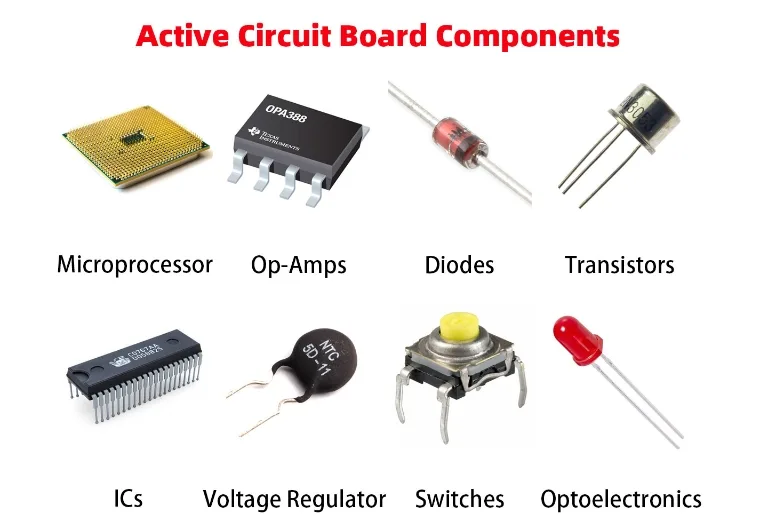
Credit: www.lstpcb.com
Basics Of Active Electronic Components
Active electronic components form the heart of many devices. They control the flow of electric current and can amplify signals. These components need an external power source to operate. Their ability to influence current makes them essential in circuits.
Understanding the basics of these components helps in grasping how modern electronics work. They differ from passive components that only store or dissipate energy. Active components can introduce energy into a circuit.
Definition Of Active Electronic Components
Active components are parts that require power to function. They can control or amplify electrical signals. Examples include transistors, diodes, and integrated circuits. These components are vital in creating complex electronic systems.
Types Of Active Electronic Components
- Transistors: Act as switches or amplifiers in circuits.
- Diodes: Allow current to flow in one direction only.
- Integrated Circuits: Contain multiple active elements in one package.
- Thyristors: Control high power with small inputs.
How Active Components Work
Active components control current by using external power. They can amplify weak signals into stronger ones. This makes communication and processing possible. They can also switch currents on and off rapidly.
Importance In Electronic Circuits
Active components enable devices to perform complex tasks. They provide control, amplification, and switching functions. Without them, modern gadgets would not work effectively. They make electronics smart and responsive.
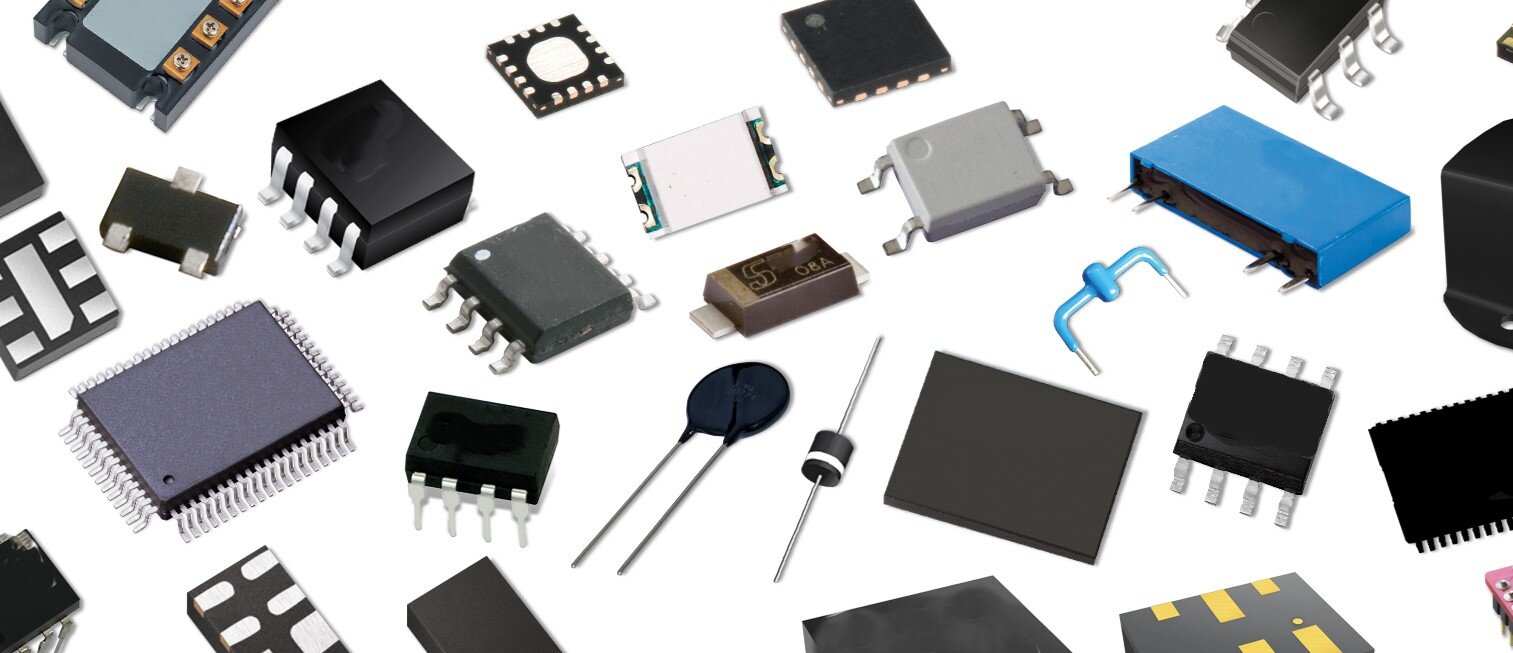
Credit: www.endrich.com
Types Of Active Components
Active electronic components are essential parts that control the flow of electricity and amplify signals in electronic devices. They differ from passive components by their ability to inject power into a circuit and create gain. Understanding the types of active components helps you design and troubleshoot circuits more effectively.
Transistors
Transistors act like electronic switches or amplifiers. They can turn current on or off or increase the strength of weak signals. You often find them in almost every electronic device, from radios to computers.
If you’ve ever built a simple amplifier circuit, you know how a single transistor can change the volume dramatically. They come mainly in two types: Bipolar Junction Transistors (BJT) and Field Effect Transistors (FET).
Diodes
Diodes allow current to flow in one direction only, making them crucial for converting AC to DC power. They protect circuits by blocking reverse voltage that might damage components. You’ve likely seen diodes in power adapters and LED lights.
Some diodes, like Zener diodes, can regulate voltage, which is useful for maintaining steady voltage levels in circuits. Have you ever noticed how your phone charger keeps the voltage stable? Diodes play a big role in that.
Integrated Circuits
Integrated Circuits (ICs) combine multiple active components into a tiny chip. This lets you perform complex functions like processing, amplification, or timing in a small space. Think of ICs as the brain behind your smartphone or TV remote.
ICs can be analog, digital, or mixed-signal, depending on their application. When you hold a microcontroller in your hand, you’re actually holding thousands of transistors and diodes packed together.
Optoelectronics
Optoelectronic components convert electrical signals into light or vice versa. Examples include LEDs, photodiodes, and laser diodes. They are key in devices such as fiber optic communication systems and remote controls.
Have you noticed how LED indicators show power status on devices? That’s optoelectronics at work. These components bridge the gap between electrical and optical systems, opening up new possibilities for communication and sensing.
Functions And Applications
Active electronic components play vital roles in modern devices. They control and modify electrical signals to perform useful tasks. These components can amplify signals, switch currents, and convert energy forms. Their unique functions make them essential in many applications.
Signal Amplification
Active components increase the strength of weak electrical signals. This process is called amplification. Amplifiers use transistors or vacuum tubes to boost audio, radio, or data signals. Without amplification, many electronic systems would fail to work properly.
Switching Mechanisms
Active components act as switches in electronic circuits. They control the flow of current by turning it on or off. Transistors are common switches in computers and digital devices. Switching allows devices to process information and perform tasks efficiently.
Energy Conversion
Active components convert energy from one form to another. For example, diodes change alternating current (AC) to direct current (DC). This conversion is crucial for powering electronic gadgets. Energy conversion helps devices operate safely and reliably.
Choosing The Right Component
Choosing the right active electronic component can make or break your project. Each component has unique features that affect how your circuit performs. Understanding these differences helps you avoid costly mistakes and ensures your design works as intended.
Understanding Specifications
Every active component comes with a set of specifications, like voltage, current, power rating, and frequency response. These details tell you how the component behaves under different conditions. Ignoring these specs can lead to overheating, signal distortion, or even component failure.
Think about a transistor you once picked without checking its maximum current rating. It failed quickly because the current in your circuit was higher than expected. Checking datasheets carefully can save you time and money.
Look for key specs such as:
- Maximum voltage and current limits
- Gain or amplification factor
- Frequency range
- Power consumption
- Noise levels
Matching With Circuit Requirements
Not every component fits every circuit. You need to match the component’s capabilities with what your design demands. For example, using a low-power op-amp in a high-frequency radio circuit will cause poor performance.
Ask yourself these questions:
- What voltage and current does my circuit operate at?
- How fast does the component need to respond?
- Is power efficiency a priority?
- Do I need the component to handle specific environmental conditions?
Matching components to these needs avoids trial and error. It also improves your circuit’s reliability and efficiency. Remember, choosing the right active component is about making your electronics work smarter, not harder.
Common Challenges
Active electronic components are essential in almost every electronic device you use, but working with them brings its own set of challenges. These challenges can affect performance, reliability, and lifespan. Understanding these issues helps you design better circuits and avoid common pitfalls.
Heat Dissipation
Active components like transistors and integrated circuits generate heat during operation. If this heat is not managed properly, it can damage the components or reduce their efficiency. You need to consider cooling methods such as heat sinks, fans, or thermal pads to keep temperatures in check.
Have you ever noticed a device getting warm after extended use? That warmth is a sign heat dissipation is working hard, but if left unchecked, it could lead to failure. Planning for heat management early in your design can save you time and money later.
Power Management
Providing the right amount of power is crucial for active components to function correctly. Too much voltage can cause permanent damage, while too little can result in unstable operation. You must choose power supplies and regulators carefully to maintain steady and appropriate voltage levels.
Sometimes, unexpected power surges or drops occur, especially in unstable environments. How do you protect your components from these fluctuations? Using protective circuits like voltage clamps or surge protectors can be a practical solution.
Component Failures
Active components can fail due to various reasons such as manufacturing defects, environmental stress, or improper handling. Identifying the root cause of failure can be tricky but is essential for improving your designs. Regular testing and quality checks help catch problems early.
Have you experienced a sudden device malfunction without obvious cause? It might be due to component failure. Keeping spare parts and knowing how to quickly replace or troubleshoot these components can keep your projects running smoothly.

Credit: abiroyen.com
Future Trends In Active Components
The future of active electronic components points toward smaller, smarter, and more efficient devices. Innovations aim to meet the rising demand for compact gadgets with longer battery life and higher performance. These trends will shape how electronics integrate into daily life and industry.
Miniaturization
Active components are becoming smaller to fit into tiny spaces. This allows more features in smaller gadgets like smartphones and wearables. Miniaturization also helps reduce the weight and size of electronic devices. Engineers use advanced fabrication techniques to shrink circuits without losing power.
Energy Efficiency
Reducing power consumption is a top priority for active components. Energy-efficient designs help extend battery life and lower heat production. New circuits use less electricity while maintaining strong performance. This trend supports sustainable technology and reduces environmental impact.
Advanced Materials
New materials improve the function of active components. Materials like graphene and gallium nitride offer faster speeds and better heat resistance. These materials enable components to work in harsh conditions and at higher frequencies. Research continues to find substances that boost reliability and efficiency.
Frequently Asked Questions
What Are Active Electronic Components?
Active electronic components are devices that control electric current flow. They can amplify signals, provide power gain, or switch currents in circuits.
How Do Active Components Differ From Passive Ones?
Active components require power to operate and can amplify signals. Passive components do not need power and only store or dissipate energy.
What Are Common Examples Of Active Electronic Components?
Common active components include transistors, diodes, integrated circuits, and vacuum tubes. They perform functions like amplification and switching in electronics.
Why Are Active Components Essential In Electronic Circuits?
Active components enable signal processing, amplification, and control. They make complex electronic functions and communication devices possible.
Conclusion
Active electronic components control electric signals in many devices. They need power to work properly. Examples include transistors, diodes, and integrated circuits. These parts help devices like phones, computers, and radios function. Understanding their role makes electronics easier to grasp.
Knowing what active components do helps in learning electronics basics. They are key to modern technology’s success. Keep exploring to see how these components fit in daily life.