What are Technology Wearables: Unlocking Smart Innovation Today
Imagine a world where your watch tracks your heart rate, your glasses give you real-time information, and your shirt monitors your posture. This is not science fiction; it’s the reality of technology wearables.
These innovative gadgets are changing how you interact with the world and manage your life. But what exactly are technology wearables, and how can they benefit you? Understanding this could unlock a new level of convenience and efficiency in your daily routine.
We’ll dive deep into the world of wearables, exploring their features, benefits, and how they can make your life easier and more connected. Stay with us to discover how these small devices can bring big changes to your life.
Types Of Wearable Technology
Wearable technology includes many gadgets worn on the body. These devices collect data and provide useful functions. They help track health, enhance communication, and offer new experiences.
Wearables come in different forms. Each type serves a specific purpose. Some focus on fitness, while others improve daily tasks or entertainment.
Fitness Trackers
Fitness trackers monitor physical activity and health metrics. They count steps, measure heart rate, and track sleep patterns. These devices help users stay active and reach fitness goals. They often sync with smartphones for detailed reports.
Smartwatches
Smartwatches combine timekeeping with smart features. They show notifications, control music, and support apps. Many models include fitness tracking and GPS. Smartwatches keep users connected without needing to check phones.
Health Monitoring Devices
Health monitoring devices focus on medical data. They measure blood pressure, glucose levels, or oxygen saturation. These wearables assist people with chronic conditions. They provide real-time health feedback and alerts.
Augmented Reality Glasses
Augmented reality (AR) glasses overlay digital images on the real world. They enhance vision with useful information and interactive content. AR glasses are used in gaming, training, and work environments. They offer hands-free access to data.
Wearable Cameras
Wearable cameras capture photos and videos from the wearer’s view. They are popular for sports and outdoor activities. These devices provide a first-person perspective. Some models include live streaming and image stabilization features.
Core Features Of Wearables
Technology wearables pack several essential features that shape your everyday experience. These features work together to ensure the device is useful, efficient, and fits seamlessly into your lifestyle. Understanding these core elements helps you choose a wearable that truly meets your needs.
Sensors And Data Collection
Sensors are the heart of any wearable. They track your movements, heart rate, sleep patterns, and even environmental data like temperature or UV exposure.
Imagine having a device that knows when you’re stressed based on your heart rate variability. That’s the power of advanced sensors working quietly on your wrist.
Wearables collect this data continuously, giving you real-time insights. How would having instant feedback on your health change the way you approach daily habits?
Connectivity And Integration
Your wearable only shines when it connects smoothly with your other devices. Bluetooth and Wi-Fi enable constant communication with your smartphone or computer.
This connection lets you receive notifications, sync health stats, and control apps without pulling out your phone. Have you noticed how much easier your day gets when everything talks to each other?
Integration with apps and platforms also allows customization. You decide what data matters most and how you want to see it, making your wearable truly personal.
User Interface And Interaction
The way you interact with your wearable defines its usability. Touchscreens, buttons, voice commands, and even gestures create multiple ways to control your device.
A clean, simple interface means less time figuring out how to use your wearable and more time benefiting from it. Would you prefer a device that responds to a quick tap or one that needs complex navigation?
Wearables often provide haptic feedback, subtle vibrations that keep you informed without disturbing your environment.
Battery Life And Power Management
Battery life can make or break your experience with wearables. You want a device that lasts through your busiest days without constant recharging.
Power management features, like adaptive brightness and sleep modes, help extend battery life. Ever been caught without charge when you needed your wearable most?
Choosing a wearable with efficient battery use means fewer interruptions and more confidence in relying on it for important data.
Impact On Daily Life
Technology wearables have quietly become part of your daily routine, influencing how you manage your health, communicate, and work. These small devices offer big benefits, often without demanding much effort from you. Understanding their real impact can help you decide which wearable fits your lifestyle and goals.
Health And Fitness Tracking
Wearables like smartwatches and fitness bands monitor your heart rate, steps, and sleep patterns. They give you real-time feedback, making it easier to stay active and improve your habits.
You might notice how tracking your sleep helps you adjust bedtime for better rest. Or how daily step goals push you to move more during work breaks. These devices turn health data into simple actions you can take right away.
Enhanced Communication
Wearables keep you connected without needing to pull out your phone constantly. Notifications, calls, and messages appear on your wrist, letting you respond quickly and discreetly.
This can be a game-changer during meetings or when your hands are full. Have you ever missed an important call because your phone was buried in your bag? Wearables solve that problem by keeping communication accessible at all times.
Personal Safety And Security
Many wearables include features like emergency SOS, fall detection, and GPS tracking. These functions can alert loved ones or emergency services if you’re in trouble.
Imagine going for a run and suddenly feeling unwell; your wearable can notify someone immediately. This peace of mind helps you feel safer when you’re alone or in unfamiliar places.
Workplace Productivity
Wearables help you manage tasks and time more effectively. Reminders, calendar alerts, and quick access to information keep you focused without constant phone checking.
Some professionals use wearables to monitor stress levels and take timely breaks, improving concentration and reducing burnout. Could a wearable help you stay more organized and less distracted during your workday?
Challenges Facing Wearables
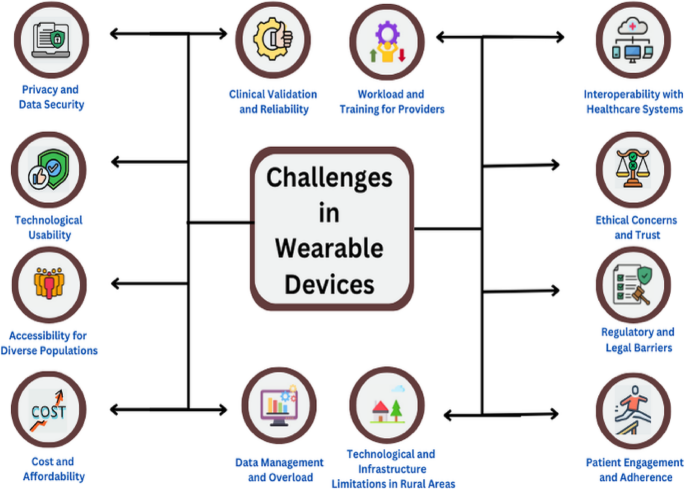
Technology wearables offer exciting possibilities, but they come with their own set of challenges. These issues can affect how useful and enjoyable your wearable devices are. Understanding these challenges helps you make smarter choices and get the most from your gadgets.
Privacy And Data Security
Your wearable collects a lot of personal information, from health stats to location data. This makes privacy a major concern. If the data isn’t properly protected, it could be accessed by hackers or used without your permission.
Think about how comfortable you are sharing sensitive health details. Would you trust your device’s security measures? Always check if the manufacturer has strong encryption and clear privacy policies before buying.
Device Compatibility
Wearables need to work seamlessly with your phone or other gadgets. Unfortunately, many devices don’t support all operating systems or apps. This can limit their usefulness and frustrate you when features don’t sync properly.
Imagine buying a smartwatch only to find it doesn’t connect well with your phone. That’s a common problem. Before you invest, verify compatibility with your existing devices to avoid headaches later.
Cost And Accessibility
High-tech wearables often come with a hefty price tag, putting them out of reach for many people. This limits who can benefit from the latest health and fitness tracking technologies. Even if you find a cheaper model, it might lack key features.
Consider what features you truly need and whether the cost matches the value you’ll get. Sometimes, waiting for prices to drop or choosing simpler models can be a smarter move.
Design And Comfort
You’ll wear these devices all day, so comfort matters a lot. Some wearables are bulky or use materials that irritate your skin. Poor design can make you avoid wearing them, defeating their purpose.
Have you ever stopped using a device because it felt awkward or uncomfortable? Look for wearables designed with ergonomics in mind. Trying them on or reading user reviews about comfort can save you from future discomfort.
Future Trends In Wearable Tech
The future of wearable technology is shaping up to be more exciting and practical than ever. As these devices become smarter and more comfortable, they will fit seamlessly into your daily life. Let’s look at some key trends that will define the next generation of wearables and what they mean for you.
Advancements In Ai Integration
AI is making wearables smarter by helping them learn from your habits and predict your needs. This means your device could remind you to hydrate when it senses you’re dehydrated or adjust your workout plan based on your progress. Imagine a wearable that acts as your personal coach, guiding you in real-time without any extra effort from you.
Flexible And Smart Fabrics
Wearables are moving beyond rigid devices to fabrics that can monitor your health while you wear regular clothing. These smart fabrics can measure heart rate, temperature, and movement without feeling bulky. Have you ever thought about your clothes becoming a health tracker? Soon, your shirt might do that while you go about your day.
Improved Battery Technologies
Battery life is a major concern for anyone using wearables. New technologies are pushing battery efficiency higher, meaning you’ll spend less time charging and more time using your devices. Some wearables might even charge through your body heat or solar power, making constant recharging a thing of the past.
Expanded Use Cases
Wearables are no longer just about fitness tracking. They’re expanding into areas like mental health, workplace safety, and even personalized medicine. Could a wearable soon detect stress levels and suggest a quick breathing exercise? Or alert a worker about hazardous conditions before danger strikes? These new uses could make wearables essential tools in many parts of your life.
Frequently Asked Questions
What Are Technology Wearables Used For?
Technology wearables track health, fitness, and daily activities. They also provide notifications, GPS, and hands-free communication. These devices enhance convenience and improve personal wellness.
How Do Wearable Devices Work?
Wearables use sensors to collect data like heart rate and movement. They sync with smartphones or computers for analysis and display. This real-time data helps users monitor health and activity.
What Are Common Types Of Wearables?
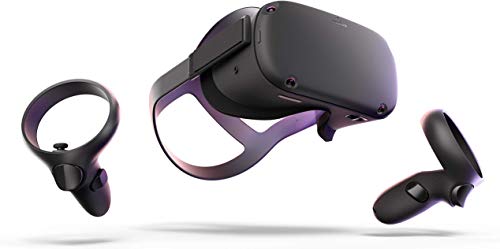
Popular wearables include smartwatches, fitness trackers, and smart glasses. Other types are VR headsets and wearable medical devices. Each serves different purposes like fitness, communication, or entertainment.
Are Technology Wearables Safe To Use?
Most wearables are safe with low radiation levels. However, users should avoid prolonged exposure and follow manufacturer guidelines. Data privacy is important, so secure connections and permissions matter.
Conclusion
Technology wearables help people track health and stay connected. They come in many forms like watches, glasses, and bands. These devices make daily tasks easier and fun. People use them for fitness, communication, and safety. Wearables continue to grow and improve every year.
Many find them useful for a better lifestyle. They show how technology fits into everyday life. Simple tools with smart functions. A small device with big help. Technology wearables are here to stay.