How Much Does It Cost to Make Wearable Technology: Ultimate Guide
Have you ever wondered how much it really costs to make wearable technology? Whether you’re thinking about launching your own smart watch, fitness tracker, or health monitor, understanding the price behind these gadgets is key.
Knowing the costs can help you plan better, avoid surprises, and make smarter decisions. You’ll discover the main factors that drive the price, from materials and design to software and manufacturing. Stick around—you’ll get clear insights that can save you time and money on your wearable tech project.
Key Components Of Wearable Tech
Wearable technology depends on several key parts that work together. Each component has a specific role and cost impact. Understanding these parts helps explain the overall price of making wearable tech.
Sensors And Processors
Sensors collect data like movement, heart rate, or temperature. Common sensors include accelerometers, gyroscopes, and heart rate monitors. Processors analyze this data and control the device’s functions. Higher-quality sensors and faster processors increase costs. They affect accuracy and device performance.
Display Technologies
Displays show information to the user. Options include OLED, LCD, and e-ink screens. OLED screens offer bright colors but cost more. LCDs are cheaper but use more power. E-ink screens save battery life but have limited color. The choice depends on design and budget.
Battery And Power Management
Batteries power wearable devices. They must be small, safe, and long-lasting. Lithium-ion batteries are common but costly. Power management chips help extend battery life. Efficient power use lowers the need for large batteries. This can reduce size and cost.
Connectivity Modules
Wearables connect to other devices or networks. Common modules include Bluetooth, Wi-Fi, and NFC. Bluetooth is standard for short-range connections. Wi-Fi allows faster data transfer but uses more power. NFC enables quick pairing and payments. Adding multiple modules raises costs.
Material Costs Breakdown
Breaking down the material costs of wearable technology gives you a clearer view of where your budget goes. Each component plays a crucial role in the overall price and quality of the device. Understanding this helps you make smarter design and sourcing choices that fit your goals.
Housing And Enclosure Materials
The housing protects internal components and affects the device’s durability and look. Common materials include plastic, aluminum, and stainless steel. Plastic is affordable but less durable, while metals add sturdiness and a premium feel but cost more.
Choosing metal over plastic can double the cost but improve user perception. Have you considered how the housing’s weight might affect comfort? Lightweight materials can increase costs but boost user satisfaction.
Straps And Accessories
Straps aren’t just for holding the device; they influence style and comfort. Silicone straps are popular for affordability and flexibility. Leather and metal bands cost more but appeal to fashion-conscious buyers.
Customizable straps can increase material costs but provide a personalized touch. What kind of wearer are you targeting—active users or style-focused customers? Your choice here can impact your budget significantly.
Screen And Protective Layers
The screen is a critical cost factor, especially with touch and display technologies. Common screen materials include OLED, LCD, and protective glass like Gorilla Glass. OLED screens offer vibrant colors but come at a premium.
Adding protective layers boosts durability but adds to the price. Balancing screen quality and protection is key—too cheap, and users complain about scratches; too expensive, and your costs soar. What level of screen quality will satisfy your users without breaking your budget?
Design And Development Expenses
Design and development expenses cover the cost of creating wearable technology prototypes and software. These costs vary based on complexity and features included in the device. Skilled engineers and designers play a key role in shaping the final product.
Designing and developing wearable technology involves multiple expenses that can significantly impact the final cost of your product. Understanding these expenses is crucial for budgeting and planning effectively. Let’s dive into the key areas where costs are typically incurred.
Hardware Design
Hardware design is a critical component of wearable technology. This involves selecting and integrating various sensors, chips, and other electronic components. The complexity of the design can vary based on the functionality you want to incorporate. For instance, adding advanced sensors for health monitoring can increase costs. You may also need to consider the aesthetic and ergonomic aspects, ensuring that the product is comfortable and visually appealing. Collaborating with experienced hardware designers can help balance cost and quality.
Software Development
Software is the brain behind any wearable device. Developing reliable and user-friendly software can be challenging, as it requires integrating with various hardware components. You might need a team of skilled developers to create an app or interface that works seamlessly with your device. Software updates and maintenance also add to the ongoing expenses. Compatibility with multiple operating systems and ensuring data security are other factors that can influence development costs.
Prototyping And Testing
Prototyping is where your ideas start coming to life. Building a prototype helps in testing the functionality and identifying potential issues before mass production. This stage can be costly as it often involves trial and error to refine the product. Testing ensures that the wearable device meets industry standards and user expectations. Investing in thorough testing can save money in the long run by preventing costly recalls or redesigns. Would you rather discover a flaw after production or fix it during prototyping? Design and development expenses may seem daunting, but they are essential investments in creating a successful wearable technology product. Balancing these costs with strategic planning can lead to innovative and market-ready wearables.
Manufacturing And Assembly Costs
Manufacturing and assembly costs make up a significant portion of the total expense when producing wearable technology. These costs directly affect your product’s price and profitability. Understanding each component of these costs can help you make smarter decisions and control your budget effectively.
Component Sourcing
Finding the right components is crucial and can be surprisingly costly. Prices vary widely depending on the quality, supplier, and availability of parts like sensors, processors, and batteries.
For instance, sourcing high-precision sensors might double your costs compared to standard ones, but they significantly improve user experience. You should balance cost against performance carefully.
Have you considered negotiating with multiple suppliers? Bulk orders often reduce costs, but smaller batches offer flexibility to test components without overspending.
Assembly Line Setup
Setting up the assembly line involves investing in equipment, labor, and workspace. Automation can speed up production but requires upfront capital.
Manual assembly might save money initially but can lead to higher labor costs and inconsistent quality. Deciding between these options depends on your production scale and product complexity.
Ask yourself: Is your production volume enough to justify robotic assembly? Sometimes starting small and scaling up saves more money.
Quality Control Processes
Quality control ensures your wearable tech functions reliably and meets safety standards. This step requires testing equipment and trained personnel, which adds to manufacturing costs.
Skipping or skimping on quality control can lead to returns, repairs, or bad reviews, which cost more in the long run. Investing in thorough testing protects your brand and customer trust.
Think about how you can integrate quality checks seamlessly into your assembly line to catch issues early without slowing production.
Additional Costs To Consider
Building wearable technology involves more than just the cost of parts and assembly. You need to consider several additional expenses that can significantly impact your overall budget. These costs are essential to bringing your product to market and keeping it successful over time.
Certification And Compliance
Before your wearable hits the shelves, it must meet various safety and regulatory standards. These certifications ensure your device is safe and legal to sell in different regions.
Costs here include testing fees, documentation, and sometimes redesigns to meet specific rules. For instance, getting FCC approval in the U.S. or CE marking in Europe can each add thousands to your budget.
Ignoring these steps can delay your launch or lead to costly fines. Have you checked what certifications your target market requires yet?
Marketing And Distribution
Once your wearable is ready, you need to get it in front of customers. Marketing expenses cover advertising, promotions, and creating content that explains your product’s benefits clearly.
Distribution involves warehousing, shipping, and handling returns. These costs can pile up quickly, especially if you aim to sell internationally.
Think about how you will position your product and reach your audience effectively. Are you factoring in the costs of both digital campaigns and physical logistics?
Customer Support And Maintenance
Wearables often require ongoing support to handle technical issues and answer user questions. Setting up a customer service team or outsourcing support adds to your operational costs.
Maintenance also includes software updates and fixing bugs, which keep users happy and your product competitive. These costs might be smaller than manufacturing but happen continuously.
Have you planned how you’ll keep your customers satisfied after purchase? A strong support system can make or break your product’s reputation.
Cost Variations By Wearable Type
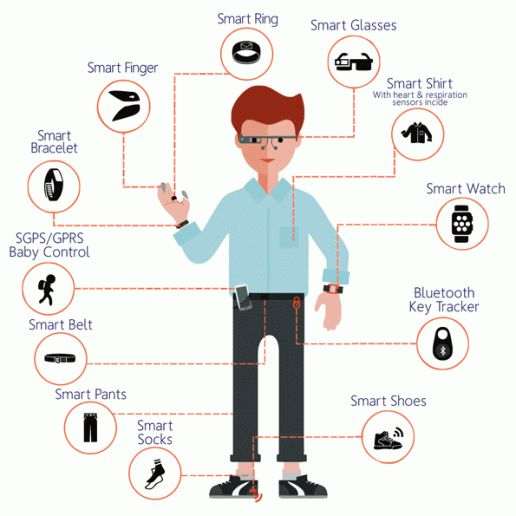
Costs to make wearable technology differ widely by type. Each device has unique parts, features, and technology. These differences affect how much it costs to produce them.
Understanding cost variations helps businesses plan budgets and set prices. It also guides designers in choosing materials and components wisely. Below, explore how costs vary across popular wearable types.
Smartwatches
Smartwatches combine many features like touchscreens, sensors, and wireless chips. The display quality and battery life impact the cost greatly. Basic models might cost $20 to $50 per unit to make. High-end models with advanced sensors and faster processors can cost $100 or more.
Materials like metal cases and sapphire glass raise production costs. Software development and licensing also add to the total expense. Bulk manufacturing can reduce costs slightly, but smartwatches remain moderately expensive.
Fitness Trackers
Fitness trackers focus on sensors for steps, heart rate, and sleep. They usually have simpler displays or none at all. Production costs range from $10 to $40 per unit. Cheaper devices use plastic casings and basic sensors.
More accurate sensors and longer battery life increase costs. Water resistance and Bluetooth features also add to expenses. Fitness trackers are generally more affordable than smartwatches.
Medical Wearables
Medical wearables require precise sensors and strict certifications. Components must meet health and safety standards. This raises costs significantly compared to consumer wearables.
Typical costs range from $50 to several hundred dollars per unit. Devices that monitor vital signs, glucose, or oxygen levels cost more. Software must be secure and accurate, increasing development costs.
Ar And Vr Devices
Augmented reality (AR) and virtual reality (VR) devices use advanced optics and processors. They need cameras, sensors, and sometimes external hardware. Costs can range from $100 to over $500 per unit.
High-resolution displays and tracking systems increase prices. Comfort and build quality are important, adding to material costs. These devices are the most expensive among wearables due to complex technology.
Tips To Reduce Production Costs
Reducing production costs is crucial for making wearable technology affordable. Smart strategies help lower expenses without losing quality. Small changes in the production process can save a lot of money. Here are some tips to keep costs down while producing wearable devices.
Bulk Component Purchasing
Buying parts in large quantities often cuts costs significantly. Manufacturers and suppliers usually offer discounts for bulk orders. Planning ahead helps secure better deals and reduces shipping fees. Stocking enough components also avoids delays in production.
Consider these points when purchasing components:
- Compare prices from multiple suppliers.
- Negotiate for lower rates on bulk orders.
- Choose standard parts to increase availability.
- Monitor inventory to prevent overstocking.
Outsourcing Vs In-house Manufacturing
Deciding between outsourcing and making products internally affects costs. Outsourcing can reduce labor and equipment expenses. It also gives access to specialized skills and faster production. In-house manufacturing offers more control over quality and timing. Evaluate both options based on budget, expertise, and production volume.
Ask these questions to choose the right method:
- What is the cost difference between options?
- Can the partner meet quality standards?
- Is the production volume stable or changing?
- How flexible is the supply chain?
Optimizing Design For Cost Efficiency
Design impacts production cost directly. Simplifying the design reduces the number of parts and assembly steps. Using common materials lowers expenses and improves availability. Early testing of prototypes helps catch issues before mass production. Focus on designs that balance function and cost.
- Use modular designs to reuse components.
- Minimize complex shapes that need special tools.
- Choose energy-efficient parts to reduce power needs.
- Design for easy assembly and repair.
Frequently Asked Questions
How Much Does Wearable Technology Development Cost?
The cost varies widely, typically between $50,000 to $500,000. It depends on complexity, features, design, and hardware components used.
What Factors Influence Wearable Tech Manufacturing Expenses?
Key factors include sensor quality, software development, battery life, materials, and production volume. Customization also raises costs.
How Long Does It Take To Develop Wearable Technology?
Development usually takes 6 to 12 months. It involves design, prototyping, testing, and software integration phases.
Can Startups Afford To Create Wearable Devices?
Startups can create wearables with budgets around $100,000 by focusing on minimal viable products and outsourcing.
Conclusion
Creating wearable technology involves various costs, from design to materials. Prices depend on features, quality, and production scale. Simple devices cost less, while advanced ones need more investment. Understanding these factors helps plan budgets better. Making smart choices can control expenses without losing quality.
Wearable tech remains an exciting field with growing demand. Knowing costs supports smarter decisions in this evolving market.