What Technologies are Used in Predictive Maintenance: Insights
Have you ever wondered how machines seem to predict their own breakdowns before they happen? Imagine saving time, money, and unexpected stress by knowing exactly when your equipment needs attention.
That’s the power of predictive maintenance, and it’s driven by some amazing technologies. You’ll discover the key tools and innovations making predictive maintenance smarter and more reliable. By the end, you’ll see how these technologies can transform the way you manage your machines and keep everything running smoothly.
Ready to unlock the secrets behind predictive maintenance? Let’s dive in.
Key Technologies In Predictive Maintenance
Understanding the key technologies in predictive maintenance helps you make smarter decisions about your equipment’s health. These technologies work together to detect issues early, reduce downtime, and save costs. Let’s break down the essential components that make predictive maintenance possible.
Sensors And Data Collection
Sensors are the frontline tools that gather real-time information from machines. They monitor variables like temperature, vibration, and pressure, giving you detailed insights into equipment conditions.
Without accurate data collection, predictive models can’t work effectively. Imagine trying to fix a problem without knowing its cause—sensors prevent that guesswork by providing clear signals.
Internet Of Things (iot)
IoT connects sensors and machines to a network, allowing seamless data transfer. This connectivity means you can track equipment health remotely and receive instant alerts.
IoT enables continuous monitoring and helps you spot trends before failures happen. If your machines aren’t connected, you miss out on valuable early warnings.
Machine Learning Algorithms
Machine learning analyzes the collected data to identify patterns and predict when a machine might fail. These algorithms improve over time, becoming more accurate with every new data set.
They help you prioritize maintenance tasks based on real risks, not just schedules. Have you ever wondered how to avoid unnecessary repairs? Machine learning shows you exactly when intervention is needed.
Edge Computing
Edge computing processes data near the source rather than sending it all to the cloud. This reduces latency and allows faster decision-making.
In environments where quick responses matter, edge computing can prevent costly breakdowns by analyzing data instantly. Think of it as having a technician right next to your machines, ready to act immediately.
Cloud Platforms
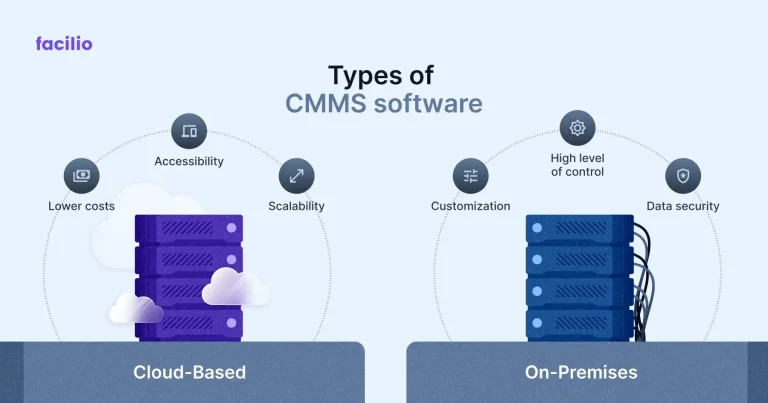
Cloud platforms store and manage large volumes of data collected from various sources. They offer scalable resources and powerful tools for in-depth analysis and reporting.
Using the cloud means you can access your maintenance data anytime, from anywhere. It also supports collaboration across teams, making it easier to plan and execute maintenance strategies.

Credit: leewayhertz.medium.com
Role Of Artificial Intelligence
Artificial Intelligence (AI) plays a crucial role in predictive maintenance by enhancing the accuracy and efficiency of monitoring systems. It helps you detect issues before they become costly problems. With AI, maintenance shifts from reactive to proactive, saving time and resources.
Anomaly Detection
Anomaly detection uses AI to identify unusual patterns in equipment data that could indicate potential failures. It sifts through vast amounts of sensor data to spot deviations that humans might miss. Have you ever wondered how machines catch tiny faults early? AI models can alert you instantly, preventing unexpected downtime.
This technology continuously learns from new data, improving its detection skills over time. It doesn’t just look for known problems but can spot new, unseen issues. This adaptability makes your maintenance smarter and more reliable.
Predictive Analytics Models
Predictive analytics models use AI algorithms to forecast when a machine might fail. These models analyze historical and real-time data to predict the remaining useful life of components. You get clear insights about when to schedule maintenance, reducing unnecessary checks.
By using regression, classification, and time-series analysis, these models provide actionable recommendations. For instance, a factory using predictive analytics reduced unexpected breakdowns by 30%. How often do you rely on guesses for maintenance timing? AI-driven predictions can change that.
Natural Language Processing
Natural Language Processing (NLP) helps translate complex maintenance reports and logs into understandable information. It allows you to interact with machines using everyday language. Imagine asking your system, “What’s the status of the compressor?” and getting a clear update instantly.
NLP also extracts valuable insights from unstructured data like technician notes and manuals. This means you can access hidden knowledge without digging through piles of documents. How much time could you save if your system summarized all maintenance info for you?
Data Management And Integration
Data management and integration form the backbone of predictive maintenance systems. Without clean, organized data flowing seamlessly from multiple sources, predicting equipment failures becomes guesswork. Managing diverse data streams and ensuring they work together effectively is a challenge that technology must solve.
Big Data Technologies
Predictive maintenance generates massive amounts of data from sensors, machines, and operational logs. Big data technologies like Apache Hadoop and Spark help you handle this volume efficiently. These tools enable you to analyze historical and real-time data simultaneously, spotting patterns that indicate potential failures.
Have you noticed how quickly your machine data piles up? Without big data platforms, sifting through this information would be nearly impossible. These technologies also support machine learning models by providing the rich datasets needed for accurate predictions.
Data Storage Solutions
Choosing the right storage solution is crucial for maintaining data accessibility and reliability. Options like cloud storage, data lakes, and traditional databases each serve different needs depending on data type and volume. Cloud platforms such as AWS and Azure offer scalable storage that grows with your data demands.
Think about the last time you struggled to find a specific data report. Efficient storage solutions prevent that frustration by organizing data logically and securely. This makes retrieving historical maintenance records or sensor logs quick and hassle-free, essential for timely decision-making.
Real-time Data Processing
Predictive maintenance thrives on real-time insights. Technologies like Apache Kafka and Apache Flink enable you to process streaming data instantly, allowing immediate detection of anomalies. This rapid response can prevent costly equipment failures before they happen.
Imagine a sensor signaling an unusual vibration pattern. Real-time processing tools catch this instantly, triggering alerts or automated actions. This capability turns raw data into actionable intelligence, keeping your operations smooth and uninterrupted.

Credit: medium.com
Communication Protocols And Networks
Communication protocols and networks form the backbone of predictive maintenance systems. They ensure smooth data flow from sensors to analytics platforms, enabling timely decisions. Without reliable communication, even the best predictive models can’t perform effectively.
Wireless Technologies
Wireless technologies like Wi-Fi, Zigbee, and LoRa are popular in predictive maintenance for their flexibility. They let you place sensors in hard-to-reach areas without worrying about cables. This freedom often leads to faster deployment and easier scaling of your monitoring network.
In my experience, using LoRa in a large factory reduced installation time by over 40%. The long-range capability meant fewer gateways were needed, cutting costs. Have you considered how wireless options might simplify your setup?
Industrial Protocols
Industrial protocols such as Modbus, OPC UA, and PROFINET are designed for reliable communication in harsh environments. They support real-time data exchange between machines and control systems, which is critical for accurate maintenance predictions.
OPC UA stands out because it’s platform-independent and offers strong security features. It’s a solid choice if your equipment comes from multiple manufacturers. What protocols do your current systems support, and can they handle the data load predictive maintenance requires?
5g And Connectivity
5G technology is changing the game by providing ultra-fast, low-latency connections. It allows instant data transfer, which helps detect issues before they cause downtime. This connectivity level is particularly useful in large industrial sites with many devices.
Imagine your sensors sending real-time alerts with zero delay, enabling immediate action. This can save you significant repair costs and production losses. Are you ready to leverage 5G to enhance your predictive maintenance strategy?
Visualization And User Interfaces
Visualization and user interfaces play a crucial role in making predictive maintenance technologies accessible and actionable. They transform complex data into clear, understandable visuals that help you spot trends and issues before they become costly problems. Good interfaces empower you to make quick, informed decisions without needing a data science degree.
Dashboards And Reporting Tools
Dashboards provide a real-time snapshot of equipment health and maintenance needs. They often include charts, graphs, and alerts that highlight anomalies or potential failures. Imagine having a control center on your screen where you can track machine performance at a glance—this saves time and helps prioritize urgent tasks.
Many dashboards allow customization, so you can focus on the metrics that matter most to your operations. Reporting tools also generate detailed summaries that you can share with your team or management. These reports help track maintenance trends over time and justify budget decisions.
Mobile Applications
Mobile apps bring predictive maintenance data right to your fingertips, whether you’re on the factory floor or offsite. This flexibility means you can respond to alerts instantly, update maintenance logs, and check equipment status without returning to a desktop. The convenience boosts productivity and reduces downtime.
Many apps feature push notifications for critical warnings and easy-to-use interfaces designed for quick data entry. If you’ve ever been caught away from your desk during an emergency, you know how valuable this accessibility can be. It keeps you connected and in control, no matter where you are.
Augmented Reality Support
Augmented reality (AR) is becoming a powerful tool in predictive maintenance by overlaying data directly onto physical equipment. With AR glasses or smartphone cameras, you can see real-time diagnostics and step-by-step repair instructions right where you’re working. This hands-free approach reduces errors and speeds up maintenance tasks.
Think about how much easier it is to fix a machine when you don’t have to flip through manuals or switch between screens. AR can highlight problem areas and suggest solutions instantly. Have you tried using AR in your maintenance routine? It might change how you approach complex repairs forever.
Security And Privacy Considerations
Security and privacy are vital in predictive maintenance systems. These systems collect and process large amounts of sensitive data. Protecting this data ensures trust and prevents unauthorized access. Companies must adopt strong security measures to safeguard equipment and information.
Data Encryption
Data encryption protects information during storage and transmission. It changes data into unreadable code without a key. This stops hackers from stealing or altering data. Encryption applies to sensors, cloud storage, and communication channels. Strong encryption standards keep data safe from threats.
Access Control
Access control limits who can view or use data. It ensures only authorized users access maintenance information. Methods include passwords, biometric scans, and multi-factor authentication. Role-based access restricts users based on their job needs. This reduces the risk of insider threats and data leaks.
Compliance Standards
Compliance standards set rules for data security and privacy. Predictive maintenance must follow laws like GDPR and HIPAA. These laws protect personal and sensitive data. Meeting standards helps avoid fines and legal problems. Regular audits and updates keep systems compliant and secure.
Emerging Trends In Predictive Maintenance
Predictive maintenance is evolving with new technologies that improve accuracy and efficiency. These emerging trends help businesses reduce downtime and maintenance costs. They offer smarter ways to monitor and predict equipment health.
Digital Twins
Digital twins create virtual models of physical assets. These models simulate real-time conditions using sensor data. They help predict failures by testing scenarios without risking actual equipment. This technology improves decision-making and maintenance planning.
Advanced Analytics
Advanced analytics uses machine learning and artificial intelligence. It processes large amounts of data quickly and finds hidden patterns. This insight allows early detection of potential problems. Businesses can optimize maintenance schedules and extend asset life.
Autonomous Maintenance Systems
Autonomous maintenance systems use robots and smart machines. They perform routine inspections and minor repairs without human help. These systems work continuously, ensuring constant monitoring. They reduce human error and increase safety in maintenance tasks.
Credit: medium.com
Frequently Asked Questions
What Technologies Enable Predictive Maintenance?
Predictive maintenance uses IoT sensors, machine learning, and big data analytics. These technologies monitor equipment health in real-time to predict failures. This approach minimizes downtime and maintenance costs by addressing issues before they become critical.
How Does Iot Contribute To Predictive Maintenance?
IoT devices collect real-time data from machines and equipment. This data helps detect anomalies and performance issues early. IoT integration enhances predictive accuracy, enabling timely maintenance actions and reducing unexpected breakdowns.
Why Is Machine Learning Important In Predictive Maintenance?
Machine learning analyzes historical and real-time data to identify patterns. It predicts equipment failures with high accuracy. This allows maintenance teams to schedule repairs proactively, improving operational efficiency and reducing costs.
What Role Does Big Data Play In Predictive Maintenance?
Big data processes vast amounts of machine data to uncover trends and insights. It supports advanced analytics and predictive modeling. This helps optimize maintenance schedules and enhances decision-making for asset management.
Conclusion
Predictive maintenance uses many smart technologies to keep machines working well. Sensors collect data to spot problems early. Artificial intelligence helps predict when repairs are needed. Cloud computing stores and processes this data quickly. These tools reduce downtime and save money.
They also improve safety for workers. Businesses that use these technologies can plan maintenance better. The future of maintenance is smarter and more efficient. Understanding these technologies helps companies stay competitive and reliable. Technology in maintenance is not just helpful—it’s becoming essential.