What Electronic Components to Buy: Essential Guide for Beginners
Are you ready to build your next electronic project but unsure which components to pick? Choosing the right electronic parts can make all the difference between success and frustration.
Whether you’re a beginner or looking to upgrade your toolkit, knowing exactly what to buy saves you time, money, and headaches. You’ll discover the essential electronic components that every maker needs. By the end, you’ll feel confident about your purchases and ready to bring your ideas to life.
Keep reading to find out how to get the most out of your electronics shopping!
Basic Components For Beginners
Starting with basic electronic components builds a strong foundation. These parts are easy to use and found in many projects. Beginners should focus on simple, versatile components that teach key concepts. Understanding these basics helps in creating circuits and learning electronics.
Resistors
Resistors control the flow of electric current. They protect other components by limiting current to safe levels. Resistors come in different values, measured in ohms (Ω). Beginners should get a set of common values like 220Ω, 1kΩ, and 10kΩ. These cover many simple circuit needs.
Capacitors
Capacitors store and release electrical energy quickly. They help smooth voltage changes and filter signals. Capacitors come in two main types: ceramic and electrolytic. Ceramic capacitors are small and stable. Electrolytic capacitors hold more charge but have polarity. A beginner kit should include both types with various values.
Diodes
Diodes allow current to flow in one direction only. They protect circuits from damage by blocking reverse current. The most common diode is the 1N4001, used in power supplies. Light Emitting Diodes (LEDs) are special diodes that emit light. Beginners should have a pack of standard diodes and LEDs for practice.
Active Components
Active components are essential parts of any electronic device. These components control the flow of electricity and can amplify signals. They require a power source to operate and are crucial for circuits to function properly. Understanding which active components to buy helps in building or repairing electronics efficiently.
Transistors
Transistors act as switches or amplifiers in circuits. They control electric current and can turn signals on or off. Common types include:
- Bipolar Junction Transistors (BJTs) – used for switching and amplification.
- Field Effect Transistors (FETs) – known for high input impedance.
- Metal-Oxide-Semiconductor FETs (MOSFETs) – popular in digital circuits.
Choose transistors based on voltage, current, and frequency requirements. They come in various packages and sizes.
Integrated Circuits
Integrated circuits (ICs) combine multiple electronic components into one chip. They perform complex tasks in small spaces. Types of ICs include:
- Analog ICs – handle continuous signals like audio.
- Digital ICs – work with binary data for logic operations.
- Mixed-signal ICs – combine analog and digital functions.
Select ICs by checking their function, pin configuration, and power needs. They simplify designs and save space.
Power Supply Essentials
Power supply components are vital for any electronic project. They provide the energy needed for circuits to work correctly. Choosing the right power supply parts helps ensure safety and performance. These essentials include batteries, voltage regulators, and transformers.
Batteries
Batteries store electrical energy in a portable form. They come in many types, such as alkaline, lithium-ion, and nickel-metal hydride. Each type suits different needs based on voltage, capacity, and size. Always check the battery’s voltage and current rating for your project.
Rechargeable batteries save costs and reduce waste. Disposable batteries are easy to replace but less eco-friendly. Use battery holders or connectors for safe installation and replacement.
Voltage Regulators
Voltage regulators keep the voltage steady and safe for your electronics. They prevent damage from voltage spikes or drops. Common types include linear regulators and switching regulators.
Linear regulators are simple and quiet but less efficient. Switching regulators use less power and handle higher loads. Pick a regulator that matches your input voltage and output needs. Consider heat dissipation and package size too.
Transformers
Transformers change voltage levels in AC circuits. They can step voltage up or down as required. Transformers are important for devices running on mains electricity.
Look at the transformer’s voltage rating, power rating, and size. A properly chosen transformer improves efficiency and safety. Insulation and build quality also matter to avoid electrical hazards.
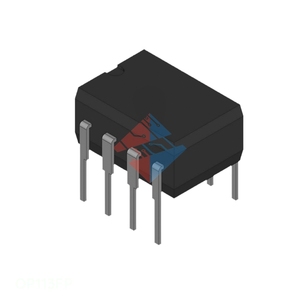
Credit: www.alibaba.com
Signal Control Devices
Signal control devices play a crucial role in managing how electrical signals behave within a circuit. They help you direct current flow, enable or disable connections, and sense changes in the environment. Choosing the right components can make your projects more efficient and responsive.
Switches
Switches are the simplest way to control the flow of electricity. They let you manually open or close a circuit, turning devices on or off. When selecting switches, consider their type—toggle, push-button, or rotary—and their current rating to match your project’s needs.
Think about the environment where the switch will operate. For example, waterproof switches are essential if your device will be exposed to moisture. Have you checked if the switch’s lifespan suits your application? Some switches can handle thousands of cycles, while others wear out quickly.
Relays
Relays act like electrically operated switches. They allow a low-power signal to control a higher power circuit safely. This separation protects your control circuit from high voltages or currents.
When buying relays, focus on coil voltage, contact rating, and switching type—normally open (NO), normally closed (NC), or changeover. For instance, a 12V relay with a 10A contact rating suits many automotive projects.
Relays also come in solid-state and electromagnetic varieties. Solid-state relays have no moving parts and switch faster, but electromagnetic relays are often more cost-effective. Which one fits your project’s speed and durability requirements?
Sensors
Sensors detect physical changes and convert them into electrical signals you can process. They enable your projects to respond to light, temperature, motion, or other environmental factors.
Choosing the right sensor means understanding its type and operating range. For example, a photoresistor works well for light detection but won’t help measure temperature. Consider accuracy, response time, and power consumption too.
Have you thought about how you will interface the sensor with your microcontroller or circuit? Some sensors output analog signals, others digital. Matching the sensor output to your system’s input type saves you extra work and components.
Connectivity And Interfacing
Connectivity and interfacing are the backbone of any successful electronic project. Without the right components to connect your modules and boards, your circuit can’t communicate effectively. Choosing the right connectors, cables, and breadboards ensures your project runs smoothly and stays flexible for adjustments.
Connectors
Connectors come in many shapes and sizes, each serving a specific purpose. You’ll want to stock up on common types like pin headers, JST connectors, and USB sockets. These allow you to plug and unplug components without soldering, saving time and reducing errors.
Think about the devices you’ll connect—some need power, others data signals. Using the correct connector prevents damage and ensures reliable communication. Have you ever struggled with loose connections? Investing in quality connectors will save you that frustration.
Cables
Cables carry signals and power between components, so their quality and type matter. Ribbon cables are great for parallel data, while coaxial cables are suited for high-frequency signals. Keep a variety of lengths and types on hand to match your project needs.
Don’t overlook the importance of cable management. Messy cables can cause shorts or make troubleshooting a nightmare. Using color-coded or labeled cables can help you keep track of connections at a glance.
Breadboards
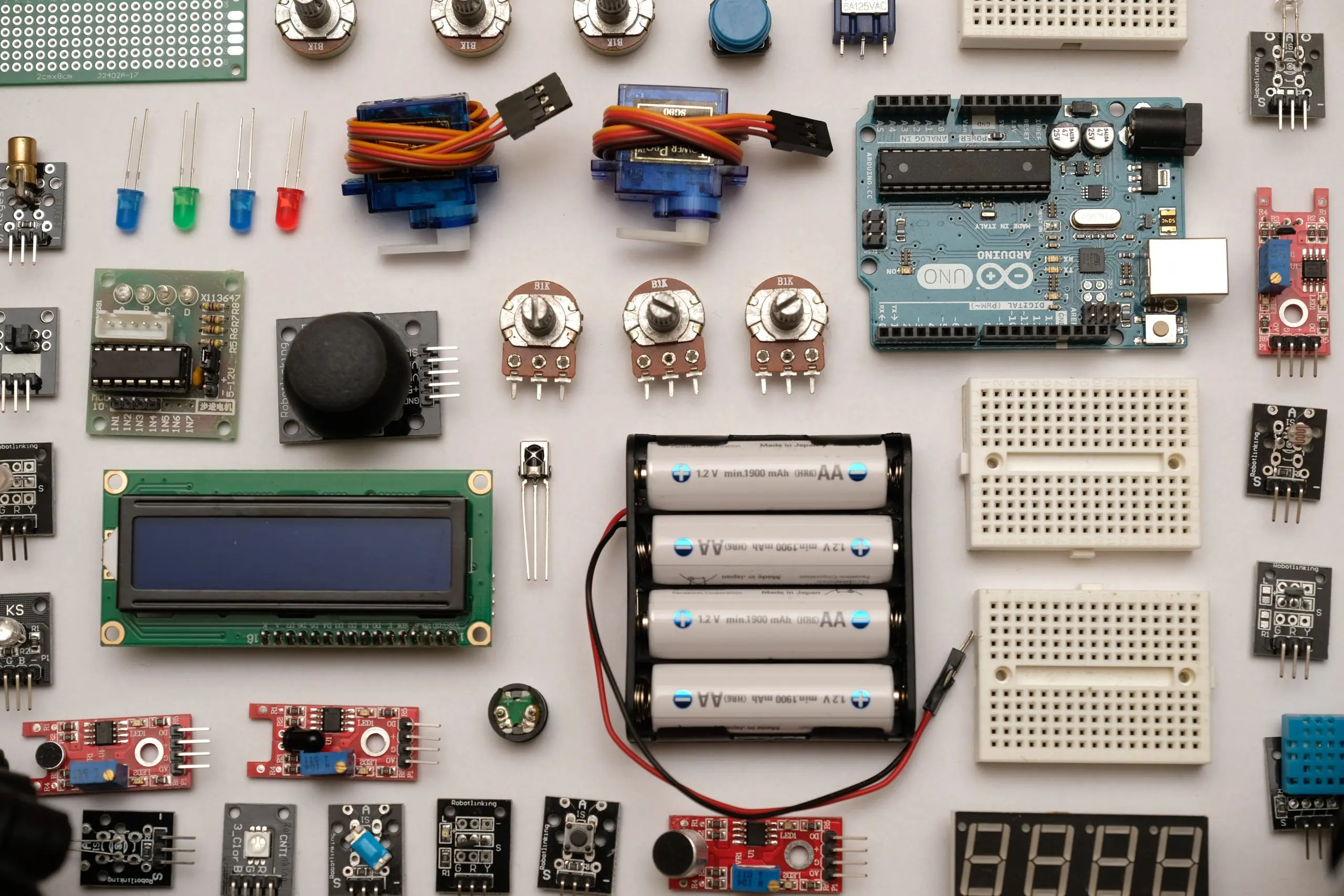
Breadboards are essential for prototyping and testing circuits without soldering. They let you quickly connect and disconnect components, making your design process faster and more flexible. Investing in a large, high-quality breadboard can make your experiments easier and more reliable.
Choose breadboards with sturdy contacts that won’t wear out after multiple uses. Have you noticed how some breadboards lose grip over time? That can lead to intermittent connections that waste hours of debugging. Your hands-on projects will thank you for a solid breadboard.

Credit: www.amazon.com
Tools And Accessories
Choosing the right tools and accessories is vital for any electronics project. These items help you work safely and accurately. They also make your tasks faster and easier. Essential tools include devices to measure, join, and prepare electronic parts. Investing in quality tools can save time and reduce errors.
Multimeters
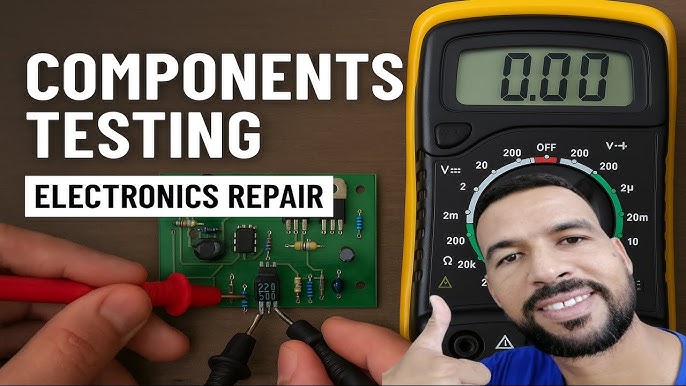
Multimeters measure voltage, current, and resistance in circuits. They help check if components work properly. Digital multimeters are easy to read and use. Look for models with auto-ranging to get quick, accurate results. Compact designs are handy for small projects and fieldwork.
Soldering Tools
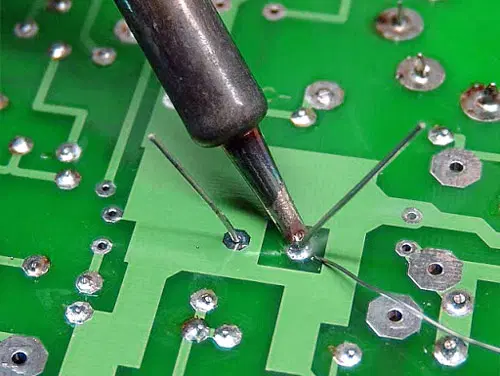
Soldering tools join electronic parts by melting solder wire. A good soldering iron or station offers adjustable temperature control. This control prevents damage to sensitive components. A soldering kit often includes tips, a stand, and cleaning sponges. These extras improve precision and safety during soldering.
Wire Strippers
Wire strippers remove insulation from wires without cutting the metal inside. Proper stripping ensures good electrical contact and neat connections. Choose strippers with multiple gauge settings for different wire sizes. Ergonomic handles reduce hand fatigue during long work sessions. Sharp blades make clean cuts and save time.
Safety Precautions
Safety is a top priority when buying and working with electronic components. Taking the right precautions protects both you and your devices. Simple safety steps prevent damage and injury.
Handling Components
Handle electronic parts with clean, dry hands. Avoid touching metal leads or circuit contacts. Use anti-static wrist straps to prevent static electricity damage. Store components in anti-static bags or containers. Keep components away from dust and moisture.
Avoiding Short Circuits
Short circuits can cause sparks and damage. Check all wires and connections carefully before powering devices. Use insulated tools to avoid accidental contact. Keep metal objects away from circuit boards. Double-check polarity of batteries and components before installation.
Protective Gear
Wear safety glasses to protect your eyes from sparks or debris. Use gloves to avoid cuts and burns. Work in a well-ventilated area to avoid inhaling fumes. Keep a fire extinguisher nearby for emergencies. Follow all safety instructions on component packaging.

Credit: www.ebay.com
Frequently Asked Questions
What Are Essential Electronic Components To Buy First?
Start with resistors, capacitors, LEDs, transistors, and diodes. These basics support most beginner projects and repairs. A good starter kit includes these components for versatility and learning.
How To Choose Quality Electronic Components?
Check manufacturer reputation, specifications, and datasheets. Buy from trusted suppliers to ensure reliability. Quality parts prevent circuit failures and improve project durability.
Which Components Are Best For Diy Electronics Projects?
Resistors, capacitors, breadboards, jumper wires, and microcontrollers like Arduino. These components allow easy experimentation and prototyping for various electronic circuits.
Where Can I Buy Affordable Electronic Components Online?
Popular sites include Digi-Key, Mouser, and Amazon. These platforms offer a wide range of components with competitive prices and fast shipping options.
Conclusion
Choosing the right electronic components helps your project work well. Start with basics like resistors, capacitors, and transistors. Quality matters, so pick trusted brands and check reviews. Know your project needs to avoid buying too much or too little. Buying smart saves time and money.
Keep learning and experimenting to improve your skills. Simple steps lead to great results.