What is Date Code for Electronic Components: Ultimate Guide Explained
Have you ever looked at an electronic component and wondered what those numbers and letters stamped on it mean? That tiny code holds vital information about when and where the part was made.
Understanding the basics of date codes for electronic components helps you track the manufacturing timeline and ensures you use parts within their optimal lifespan. Date codes are small markings on components that reveal when they were produced. This simple piece of information can save you from compatibility issues or component failure in your projects.
Date Code Formats
Date codes come in various formats depending on the manufacturer or industry standards. Some use a four-digit number where the first two digits represent the year and the last two the week of the year. Others might use a combination of letters and numbers to indicate the month and year.
For example, a date code like 2145means the component was made in the 45th week of 2021. Knowing these formats helps you quickly interpret the date without confusion.
Why Date Codes Matter
Using components with outdated date codes can lead to failures or degraded performance. Electronic parts like capacitors and semiconductors can deteriorate over time, even if unused. A component that looks fine but has an old date code might not meet your project’s reliability standards.
Have you ever experienced unexpected failures due to old components? Checking the date code first can prevent costly troubleshooting and downtime.
How To Read Date Codes
Reading date codes often requires understanding manufacturer-specific markings or industry standards like the Julian date system. You might see codes printed on the component body or on accompanying packaging. Sometimes, decoding requires a reference chart provided by the manufacturer.
Keep a simple reference sheet handy, or bookmark a reliable online resource to decode these numbers quickly. This small step can make your component selection more accurate and efficient.
Understanding the date code for electronic components can save you from costly mistakes, help you verify authenticity, and ensure your projects run smoothly. If you want to avoid confusion and make smarter choices with your electronics, keep reading—this guide will unlock the secrets behind those mysterious codes and show you exactly why they matter to you.
Date Code Basics

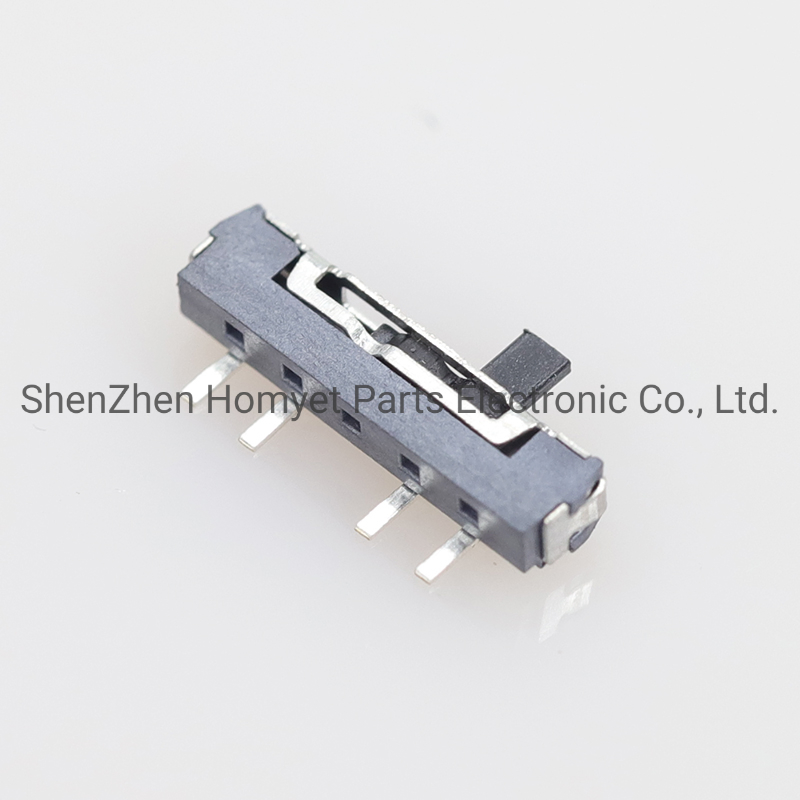
Credit: homyet.en.made-in-china.com
Importance Of Date Codes
Understanding the importance of date codes on electronic components can save you from costly mistakes. Date codes tell you exactly when a component was manufactured, which affects its reliability and performance. Ignoring this small detail could lead to using outdated parts that might fail prematurely.
Traceability And Quality Control
Date codes help you track the production batch of a component. This is crucial when quality issues arise because you can identify and isolate faulty batches quickly.
Manufacturers rely on date codes to maintain high standards. If a defect is found, they can trace it back to a specific time frame and fix the root cause.
Ensuring Component Reliability
Electronic parts degrade over time, even when stored properly. Using components with recent date codes reduces the risk of premature failure in your projects.
Have you ever experienced a device failure that was hard to explain? It might have been caused by an old or expired component.
Inventory Management And Compliance
For businesses, date codes make inventory management more efficient. You can prioritize using older stock first to minimize waste.
Some industries require strict compliance with standards that mandate tracking component age. Date codes ensure you meet these regulations without hassle.
Decoding Date Code Formats
Decoding date code formats is essential for understanding the manufacturing date of electronic parts. These codes help track production batches and ensure product authenticity. Different manufacturers use various formats, which can seem confusing at first. Knowing how to read these codes saves time and avoids mistakes.
Each format shows the date in a specific order. Some focus on weeks, others on days or years. Let’s explore the most common date code formats used in electronics.
Week-year Format
This format shows the production week first, followed by the year. For example, “2319” means the 23rd week of 2019. The week number ranges from 01 to 52, representing the calendar weeks.
It’s a popular format because it quickly shows when the component was made in the year. Manufacturers often use two digits for the year and two for the week.
Year-week Format
The year-week format reverses the order. It starts with the year, then the week number. For example, “1923” means the 23rd week of 2019. This format also uses two digits for each value.
This style is common in regions where year identification comes first. It provides clear information at a glance.
Day-year Format
Some date codes include the day of the year instead of the week. The day is a number from 001 to 365 (or 366 in leap years). For example, “12019” means the 120th day of 2019.
This format is less common but offers precise production timing. It helps in tracking components made on specific days.
Date Code Standards
Date code standards provide a clear way to identify the manufacturing date of electronic components. These standards ensure consistency across the industry. They help buyers, sellers, and engineers track production batches easily. Understanding these standards is key to managing inventory and quality control.
International Standards
International standards define common formats for date codes worldwide. These standards improve communication between manufacturers and customers globally. The most common formats include:
- Year and Week:A two-digit year followed by a two-digit week number (e.g., 2345 means the 45th week of 2023).
- Year and Month:A two-digit year followed by a one- or two-digit month (e.g., 2307 means July 2023).
- Julian Date:A three-digit format showing the day of the year, often used with a single digit for the year (e.g., 3185 for the 185th day of 2023).
These formats follow guidelines from organizations like the International Electrotechnical Commission (IEC) and the American National Standards Institute (ANSI). They make it easier to identify and verify production dates.
Manufacturer Specific Formats
Some manufacturers use unique date code formats tailored to their needs. These codes may include letters, numbers, or both. They often embed extra information, such as factory location or production line.
Examples include:
- Alphanumeric codes that combine year, week, and batch.
- Codes with special symbols indicating manufacturing shifts.
- Serial numbers integrated with date information.
These formats can vary widely. Reading them may require consulting the manufacturer’s datasheet or website. Understanding these codes helps avoid confusion and ensures proper component tracking.
Applications In Quality Control
Date codes play a vital role in quality control for electronic components. They help companies track and manage their products efficiently. This ensures safety, reliability, and compliance with industry standards.
Traceability
Date codes allow manufacturers to trace each component back to its production batch. This makes it easy to identify when and where a part was made. Traceability helps detect defects early and prevents faulty components from reaching customers.
Product Recalls
In case of a product issue, date codes help pinpoint affected batches quickly. This speeds up the recall process and reduces risks to users. Accurate date codes limit the scope of recalls, saving time and money.
Shelf Life Management
Electronic components degrade over time. Date codes help manage shelf life by indicating the manufacture date. This ensures components are used before they expire, maintaining performance and safety. Proper shelf life management reduces waste and avoids failures in final products.

Credit: www.amazon.ca
Challenges With Date Codes
Dealing with date codes on electronic components can be trickier than it seems. These small markings carry essential information about manufacturing dates, but challenges often arise when interpreting them. Understanding these difficulties can save you from costly mistakes and ensure your components are reliable.
Misinterpretation Risks
One common challenge is the risk of misinterpreting date codes. Different manufacturers use varying coding schemes, which can confuse even experienced technicians. Mistaking a date code could lead you to use outdated parts or discard perfectly good components.
Have you ever ordered parts only to realize later they were from a different production batch than expected? This happens because the date code wasn’t read correctly. Always double-check manufacturer documentation to avoid this pitfall.
Format Inconsistencies
Date codes don’t follow a universal format. Some use week and year, others use day and month, and a few apply proprietary codes. This lack of standardization makes it challenging to quickly identify the exact manufacturing date.
For example, a date code like “2031” might mean the 31st week of 2020 for one brand, while another might read it as the 20th day of a month in 2031. This inconsistency forces you to spend extra time verifying each component’s origin.
Reading Errors
Reading errors are frequent due to the tiny, often faded markings on components. Poor lighting, component size, and wear over time can cause misreads. Even a small slip in reading a digit can change the whole date.
Using magnification tools or digital readers can improve accuracy, but manual verification is still necessary. Have you checked how clear your components’ markings are before assembling your projects? Taking a moment to ensure accuracy can prevent future headaches.
Future Of Date Coding In Electronics
The future of date coding in electronics is moving beyond simple printed numbers and codes. As electronic components become more complex and supply chains more global, the need for smarter, more reliable date coding grows. You might wonder how these changes will impact the way you track and verify your electronic parts.
Advancements In Technology
Date codes will soon be more than just static marks on a component. New printing technologies like laser marking and inkjet printing are making date codes clearer and more durable. This means your components can withstand harsh environments without losing their identification.
Additionally, some manufacturers are experimenting with microscopic codes that can only be read with special devices. This adds a layer of security against counterfeit parts. Imagine being able to verify the authenticity of a chip instantly, just by scanning its date code.
Integration With Digital Systems
Digital integration is set to transform how you handle date codes. Instead of manually checking codes, smart systems will automatically read and record them during manufacturing and quality control. This reduces human error and speeds up inventory management.
Cloud-based tracking platforms will link date codes to detailed component histories. You could access production dates, batch information, and even shipping data with a few clicks. This level of transparency helps you make better decisions about component usage and replacement.
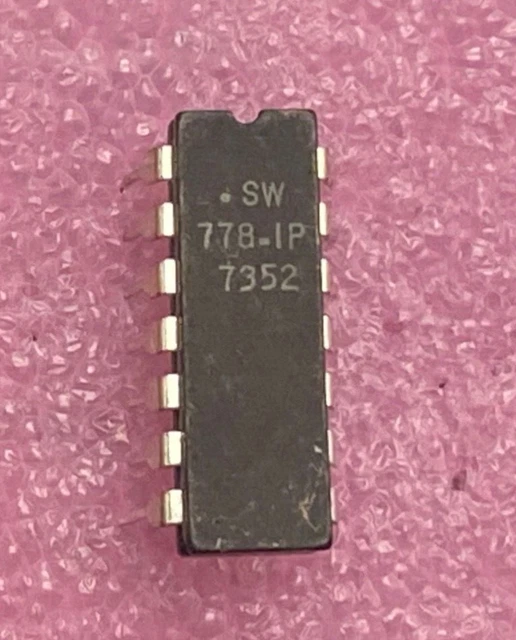
Credit: picclick.ca
Frequently Asked Questions
What Is A Date Code On Electronic Components?
A date code is a marking that shows when an electronic component was manufactured. It helps identify production batches and ensures product traceability. Date codes are essential for quality control and inventory management in electronics manufacturing.
Why Are Date Codes Important For Electronics?
Date codes help track component age and verify authenticity. They assist in warranty claims and prevent counterfeit parts. Knowing the manufacturing date also aids in assessing component lifespan and reliability.
How To Read Date Codes On Components?
Date codes usually consist of numbers representing the year and week of manufacture. For example, “2045” means the 45th week of 2020. Reading date codes varies by manufacturer but follows a similar format globally.
Can Date Codes Affect Component Performance?
Yes, older components may degrade and perform poorly. Date codes help determine if a component is within its recommended usage period. Using fresh components ensures optimal performance and reliability.
Conclusion
Date codes help identify when electronic parts were made. This information ensures you use fresh, reliable components. Knowing date codes prevents using old or faulty parts. It also helps track product quality over time. Understanding date codes is simple but very useful.
Keep checking date codes when buying or using parts. This small step saves time and avoids problems later. Stay informed to keep your electronics working well.