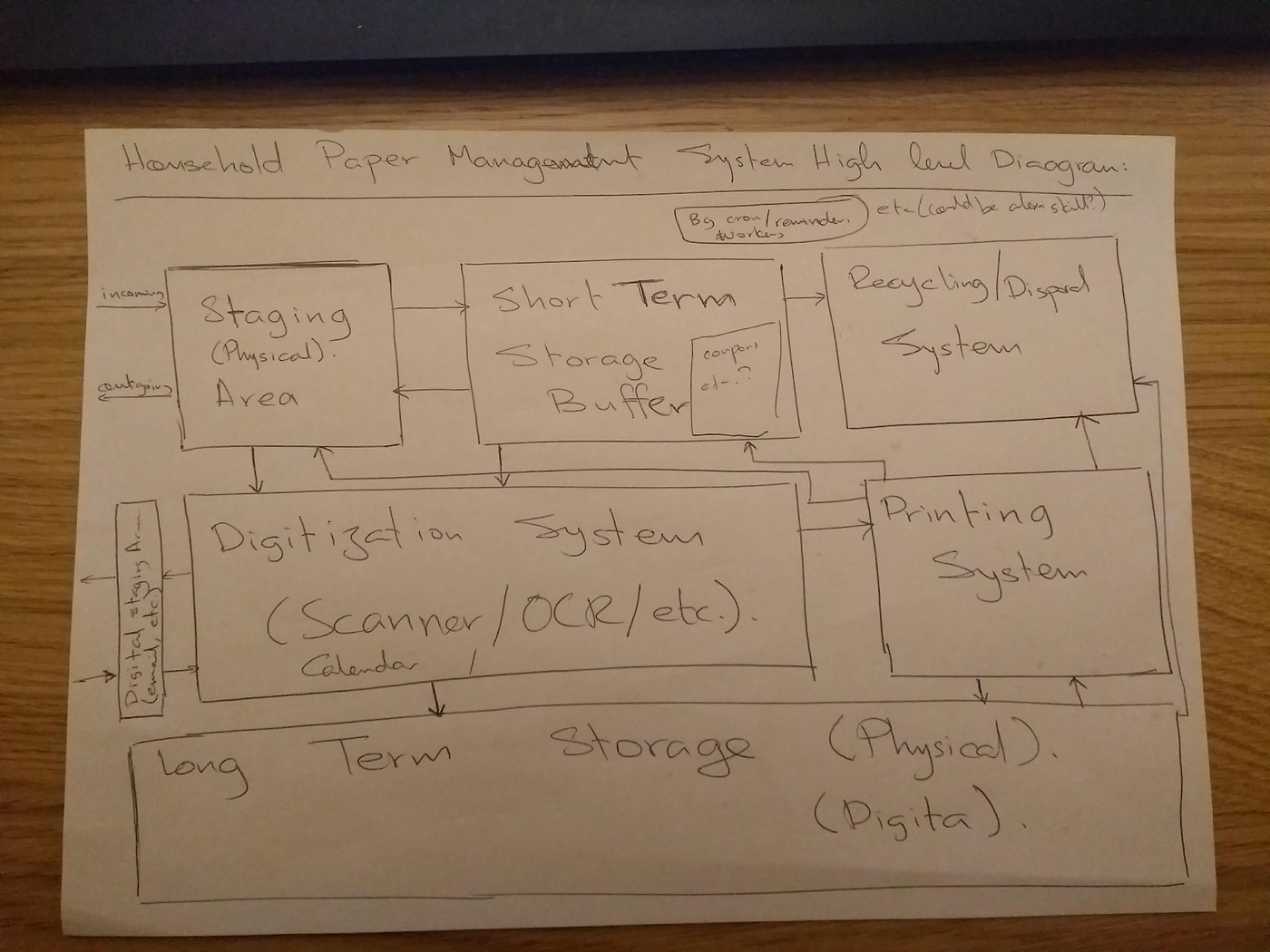
What is a Paper Based Maintenance System: Ultimate Guide Revealed
Are you struggling to keep track of your equipment maintenance? Wondering if there’s an easier way to organize your work orders, schedules, and records?
A Paper Based Maintenance System might be exactly what you need. This simple, hands-on method has helped countless businesses stay on top of their maintenance tasks without relying on complex software or technology. You’ll discover how a paper-based system works, its benefits, and whether it could be the right fit for your maintenance needs.
Keep reading to find out how you can make your maintenance process smoother and more reliable starting today.
Paper-based Maintenance System Essentials
A Paper-Based Maintenance System relies on physical documents to track and manage maintenance tasks. It is simple and requires no computer skills. This system works well for small businesses or places with limited technology access.
Understanding the essentials helps maintain order and efficiency. Clear records and organized files are key. These basics support smooth operations and keep equipment in good condition.
Documenting Maintenance Tasks
All maintenance activities must be recorded on paper forms or logs. This includes dates, tasks done, parts used, and worker names. Proper documentation creates a clear history of equipment care.
Organizing Paper Records
Paper files should be stored in labeled folders or binders. Group them by machine, date, or task type. Neat organization helps find information quickly during inspections or repairs.
Scheduling And Tracking
Use printed calendars or checklists to plan maintenance jobs. Mark completed tasks and upcoming work clearly. This keeps the maintenance routine on track and prevents missed jobs.
Maintaining Consistency
Follow standard forms and processes for every maintenance entry. Consistent records reduce confusion and improve communication among workers. It also helps spot recurring problems early.
Ensuring Accessibility
Keep paper records where maintenance staff can easily reach them. Accessible information speeds up decision-making and task completion. Avoid locking important files away or placing them in hard-to-find spots.

Credit: www.clickmaint.com
Core Components Of Paper-based Systems
A paper-based maintenance system relies on physical documents to track and manage maintenance tasks. These systems use simple tools and records to organize information. Understanding the core components helps explain how these systems work effectively.
Each part plays a vital role in keeping maintenance organized and easy to follow. Clear documentation and consistent records are key to success. Below are the main elements that form a paper-based maintenance system.
Work Order Forms
Work order forms are used to request and record maintenance tasks. They include details like task description, location, and priority. These forms help workers know exactly what to do and when to do it.
Maintenance Logs
Maintenance logs track all performed tasks and their outcomes. They provide a history of repairs and inspections. Logs ensure that nothing is missed and help plan future maintenance.
Checklists
Checklists guide technicians through routine inspections or tasks. They list each step to complete, ensuring thorough work. Checklists reduce errors and improve consistency.
Equipment Records
Equipment records store information about machines and tools. They include details like model numbers, purchase dates, and service history. These records help track asset condition and plan upkeep.
Scheduling Calendars
Scheduling calendars organize maintenance tasks over time. They show when each job is due and who is responsible. Calendars prevent missed deadlines and balance workloads.
How Paper-based Systems Work
Paper-based maintenance systems use physical documents to track and manage maintenance tasks. These systems rely on written records, forms, and logs to organize information. Maintenance teams write down details manually on paper sheets or in notebooks.
The process starts by creating a maintenance schedule on paper. Technicians follow this schedule to perform inspections, repairs, and routine checks. After completing a task, they record the work done, parts used, and any observations on the paper forms.
These records are stored in files or folders for future reference. Supervisors review the paperwork to monitor progress and plan upcoming work. Paper-based systems depend heavily on legible handwriting and proper filing.
Tracking Maintenance Tasks
Each maintenance job has a dedicated paper form or checklist. Technicians mark off completed tasks and write notes about issues found. This helps keep clear records of what was done and when.
Scheduling And Planning
Maintenance schedules are handwritten on calendars or logbooks. This guides technicians on what to do and when. Any changes are added manually, which requires careful updates to avoid confusion.
Recording Equipment History
Paper logs store past repairs and inspections for each machine. This history helps identify recurring problems. Technicians check these logs before starting new work.
Filing And Storage
Completed paperwork is organized in physical folders. These files must be kept safe and easy to access. Proper filing ensures quick retrieval during audits or reviews.
Communication And Reporting
Technicians share paper reports with supervisors. Supervisors compile this information to create maintenance reports. These reports help manage resources and plan budgets.
Benefits Of Using Paper-based Systems
Using a paper-based maintenance system offers clear and tangible benefits that can make managing your maintenance tasks straightforward. Despite the rise of digital tools, many businesses and individuals still find value in the simplicity and reliability of paper records. Let’s look at why a paper-based approach might work well for you and your maintenance needs.
Easy Access Without Technology
One major advantage is that paper-based systems don’t require any electronic devices or internet connection. You can access your maintenance records anytime, anywhere, without worrying about software crashes or battery life. This can be especially useful in remote locations or environments where technology may fail.
Simple To Use And Understand
Paper systems are straightforward and require no special training. You can quickly jot down notes, check off completed tasks, or update schedules without navigating complex software menus. This simplicity reduces errors and helps you keep your maintenance organized with minimal effort.
Cost-effective Solution
Starting with a paper-based system usually costs less upfront. You avoid software subscriptions, hardware expenses, and IT support fees. For small businesses or individuals on a tight budget, paper can provide a practical way to track maintenance without extra financial burden.
Improves Focus And Reduces Distractions
Using paper means you’re not tempted by notifications, emails, or social media. This helps you focus solely on the maintenance tasks at hand. Have you noticed how much easier it is to concentrate when your phone isn’t buzzing every few minutes?
Physical Backup For Critical Records
Paper documents serve as a reliable backup if digital records are lost due to a computer failure or hacking. Keeping a hard copy ensures your maintenance history is preserved and accessible during emergencies. This can provide peace of mind when handling important equipment or machinery.
Challenges And Limitations
Paper based maintenance systems have been used for decades to track repairs and upkeep. Despite their long history, these systems come with many challenges. Understanding these limitations helps explain why many businesses shift to digital tools.
Paper records can be hard to manage and prone to errors. They often slow down maintenance processes and create risks for data loss. These issues affect efficiency and reliability.
Risk of Data Loss and Damage
Paper documents can easily get lost, torn, or damaged by water. Fires and floods pose serious threats. Losing records means losing critical maintenance information. This risk can disrupt operations and increase costs.
Poor Accessibility and Sharing
Paper files are only accessible in one physical place. Sharing information requires copying or transporting documents. This causes delays and limits teamwork. Multiple users cannot view the same record simultaneously.
Time-Consuming Manual Processes
Entering data by hand takes time and effort. Searching through files wastes valuable hours. Manual updates often lead to mistakes and incomplete records. This slows down decision-making and repairs.
Limited Reporting and Analysis
Paper systems cannot easily generate reports or analyze trends. Identifying recurring problems or planning preventive maintenance becomes difficult. Without clear insights, maintenance strategies may not improve.
Environmental Impact
Using paper increases waste and resource consumption. Printing, storing, and disposing of documents adds to environmental harm. Digital alternatives offer a greener solution by reducing paper use.
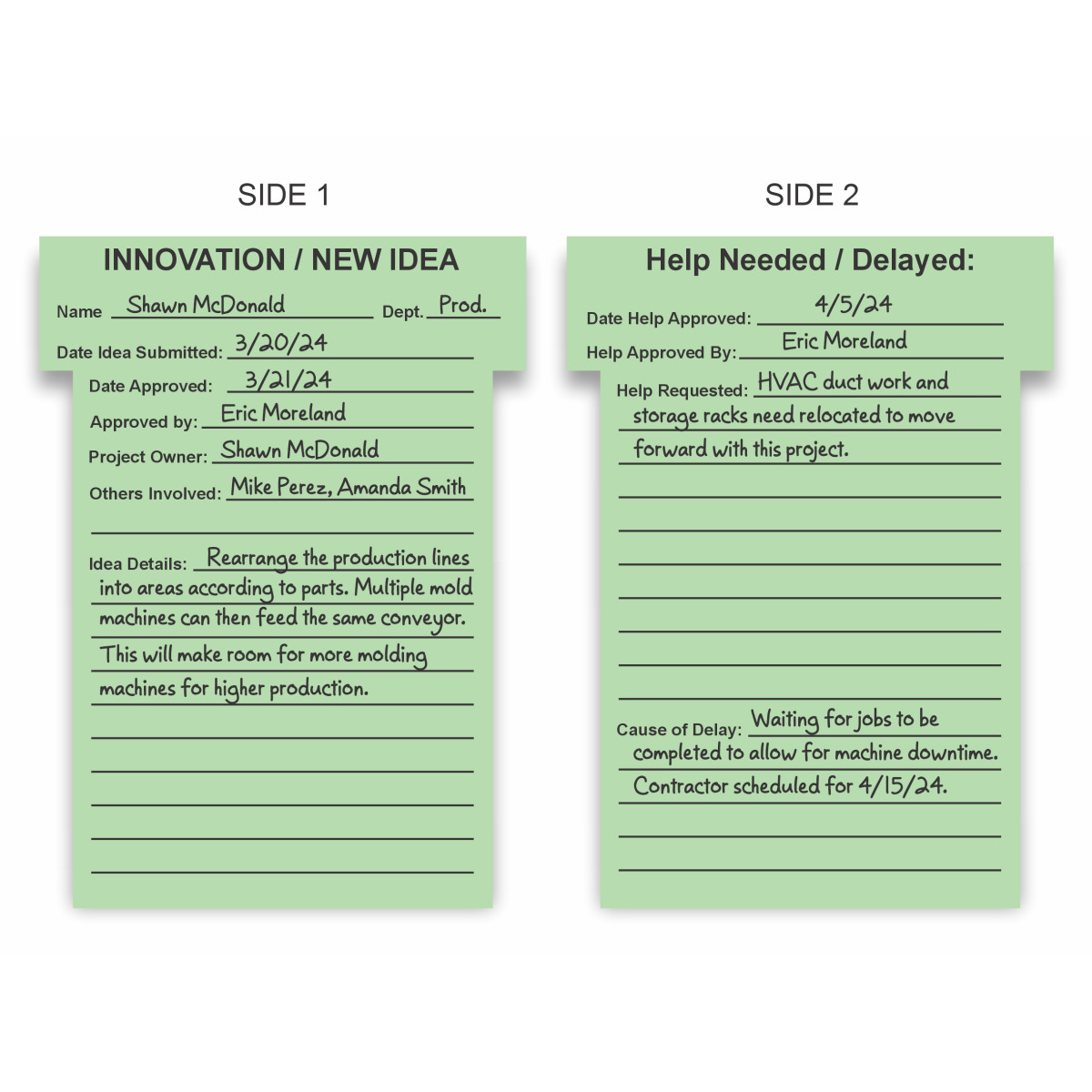
Credit: www.magneticconcepts.com
Comparing Paper-based And Digital Systems
Comparing paper-based and digital maintenance systems helps you decide which works best for your needs. Both have unique strengths and challenges that affect efficiency, accuracy, and ease of use. Understanding these differences can save time and reduce frustration in managing your maintenance tasks.
Accessibility And Convenience
Paper-based systems require physical access to files and logs, which can slow down your workflow. You might find yourself flipping through stacks of papers to find a single record.
Digital systems let you access information instantly from multiple devices, whether you’re onsite or remote. This flexibility often speeds up decision-making and coordination.
Data Accuracy And Updates
With paper, mistakes happen easily—illegible handwriting or misplaced documents can cause errors. Updates require manual rewriting, which takes extra time and risks losing information.
Digital tools automatically save changes and often include error-checking features. They help ensure your data stays accurate and up-to-date without extra effort.
Cost And Implementation
Starting with paper is usually low-cost since you just need notebooks or forms. However, ongoing expenses like storage space and paper supplies add up over time.
Digital systems may have higher upfront costs for software and training. But they often reduce long-term expenses by cutting down on paper use and improving efficiency.
Security And Backup
Paper records are vulnerable to damage, loss, or theft. Once lost, recovering information can be difficult or impossible.
Digital maintenance systems offer secure backups and controlled access. You can protect sensitive data with passwords and recover files quickly after a mishap.
Scalability And Reporting
Paper systems struggle as your operation grows. Managing larger volumes of records becomes overwhelming and prone to mistakes.
Digital systems scale easily and generate detailed reports with a few clicks. They help you spot trends and make smarter maintenance decisions faster.
Which system aligns better with your maintenance goals and daily realities? Sometimes blending both methods can offer a practical balance.
Transitioning From Paper To Digital
Transitioning from a paper-based maintenance system to a digital one is a significant change. It involves shifting from manual record-keeping to using software and digital tools. This change can improve efficiency, reduce errors, and save time. The process may seem challenging but can be managed step by step.
Digital systems offer quick access to maintenance records and real-time updates. They help track equipment status and schedule tasks automatically. Moving from paper to digital allows better data storage and easier report generation.
Assessing Current Paper-based Processes
Start by reviewing how maintenance tasks are recorded on paper. Identify what information is collected and how it is stored. Look for common problems like lost documents or delayed updates. Understanding current issues helps plan the digital shift better.
Choosing The Right Digital Tools
Select software that fits your maintenance needs and budget. Consider features like task scheduling, notifications, and mobile access. A user-friendly interface encourages staff to adopt the new system quickly. Cloud-based options offer flexibility and easy updates.
Training Staff For Digital Adoption
Provide clear instructions and hands-on training for employees. Show them how to enter data and use new features. Address questions and concerns to build confidence. Regular follow-ups support smooth adaptation to digital workflows.
Data Migration From Paper To Digital
Gather all existing paper records before starting migration. Digitize documents by scanning or manual entry. Organize data into categories for easy access. Verify accuracy during transfer to avoid errors later.
Implementing And Monitoring The Digital System
Begin using the digital system alongside paper records to compare results. Encourage feedback from users to identify issues. Track improvements in task completion and record accuracy. Adjust processes as needed to optimize performance.
Future Of Maintenance Systems
The future of maintenance systems is shifting rapidly from paper-based processes to digital solutions. These changes focus on improving efficiency, accuracy, and data management. Paper-based maintenance systems, once common, face challenges in keeping up with modern demands.
New technologies offer real-time updates and easier access to maintenance records. This shift helps teams respond faster and reduce downtime. The future points toward smarter, more connected maintenance systems.
Integration Of Digital Tools
Maintenance systems will use digital tools like mobile apps and cloud storage. These tools allow workers to update records instantly. Teams can access data from anywhere, reducing delays. Paper forms will gradually be replaced by electronic records.
Data-driven Decision Making
Future maintenance systems will rely on data analysis to predict issues. Sensors and IoT devices will collect machine data automatically. This data helps identify problems before they cause failures. Maintenance becomes more proactive and less reactive.
Improved Communication And Collaboration
Digital maintenance systems support better communication among team members. Everyone stays informed about work orders and updates. This reduces errors and missed tasks. Collaboration tools make teamwork smoother and more organized.
Environmental Impact Reduction
Moving away from paper reduces waste and saves resources. Digital systems lower the need for printing and physical storage. Companies benefit from cost savings and greener operations.
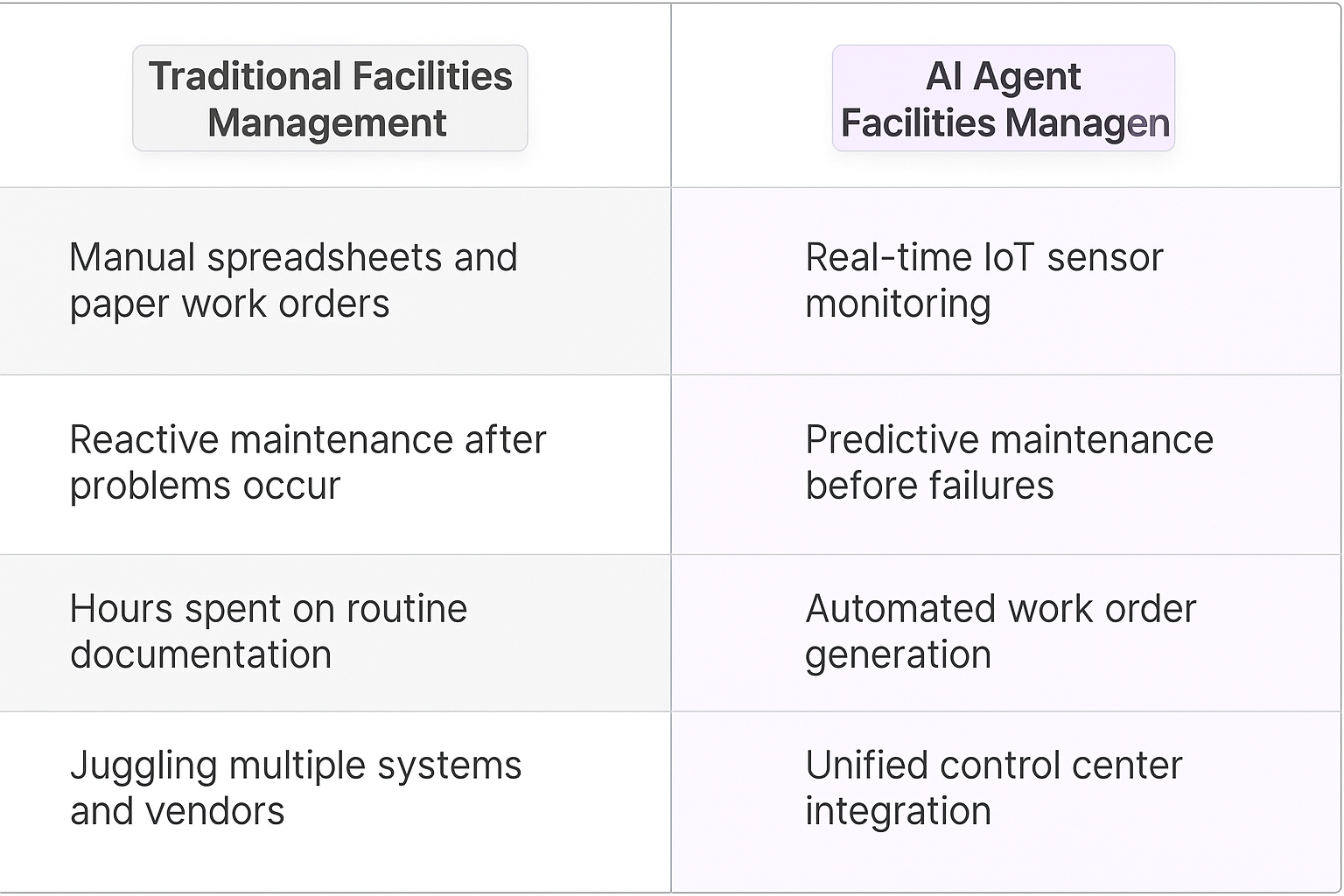
Credit: relevanceai.com
Frequently Asked Questions
What Is A Paper Based Maintenance System?
A paper based maintenance system uses physical documents to track and manage maintenance tasks. It involves manual record-keeping like logs, checklists, and schedules. This system is simple but can be prone to errors and inefficiencies compared to digital alternatives.
How Does A Paper Based Maintenance System Work?
It works by recording maintenance activities on paper forms and files. Technicians update logs after completing tasks. Supervisors review paperwork to monitor equipment status and plan future maintenance manually.
What Are The Benefits Of Paper Based Maintenance?
Paper systems are easy to implement and require no software training. They provide a tangible record and work well in low-tech environments. Also, they can be cost-effective for small operations with limited maintenance needs.
What Are The Drawbacks Of Paper Based Maintenance?
Paper systems can lead to lost or damaged records. They are less efficient and harder to analyze for trends. Manual updates increase human errors and slow down maintenance processes.
Conclusion
A paper-based maintenance system keeps records on physical paper. It helps track repairs, inspections, and schedules easily. Many businesses still use it for its simplicity and low cost. Though less fast than digital systems, it works well for small teams.
Paper files can be lost or damaged, so careful storage is key. This system fits those who prefer hands-on methods and clear paper trails. Understanding its strengths and limits helps choose the right maintenance approach. Simple, reliable, and easy to use—paper-based systems still have a place today.