How to Maintenance Sprinkler System: Expert Tips
Keeping your sprinkler system in top shape is easier than you think—and it can save you time, water, and money. If you want your lawn to stay green and healthy without unexpected breakdowns, knowing how to maintain your sprinkler system is key.
You’ll discover simple steps that anyone can follow to keep your sprinklers running smoothly all year round. Ready to protect your investment and enjoy a thriving garden? Let’s dive in.
Credit: blog.centuryfp.com
Sprinkler System Basics
Understanding the basics of your sprinkler system is essential before diving into maintenance. Knowing the types of systems and their key parts helps you spot issues early and keep your lawn healthy. Let’s look at what makes a sprinkler system tick and what options you might have in your yard.
Types Of Sprinkler Systems
There are a few common types of sprinkler systems, each designed for different watering needs and lawn sizes.
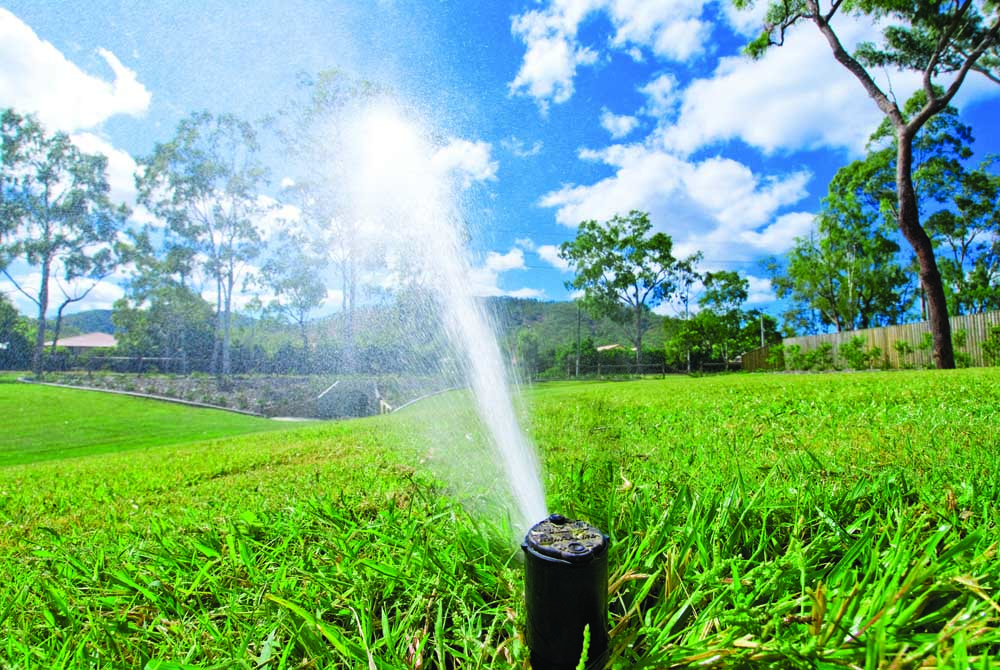
- In-ground Systems:Installed below the surface, these pop up when watering and retract afterward. They are great for large, established lawns.
- Above-ground Systems:Easier to set up and move, these are ideal for small gardens or temporary watering needs.
- Drip Irrigation:Instead of spraying water, drip systems deliver it directly to the roots. This saves water and is perfect for flower beds or vegetable gardens.
Have you ever wondered which system fits your garden best? Your choice affects how you maintain it daily.
Key Components
Knowing the parts of your sprinkler system makes troubleshooting much easier. Here are the main components you should be familiar with:
| Component | Function |
|---|---|
| Controller/Timer | Schedules when and how long your system waters. |
| Valves | Control water flow to different zones in your lawn. |
| Sprinkler Heads | Distribute water evenly across your garden. |
| Pipes | Carry water from the source to sprinkler heads. |
| Backflow Preventer | Stops contaminated water from flowing back into your home’s water supply. |
Once you know these parts, you’ll find it easier to spot leaks or blockages. Do you check your valves or heads regularly to avoid dry patches?
Credit: bluemountaineagle.com
Seasonal Maintenance Tasks
Seasonal maintenance tasks are essential to keep your sprinkler system working efficiently throughout the year. Each season brings different challenges that can affect the system’s performance. Taking the time to adjust and care for your sprinkler system with the changing seasons will save you money and prevent damage.
Spring Startup Checklist
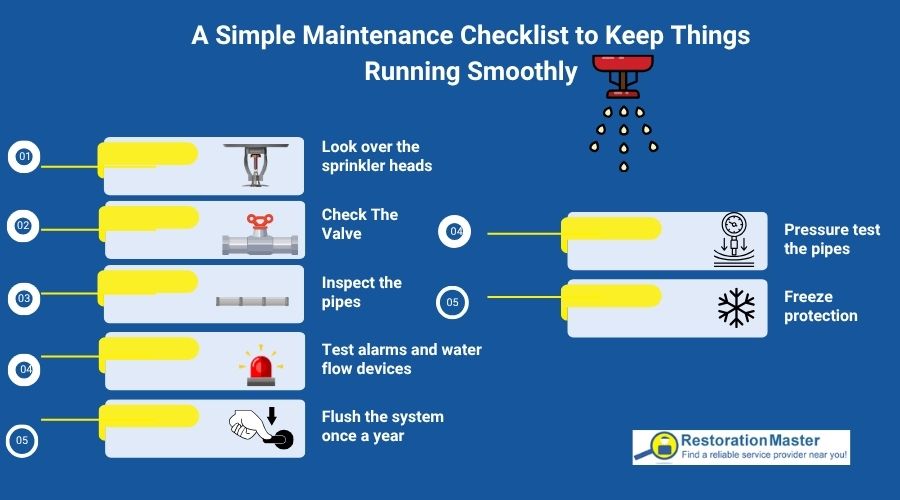
Spring is the perfect time to wake up your sprinkler system after the winter months. Start by inspecting all sprinkler heads for cracks or blockages. Clear away any dirt or debris that might have accumulated.
Next, check the valves and pipes for leaks or damage. Turn on the water supply slowly and listen for unusual sounds that might indicate issues. Adjust the sprinkler heads to ensure they cover the intended areas evenly without watering driveways or sidewalks.
- Test the controller and reset the watering schedule according to your lawn’s needs.
- Look for uneven watering patterns and correct them immediately.
- Replace any broken or worn-out parts before the watering season begins.
Have you noticed dry patches or overly wet spots after running your system? These signs often mean it’s time to recalibrate the heads or fix leaks to avoid wasting water.
Winterization Steps
Preparing your sprinkler system for winter prevents costly freeze damage. Start by shutting off the main water supply to the system. Then, drain any remaining water from the pipes and sprinkler heads.
Use an air compressor to blow out water from the lines. This step is crucial because trapped water can freeze and cause pipes to burst. Make sure to wear hearing protection during this process, as it can be loud.
- Remove and store the controller indoors to protect it from cold weather.
- Cover above-ground components with insulation or protective covers.
- Check for any leaks or damage that need repair before spring.
Do you have a plan to winterize your system before the first frost hits? Delaying this task can lead to expensive repairs and reduce your system’s lifespan.
Regular Inspection Tips
Regular inspections are the backbone of a well-maintained sprinkler system. They help you catch small issues before they turn into costly repairs. Taking time to check your system thoroughly can save water, money, and frustration in the long run.
Checking For Leaks
Leaks often hide underground or near sprinkler heads, wasting water without obvious signs. Walk around your lawn and look for unusually wet spots or pooling water, especially after the system runs. If you notice soggy areas, dig carefully to inspect pipes and connections for cracks or loose fittings.
Leaks can also cause low water pressure, so keep an ear out for hissing sounds when the system is off. Fixing leaks promptly prevents damage to your landscape and reduces your water bill. Have you ever ignored a small leak only to find a flooded yard later?
Inspecting Nozzles And Heads
Nozzles and sprinkler heads control where and how water spreads. Dirt, grass, or debris can block them, causing uneven watering. Regularly remove any buildup and check if heads pop up and retract smoothly.
Adjust heads that spray water onto sidewalks or driveways to avoid waste. Rotating or misting nozzles may need replacement if they don’t distribute water evenly. How often do you clean your sprinkler heads to keep them functioning properly?
Assessing Water Pressure
Water pressure affects how far and evenly your sprinkler sprays. Too low pressure means dry spots; too high pressure can damage system parts. Use a pressure gauge on an outdoor faucet to measure your system’s pressure—ideal range is typically between 30 and 50 psi.
If pressure is off, check for clogged filters or valves partially closed. Sometimes, adjusting the main valve or installing a pressure regulator helps. Have you noticed inconsistent watering patterns that might signal pressure problems?
Cleaning And Repairs
Cleaning and repairs keep your sprinkler system working well. Dirt and debris can block nozzles, reducing water flow. Broken parts can cause leaks or uneven watering. Regular checks help spot problems early and save water.
Clearing Clogged Nozzles
Remove the nozzle from the sprinkler head carefully. Use a soft brush or a toothpick to clear dirt and debris. Rinse the nozzle with water to flush out small particles. Check for mineral buildup and soak nozzles in vinegar if needed. Reattach the nozzle and test the spray pattern to ensure proper flow.
Fixing Broken Sprinkler Heads
Inspect sprinkler heads for cracks or damage. Turn off the water supply before repairs. Unscrew the damaged head and replace it with a new one of the same type. Adjust the new head to the correct height and spray radius. Turn the water back on and test for proper operation.
Replacing Damaged Pipes
Locate leaks or cracks in the sprinkler pipes. Dig carefully around the damaged section to expose it. Cut out the broken pipe using a pipe cutter or saw. Use connectors and new pipe pieces to replace the removed section. Secure connections with waterproof sealant or clamps. Test the system to ensure no leaks remain.
Programming And Scheduling
Programming and scheduling your sprinkler system is key to keeping your lawn healthy without wasting water. Proper timing ensures your plants get enough moisture when they need it most. It also saves you money and prevents overwatering, which can lead to disease and runoff.
Setting Watering Times
Choose watering times early in the morning or late in the evening. This reduces evaporation caused by heat and wind. Many homeowners miss this simple step and end up watering during the hottest part of the day, which wastes water.
Start by setting your system to run for about 15-30 minutes per zone, depending on your soil type and plant needs. Sandy soil requires shorter, more frequent watering, while clay soil benefits from longer, less frequent sessions. Do you know your soil type well enough to adjust your schedule?
Many modern sprinkler controllers offer flexible programming options. You can set different watering durations for each zone. This customization helps deliver the right amount of water where it’s needed most.
Adjusting For Weather Changes
Weather affects how much water your lawn needs daily. After a rainy day, your sprinkler should skip watering to avoid over-saturation. Some systems come with rain sensors that automatically delay watering during wet conditions.
During hot, dry spells, increase watering frequency or duration to keep plants healthy. Conversely, cooler, humid weather means you can cut back. Have you noticed how your lawn responds differently during seasonal changes? Adjusting your schedule accordingly keeps your yard thriving without waste.
Consider checking the forecast regularly and manually adjusting your sprinkler controller if it doesn’t have weather-sensing features. This small habit can prevent unnecessary watering and save you money.
Water Efficiency Tips
Saving water is important for your sprinkler system and the environment. Efficient watering keeps your lawn healthy and reduces water waste. Small changes make a big difference in water use.
Using Smart Controllers
Smart controllers adjust watering based on weather and soil moisture. They stop watering during rain or high humidity. These devices help save water by watering only when needed. Installation is simple and improves your system’s performance.
Avoiding Overwatering
Too much water harms plants and wastes resources. Water your lawn early in the morning or late in the evening to reduce evaporation. Check sprinkler heads for leaks or misalignment that causes water waste. Use a rain gauge to measure rainfall and adjust watering schedules accordingly.
Hiring Professional Help
Maintaining a sprinkler system can be challenging without proper knowledge. Hiring professional help ensures the system works efficiently. Experts have the right tools and skills to spot issues early. They save time and prevent costly repairs.
When To Call An Expert
Call a professional if the system leaks or sprays unevenly. Strange noises or no water flow also signal trouble. If the timer or controller fails to operate, seek help. Major repairs or system upgrades require expert attention. Seasonal maintenance is another good time to hire pros.
Choosing The Right Service
Look for licensed and insured sprinkler professionals. Check reviews and ask for referrals from neighbors. Compare prices but focus on quality and experience. Ensure the service offers a clear estimate and warranty. Choose a company that communicates clearly and respects your time.

Credit: www.aimarizona.com
Frequently Asked Questions
How Often Should I Maintain My Sprinkler System?
You should maintain your sprinkler system at least twice a year. Ideally, inspect it in spring and fall. Regular checks help prevent leaks and ensure efficient watering.
What Are Common Sprinkler System Problems?
Common problems include clogged nozzles, broken heads, leaks, and timer malfunctions. Regular maintenance helps identify and fix these issues early.
How Do I Winterize My Sprinkler System?
To winterize, drain all water to prevent freezing damage. Turn off the water supply and use an air compressor to clear pipes.
Can I Maintain My Sprinkler System Myself?
Yes, basic maintenance like cleaning nozzles and checking timers can be DIY. For complex repairs, consider hiring a professional to avoid damage.
Conclusion
Regular sprinkler maintenance saves water and money. Check for leaks and broken parts often. Clean clogged nozzles to keep water flowing well. Adjust the timer to match seasonal needs. Test your system after repairs or changes. Simple steps help your lawn stay green and healthy.
Don’t ignore small problems; fix them quickly. A well-kept sprinkler system works better and lasts longer. Keep it running smoothly for a beautiful yard all year.