What is Building Maintenance System: Ultimate Guide to Efficiency
Have you ever wondered how large buildings stay in perfect condition year after year? Imagine a system that ensures every light bulb is working, every HVAC unit is efficient, and every safety alarm is reliable.
Welcome to the world of Building Maintenance Systems (BMS). This isn’t just about fixing things when they break; it’s about prevention, efficiency, and safety. By understanding BMS, you can appreciate how these systems impact your daily life, whether at work, home, or your favorite shopping mall.
Keep reading to discover how BMS keeps the spaces you cherish running smoothly and why it might just be one of the most crucial systems you never knew about.

Credit: advantagecleaningllc.net
Building Maintenance System Basics
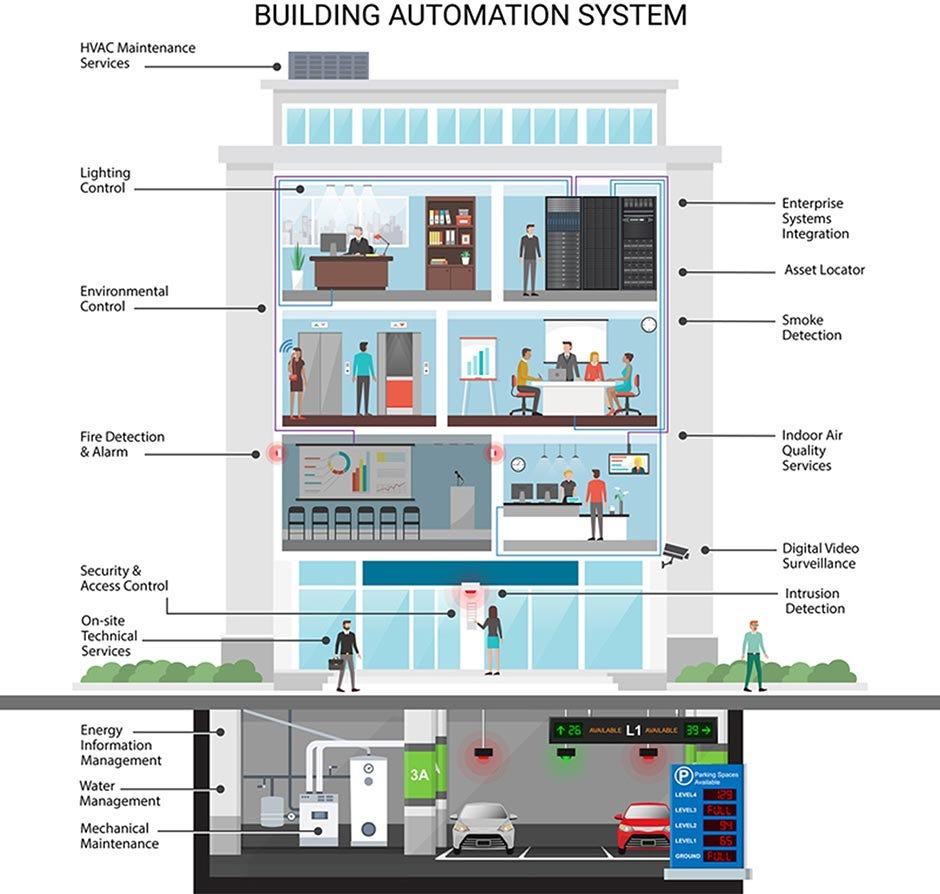
A Building Maintenance System (BMS) helps manage and control a building’s essential services. It ensures safety, comfort, and efficiency inside the building. A good BMS reduces energy use and keeps equipment running smoothly. Understanding the basics of this system helps in better building management.
Core Components
- Sensors:Detect temperature, humidity, and other conditions.
- Controllers:Receive data from sensors and make decisions.
- Actuators:Execute commands like opening vents or turning off lights.
- Communication Network:Connects all devices for smooth data flow.
- User Interface:Allows operators to monitor and adjust the system.
Types Of Systems
- Standalone Systems:Manage one function, such as lighting or HVAC.
- Integrated Systems:Combine several functions into one platform.
- Cloud-Based Systems:Use internet to control and monitor remotely.
- Wired Systems:Use cables for stable communication between components.
- Wireless Systems:Use wireless technology for flexible installations.
Key Functions
- Monitor energy use and optimize consumption.
- Control heating, ventilation, and air conditioning (HVAC).
- Manage lighting for comfort and energy savings.
- Ensure safety with fire alarms and security systems.
- Schedule maintenance to prevent equipment breakdowns.
Benefits Of Building Maintenance Systems
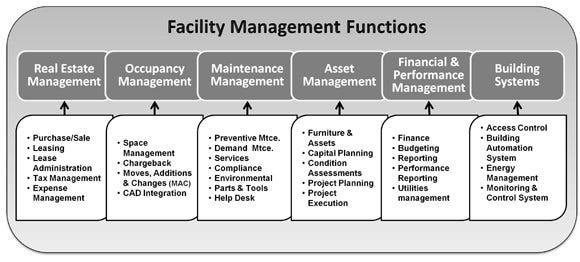
Building Maintenance Systems bring many advantages to property management. These systems help keep buildings in good shape and reduce unexpected problems. They allow staff to track repairs and maintenance tasks easily. This leads to better organization and faster problem solving.
Such systems also help save money by preventing big repairs. They improve safety by ensuring all equipment works well. Plus, they extend the life of building machinery and tools. Below are the main benefits explained in detail.
Cost Savings
Building Maintenance Systems reduce repair costs by spotting issues early. Scheduled upkeep avoids costly breakdowns and emergencies. These systems also help manage budgets by tracking expenses clearly. This leads to smarter spending and fewer surprises. Overall, they lower maintenance costs over time.
Improved Safety
Safety improves with regular checks on building equipment. Maintenance Systems send alerts for inspections and repairs. This prevents accidents caused by faulty tools or systems. Well-maintained buildings protect workers and visitors alike. Safety compliance becomes easier with proper records and schedules.
Extended Equipment Lifespan
Proper maintenance keeps machines running longer without failure. Systems remind staff to perform regular care and servicing. This reduces wear and tear on equipment parts. Longer lifespans mean fewer replacements and less waste. The building operates more smoothly with well-kept machinery.
How Building Maintenance Systems Work
Understanding how building maintenance systems work can change the way you manage your property’s upkeep. These systems combine technology and smart planning to keep everything running smoothly. Let’s break down the core components that make this happen.
Data Collection Methods
Building maintenance systems gather information from various sources to keep track of equipment and facility conditions. Sensors monitor temperature, humidity, and machinery performance in real time. You might also find data coming from manual inspections recorded via mobile apps or digital forms.
Imagine a sensor detecting a drop in HVAC efficiency before it turns into a costly repair. This early warning saves you time and money. The system collects this data continuously, creating a clear picture of what needs attention.
Automation Processes
Automation takes the collected data and acts on it without waiting for human input. For example, if a sensor spots a water leak, the system can automatically shut off the valve to prevent damage. This reduces downtime and avoids emergencies.
Automation also helps optimize energy use by adjusting lighting and temperature based on occupancy patterns. This means your building runs more efficiently and your energy bills shrink without you lifting a finger.
Scheduling And Alerts
Building maintenance systems keep you on top of routine tasks with smart scheduling. You get reminders for inspections, filter changes, and other maintenance needs right when they are due. This helps prevent overlooked tasks that could lead to bigger problems.
Alerts notify you instantly if something goes wrong, allowing you to respond quickly. Think about receiving a message the moment a fire alarm system needs servicing, not after an incident occurs. This proactive approach gives you peace of mind and keeps occupants safe.
Credit: uktechnews.co.uk
Implementing A Building Maintenance System
Implementing a Building Maintenance System (BMS) is a crucial step in keeping your property running smoothly. It helps you manage repairs, schedule inspections, and track equipment performance efficiently. Getting it right can save you time, reduce costs, and prevent unexpected breakdowns.
Planning And Assessment
Start by evaluating your building’s specific needs. What areas require the most attention? Which systems tend to fail or need frequent repairs?
Gather input from your maintenance team and review past maintenance records. This helps identify patterns and prioritize tasks effectively. Planning carefully ensures the system aligns with your building’s unique demands.
Choosing The Right Software
Select software that fits your maintenance goals and budget. Look for features like automated scheduling, real-time alerts, and easy reporting tools. User-friendly interfaces help your team adopt the system quickly.
Check if the software supports mobile access, so technicians can update tasks on the go. Don’t overlook customer support and training options—they make a big difference during implementation.
Integration With Existing Infrastructure
Your new BMS should work seamlessly with current equipment and technology. Verify compatibility with HVAC, lighting, security, and other building systems.
Integration reduces duplicate work and offers a unified view of your building’s health. Ask your vendors how data flows between systems and whether additional hardware or software is necessary.
Have you ever faced challenges because your tools didn’t communicate well? Addressing integration early avoids headaches and ensures smoother operations down the line.
Challenges And Solutions
Building Maintenance Systems (BMS) help manage building functions efficiently. Yet, they face several challenges that can affect their performance and reliability. Understanding these challenges and their solutions is key to keeping the system effective and smooth.
Common Obstacles
- System integration problems with older equipment
- High initial setup and maintenance costs
- Complex software that requires skilled operators
- Data overload causing difficulty in analysis
- Security risks from network-connected devices
- Unexpected downtime affecting building operations
Troubleshooting Tips
- Regularly update software to fix bugs and vulnerabilities
- Train staff to handle system operations and basic repairs
- Use monitoring tools to detect early signs of failure
- Schedule routine checks for hardware and sensors
- Keep clear documentation of system configurations and changes
- Establish quick response plans for system alerts
Future-proofing Strategies
- Choose scalable systems that grow with building needs
- Invest in open protocols for easier integration
- Focus on cybersecurity measures to protect data
- Plan for regular upgrades to stay current
- Incorporate energy-efficient technologies
- Engage experts for ongoing system evaluation and advice
Credit: limblecmms.com
Trends Shaping Building Maintenance
The world of building maintenance is evolving fast, driven by new technologies and growing awareness of environmental impact. These changes influence how you manage and care for your buildings, making maintenance more efficient and smarter. Understanding the key trends can help you stay ahead and make better decisions for your properties.
Iot And Smart Buildings
Internet of Things (IoT) devices are changing how buildings communicate with their managers. Sensors track everything from temperature to air quality and send real-time data to your phone or computer.
Imagine getting an alert the moment a water leak starts or a filter needs replacement—this saves time and prevents costly damage. Smart buildings also adjust lighting and heating automatically, improving comfort while cutting energy bills.
Predictive Maintenance
Instead of fixing things after they break, predictive maintenance uses data to anticipate problems before they happen. This approach relies on analyzing equipment performance and wear patterns.
For example, a building manager noticed vibration data from an HVAC unit was off, prompting early repairs that avoided a full system failure. This method reduces downtime and lowers repair costs, making your maintenance plan more proactive.
Sustainability Focus
More building owners now prioritize sustainability, pushing maintenance toward eco-friendly practices. This includes using energy-efficient systems, recycling materials, and managing waste responsibly.
Switching to LED lighting or installing water-saving fixtures not only benefits the environment but also cuts expenses. What steps can you take today to make your building maintenance greener?
Frequently Asked Questions
What Is A Building Maintenance System?
A Building Maintenance System (BMS) is a software platform. It manages and monitors building operations like HVAC, lighting, and security. BMS ensures efficient energy use and maintenance scheduling. It helps reduce operational costs and improve occupant comfort.
How Does A Building Maintenance System Improve Efficiency?
A BMS automates building controls and monitors equipment performance. It detects issues early, reducing downtime and repair costs. The system optimizes energy consumption, saving money. It streamlines maintenance tasks, enhancing overall building efficiency.
What Are Common Features Of Building Maintenance Systems?
Common BMS features include real-time monitoring, fault detection, and automated alerts. It offers scheduling tools for preventive maintenance. Energy management and reporting tools help track usage. Integration with other building systems is also typical.
Why Is Building Maintenance System Important For Commercial Buildings?
BMS improves building safety, comfort, and energy efficiency. It reduces operational costs and extends equipment lifespan. Commercial buildings benefit from better resource management and regulatory compliance. BMS supports sustainable building practices.
Conclusion
A Building Maintenance System helps keep buildings safe and efficient. It tracks repairs and schedules checks regularly. This system saves time and reduces costs. It makes sure everything works well and lasts longer. Building owners and managers can avoid big problems early.
A good maintenance system supports comfort and safety for everyone inside. Simple tools can make a big difference in managing buildings. Understanding this system helps you care for your property better. It’s a smart step toward better building management.