What is Considered Wearable Technology: A Modern Guide
Have you ever wondered what exactly counts as wearable technology? You might think it’s just smartwatches or fitness trackers, but the world of wearables is much bigger—and more exciting—than that.
Understanding what wearable technology is can change how you see your daily gadgets and even improve your lifestyle. Keep reading, and you’ll discover how these small devices fit into your life, why they matter, and how they could make your day easier and more connected than ever before.
Credit: www.justluxe.com
Wearable Tech Basics
Understanding the basics of wearable technology sets a strong foundation for exploring its growing impact on our daily lives. These devices blend technology with convenience, offering features that make monitoring health, improving communication, and enhancing productivity easier than ever.
Definition And Key Features
Wearable technology refers to electronic devices designed to be worn on the body. These gadgets often include sensors and connectivity options, allowing them to collect and transmit data seamlessly.
Key features you’ll find in wearable tech include:
- Portability:Compact and lightweight, designed for continuous wear.
- Connectivity:Syncs with smartphones or the internet to share data.
- Interactivity:Allows user input through touchscreens, buttons, or voice commands.
- Real-Time Monitoring:Tracks activities like heart rate, steps, or sleep patterns instantly.
Have you noticed how these features make your day smoother without needing to pull out your phone constantly?
History And Evolution
Wearable technology didn’t appear overnight. Its roots trace back to simple devices like wristwatches and hearing aids.
Over decades, innovation transformed these basics into smartwatches, fitness bands, and even smart glasses. Early wearable gadgets primarily focused on timekeeping or hearing assistance, but they gradually added computing power and wireless communication.
Think about your first experience with a smartwatch or fitness tracker. How did it change your routine? This shift reflects how wearables evolved from luxury to practical everyday tools.

Credit: interestingengineering.com
Types Of Wearable Devices
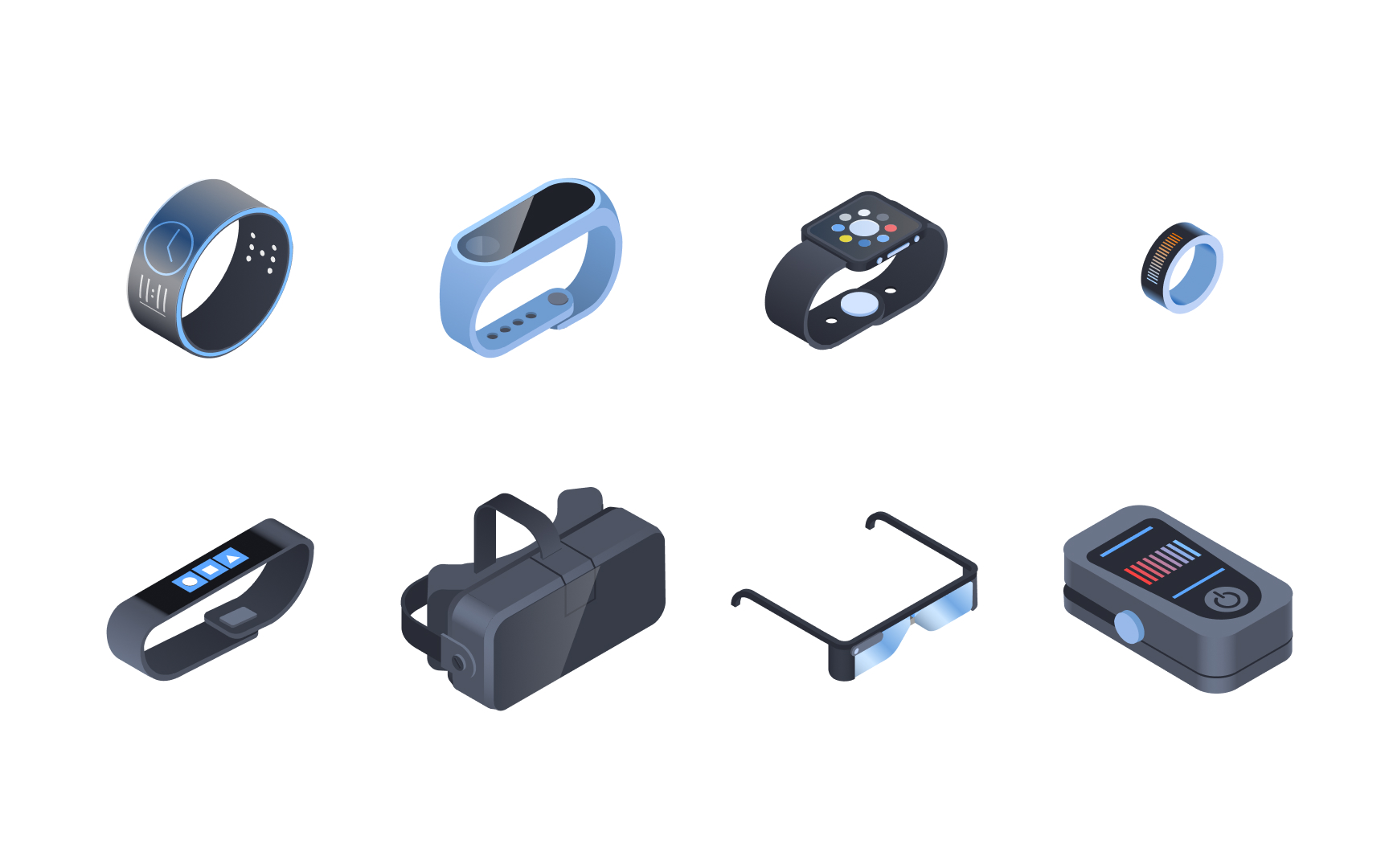
Wearable technology comes in many forms, each designed to fit seamlessly into your daily life. These devices don’t just add convenience; they offer new ways to monitor health, stay connected, and enhance your experiences. Understanding the types of wearable devices can help you choose the right one for your needs and lifestyle.
Fitness Trackers And Smartwatches
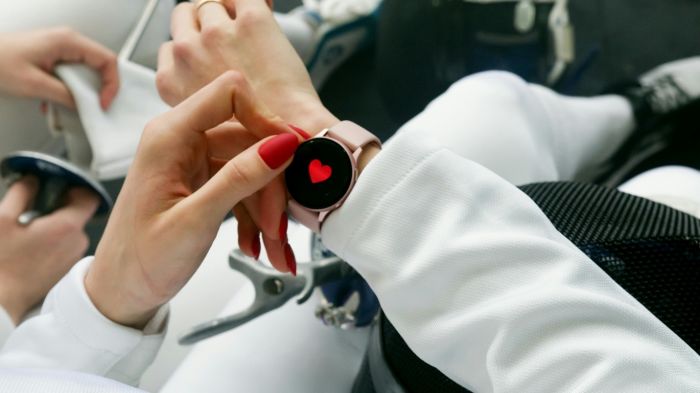
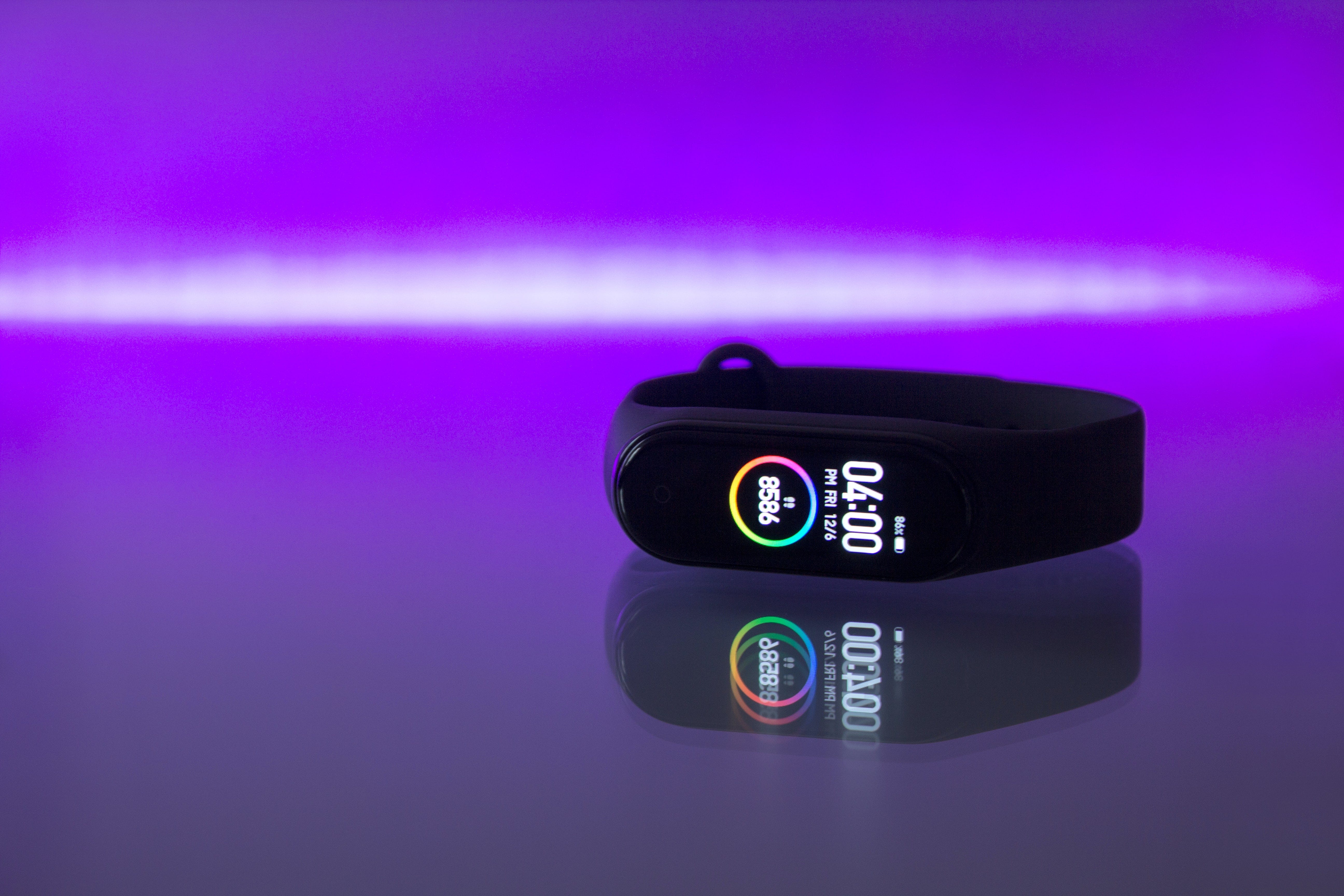
Fitness trackers and smartwatches are among the most popular wearables you’ll find. They track your steps, heart rate, sleep patterns, and even stress levels. Many models now include GPS and smartphone notifications, making them handy for both workouts and staying connected.
If you’ve ever noticed how a gentle vibration on your wrist can remind you to move or take a deep breath, you’ve experienced the subtle power of these devices. Could your daily routine improve simply by having this kind of real-time feedback?
Smart Glasses And Headsets
Smart glasses and headsets bring digital information directly to your field of vision or ears. They can display navigation prompts, translate languages in real time, or even enhance audio during calls. These wearables keep your hands free, which is perfect when you’re multitasking or on the move.
Imagine walking down a foreign street and seeing translated signs instantly or receiving a call without pulling out your phone. How would this change the way you interact with your surroundings?
Wearable Medical Devices
Medical wearables are designed to monitor health conditions continuously and provide critical data to you and your healthcare providers. Devices like glucose monitors, heart monitors, and wearable ECGs can alert you to potential health issues before symptoms appear.
These devices bring peace of mind and proactive care into your life. Have you ever considered how real-time health data could change your approach to wellness?
Smart Clothing And Accessories
Smart clothing and accessories integrate sensors and technology directly into fabrics and everyday items. These can measure muscle activity, body temperature, or even posture. Some smart shoes track your running technique, while gloves can enhance virtual reality experiences.
Wearing technology might feel strange at first, but it can provide insights that no traditional device can. What if your clothes could help you improve your form during exercise or alert you to fatigue before it becomes a problem?
Core Technologies Behind Wearables
Wearable technology relies on several key technologies to function effectively. These technologies collect data, connect devices, and manage power. Understanding these core parts helps explain how wearables provide useful features.
Sensors And Data Collection
Sensors are the heart of wearable devices. They gather information like movement, heart rate, and temperature. Common sensors include accelerometers, gyroscopes, and optical sensors. These sensors track physical activity and health metrics. The data collected is processed to give insights and feedback to the user.
Connectivity Options
Wearables need to communicate with other devices or the internet. They use wireless connections such as Bluetooth, Wi-Fi, and sometimes cellular networks. Bluetooth is common for syncing with smartphones. Wi-Fi enables faster data transfer and cloud access. Cellular connectivity allows wearables to work independently from phones.
Power Sources And Battery Life
Wearables use small batteries to stay lightweight and portable. Battery life depends on device size and features. Most use rechargeable lithium-ion batteries. Efficient power management extends usage time. Some devices include energy-saving modes to preserve battery. Charging methods vary, including wireless and USB options.
Applications In Daily Life
Wearable technology has become a part of everyday life. These devices offer practical uses that help people stay connected and healthy. They make daily tasks easier and more fun. From tracking health to enhancing entertainment, wearable tech fits many lifestyles.
Health And Fitness Monitoring
Wearable devices track physical activity and health data. They measure heart rate, steps, and sleep patterns. Users get reminders to move or drink water. Some devices monitor blood pressure and oxygen levels. This helps people manage their health better. Fitness trackers and smartwatches are common examples.
Communication And Productivity
Wearables keep users connected without needing a phone. Smartwatches show notifications for calls and messages. Voice assistants help with setting reminders and sending texts. These devices allow quick replies and calls on the go. They improve focus by reducing phone distractions. Wearables can also track work hours and tasks.
Entertainment And Gaming
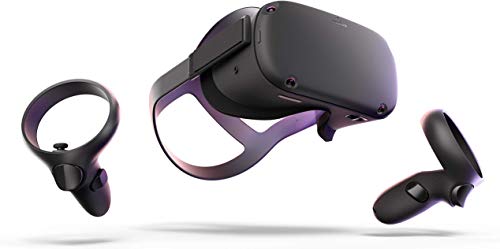
Wearable technology enhances entertainment experiences. Smart glasses and VR headsets create immersive games and videos. Users can watch movies or play games hands-free. Fitness games motivate users to stay active. Some wearables provide music controls and audio feedback. These features make entertainment more interactive and fun.
Challenges And Limitations
Wearable technology has transformed how we interact with the digital world, yet it comes with its own set of challenges and limitations. Understanding these issues helps you make smarter choices about the devices you use. Let’s look at some of the key hurdles that impact the usability and acceptance of wearables.
Privacy And Security Concerns
Your wearable device collects a lot of personal data, from health stats to location details. This makes it a tempting target for hackers. Without strong security measures, your sensitive information could be exposed or misused.
Think about a fitness tracker that shares your daily routine. Could someone use that data to predict when you’re not at home? Privacy settings are often confusing, leaving many users unsure about what they are sharing and with whom.
Battery And Durability Issues
Wearables need to be lightweight and compact, so battery life often suffers. You might find yourself charging your device daily, which can be frustrating if you rely on it for essential functions. Durability is another problem—these gadgets face constant wear and tear from daily use.
I once wore a smartwatch during a hiking trip, only to have it shut down unexpectedly due to battery drain. It made me realize how important reliable battery life is, especially when you depend on your device for navigation or emergency alerts.
User Adoption And Comfort
Even the most advanced wearable won’t help if it feels uncomfortable or awkward to wear. Some people struggle with bulky designs or skin irritation from materials. Comfort affects how often you use the device and can determine whether it becomes part of your daily routine.
Have you ever stopped wearing a gadget because it felt too heavy or tight? Designers still face the challenge of balancing features with comfort, making user adoption a critical hurdle for wearable tech to overcome.
Credit: medium.com
Future Trends In Wearable Tech
The future of wearable technology looks bright and full of possibilities. Devices will become smarter, smaller, and more connected. People will enjoy better experiences in health, fitness, and daily life. New trends are shaping how wearables will evolve.
Advances In Ai And Machine Learning
Artificial intelligence will make wearables more intuitive. Devices will learn user habits and adjust settings automatically. This will improve accuracy in health monitoring and personalized feedback. AI will help predict health issues before they occur. Machine learning will enable wearables to become proactive assistants.
Integration With Iot And Smart Environments
Wearables will connect seamlessly with smart homes and cities. They will communicate with other devices like lights, cars, and appliances. This integration creates smoother, more convenient user experiences. Imagine a watch that adjusts your home temperature or a ring that controls your smart car. Wearables will become key parts of the Internet of Things.
Emerging Materials And Designs
New materials will make wearables lighter and more comfortable. Flexible screens and fabrics will allow devices to blend with clothing. Designs will focus on style and user comfort. Battery life will improve with energy-harvesting materials. Wearables may become invisible, embedded in everyday items.
Frequently Asked Questions
What Devices Are Classified As Wearable Technology?
Wearable technology includes smartwatches, fitness trackers, smart glasses, and health monitors. These devices are worn on the body and collect data or provide digital functions.
How Does Wearable Technology Improve Daily Life?
Wearables track health, enhance communication, and offer convenience. They help monitor fitness, manage notifications, and support hands-free interactions, improving productivity and well-being.
What Industries Benefit From Wearable Technology?
Healthcare, sports, manufacturing, and entertainment sectors use wearables. These devices improve patient monitoring, athlete performance, worker safety, and immersive experiences.
Are Wearable Devices Secure And Private?
Wearables collect sensitive data, so security is vital. Most use encryption and privacy settings, but users should review permissions and update software regularly.
Conclusion
Wearable technology blends style with function in daily life. It includes smartwatches, fitness trackers, and even smart glasses. These devices help track health, stay connected, and improve convenience. They continue to evolve with new features and designs. Many people find wearable tech useful and easy to use.
It changes how we interact with technology every day. Wearables are becoming a regular part of modern living. Simple, smart, and practical.