What is Wearable Technology in Education: Transforming Learning Today
Have you ever wondered how technology can make learning more exciting and effective? Wearable technology in education is changing the way you experience the classroom.
Imagine having devices that fit right on your body, helping you focus better, track your progress, and even bring lessons to life in new ways. This isn’t just about gadgets—it’s about transforming your learning journey. Keep reading to discover how wearable technology can boost your skills, keep you engaged, and open doors to a smarter way of learning.
Your education is about to get a powerful upgrade.
Wearable Devices In Education
Wearable devices are changing education by making learning more interactive and personal. These tools help students stay engaged and monitor their progress. Teachers can track student activity and tailor lessons to fit individual needs. Wearable technology brings learning beyond the classroom and into everyday life.
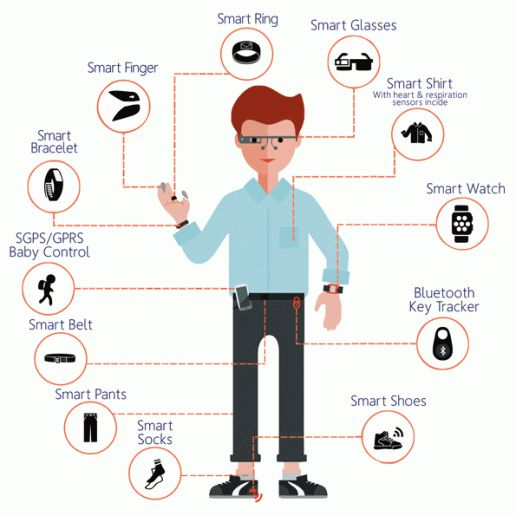
Smartwatches And Fitness Trackers
Smartwatches and fitness trackers help students track their health and activity. They encourage movement and breaks during study time. Some devices send reminders for tasks or schedule alerts. Teachers use these tools to promote healthy habits and keep students focused.
Augmented Reality Glasses
Augmented reality (AR) glasses overlay digital information on the real world. Students see interactive lessons and 3D models through these glasses. AR makes complex topics easier to understand and more fun. It allows learners to explore subjects in a hands-on way.
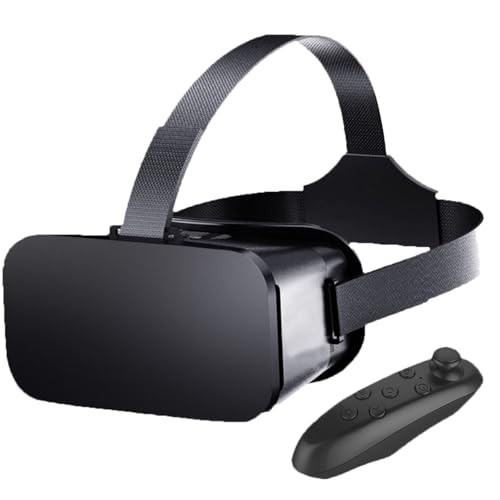
Virtual Reality Headsets
Virtual reality (VR) headsets create fully immersive learning experiences. Students can visit historical sites or explore science labs virtually. VR helps with skill practice and deepens understanding. It offers a safe space to learn by doing and experimenting.
Benefits For Students
Wearable technology is reshaping how students interact with learning materials and their environment. These devices offer unique benefits that can make education more accessible, engaging, and efficient. Understanding how wearable tech benefits students helps you see its true potential beyond just being a cool gadget.
Enhanced Engagement
Wearables capture students’ attention in ways traditional methods often can’t. Devices like smart glasses and fitness trackers bring interactive elements directly into the learning process.
Imagine wearing augmented reality glasses during a biology class that overlay 3D models of the human heart. This hands-on experience keeps you focused and curious.
Have you noticed how much easier it is to stay engaged when lessons feel more like an experience than a lecture?
Personalized Learning
Wearable tech can adapt lessons based on your learning pace and style. Smartwatches and wristbands collect data on your performance and focus levels.
This data helps teachers tailor assignments and resources specifically for you. If you struggle with a concept, the device can suggest extra practice or alternative explanations.
Such customization turns education into a journey designed around your needs, not just a one-size-fits-all approach.
Real-time Feedback
Getting immediate feedback helps you correct mistakes and improve faster. Wearables provide instant insights during exercises, quizzes, or even physical activities.
For example, a language learning app on a smartwatch can detect pronunciation errors as you speak and offer corrections right away.
Doesn’t knowing exactly what to fix as you go make learning feel more manageable and less frustrating?
Benefits For Educators
Wearable technology is changing education for teachers. It offers many benefits. Educators can use these tools to enhance learning experiences. They help track progress, create interactive lessons, and provide data-driven insights.
Tracking Student Progress
Wearable devices help teachers monitor student performance. These devices record attendance, participation, and activity levels. Teachers can see which students need help. This allows for timely interventions. It ensures no student falls behind.
Interactive Teaching Tools
Wearable technology makes lessons more engaging. Devices like smart glasses or watches can present interactive content. Teachers can use augmented reality to explain complex topics. This approach holds students’ attention longer. It makes learning fun and memorable.
Data-driven Insights
Wearables collect valuable data from students. Teachers can analyze this data for better understanding. It helps identify learning patterns and preferences. Educators can tailor lessons to meet individual needs. This personalized approach improves student outcomes.
Applications In Different Subjects
Wearable technology is making a noticeable impact across various school subjects. These tools give you hands-on ways to learn and practice skills that textbooks alone can’t offer. By using wearables, lessons become more interactive and personalized, helping you stay engaged and understand concepts better.
Stem Learning
Wearables like smart glasses and motion sensors let you dive into science, technology, engineering, and math experiments with real-time data. Imagine programming a robot and immediately seeing how your code affects its movement through wearable feedback. This kind of direct interaction can make abstract ideas clearer and more exciting.
Think about measuring your heart rate during a biology lesson on the circulatory system. Wearables provide instant results that connect theory to your own body’s functions. How could seeing live data change the way you understand scientific concepts?
Language Acquisition
Language learners benefit from wearables that offer instant pronunciation correction and immersive experiences. Devices like smart earbuds can translate conversations in real time, helping you practice speaking and listening anytime. This immediate feedback builds confidence and speeds up your learning.
Using augmented reality glasses, you can explore virtual environments where you practice new vocabulary naturally. Imagine walking through a virtual market and learning words as you pick up items. Wouldn’t that make memorizing new words easier and more fun?
Physical Education
Wearable tech tracks your fitness levels and movements, giving you clear goals to improve your health and skills. Smartwatches and fitness bands record your steps, heart rate, and calories burned during activities, helping you understand your progress. This data turns exercise into a personal challenge rather than a chore.
Coaches can use wearables to analyze your form and suggest adjustments in real time. For example, sensors in shoes can detect how you run and prevent injuries by correcting your posture. How could having this kind of instant guidance change your approach to fitness?
Challenges And Considerations
Wearable technology in education offers many benefits but also brings challenges. Schools and educators must think about these issues before adopting new devices. These challenges include privacy, costs, and technical problems. Understanding them helps create better learning experiences for students.
Privacy And Security
Wearable devices collect a lot of personal data. This data can include location, health, and learning habits. Protecting this information is crucial to keep students safe. Schools must follow strict rules to prevent data leaks. Students and parents need clear information about how data is used. Without strong security, wearables can expose sensitive details.
Cost And Accessibility
Wearable technology can be expensive for schools and families. Not all schools have the budget for new devices. This creates a gap between students who have access and those who do not. Equal access is important to ensure no student is left behind. Schools need plans to support all learners fairly. Cost also includes maintenance and training for teachers.
Technical Limitations
Wearable devices may have short battery life and limited features. Sometimes the technology does not work well with existing school systems. Poor internet connections can cause problems during lessons. Students and teachers might face difficulty learning to use new tools. Technical issues can disrupt the learning process and cause frustration.
Future Trends In Wearable Learning
The future of wearable technology in education holds exciting possibilities that can transform how you learn and interact with information. As these devices evolve, they will become smarter, easier to use, and more accessible to everyone. Let’s dive into some key trends shaping wearable learning and what they mean for your educational journey.
Ai Integration
Artificial intelligence will soon become a core part of wearable learning devices. Imagine a smartwatch that can analyze your study habits and suggest personalized learning paths or flashcards tailored to your weak spots. This kind of AI-driven feedback helps you focus your time more effectively.
Wearables may also offer real-time language translation or provide instant answers to complex questions, reducing the need to pause and search for information. How would having a personal AI tutor on your wrist change the way you prepare for exams or tackle new subjects?
Improved User Experience
Wearable devices will get more comfortable, intuitive, and engaging. Advances in lightweight materials and ergonomic design mean you might forget you’re even wearing them during long study sessions. Touch-free controls and voice commands will let you interact without interrupting your flow.
Visual and audio feedback will become clearer and more immersive, helping you absorb information faster. Think about receiving instant notifications or interactive quizzes directly through smart glasses without looking away from your work. What new learning habits could this inspire?
Expanding Accessibility
Wearable learning tools will reach more diverse groups of learners. Devices are being designed to support students with disabilities, such as those with hearing or vision impairments. Features like haptic feedback and customizable interfaces will help everyone engage with content more fully.
Additionally, lower costs and broader internet access will make wearable education technology available in remote or underserved areas. This means you could connect to global classrooms and resources no matter where you live. How might this accessibility change your perspective on education?
Frequently Asked Questions
What Is Wearable Technology In Education?
Wearable technology in education refers to devices like smartwatches and VR headsets used to enhance learning. These tools provide interactive, personalized experiences and real-time feedback, improving engagement and knowledge retention for students.
How Do Wearables Benefit Students’ Learning?
Wearables offer hands-on learning, immediate feedback, and immersive experiences. They support different learning styles and increase student motivation by making lessons interactive and accessible anywhere.
Which Wearable Devices Are Popular In Classrooms?
Common devices include smartwatches, fitness trackers, VR headsets, and augmented reality glasses. These gadgets help with tracking progress, virtual field trips, and interactive lessons.
Are Wearable Technologies Safe For Students?
Yes, most wearables are designed with safety in mind. Schools ensure data privacy and limit screen time to protect students from potential risks.
Conclusion
Wearable technology helps students learn in new ways. It makes lessons more fun and interactive. Teachers can track progress easily with these devices. Students stay engaged and focused during classes. This technology fits well with many learning styles. Schools can use wearables to support every student.
Learning becomes more personal and hands-on. Wearable tools will keep changing education for the better. The future of learning looks smart and connected.