What is Involved in Maintenance for a Drip Sewer System: Essential Guide
If you have a drip sewer system on your property, you know how important it is to keep it running smoothly. But what exactly is involved in maintaining this kind of system?
Understanding the key steps can save you time, money, and a lot of headaches down the road. You’ll discover simple yet effective ways to care for your drip sewer system. By the end, you’ll feel confident managing your system’s upkeep and avoiding costly repairs.
Ready to protect your investment and ensure everything flows as it should? Let’s dive in.
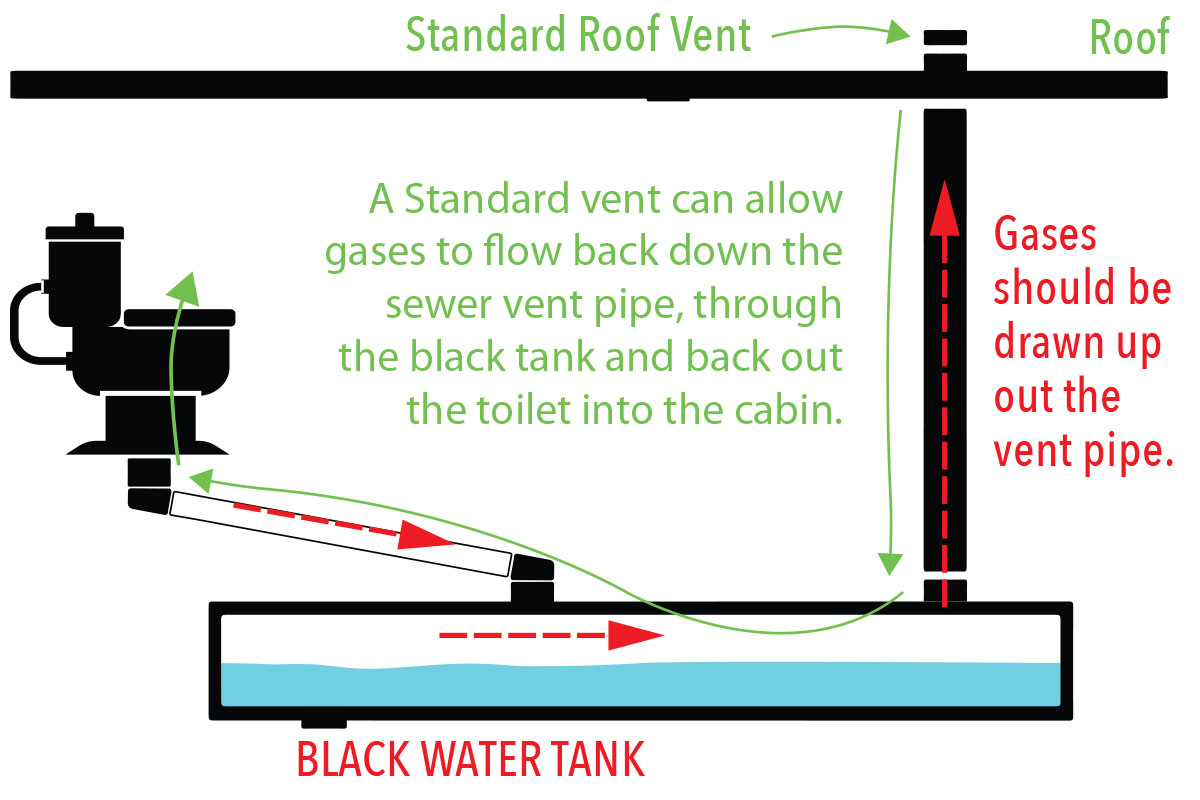
Credit: www.happycampers.store
Drip Sewer System Basics
A drip sewer system is a simple and effective way to handle wastewater. It moves liquid waste slowly and safely into the ground. This system helps protect the environment and keeps your property clean. Understanding its basics can help with proper care and maintenance.
Key Components
- Drip Emitter Tubes:Thin tubes that release wastewater drop by drop.
- Septic Tank:Holds and treats solid waste before liquid moves to the drip field.
- Drain Field:Area where treated water soaks into the soil.
- Filters and Screens:Keep solids from clogging the system.
- Pumps:Move wastewater from the tank to the drip emitters.
How It Works
Wastewater flows from your home into the septic tank. Here, solids settle to the bottom. Liquids stay on top and move to the drip field. The pump pushes the liquid through drip emitter tubes. These tubes release the water slowly into the soil. Soil naturally cleans the water as it soaks in. This process helps prevent pollution and protects groundwater.
Routine Inspection Tasks
Routine inspection tasks are essential for keeping a drip sewer system working well. Regular checks help spot problems early and prevent costly repairs. These inspections ensure the system runs smoothly and lasts longer.
Checking For Leaks
Leaks waste water and can cause damage to the surrounding soil. Look for wet spots or unusual water pooling near the system. Use a flashlight to inspect joints and connections closely. Small leaks may be hard to see but can grow bigger quickly.
Monitoring Drip Emitters
Drip emitters control the flow of water in the system. Make sure each emitter is releasing water evenly. Clogged or broken emitters reduce system efficiency. Clean or replace emitters that do not drip properly to maintain steady flow.
Inspecting Pipes And Fittings
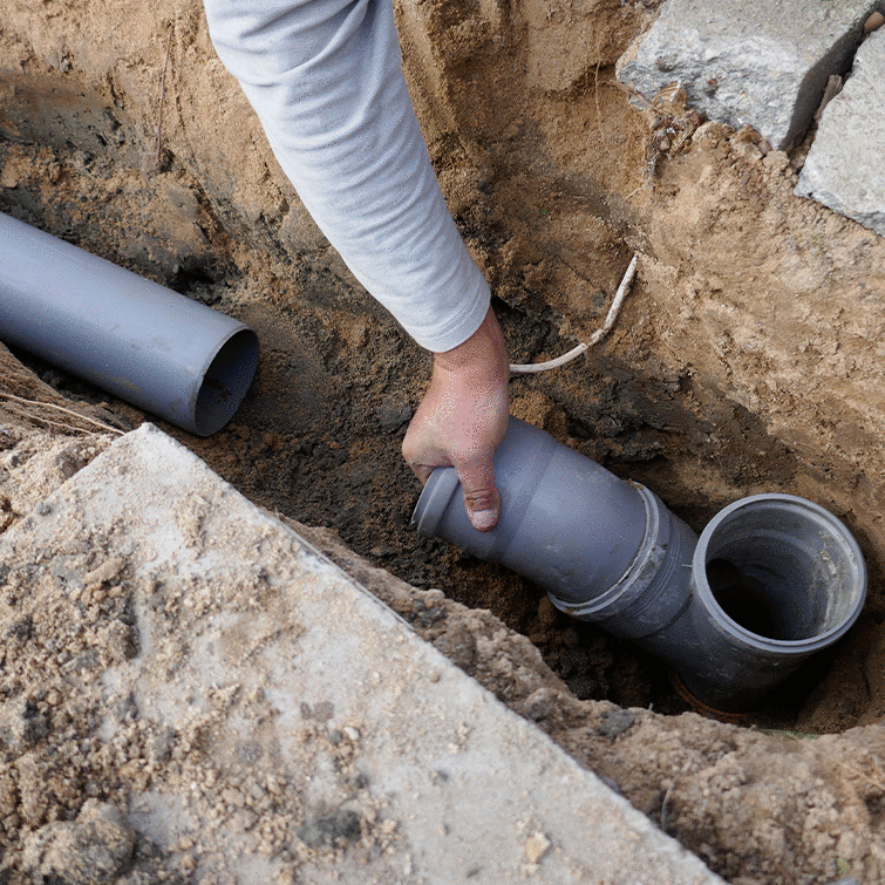
Check pipes and fittings for cracks, breaks, or loose connections. Damaged parts can cause leaks and blockages. Ensure all fittings are tight and secure. Replace any worn or damaged sections to avoid system failure.
Cleaning And Flushing
Cleaning and flushing are critical for keeping your drip sewer system running smoothly. These tasks help clear out buildup and prevent clogs that can cause costly repairs. Regular maintenance not only extends the life of your system but also ensures it works efficiently every day.
Removing Debris
Debris like leaves, dirt, and grease can accumulate in the drip sewer lines over time. This buildup restricts flow and may lead to blockages if ignored. You should inspect your system regularly and remove any visible debris using a hose or a plumber’s snake.
Don’t forget to check the filters and screens designed to catch solids. Cleaning these parts prevents debris from entering and clogging the main lines. Taking a few minutes to clear out debris can save you from a major headache later.
Flushing Procedures
Flushing your drip sewer system involves running water at high pressure through the pipes to clear out any sediment or buildup. Many professionals recommend using a jetting tool or specialized flushing equipment for the best results. You can also flush smaller sections by opening cleanouts and allowing water to flow through.
Make sure to flush the system regularly, especially after heavy rain or construction work near your sewer lines. This routine helps maintain free flow and reduces the risk of backups. Have you ever noticed slow drainage? That’s usually a sign your system needs flushing.
Preventing Blockages
Blockages don’t just happen overnight; they start with small accumulations of grease, hair, and debris. You can prevent these by avoiding flushing non-biodegradable items and using enzyme treatments to break down organic matter naturally. Also, schedule periodic inspections to catch early signs of clogs.
Consider installing strainers on drains to catch larger particles before they enter the sewer system. Simple changes in how you handle waste can make a big difference in preventing blockages. What small step can you take today to keep your system flowing freely?
Repairs And Replacements
Repairs and replacements are key to keeping your drip sewer system working smoothly. Over time, parts can wear out or get damaged, affecting the system’s efficiency. Staying on top of these issues can save you from costly problems later.
Fixing Damaged Sections
Damaged pipes or tubing can cause leaks and blockages. You might notice wet spots or unpleasant odors near the system. Fixing these damaged sections quickly prevents sewage from contaminating your soil or water supply.
Small cracks or holes often require patching or replacing a short segment of tubing. In my experience, using durable, UV-resistant tubing reduces the frequency of repairs. Have you checked your system for visible damage recently?
Replacing Worn Components
Some parts, like filters, emitters, and valves, wear down faster than others. Regular inspection can reveal clogged emitters or valves that don’t open properly. Replacing these worn components restores proper flow and prevents backups.
Keep spare parts on hand so you can replace components without delay. For example, swapping out clogged filters every year can keep your system running efficiently. What parts in your system do you think might need replacement soon?
Upgrading System Parts
Upgrading parts can improve your system’s performance and longevity. Newer emitters may offer better flow control or clog resistance. Switching to more advanced valves can give you better control over wastewater distribution.
Consider upgrades during routine maintenance or after frequent repairs. I once upgraded my system’s control valves, which made maintenance easier and reduced leaks. Are there any parts in your setup that could benefit from an upgrade?
Seasonal Maintenance Tips
Seasonal maintenance is key to keeping a drip sewer system working well year-round. Different seasons bring unique challenges that can affect system performance. Regular care helps avoid costly repairs and keeps the system efficient.
Preparing For Winter
Winter can cause pipes to freeze and crack. Drain all water from the system before the first frost. Remove any debris around the drip lines. Insulate exposed pipes using foam sleeves or heat tape. Check for leaks and repair them promptly. Make sure the system is turned off and secured against ice damage.
Spring System Checks
Spring is the time to restart and inspect the system thoroughly. Clear all blockages and flush the lines with clean water. Check the drip emitters for clogs and clean or replace them if needed. Look for signs of damage caused by winter frost. Test the system to ensure even water distribution. Adjust settings to match spring rainfall and soil conditions.
Common Problems And Solutions
Maintaining a drip sewer system involves handling some common issues that can affect its performance. These problems can cause blockages, bad smells, and damage to the system. Knowing how to spot and fix these problems helps keep the system working well and lasting longer.
Addressing Clogs
Clogs happen when solids build up in pipes or drip lines. They slow down or stop wastewater flow. Regular flushing with water can clear minor clogs. Using a plumber’s snake helps remove stubborn blockages. Avoid flushing large solids or grease to prevent clogs. Inspect pipes often to catch blockages early and keep the system clean.
Handling Odors
Bad odors come from trapped gases or sewage leaks. Proper ventilation reduces gas buildup. Check for cracks or leaks in pipes and repair them quickly. Adding bacterial treatments helps break down waste and reduce smells. Ensure the system is sealed well to stop gases from escaping. Clean filters and traps regularly to keep odors under control.
Dealing With Root Intrusion
Tree roots can grow into pipes searching for water. They cause cracks, blockages, and damage. Use root barriers near the drip system to keep roots away. Chemical root killers can stop roots without harming plants. Regular inspection helps detect root problems early. Repair or replace damaged pipes to avoid leaks and system failure.
Maintenance Tools And Equipment
Maintaining a drip sewer system requires specific tools and equipment. These help identify problems early and keep the system working smoothly. Proper tools make inspections easier and repairs faster. Having the right equipment saves time and reduces costs.
Essential Tools List
- Shovel – for digging and accessing pipes
- Gloves – to protect hands during maintenance
- Pipe wrench – to tighten or loosen fittings
- Plumber’s snake – to clear minor clogs
- Pressure gauge – to check system pressure
- Leak detection dye – highlights leaks in the system
- Flashlight – for better visibility in dark areas
- Safety goggles – protect eyes from debris
Using Inspection Cameras
Inspection cameras help view inside pipes without digging. They reveal blockages, cracks, or root intrusions. Cameras come with flexible cables for easy navigation. Real-time video shows exact problem locations. This reduces guesswork and prevents unnecessary damage. Using cameras improves accuracy and speeds up repairs.
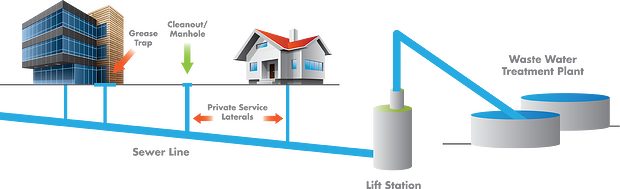
Credit: info.waxie.com
Professional Maintenance Services
Professional maintenance services play a key role in keeping drip sewer systems working well. These experts have the right tools and knowledge to check, clean, and repair the system. They help avoid big problems that can cause costly damage or health risks. Trusting trained professionals ensures the system lasts longer and works efficiently every day.
When To Call Experts
Call experts if the system shows signs of trouble. Slow drainage, bad smells, or wet spots near the system are clear warning signs. Regular check-ups every year help catch problems early. Also, after heavy storms or floods, experts should inspect the system to ensure no damage.
Choosing A Service Provider
Pick a service provider with experience in drip sewer systems. Check their reviews and ask for references. They should offer clear pricing and explain the work needed. Make sure they use modern tools and follow safety rules. A good provider will also give advice on how to care for the system between visits.
Credit: 1stchoiceplumbingheatingandairconditioning.com
Frequently Asked Questions
What Regular Checks Are Needed For A Drip Sewer System?
Regular checks include inspecting drip emitters, tubing, and filters for blockages or leaks. Ensure the system is free from debris and functioning properly to prevent backups and inefficiency.
How Often Should A Drip Sewer System Be Cleaned?
Cleaning should occur at least once a year. This involves flushing the lines and clearing filters to maintain optimal flow and prevent clogs.
What Signs Indicate Drip Sewer System Problems?
Signs include slow drainage, foul odors, wet spots, or visible leaks. Early detection helps avoid costly repairs and system failures.
Can I Maintain A Drip Sewer System Myself?
Basic maintenance like visual inspections and filter cleaning can be DIY. However, professional servicing is recommended annually for thorough system checks.
Conclusion
Maintaining a drip sewer system keeps it working well and lasts longer. Check pipes and filters often to avoid clogs and leaks. Clean parts gently and fix small problems quickly. This saves money and prevents big repairs later. Simple steps protect your system and the environment.
Regular care makes your drip sewer system reliable every day. Easy to do, and worth the effort.