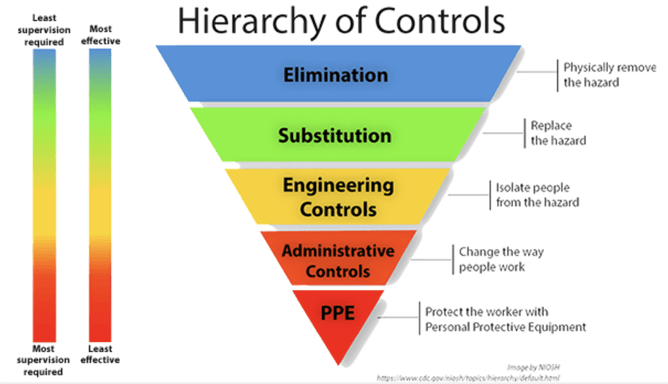
What Should Be Included in an Effective PPE Maintenance System: Key Elements
Your safety depends on the gear you wear, but just having personal protective equipment (PPE) isn’t enough. You need a strong PPE maintenance system to make sure your gear works when you need it most.
Imagine relying on equipment that fails because it wasn’t checked or cared for properly. That’s a risk you can’t afford. You’ll discover exactly what should be included in an effective PPE maintenance system to keep you and your team safe every day.
Keep reading to find out how to protect yourself the right way.
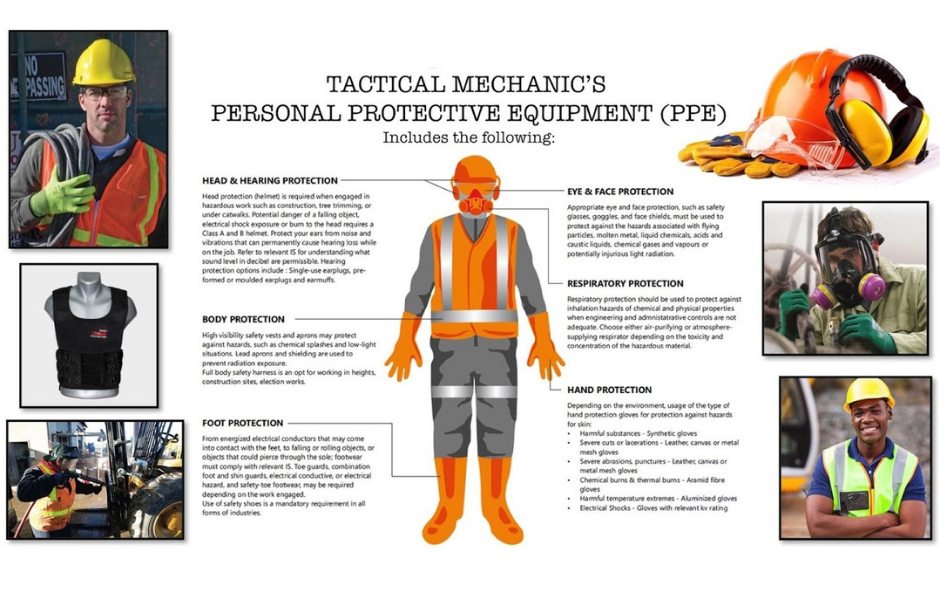
Credit: medium.com
Essential Components Of Ppe Maintenance
Maintaining your Personal Protective Equipment (PPE) isn’t just a good habit—it’s a vital part of keeping you safe on the job. A strong PPE maintenance system focuses on key areas that ensure your gear performs exactly when you need it. Let’s break down the essential components that make a PPE maintenance system effective and reliable.
Regular Inspection Procedures
Regular inspections catch wear and tear before it becomes a hazard. You should check your PPE every time before use, looking for cracks, tears, or any damage. Documentation of these inspections helps track recurring issues and prevents overlooked faults.
Ask yourself: Are you confident that your gear is always in top shape? Setting a clear checklist for inspections can simplify this process and keep your safety consistent.
Cleaning And Sanitization Practices
Clean PPE not only lasts longer but also protects you better. Use recommended cleaning methods specific to your equipment—some may require gentle washing, while others need specialized sanitizers. Avoid harsh chemicals that could weaken materials or reduce protective qualities.
Think about how often you clean your gear. Dirty PPE can harbor germs and reduce effectiveness. Regular cleaning should be part of your routine to ensure both safety and hygiene.
Storage Guidelines
Proper storage keeps your PPE ready for action and extends its lifespan. Store equipment in a cool, dry place away from direct sunlight and chemicals that can degrade materials. Use designated storage areas to avoid accidental damage or contamination.
Have you ever found your gloves or helmets cracked or misshaped? Often, poor storage is the culprit. Consider dedicated hooks, shelves, or containers that protect your gear and make it easy to access.
Repair And Replacement Protocols
Knowing when and how to repair or replace PPE is crucial. Small repairs can restore functionality, but anything compromising safety should trigger immediate replacement. Establish clear criteria for when PPE is no longer safe to use and create a system for prompt replacement.
Have you ever hesitated to toss out damaged PPE because it still looked okay? Remember, safety comes first. A well-defined protocol ensures you don’t take unnecessary risks with worn-out equipment.
Documentation And Record Keeping
Documentation and record keeping form the backbone of an effective PPE maintenance system. Clear and accurate records ensure the safety gear remains reliable and ready for use. Keeping detailed documents helps track the condition and history of each item. This practice supports compliance with safety regulations and company policies. It also aids in identifying patterns or recurring issues with PPE.
Inspection Logs
Inspection logs provide a detailed history of each PPE check. These logs record the date, inspector’s name, and findings. They highlight any wear, damage, or defects found during inspections. Maintaining these logs helps ensure regular monitoring and timely action. It also proves that inspections occur as required by safety standards.
Maintenance Schedules
Maintenance schedules outline when and how PPE should be cared for. They set specific intervals for cleaning, servicing, or replacing parts. Following a schedule prevents neglect and extends the life of equipment. Schedules also help organize tasks to avoid missed maintenance activities. Clear timelines improve reliability and reduce unexpected failures.
Repair Records
Repair records document all fixes and replacements made to PPE items. They include details about the problem, repair date, and technician involved. Keeping these records tracks the equipment’s repair history and condition. It helps decide if an item is safe to use or needs replacement. Accurate repair logs support accountability and quality control in PPE management.
Training And Awareness
Training and awareness form the backbone of any effective PPE maintenance system. Without proper knowledge, even the best equipment can fail to protect. Ensuring that everyone understands how to care for and use PPE correctly keeps safety standards high and risks low.
Employee Training Programs
Training programs should be clear, practical, and ongoing. You need to teach employees not only how to use PPE but also how to inspect it for damage before use. Hands-on sessions where workers practice cleaning and storing PPE can boost their confidence and commitment.
Consider adding refresher courses regularly. This keeps safety top of mind and helps catch any bad habits before they become dangerous. Ask yourself: Are your training sessions engaging enough to stick with your team?
Awareness On Ppe Care
Awareness goes beyond initial training. It’s about creating a culture where every worker understands the importance of PPE care. Simple reminders, posters, or quick toolbox talks can reinforce good practices daily.
Explain why proper cleaning, drying, and storage matter. For instance, damp gloves can lead to skin irritation or faster wear. When employees see the direct impact of care on their safety, they’re more likely to take it seriously.
Roles And Responsibilities
Clear roles help avoid confusion and ensure accountability. Who is responsible for checking PPE condition? Who handles repairs or replacements? Define these roles clearly and communicate them to the entire team.
Giving employees ownership of specific tasks creates a sense of responsibility. You might assign PPE champions who lead by example and support others. Could your team benefit from designated PPE caretakers?
Credit: tikweld.com
Compliance And Standards
Compliance and standards form the backbone of any effective PPE maintenance system. They ensure safety equipment works correctly and protects workers from hazards. Ignoring these rules can lead to accidents, fines, and legal trouble. A strong focus on compliance builds trust and improves workplace safety.
Regulatory Requirements
PPE maintenance must meet local and international laws. These rules set the minimum standards for inspection, cleaning, and replacement. Common regulations include OSHA, ANSI, and ISO standards. Regular checks ensure PPE meets these legal demands. Documentation of maintenance activities helps prove compliance during inspections.
Industry Best Practices
Following best practices means going beyond basic rules. It involves adopting proven methods to extend PPE life and performance. Examples include scheduled cleaning, proper storage, and timely repairs. Training staff on correct maintenance routines reduces equipment failure. Sharing knowledge across teams strengthens safety culture.
Audit And Review Processes
Audits verify PPE maintenance follows set standards consistently. They identify gaps and areas for improvement. Regular reviews of records and procedures keep the system updated. Involving workers in audits boosts awareness and accountability. Using checklists during inspections simplifies the review process.
Technology In Ppe Maintenance
Technology plays a crucial role in PPE maintenance by making the process more efficient and reliable. It helps you keep track of equipment condition, schedule timely inspections, and avoid unexpected failures. Using the right tools can save time, reduce costs, and most importantly, ensure safety.
Maintenance Software Solutions
Maintenance software solutions simplify managing PPE upkeep. These platforms let you schedule regular checks, log repair histories, and receive alerts for upcoming maintenance tasks.
Imagine you’re responsible for dozens of helmets and gloves. Without software, tracking each item’s status can be overwhelming. A good system will automatically remind you when a piece of equipment needs inspection or replacement.
Look for software that offers:
- User-friendly dashboards for quick status updates
- Mobile access so you can update records on the go
- Integration with other safety management systems
Tracking And Monitoring Tools
Tracking tools give you real-time data on PPE usage and condition. Technologies like RFID tags and QR codes make it easy to identify each item and access its maintenance record instantly.
For example, scanning a QR code on a respirator can show you when it was last cleaned and tested. This quick access prevents the use of faulty equipment and keeps your team safe.
Monitoring tools can also alert you to wear and tear before it becomes a hazard. Sensors embedded in PPE can detect damage or exposure to harmful substances, prompting immediate action.
Ask yourself: How often do you check the condition of your PPE? Could real-time tracking help you catch problems earlier and avoid costly downtime?
Credit: tikweld.com
Frequently Asked Questions
What Is An Effective Ppe Maintenance System?
An effective PPE maintenance system ensures regular inspection, cleaning, repair, and storage of personal protective equipment. It extends PPE lifespan and guarantees user safety by preventing equipment failure and contamination.
Why Is Regular Inspection Crucial In Ppe Maintenance?
Regular inspection detects wear, damage, and defects early. It helps prevent PPE failure during use, ensuring continuous protection and compliance with safety standards.
How Often Should Ppe Be Cleaned And Sanitized?
PPE should be cleaned after each use or as per manufacturer guidelines. Proper sanitation reduces contamination risks and maintains hygiene for safe reuse.
What Role Does Proper Storage Play In Ppe Maintenance?
Proper storage protects PPE from damage, dust, and moisture. It preserves material integrity and readiness, ensuring PPE performs effectively when needed.
Conclusion
An effective PPE maintenance system keeps workers safe every day. Regular checks catch damage before accidents happen. Clear records help track each item’s condition. Training ensures everyone knows how to care for PPE. Staying consistent prevents costly repairs and replacements.
A strong system supports a safer workplace for all. Simple steps, big impact. Safety starts with good maintenance.