What Maintenance Do Technicians Perform: Fuel System Essentials
Have you ever wondered how your vehicle’s fuel system stays in perfect shape? The truth is, regular maintenance by skilled technicians is key to keeping your engine running smoothly and efficiently.
But what exactly do these experts do to maintain your fuel system? Understanding the simple yet crucial steps they take can save you from costly repairs and improve your car’s performance. Keep reading to discover the essential maintenance tasks that protect your fuel system and keep your ride reliable every time you hit the road.
Credit: www.fleetmaintenance.com
Fuel System Components
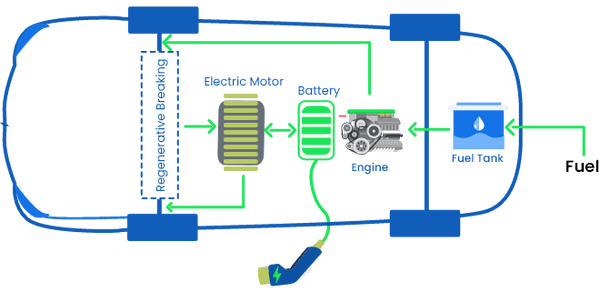
The fuel system in your vehicle is made up of several vital components that work together to ensure smooth engine performance. Understanding these parts helps you appreciate why regular maintenance is essential. Each component has a specific role, and neglecting any one of them can lead to costly repairs or poor fuel efficiency.
Fuel Tank And Lines
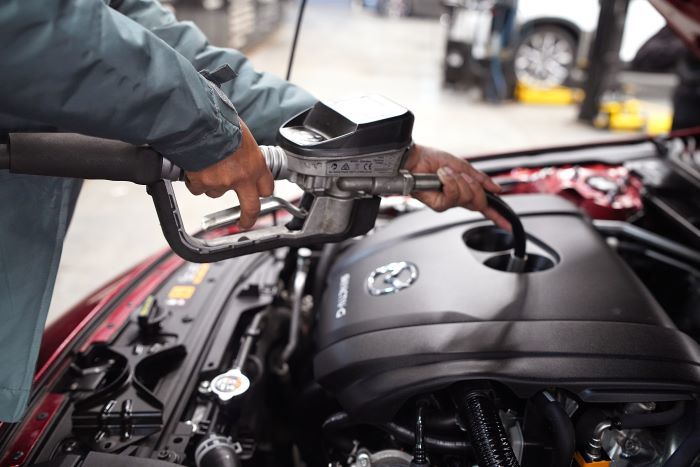
The fuel tank stores gasoline or diesel, acting as the main reservoir for your vehicle’s fuel. Over time, dirt, rust, or water can accumulate inside the tank, leading to contamination. Technicians often inspect the tank for leaks and clean it to prevent clogging.
Fuel lines carry fuel from the tank to the engine. These lines can develop cracks or leaks due to wear and exposure to heat. Regular checks help detect damage early, avoiding fuel loss or dangerous leaks that could cause fires.
Fuel Pump Functions
The fuel pump moves fuel from the tank through the lines to the engine at the right pressure. A failing pump can cause engine sputtering or stalling. Technicians test pump pressure and electrical connections to ensure consistent fuel delivery.
Replacing a worn fuel pump before it fails completely saves you from unexpected breakdowns. Have you ever experienced sudden engine stalls? It might be your fuel pump signaling for attention.
Fuel Injectors Role
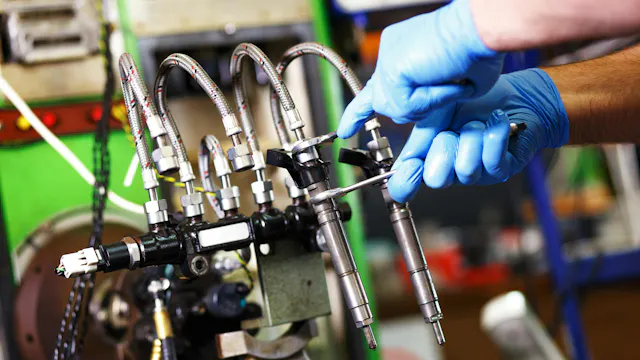
Fuel injectors spray fuel into the engine’s combustion chambers in precise amounts. Over time, injectors can become clogged with deposits, reducing fuel efficiency and causing rough idling. Cleaning or replacing injectors is a common maintenance task.
Technicians use special cleaning solutions or ultrasonic machines to clear injector blockages. This step can restore engine power and improve mileage noticeably.
Fuel Filters Purpose
Fuel filters trap dirt, rust, and other particles before they reach the engine. A clogged fuel filter restricts fuel flow, leading to poor engine performance or difficulty starting your vehicle. Regular replacement is crucial.
Ignoring fuel filter changes is a mistake many make, but it often results in more expensive repairs later. How long has it been since your last fuel filter replacement? Checking this simple part can save you time and money.
Common Fuel System Issues
Fuel systems are the heart of your vehicle’s engine, and they need regular attention to perform well. Ignoring common issues can lead to poor engine performance, higher fuel consumption, or even breakdowns. Understanding these typical problems helps you spot signs early and keep your vehicle running smoothly.
Clogged Fuel Filters
Fuel filters trap dirt and debris before they reach the engine. Over time, these filters can become clogged, restricting fuel flow and causing engine hesitation or stalling. Technicians often replace or clean filters during maintenance to ensure fuel moves freely and your engine breathes properly.
Fuel Pump Failures
The fuel pump pushes fuel from the tank to the engine. If it fails, your engine won’t get the fuel it needs, leading to starting problems or sudden power loss. Regular checks help detect early signs like unusual noises or inconsistent fuel pressure, preventing costly repairs.
Injector Malfunctions
Fuel injectors spray fuel into the engine’s combustion chamber in precise amounts. Malfunctions can cause poor fuel atomization, resulting in rough idling, misfires, or reduced fuel efficiency. Technicians clean or replace injectors to maintain smooth engine performance and lower emissions.
Fuel Leak Risks
Leaks in the fuel system can be dangerous and wasteful. They may happen due to cracked lines, loose fittings, or worn seals. Detecting leaks early not only protects your vehicle but also keeps you and your environment safe. Have a technician inspect any unusual fuel smell or visible stains immediately.
Routine Inspection Tasks
Routine inspection tasks keep the fuel system in good shape. Technicians perform these checks regularly to spot problems early. This helps avoid costly repairs and keeps vehicles running smoothly. Each task targets key parts of the fuel system to ensure proper function and safety.
Visual Checks
Technicians look over the fuel lines, filters, and tank for damage. They check for cracks, rust, or loose parts. Clean fuel system components prevent clogs and leaks. Visual checks also include inspecting fuel injectors for dirt or wear.
Pressure Testing
Fuel pressure testing ensures the system delivers fuel at the right force. Technicians use gauges to measure pressure in the fuel pump and lines. Correct pressure supports engine performance and fuel efficiency. Low or high pressure can cause engine problems or stalling.
Leak Detection
Finding leaks is crucial to prevent fuel loss and fire risks. Technicians use special tools to detect fuel vapors or liquid leaks. They inspect seals, hoses, and connections carefully. Fixing leaks early protects the environment and saves fuel costs.
Electrical Connections
Fuel systems often include electrical parts like pumps and sensors. Technicians check wires and connectors for corrosion or damage. Good electrical connections ensure proper fuel flow and system signals. Loose or broken connections can lead to fuel delivery failure.
Cleaning And Replacement
Cleaning and replacement are vital tasks for fuel system maintenance. Dirt and debris build up in fuel parts over time. This reduces engine performance and may cause damage. Technicians clean components and replace worn parts to keep the system healthy. These actions ensure smooth fuel flow and better engine efficiency.
Filter Replacement Timing
Fuel filters trap dirt and rust from fuel. They clog up as time passes. Replacing filters at set intervals stops blockages. Most vehicles need new filters every 20,000 to 40,000 miles. Dirty filters reduce fuel flow and cause poor engine performance. Timely replacement keeps fuel clean and engine running well.
Injector Cleaning Methods
Fuel injectors spray fuel into the engine. Deposits form inside injectors and block spray nozzles. Technicians use special cleaners or ultrasonic machines to remove buildup. Cleaning restores proper spray patterns and fuel atomization. Clean injectors improve fuel efficiency and lower emissions.
Fuel Tank Maintenance
Fuel tanks collect dirt and water over time. Technicians inspect tanks for rust or leaks. Draining and cleaning the tank removes contaminants. A clean tank prevents fuel contamination and injector clogging. Regular tank care extends fuel system life and prevents breakdowns.
Pump Replacement Indicators
Fuel pumps push fuel from the tank to the engine. Signs of a failing pump include engine sputtering, stalling, or no start. Low fuel pressure and strange noises also warn of pump issues. Technicians test pump pressure and flow. Replacement is necessary when pumps lose strength or fail completely.
Fuel Quality And Additives
Technicians pay close attention to fuel quality and additives during fuel system maintenance. These factors directly affect how well your engine performs and how long your fuel system lasts. Understanding their role helps you avoid costly repairs and keep your vehicle running smoothly.
Impact Of Fuel Quality
Fuel quality varies depending on its source and storage conditions. Poor-quality fuel often contains impurities like water, dirt, or sediments that can clog fuel filters and injectors. This leads to rough engine performance, reduced fuel efficiency, and increased emissions.
Technicians test fuel samples to check for contamination and proper octane levels. Low-octane fuel can cause knocking and damage engine components over time. Have you ever noticed your engine hesitating or making unusual noises? That might be a sign your fuel quality needs attention.
Use Of Fuel Additives
Fuel additives are chemicals added to fuel to improve its properties. Technicians often recommend or apply additives that clean injectors, prevent corrosion, and enhance combustion. These additives help maintain smooth engine operation and reduce wear.
Not all additives are equal. Some target specific problems like fuel system deposits or water contamination. Your technician can suggest the best additive based on your vehicle’s condition and fuel type. Would you consider using additives regularly to extend your engine’s life?
Preventing Contamination
Contaminants like dirt, rust, and water often enter fuel tanks during refueling or storage. Technicians prevent this by inspecting fuel caps, filters, and tanks for damage or leaks. Regularly replacing fuel filters is a common step to catch impurities before they reach the engine.
They also advise on proper storage practices, such as using clean containers and avoiding long fuel storage periods. Simple habits like choosing reliable fuel stations make a big difference. How careful are you with your fuel handling habits?
Credit: heartautocare.com
Advanced Diagnostic Tools
Advanced diagnostic tools play a crucial role in how technicians maintain and troubleshoot fuel systems. These tools provide precise data that helps identify issues quickly and accurately, saving time and preventing unnecessary repairs. Understanding how these instruments work can give you better insight into the care your vehicle’s fuel system needs.
Fuel Pressure Gauges
Fuel pressure gauges measure the pressure within the fuel system, which is vital for proper engine performance. Low or inconsistent fuel pressure often causes poor engine running conditions or stalling. Technicians connect these gauges to fuel lines or fuel rails to check if the pressure matches manufacturer specifications.
Have you ever wondered why your car hesitates during acceleration? It could be a sign of faulty fuel pressure. Using these gauges, mechanics can spot leaks, weak fuel pumps, or clogged filters early on, ensuring your engine receives the right amount of fuel consistently.
Electronic Diagnostic Scanners
Electronic diagnostic scanners link directly to your vehicle’s onboard computer to read error codes and live data streams. This tool is essential for detecting fuel system problems like injector failures or sensor malfunctions. It provides a clear snapshot of how well the system components are functioning under different conditions.
Imagine trying to fix a problem without knowing the root cause. These scanners eliminate guesswork by pinpointing exact faults, which can then be addressed precisely. When you bring your car in, this tool helps technicians decide if you need a simple reset or a deeper repair.
Flow Meters
Flow meters measure the volume of fuel passing through the system over time. This data helps technicians verify if the fuel pump and injectors deliver fuel at the correct rate. If the flow is too low or uneven, the engine may experience power loss or increased emissions.
Using flow meters, technicians can simulate real driving conditions to see how your fuel system performs under stress. This tool is especially helpful when diagnosing intermittent issues that don’t show up during a static inspection. Would you prefer a quick check or a thorough test that ensures reliability on the road?

Credit: heartautocare.com
Frequently Asked Questions
What Routine Checks Do Technicians Perform On Fuel Systems?
Technicians inspect fuel filters, lines, and injectors for clogs or leaks. They also test fuel pressure and clean components to ensure smooth fuel flow and optimal engine performance.
How Do Technicians Clean Fuel Injectors Effectively?
Technicians use specialized cleaning solutions or ultrasonic cleaners to remove deposits from injectors. This restores proper spray patterns and improves fuel efficiency and engine response.
Why Is Fuel Filter Replacement Important In Maintenance?
Replacing fuel filters prevents contaminants from reaching the engine. Clean filters ensure consistent fuel flow, reduce wear, and improve overall engine reliability and performance.
How Often Should Fuel System Maintenance Be Performed?
Fuel system maintenance is typically recommended every 30,000 miles or as specified by the vehicle manufacturer. Regular checks prevent buildup and potential engine issues.
Conclusion
Technicians keep fuel systems running smoothly with regular care. They clean fuel injectors and check fuel filters often. This helps prevent clogs and keeps engines strong. Fuel pumps get tested to ensure steady fuel flow. They also inspect lines for leaks or damage.
Simple maintenance avoids costly repairs later on. Clean fuel systems improve car performance and save fuel. Trusting experts with this work helps your vehicle last longer. Routine checks are key to a healthy fuel system. Small actions make a big difference in engine life.