How is Wearable Technology Helpful: Unlocking Innovation
Have you ever wondered how wearable technology can make your life easier and healthier? Imagine having a device that tracks your fitness, monitors your health, and keeps you connected—all right on your wrist or clothing.
Wearable technology isn’t just a cool gadget; it’s a powerful tool designed to improve your daily routine. You’ll discover how these smart devices can help you stay motivated, make better choices, and even boost your safety. Keep reading to find out why wearable tech might be the game-changer you didn’t know you needed.
Credit: journalofcloudcomputing.springeropen.com
Wearable Tech In Healthcare
Wearable technology is changing healthcare by making it easier for you to keep track of your health every day. These devices do more than just count steps—they provide real-time data that can help you and your doctor make better decisions. Whether you’re managing a health condition or just want to stay fit, wearable tech offers practical tools right at your fingertips.
Monitoring Vital Signs
Wearables can continuously monitor vital signs such as heart rate, blood pressure, and oxygen levels. This means you don’t have to wait for a doctor’s appointment to catch potential health issues. Imagine spotting irregular heartbeats early enough to prevent serious problems—this technology makes that possible.
Devices like smartwatches and fitness bands send alerts if something unusual is detected. Are you paying enough attention to your body’s signals? These alerts can prompt timely action and reduce emergency visits.
Managing Chronic Diseases
If you have diabetes, hypertension, or asthma, wearable tech can be a game changer. It helps you track symptoms, medication intake, and lifestyle factors affecting your condition. You can spot patterns that might otherwise go unnoticed, helping to avoid flare-ups.
For example, continuous glucose monitors allow people with diabetes to maintain better blood sugar control without frequent finger pricks. Wouldn’t it be reassuring to have a device that keeps an eye on your health 24/7, so you don’t have to?
Enhancing Fitness Tracking
Wearables motivate you to stay active by providing clear, measurable goals. They track your steps, calories burned, sleep quality, and even stress levels. This information helps you adjust your routine for better results.
Many users find that seeing progress in real time pushes them to improve their habits. How much more could you achieve if you knew exactly how your body responds to different activities every day?
Credit: journalofcloudcomputing.springeropen.com
Wearables In Daily Life
Wearable technology has woven itself into the fabric of everyday life, making tasks easier and more connected. These devices do more than track steps or tell time—they keep you informed, safe, and even entertained throughout your day. Think about how often you reach for your phone; wearables bring that convenience right to your wrist, face, or clothing.
Smartwatches And Notifications
Smartwatches keep you updated without needing to pull out your phone constantly. They deliver notifications for calls, messages, emails, and apps directly to your wrist.
This means you can stay focused on your work or workout without missing important alerts. Many smartwatches also let you respond quickly with preset replies or voice commands, saving time and effort.
Have you noticed how much smoother your day runs when your notifications come to you discreetly? It’s like having a personal assistant that fits on your wrist.
Augmented Reality Glasses
Augmented reality (AR) glasses blend digital information with the real world, offering hands-free access to data. You can get directions, check messages, or even translate signs without breaking your stride.
Imagine walking through a new city and having points of interest appear right before your eyes. This technology helps you stay present while enhancing your awareness and efficiency.
How would your routine change if you had instant access to information without looking down at a screen?
Personal Safety Devices
Wearables designed for safety provide peace of mind by alerting others during emergencies. Devices with built-in GPS and SOS buttons can notify family or authorities if you’re in trouble.
These wearables are especially valuable for runners, hikers, or anyone who spends time alone. They add a layer of security without being bulky or inconvenient.
Would you feel more confident exploring new places if help was just a button press away?
Workplace Efficiency Boost
Wearable technology plays a key role in improving workplace efficiency. It helps teams stay connected, monitor health, and work flexibly. These devices offer practical benefits that support daily work tasks and overall productivity.
Improving Communication
Wearables allow instant messaging and quick notifications. Employees receive updates without checking phones or computers. This reduces delays and keeps everyone informed. Voice commands and smartwatches make communication hands-free. Teams can respond faster and avoid interruptions during tasks.
Tracking Employee Health
Wearable devices monitor heart rate, activity, and stress levels. Employers can support healthier habits and reduce burnout. Real-time health data helps prevent accidents and fatigue. Workers feel more cared for, leading to better focus and performance. Small health improvements boost overall efficiency.
Supporting Remote Work
Wearables assist workers outside the office with easy access to information. Location tracking and task reminders keep remote teams organized. These devices ensure constant connection to the company network. Remote employees stay productive without feeling isolated. Flexibility and efficiency improve together.
Advancements In Sports Tech
Advancements in sports technology have transformed how athletes train and compete. Wearable devices now collect detailed data during practice and games. This data helps improve skills, avoid injuries, and boost overall performance. The technology is accessible and easy to use, making it popular among athletes of all levels.
Performance Analytics
Wearable tech tracks key metrics like speed, distance, and heart rate. Athletes receive clear reports on their strengths and weaknesses. This information guides training plans for better results. Coaches use data to create personalized workouts. Tracking progress over time helps athletes reach their goals faster.
Injury Prevention
Sensors monitor body movements and stress on muscles and joints. Early signs of fatigue or strain can trigger warnings. Athletes can rest or adjust their routines before injuries happen. This reduces downtime and keeps players active longer. Proper recovery advice also comes from wearable data.
Real-time Feedback
Wearables provide instant updates during training or competition. Athletes can adjust their form or effort immediately. This helps improve technique and efficiency on the spot. Coaches also get live data to offer quick advice. Real-time feedback keeps training focused and effective.
Future Trends In Wearables
The future of wearable technology promises exciting improvements. Devices will become smarter, more flexible, and energy-efficient. These trends will change how wearables blend with daily life. Users can expect better comfort and enhanced features. Below are key trends shaping wearable tech.
Flexible And Smart Fabrics
Wearables will use fabrics that stretch and bend easily. These smart fabrics will include sensors directly in clothing. This makes devices lighter and less bulky. Clothes could track health signs like heart rate and temperature. Users may wear tech that feels like normal clothing. This will increase comfort and usability.
Ai Integration
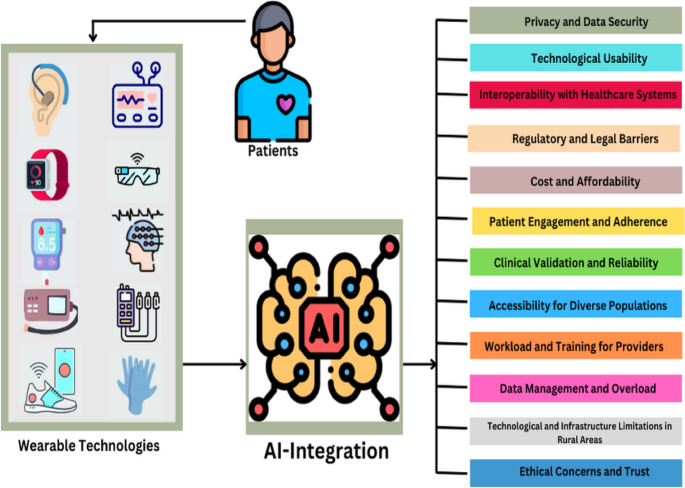
Artificial intelligence will make wearables more intuitive. Devices will learn from user habits and preferences. AI will offer personalized advice and alerts. It will improve fitness coaching and health monitoring. Wearables could predict issues before symptoms appear. This makes technology more helpful and responsive.
Energy Harvesting Technologies
Future wearables will generate power from the environment. Energy harvesting uses body heat, movement, or sunlight. This reduces the need for frequent charging. Devices will stay powered longer and work continuously. Users will enjoy more freedom and less hassle. This trend supports sustainable technology use.
Credit: journalofcloudcomputing.springeropen.com
Challenges And Privacy
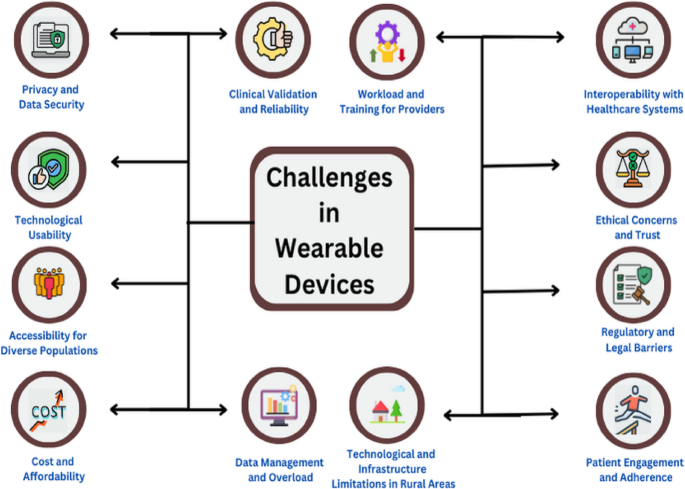
Wearable technology brings many benefits but also faces some challenges. Privacy and security are top concerns. Devices collect personal data that needs protection. Users worry about how their information is stored and shared. Battery life limits how long these devices can function without recharging. Some users find it hard to adapt to new technology. Understanding these challenges helps us use wearables more wisely.
Data Security Concerns
Wearables collect sensitive data like health and location. This data can be a target for hackers. Weak security can lead to data leaks or misuse. Companies must use strong encryption to protect user data. Users should be cautious about app permissions. Regular software updates help fix security issues quickly.
Battery Life Limitations
Most wearables have small batteries. They need frequent charging, which can be inconvenient. Battery limits affect device features and performance. Users want longer battery life for continuous use. Manufacturers work to improve battery technology. Power-saving modes help extend usage time.
User Adoption Barriers
Some people find wearables confusing or hard to use. Privacy worries can stop people from using these devices. Cost is another barrier for many users. Comfort and design also affect adoption rates. Clear instructions and user-friendly designs encourage use. Education about benefits helps increase acceptance.
Frequently Asked Questions
What Are The Main Benefits Of Wearable Technology?
Wearable technology improves health monitoring, fitness tracking, and real-time data access. It enhances convenience and personal safety. These devices help users stay connected and manage daily activities efficiently.
How Does Wearable Technology Improve Health Tracking?
Wearables continuously measure vital signs like heart rate and sleep patterns. They provide insights for better health management. Early detection of health issues is possible through real-time data analysis.
Can Wearable Technology Boost Fitness Motivation?
Yes, wearables track workouts, set goals, and offer progress feedback. This encourages users to stay active and achieve fitness targets. Social sharing features also motivate through friendly competition.
Is Wearable Technology Useful For Workplace Productivity?
Wearables enable hands-free communication and quick notifications. They help monitor stress levels and encourage movement breaks. This leads to improved focus and overall productivity at work.
Conclusion
Wearable technology helps people track their health and stay active. It makes daily tasks easier and keeps users connected. Many devices offer real-time data to improve well-being. Small gadgets can motivate better habits without much effort. This technology fits smoothly into everyday life.
It supports safety by alerting users to issues quickly. Wearables grow smarter and more useful each year. They offer simple ways to live healthier and safer. Embracing these tools can improve life bit by bit. Worth trying for anyone who wants easy health support.