What is Wearable Technology Definition: A Complete Guide
Have you ever wondered what exactly wearable technology is? You might already be using it without even realizing.
Wearable technology is changing how you track your health, stay connected, and even improve your daily life. This simple yet powerful innovation is closer to you than you think. Keep reading, and you’ll discover what wearable technology really means, how it works, and why it matters to you right now.
Understanding this can open up new possibilities for your lifestyle and well-being.
Wearable Technology Basics
Wearable technology has become a part of daily life for many people. These devices blend seamlessly with your routine, helping you track health, stay connected, or enhance productivity. Understanding the basics can help you choose the right wearable that fits your needs and lifestyle.
Key Features
Wearable technology is designed to be lightweight and comfortable, so you can wear it all day without hassle. Most devices include sensors that collect data like heart rate, steps taken, or even sleep quality. Connectivity is another important feature; many wearables sync with your smartphone or computer to provide real-time updates and detailed insights.
Battery life varies but usually lasts from a full day to several days on a single charge. Some wearables also offer waterproof or water-resistant designs, letting you use them during exercise or even swimming. These features make wearables practical tools, not just gadgets.
Types Of Devices
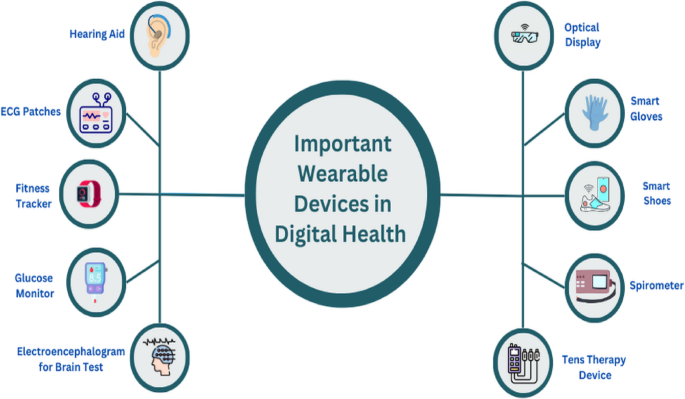
Wearable technology comes in many forms, each serving a specific purpose. Fitness trackers focus on health metrics like calories burned and distance traveled. Smartwatches add more functions such as notifications, music control, and apps.
- Fitness Trackers:Simple and focused on activity monitoring.
- Smartwatches:Combine health tracking with smartphone features.
- Smart Glasses:Provide augmented reality experiences or hands-free information.
- Wearable Cameras:Capture moments without needing to hold a device.
- Medical Devices:Monitor specific health conditions like glucose levels or heart rhythms.
Have you thought about which type matches your daily routine best? Trying out different wearables can reveal what features you actually use and enjoy, rather than what looks cool.
Credit: www.researchgate.net
History And Evolution
Understanding the history and evolution of wearable technology helps you appreciate how far this field has come and where it might head next. Wearable devices have shifted from simple tools to sophisticated gadgets integrated into daily life. Their journey reflects changes in technology, design, and user needs.
Early Innovations
The roots of wearable technology trace back to devices like the pocket watch and eyeglasses, which offered practical functions on the go. In the 1960s, the first wearable computer was created to predict roulette outcomes, showing early efforts to blend computing with mobility.
Medical devices also pioneered wearables, such as the hearing aid and pacemaker, helping people monitor health in real time. These innovations laid the groundwork for more interactive and connected devices.
Recent Advances
Today’s wearables include smartwatches, fitness trackers, and augmented reality glasses that do much more than tell time or count steps. They collect detailed data, provide instant feedback, and connect seamlessly with your smartphone and other devices.
Artificial intelligence and improved sensors now allow wearables to monitor your health with high accuracy. Have you noticed how your smartwatch can detect irregular heartbeats or track your sleep patterns? These advances make wearables not only convenient but essential for personal health management.
Popular Wearable Devices
Wearable technology has become a part of daily life for many people around the world. These devices blend technology with convenience, making it easier to track health, stay connected, and even access information on the go. Let’s look at some of the most popular types of wearable devices you might already know or use.
Smartwatches
Smartwatches do more than just tell time. They connect to your smartphone to show notifications, track your fitness, and even let you make calls or send messages directly from your wrist.
If you’ve ever missed a call because your phone was buried in your bag, a smartwatch can solve that problem. Some models also offer features like GPS navigation and music control, helping you stay active and organized without carrying extra gadgets.
Fitness Trackers
Fitness trackers focus primarily on monitoring your health and physical activity. They count steps, measure heart rate, and track sleep quality to give you a clear picture of your daily habits.
Many people find fitness trackers motivate them to move more and improve their lifestyle. Have you ever been surprised by how little or how much you actually move in a day? These devices help answer that question and encourage better habits.
Smart Glasses
Smart glasses are still emerging but offer exciting possibilities. They provide hands-free access to information, from displaying notifications to offering augmented reality experiences.
Imagine getting directions or translating a foreign language right in front of your eyes without pulling out your phone. While not as common as smartwatches or fitness trackers, smart glasses could change how you interact with the world around you.

Credit: www.happiestminds.com
Applications In Daily Life
Wearable technology has seamlessly woven itself into our daily routines, offering tools that enhance how we manage health, fitness, and communication. These devices are more than just gadgets; they serve as personal assistants that keep you connected and informed throughout the day. Understanding their practical applications can help you make smarter choices about which wearable fits best into your lifestyle.
Health Monitoring
Wearables like smartwatches and fitness bands continuously track vital signs such as heart rate, sleep quality, and blood oxygen levels. This real-time data helps you catch early signs of health issues before they become serious. Imagine receiving an alert about irregular heartbeats while you’re at work—wouldn’t that give you peace of mind?
Many wearables also sync with health apps to provide detailed reports and trends over time. This insight lets you take control of your health without needing constant doctor visits.
Fitness And Sports
If you’re serious about exercise, wearables offer precise tracking of workouts, calories burned, and distance traveled. They motivate you by setting goals and celebrating milestones, turning fitness into a more engaging challenge. Think about how your pace improves when a device gives instant feedback during a run.
Advanced models even monitor muscle activity and recovery, helping athletes avoid injuries. Whether you’re a casual jogger or a professional athlete, these tools provide valuable feedback to improve performance.
Communication
Wearable devices keep you connected without needing to pull out your phone constantly. Smartwatches allow you to answer calls, send quick messages, and receive notifications right on your wrist. This hands-free convenience lets you stay focused on tasks while staying in touch.
Some wearables even support voice commands, making it easier to interact without interrupting your flow. Have you noticed how much time you save when you don’t have to dig through your bag or pocket for your phone?
Impact On Healthcare
Wearable technology is changing healthcare in ways many didn’t expect. It’s not just about tracking steps or calories anymore. These devices are becoming essential tools that help both doctors and patients stay connected and informed.
Remote Patient Monitoring
Imagine you could keep an eye on your health without frequent hospital visits. Wearable devices make this possible by collecting real-time data on your vital signs like heart rate, blood pressure, and oxygen levels.
This data is sent directly to healthcare providers, allowing them to monitor your condition continuously. If something seems off, your doctor can intervene early, potentially avoiding emergencies.
Have you ever wondered how this could change your own experience with healthcare? It means fewer trips to the clinic and faster responses when your health changes.
Chronic Disease Management
Managing chronic diseases like diabetes or hypertension is challenging. Wearable technology helps by providing constant feedback on how your body responds to treatments and lifestyle changes.
Devices can remind you to take medication, track your activity levels, and even alert you about irregular symptoms. This makes staying on top of your condition easier and more effective.
Think about how much control you want over your health—wearables give you tools to take that control back.

Credit: www.arimetrics.com
Challenges And Concerns
Wearable technology offers incredible convenience and new ways to connect with your health and environment. But it also brings its own set of challenges that can affect how you use and trust these devices daily. Understanding these concerns helps you make smarter choices about what you wear and how you protect your data and device longevity.
Privacy Issues
Wearables collect a lot of personal data, from your heart rate to location. This information is sensitive and can be misused if it falls into the wrong hands. Have you ever wondered who exactly has access to your health stats and how securely they store it?
Many devices share data with apps and third parties, often without clear consent. This can lead to targeted advertising or, worse, identity theft. You should always check privacy settings and terms of use before syncing your device.
Battery Life And Durability
Battery life remains a major hurdle for wearable devices. You don’t want your fitness tracker dying mid-workout or your smartwatch shutting down during an important call. It’s frustrating when you have to recharge too often or carry bulky chargers around.
Durability is another concern. Wearables are exposed to sweat, rain, and accidental drops daily. Choosing a device with water resistance and robust materials can save you from frequent replacements and unexpected breakdowns.
Future Trends
Wearable technology is evolving fast. New trends are shaping its future and changing how people use devices daily. These trends focus on making wearables smarter and more connected. They aim to improve user experience and expand device capabilities.
Ai Integration
Artificial intelligence will play a bigger role in wearable devices. AI can analyze data collected by wearables and provide useful insights. It can learn user habits and suggest personalized actions. AI helps wearables become more responsive and adaptive to users’ needs. This makes health monitoring and fitness tracking more accurate and effective.
Enhanced Connectivity
Wearables will use faster and more reliable connections. Technologies like 5G and Bluetooth Low Energy will improve data transfer. This allows devices to communicate seamlessly with other gadgets and the internet. Enhanced connectivity supports real-time updates and remote control features. It also enables better integration with smart home and city systems.
Frequently Asked Questions
What Is Wearable Technology In Simple Terms?
Wearable technology refers to electronic devices worn on the body. These devices track health, fitness, or provide smart functions. Examples include smartwatches and fitness bands. They connect to smartphones or the internet for data sharing and enhanced user experience.
How Does Wearable Technology Work?
Wearable technology uses sensors to collect data from the body. This data is processed and displayed on the device or synced with apps. It measures metrics like heart rate, steps, or sleep patterns. Connectivity options include Bluetooth and Wi-Fi for real-time updates.
What Are Common Examples Of Wearable Technology?
Common wearable devices include smartwatches, fitness trackers, smart glasses, and VR headsets. They monitor health, provide notifications, or enhance entertainment. These gadgets improve daily life by offering convenience and personalized data insights.
Why Is Wearable Technology Important Today?
Wearable technology helps monitor health and fitness efficiently. It promotes a proactive lifestyle and early detection of health issues. It also enhances communication and productivity by integrating with smartphones and apps seamlessly.
Conclusion
Wearable technology is part of our daily lives now. It helps us track health, stay connected, and improve tasks. These devices are small but powerful. They make life easier and more fun. Understanding what wearable technology means is important today.
It shows how tech grows and changes. People will keep using these tools more and more. The future will bring new and better wearables. They will help us live smarter and healthier. Simple, useful, and close to us. That is wearable technology.