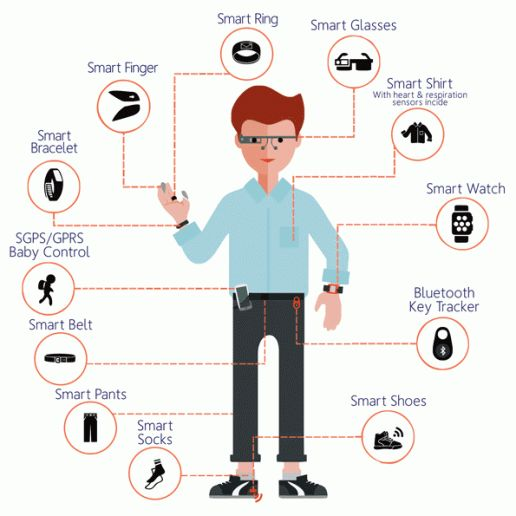
How Popular is Wearable Technology: Latest Trends Revealed
Have you ever wondered how many people around you use wearable technology every day? From smartwatches that track your steps to fitness bands that monitor your heart rate, wearable tech is becoming a part of life for millions.
But just how popular is it really? If you want to know whether these gadgets are a passing trend or here to stay, keep reading. This article will reveal surprising facts about wearable technology’s rise, why you might want to join the movement, and how it could change your daily routine.
Ready to discover how wearable tech fits into your world? Let’s dive in.
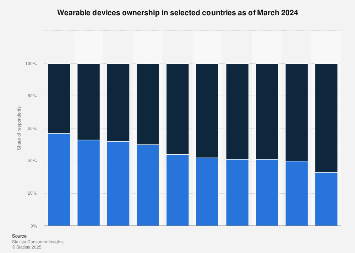
Credit: www.statista.com
Wearable Tech Market Growth
The wearable technology market is expanding at a remarkable pace, reshaping how people interact with devices daily. More than just fitness trackers and smartwatches, wearable tech now includes smart glasses, health monitors, and even smart clothing. This growth signals strong consumer interest and technological advancements that make wearables an essential part of modern life.
Global Sales Statistics
Wearable tech sales have surged globally, hitting new records year after year. In 2023 alone, global shipments exceeded 490 million units, showing a steady increase from previous years. Asia-Pacific leads the market, with the U.S. and Europe following closely behind.
Smartwatches hold the largest share, accounting for over 40% of total sales. Fitness trackers and wireless earbuds are also significant contributors. This data highlights how wearables have moved beyond niche gadgets to mainstream must-haves.
| Region | 2023 Shipments (Millions) | Market Share (%) |
|---|---|---|
| Asia-Pacific | 210 | 43% |
| North America | 130 | 27% |
| Europe | 90 | 18% |
| Others | 60 | 12% |
Key Market Drivers
What motivates you to wear a smartwatch or fitness band? Many users want to track health metrics like heart rate and sleep quality. This demand pushes manufacturers to improve sensors and software, making devices more accurate and user-friendly.
Another strong driver is the rise of remote work and digital lifestyles. Wearables help you stay connected and manage notifications without constantly checking your phone. This convenience boosts daily productivity and reduces screen fatigue.
Lastly, health awareness is increasing worldwide. Wearable tech offers real-time health monitoring that can alert you to potential problems early. This feature appeals not only to fitness enthusiasts but also to older adults and patients managing chronic conditions.
- Improved health tracking features
- Growing interest in fitness and wellness
- Integration with smartphones and apps
- Advances in battery life and design
- Increased affordability and variety
Have you noticed how your own habits change when you use a wearable device regularly? Understanding these market drivers can help you choose the right tech to enhance your lifestyle effectively.
Top Types Of Wearables
Wearable technology has become a big part of daily life. These devices help people stay connected, track health, and explore new digital experiences. Different types of wearables serve various needs, making them popular among all age groups. Here are the top types of wearable devices that stand out today.
Smartwatches And Fitness Bands
Smartwatches and fitness bands are the most common wearable devices. They track steps, heart rate, and sleep patterns. People use them to monitor exercise and receive notifications on the go. These devices often sync with smartphones, providing easy access to apps and messages.
Health Monitoring Devices
Health monitoring devices focus on medical and wellness needs. They measure blood pressure, glucose levels, and oxygen saturation. These tools help users manage chronic conditions and stay informed about their health. Many health wearables offer real-time data and alerts for immediate action.
Augmented Reality Glasses
Augmented reality (AR) glasses blend digital images with the real world. They enhance daily tasks by showing useful information directly in front of the eyes. AR glasses are used in gaming, education, and work environments. They provide hands-free access to data and interactive content.
Consumer Demographics
Understanding who uses wearable technology helps you see its real impact. The devices are not just gadgets; they fit into different lifestyles, needs, and routines. Knowing the consumer demographics reveals who benefits most and where the technology could grow.
Age Group Preferences
Young adults, especially those between 18 and 35, are the biggest users of wearable tech. They often look for fitness trackers, smartwatches, and health monitors to stay active and connected. You might notice how many people around you use these devices to track workouts or get notifications on the go.
Middle-aged users, aged 36 to 55, tend to focus more on health-related features. They use wearables to monitor heart rate, sleep quality, and stress levels. This group values practical benefits that improve everyday health, showing a shift from just convenience to wellness.
Older adults, 56 and above, are starting to adopt wearable tech primarily for medical purposes. Devices that track vital signs or detect falls are gaining popularity here. Have you seen a family member use a wearable to feel safer or more independent?
Geographical Trends
Wearable technology is most popular in North America and Europe, where tech adoption rates are high. Urban areas in these regions usually have better access to the latest devices and reliable internet, making wearables more practical.
Asia shows rapid growth, especially in countries like China, Japan, and South Korea. Here, consumers often combine wearables with smartphones for a fully connected lifestyle. The trend is growing in both urban and suburban regions, driven by younger generations.
In contrast, wearable tech use in developing regions remains limited but is gradually increasing. Challenges like cost and connectivity slow adoption, but affordable models and improving infrastructure are changing this. What could make wearable devices more accessible in your community?
Credit: www.idtechex.com
Emerging Features
Wearable technology keeps evolving with new features that attract many users. These features make devices more useful and fun to wear every day. They focus on health, convenience, and smarter technology that adapts to users’ needs.
Emerging features in wearables help people track health better, connect with smart homes, and use artificial intelligence for smarter experiences. These advancements show how wearable tech is becoming a bigger part of daily life.
Advanced Health Tracking
Wearables now monitor more than just steps and heart rate. They track blood oxygen levels, sleep quality, and stress. Some devices can detect irregular heartbeats or alert users about health risks. This data helps people understand their body better and make healthier choices.
Integration With Smart Homes
Wearables connect smoothly with smart home devices. Users can control lights, locks, and thermostats from their wrist. This integration adds comfort and security. It also allows quick responses, like turning off lights without leaving the couch.
Ai And Machine Learning Capabilities
Artificial intelligence makes wearables smarter every day. Devices learn users’ habits and suggest helpful tips. They can predict needs, like reminding to move after long sitting. AI also improves voice commands, making interactions faster and easier.
Challenges Facing Wearables
Wearable technology faces several challenges that affect its popularity and use. These challenges impact user trust, convenience, and overall experience. Understanding these issues helps explain why some users hesitate to adopt wearables fully.
Privacy Concerns
Wearables collect a lot of personal data. This data includes health, location, and daily habits. Users worry about how companies use and protect this information. Data breaches and unauthorized access increase these concerns. Privacy laws vary, creating confusion about rights and safety. Trust is essential for wearables to succeed.
Battery Life Limitations
Most wearables have small batteries. Users expect devices to last all day or longer. Frequent charging disrupts use and causes frustration. Power-hungry features like GPS and sensors reduce battery life. Manufacturers struggle to balance battery size and device weight. Longer battery life remains a top demand.
Design And Comfort Issues
Wearables must be comfortable for daily wear. Bulky or heavy devices cause discomfort. Poor design can lead to skin irritation or pressure marks. Style matters as users want devices that fit their look. Water resistance and durability also affect comfort. Finding a perfect design is a constant challenge.

Credit: market.us
Future Outlook
The future of wearable technology looks promising and dynamic. As these devices become more integrated into daily life, their impact grows beyond just fitness tracking or notifications. You might wonder how these changes will affect your personal use and the market as a whole.
Predicted Market Expansion
The wearable tech market is expected to grow significantly over the next decade. Analysts predict a steady rise in sales driven by increasing consumer interest and new use cases.
- Healthcare wearables will see a major boost, helping with remote patient monitoring and chronic disease management.
- Smartwatches and fitness bands will continue to evolve, appealing to a broader audience including seniors and kids.
- Enterprise use of wearables for workforce management and safety is becoming more common.
Have you considered how a health-focused wearable could change your daily routine or medical care?
Upcoming Technological Innovations
New technologies are set to make wearables smarter, smaller, and more useful. Expect devices that offer longer battery life, better sensors, and seamless connectivity.
- Flexible and stretchable materials will make wearables more comfortable and durable.
- AI integration will allow wearables to provide personalized insights and predictive health alerts.
- Advanced biometric sensors might track not only heart rate but also blood sugar, hydration, and stress levels.
Imagine a wearable that alerts you before you even feel unwell. How would having such foresight affect your lifestyle choices?
Frequently Asked Questions
How Widespread Is Wearable Technology Usage Today?
Wearable technology is widely used across various demographics worldwide. Fitness trackers and smartwatches dominate the market. Adoption continues to grow due to health, convenience, and connectivity benefits. Many users rely on these devices for daily health monitoring and notifications.
What Are The Most Popular Types Of Wearable Devices?
Smartwatches, fitness trackers, and smart glasses are top wearable devices. Smartwatches offer notifications and apps, while fitness trackers focus on activity and health. Emerging devices include smart rings and VR headsets, expanding wearable technology’s reach.
Why Is Wearable Technology Gaining Popularity?
Wearable technology offers real-time health insights and seamless connectivity. It enhances fitness tracking, convenience, and communication on the go. Its integration with smartphones and apps boosts user engagement and lifestyle management.
How Does Wearable Tech Impact Health Monitoring?
Wearables provide continuous health data like heart rate, sleep, and activity. This data helps users track progress and detect anomalies early. It supports preventive healthcare and encourages healthier habits through personalized feedback.
Conclusion
Wearable technology has become part of daily life. Many people use smartwatches, fitness trackers, and other devices. These gadgets help track health, stay connected, and save time. As technology grows, more features will appear. Prices are dropping, making wearables easier to buy.
More users mean more apps and better tools. The future looks bright for wearable tech. It stays popular because it fits well with busy lifestyles. Everyone can find a device that suits their needs. Wearable technology will likely keep growing in use and value.