What Does Industrial Maintenance Technology Do: Unlock Efficiency
Have you ever wondered what keeps factories and machines running smoothly every day? Industrial Maintenance Technology is the key.
It’s all about making sure machines don’t break down, saving time and money for businesses like yours. If you want to understand how this technology works and why it matters to your work or business, this article will give you clear answers.
Keep reading to discover how Industrial Maintenance Technology can make a difference for you.
Role Of Industrial Maintenance Technology
Industrial maintenance technology plays a vital role in keeping factories and plants running smoothly. It ensures machines and equipment work without interruptions. This technology helps prevent costly breakdowns and extends equipment life. Skilled technicians use their knowledge to troubleshoot problems and perform repairs quickly.
Maintenance technology combines mechanical, electrical, and computer skills. It supports production by reducing downtime and improving safety. This role is essential for efficient operations and maintaining high-quality standards.
Key Functions And Responsibilities
- Inspect and diagnose machinery issues regularly
- Perform routine and emergency repairs
- Maintain mechanical and electrical systems
- Test equipment to ensure proper functioning
- Record maintenance activities and update logs
- Follow safety protocols during all tasks
- Collaborate with engineers and operators
Types Of Maintenance Techniques
- Preventive Maintenance:Scheduled checks and repairs to avoid breakdowns
- Corrective Maintenance:Fixing equipment after a failure occurs
- Predictive Maintenance:Using data and sensors to forecast problems
- Condition-Based Maintenance:Monitoring equipment condition to decide maintenance time
Essential Tools And Equipment
- Multimeters for electrical testing
- Wrenches and screwdrivers for mechanical repairs
- Diagnostic software for machine analysis
- Calibration devices to ensure accuracy
- Safety gear like gloves and helmets
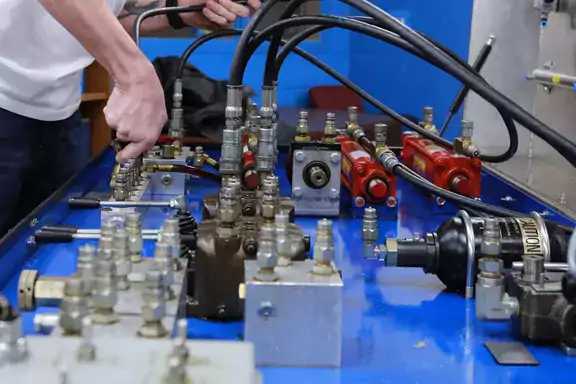
- Hydraulic and pneumatic tools
- Welding equipment for metal repairs
Credit: abtech.edu
Impact On Operational Efficiency
Industrial maintenance technology plays a crucial role in boosting operational efficiency across manufacturing and production facilities. It ensures that machines and systems run smoothly, preventing unexpected stoppages and maintaining steady workflows. Understanding its impact helps you see how maintenance strategies directly affect your bottom line.
Reducing Downtime
Unexpected equipment failures can halt your entire operation, costing time and money. Industrial maintenance technology focuses on predictive and preventive maintenance, allowing you to spot issues before they cause breakdowns.
Imagine catching a worn-out belt early rather than dealing with a complete machine shutdown. This proactive approach keeps your lines moving and reduces costly downtime dramatically.
Enhancing Equipment Lifespan
Proper maintenance extends the life of your machines. Regular checks and timely repairs prevent minor problems from becoming major failures.
Think about how replacing a small, cheap part on time saves you from buying an entirely new machine. This not only saves money but also maximizes your investments in equipment.
Optimizing Production Processes
Maintenance technology isn’t just about fixing things; it also helps improve how your production runs. Well-maintained equipment performs better, leading to smoother and faster production cycles.
Have you noticed how a clean, well-lubricated machine runs more efficiently? This optimization can increase your output and improve product quality without extra labor or materials.
Technological Innovations In Maintenance
Technological innovations in industrial maintenance technology have transformed how industries keep their equipment running smoothly. These advancements not only reduce downtime but also improve safety and efficiency. By embracing new tools and techniques, you can anticipate problems before they happen and maintain your operations with less hassle.
Automation And Robotics
Automation and robotics are changing the face of maintenance work. Robots can perform repetitive and dangerous tasks, like inspecting hard-to-reach machinery or handling hazardous materials.
Using automated systems allows your team to focus on more complex problems. For instance, robotic arms can clean and lubricate equipment with precision, reducing human error and saving time.
Have you considered how robots could take over routine maintenance tasks in your facility?
Predictive Maintenance With Iot
The Internet of Things (IoT) connects machines and sensors to provide real-time data on equipment health. This data helps you predict failures before they occur, avoiding costly breakdowns.
With IoT devices, you can monitor temperature, vibration, and pressure remotely. This continuous stream of information means you don’t have to wait for a problem to become visible—you catch it early and fix it promptly.
Imagine receiving an alert on your phone about a potential issue hours before it causes downtime. Wouldn’t that change how you schedule maintenance?
Use Of Ai And Machine Learning
Artificial intelligence (AI) and machine learning analyze vast amounts of maintenance data to find patterns humans might miss. These technologies can recommend the best times for repairs and optimize maintenance schedules.
For example, machine learning algorithms can learn from past failures and predict the lifespan of parts more accurately. This insight helps you save money by replacing parts only when necessary, not too early or too late.
How could smarter scheduling and precise predictions improve your maintenance budget and workflow?
Skills And Training For Technicians
Technicians in industrial maintenance technology need a strong skill set and proper training. Their work involves fixing and maintaining complex machines. Skills and training help them perform tasks safely and effectively. Knowledge must keep pace with new technology and equipment.
Training focuses on practical skills and technical understanding. It prepares technicians for challenges in various industrial environments. Continuous learning is essential to stay updated and improve problem-solving abilities.
Technical Knowledge Requirements
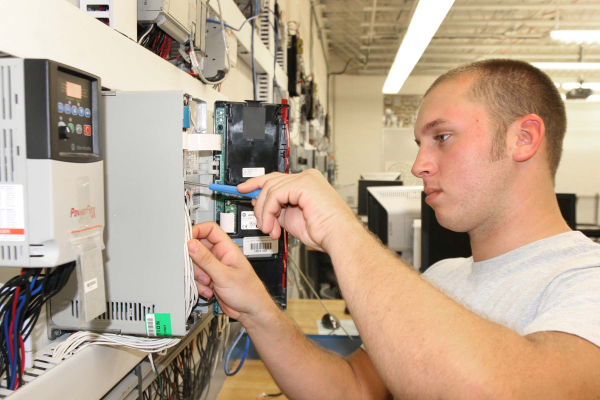
Technicians must understand mechanical, electrical, and electronic systems. They learn how machines work and how to repair them. Basic knowledge of hydraulics and pneumatics is also important. Familiarity with computer systems and software used in automation is needed. This technical knowledge forms the foundation of their daily tasks.
Certification And Continuous Learning
Certifications validate a technician’s skills and knowledge. Many employers require certifications for specialized equipment. Training programs and workshops help technicians improve their skills. Staying updated with industry standards ensures high-quality work. Continuous learning is a key part of career growth.
Problem-solving And Troubleshooting
Technicians must quickly identify and fix problems. They use logical thinking and experience to diagnose issues. Troubleshooting skills reduce downtime and save costs. Clear communication helps in understanding and solving machine faults. Being calm and patient improves the repair process.
Challenges In Industrial Maintenance
Industrial maintenance technology faces several tough challenges that directly impact the performance and reliability of manufacturing operations. Addressing these challenges requires not just technical skills but also strategic thinking and problem-solving. Understanding these obstacles can help you prepare better and keep your equipment running smoothly.
Managing Aging Equipment
Older machines often break down more frequently and need more frequent repairs. You might find that replacement parts are hard to get or expensive, which can slow down your work. Keeping aging equipment functional means you must be proactive with inspections and repairs before small problems become big failures.
Have you ever dealt with a machine that unexpectedly stopped production? That’s a common risk with aging equipment. Scheduling regular maintenance and using condition-monitoring tools can save you from costly downtime.
Balancing Cost And Efficiency
You have to juggle keeping expenses low while maintaining high productivity. Spending too much on maintenance can eat into profits, but skimping on upkeep often leads to bigger costs later. Finding the right balance means prioritizing repairs and upgrades that offer the best return on investment.
Consider creating a maintenance budget that focuses on critical systems. Use data from past repairs to spot patterns and predict when equipment might need attention. This approach helps you avoid unnecessary expenses and surprises.
Safety And Compliance Issues
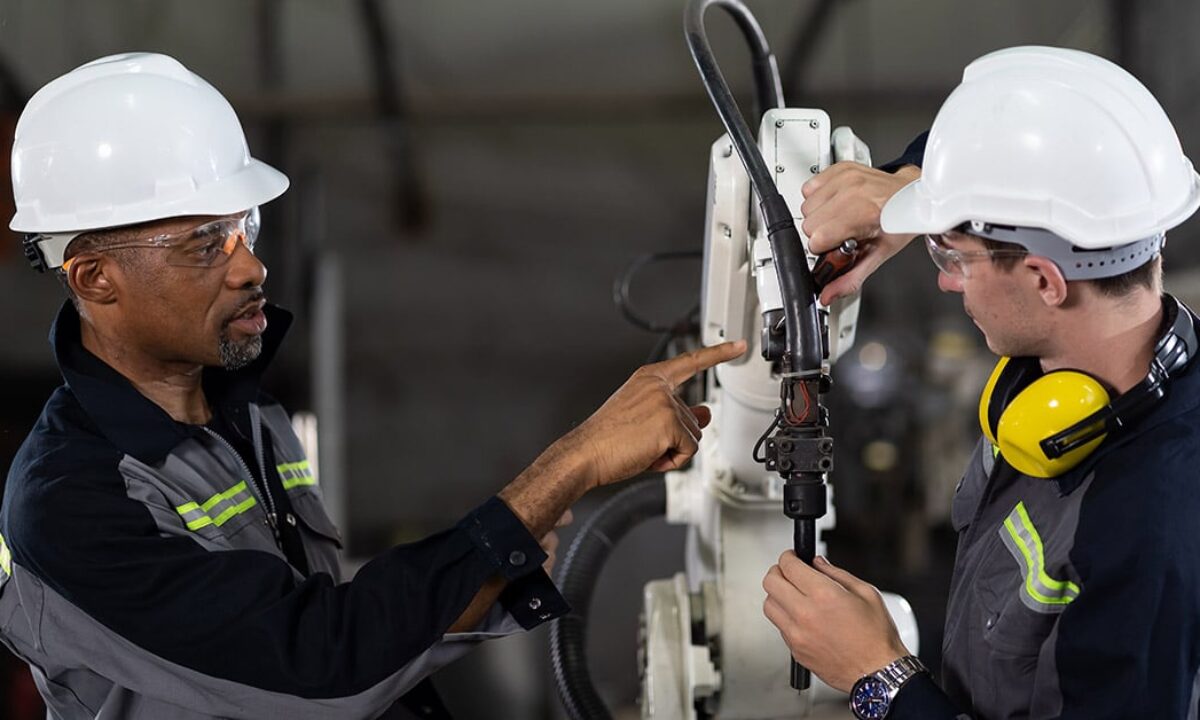
Working with industrial machines involves risks that you can’t ignore. Ensuring safety means following strict regulations and standards every day. Missing a safety check or ignoring compliance rules can put workers at risk and lead to fines or shutdowns.
Do you have a clear system to track safety inspections and employee training? Keeping records up to date and regularly reviewing safety protocols protects everyone and keeps your operation running without interruptions.
Credit: www.advancedtech.com
Future Trends In Industrial Maintenance
The future of industrial maintenance is evolving rapidly. New technologies change how machines are monitored and repaired. These trends improve efficiency and reduce downtime. Industrial maintenance technology adapts to meet modern factory needs. Understanding these trends helps businesses stay competitive.
Smart Factories And Maintenance
Smart factories use connected devices to monitor equipment continuously. Sensors collect real-time data on machine performance. Maintenance teams receive instant alerts about potential issues. This allows quick repairs before breakdowns occur. Automation reduces human error and speeds up processes. Smart factories make maintenance more proactive and less costly.
Sustainability And Energy Efficiency
Industries focus more on saving energy and reducing waste. Maintenance technology helps track energy use of machines. It identifies inefficient equipment and suggests improvements. Regular upkeep extends machine life, lowering the need for replacements. Sustainable practices reduce environmental impact and cut costs. Energy-efficient maintenance supports greener industrial operations.
Integration Of Digital Twins
Digital twins create virtual copies of physical machines. They simulate real-world conditions to predict failures. Maintenance teams use these models to test repairs safely. Digital twins improve accuracy in diagnosing problems. They help plan maintenance schedules more effectively. This technology reduces unexpected downtime and boosts productivity.
-resized-600.jpg?width=400&height=266&name=electronics_tech_img_9279_(2)-resized-600.jpg)
Credit: hub.hindscc.edu
Frequently Asked Questions
What Is Industrial Maintenance Technology?
Industrial maintenance technology involves maintaining and repairing machinery in manufacturing and production facilities. It ensures equipment runs efficiently and minimizes downtime.
Why Is Industrial Maintenance Technology Important?
It prevents costly equipment breakdowns and production delays. Proper maintenance improves safety, extends machine lifespan, and boosts overall productivity.
What Skills Are Needed For Industrial Maintenance Technology?
Key skills include mechanical repair, electrical troubleshooting, and automation knowledge. Strong problem-solving and technical expertise are essential for success.
How Does Industrial Maintenance Technology Impact Manufacturing?
It optimizes machine performance and reduces unexpected failures. This leads to smoother operations, lower costs, and higher product quality.
Conclusion
Industrial maintenance technology keeps machines running smoothly and safely. It helps prevent breakdowns and saves time and money. Skilled technicians fix issues and improve equipment performance. This field supports many industries by ensuring reliable production. A strong understanding of technology and tools is essential.
It offers good job opportunities and steady work. The role is practical and hands-on every day. Industrial maintenance technology plays a key part in modern industry success.