
When Electricity is Used are Electrons Consumed: Myth Busted
Have you ever wondered what happens at the atomic level when you switch on a light or charge your phone? You might be curious if electrons, the tiny particles that make up atoms, are somehow used up in the process of generating electricity.
This question taps into a fascinating aspect of physics and electricity that isn’t just for scientists—it’s something that affects you every day. Understanding this concept can empower you with knowledge about how the everyday appliances you rely on work, and how energy flows in the devices that surround you.
Dive into this electrifying topic to uncover whether electrons are consumed when electricity is used, and unravel the mystery of the invisible forces powering your world.
How Electricity Works
Electricity powers many parts of our daily life. It lights homes, runs appliances, and charges devices. Understanding how electricity works helps us see what happens inside wires and gadgets. It is all about tiny particles called electrons moving through circuits. This movement creates energy we can use.
Role Of Electrons In Circuits
Electrons are tiny particles that carry a negative charge. They move through materials called conductors, like copper wires. This flow of electrons creates an electric current. Circuits guide electrons along a path. Without electrons moving, devices cannot work.
Electrons do not get used up or disappear. They keep moving in a loop, powered by a source like a battery. The energy carried by electrons changes into light, heat, or motion. The electrons themselves remain in the circuit.
Electric Current Vs Electron Flow
Electric current is the flow of electric charge in a circuit. It is measured in amperes, or amps. Electron flow is the actual movement of electrons through the conductor. These two terms are related but different.
Current direction was defined before electrons were discovered. So, by convention, current flows from positive to negative. Electrons actually move from negative to positive. This is called electron flow. Both help explain how electricity moves and works.
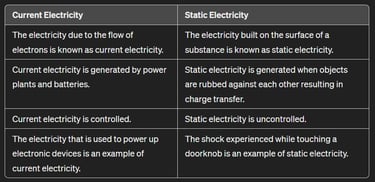
Credit: www.sakaarpcmb.com
Common Misconceptions About Electrons
Many people believe that using electricity means electrons get “used up” or disappear. This idea comes from how we talk about using things like fuel or food, which actually get consumed. But electrons behave very differently, and understanding this can change how you think about electricity in your daily life.
Do Electrons Get Used Up?
Electrons do not get used up when you use electricity. Instead, they flow through a circuit and return to their starting point, ready to move again. Think of it like a loop: electrons keep circulating rather than vanishing.
When you switch on a light, electrons move through the bulb, creating energy that lights it up. Afterward, they continue moving, so the number of electrons stays the same. This means that your electricity bill isn’t about electrons disappearing but about the energy they transfer.
Difference Between Energy And Electron Consumption
Energy and electrons are often confused as the same, but they are not. Electrons are tiny particles that carry electric charge, while energy is the ability to do work, like lighting your home or powering a device.
When electricity is used, energy is consumed, not electrons. The electrical energy moves through the electrons, which act as carriers. This is why devices need power sources to keep pushing energy through the electrons continuously.
Next time you turn on your TV, ask yourself: Are electrons really disappearing, or is it the energy being transferred through them? Understanding this can help you grasp how electricity works and why conserving energy matters.
Electron Behavior In Electrical Devices
Understanding how electrons behave inside electrical devices can clear up common misconceptions about electricity. Many wonder if electrons get “used up” when powering gadgets. Actually, electrons don’t vanish; they move and transfer energy to make your devices work.
Electrons In Conductors
Inside conductors like copper wires, electrons are free to move. These electrons act like a crowd at a concert, jostling but generally staying within the wire. When you connect a battery or power source, it pushes these electrons to flow in a specific direction, creating an electric current.
This flow is continuous, and the same electrons keep moving through the circuit. They don’t disappear; instead, they pass energy along like runners in a relay race. So, the metal wire remains full of electrons, but the energy travels through them.
Electron Movement In Appliances
In appliances, electrons flow through components like resistors, motors, and lights. As electrons move, they transfer energy to these parts, making them heat up, spin, or light. The electrons themselves don’t get consumed; they just lose some energy during the process.
Think about a fan in your room. The electrons flow through the motor, giving it energy to turn the blades. Once they leave the motor, they still exist and keep moving through the circuit back to the power source.
Have you ever considered how this continuous flow impacts your electricity bill? The energy used is about how much work the electrons do, not how many electrons are lost. This is a key insight for understanding electricity at home.
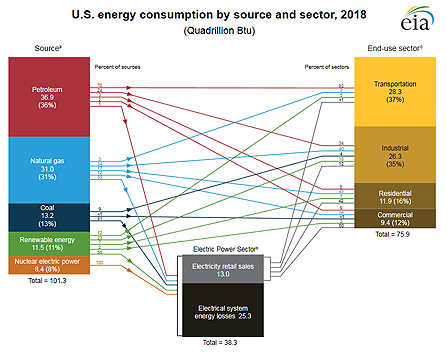
Credit: james-mcginniss.medium.com
Energy Transfer Without Electron Loss
Electricity powers homes, devices, and industries without using up electrons. Electrons move through wires but remain constant in number. The process involves transferring energy, not consuming particles.
How Energy Is Delivered
Electricity flows as a current of electrons through a circuit. These electrons carry energy from the power source to devices. Energy moves by pushing electrons, creating electrical power. The energy then changes form, such as light or heat, inside appliances.
The electrons themselves keep moving in a loop, back to the source. They do not disappear or get used up during this process. Energy transfer happens through movement and interaction, not loss of electrons.
Conservation Of Electrons In Circuits
Electrons are particles with a negative charge. They are always present in wires and circuits. The number of electrons stays the same, no matter how much electricity flows.
Circuits are closed loops allowing electrons to flow continuously. This continuous flow ensures electrons return to their starting point. The principle of conservation means electrons are not destroyed or created.
Devices use the energy carried by electrons, not the electrons themselves. This explains why electricity can power devices endlessly without losing electrons.
Scientific Evidence And Experiments
Scientific evidence and experiments provide clear insight into whether electrons are consumed during electricity use. Scientists have tested many circuits and devices to understand electron behavior. Their findings show that electrons do not disappear or get used up. Instead, electrons flow through the circuit, transferring energy without being lost.
Experiments use precise tools to observe electron movement and measure electric current. These studies confirm that electrons remain constant in number while powering devices. This section discusses key experiments and measurement techniques that prove electron conservation in electrical circuits.
Key Experiments Demonstrating Electron Conservation
Several classic experiments show electrons are not consumed during electricity use:
- Electrolysis Experiment:When electric current passes through water, hydrogen and oxygen form. Electrons flow but do not vanish. They simply move between electrodes.
- Thomson’s Cathode Ray Tube:Electrons travel through vacuum tubes. Their number remains steady, proving electrons are conserved in the flow.
- Faraday’s Laws of Electrolysis:These laws describe how electric charge relates to chemical change. The total charge (electrons) stays constant throughout the process.
These experiments consistently support the idea that electrons circulate and carry energy without being used up.
Measuring Electron Flow In Circuits
Measuring electron flow helps confirm their conservation. Tools like ammeters and galvanometers track electric current in circuits.
- Ammeter:Measures the amount of electric current flowing through a conductor. Current represents electron flow rate.
- Galvanometer:Detects small currents and shows electron movement direction.
- Oscilloscope:Visualizes current changes over time, illustrating steady electron flow.
These instruments prove electrons continuously move through the circuit. They do not disappear but transfer energy to devices.
Implications Of The Myth In Everyday Life
Many people believe that electrons get used up when electricity powers their devices. This misunderstanding can affect how you think about your energy use and safety at home. Clearing up this myth can change your approach to handling electrical systems and energy consumption.
Impact On Electrical Safety
Thinking electrons are consumed might make you underestimate the importance of proper electrical safety. You might assume electricity is ‘gone’ after use, ignoring the continuous flow needed for devices to work safely. This could lead to risky behaviors like ignoring faulty wiring or overloaded circuits.
Knowing electrons flow in a circuit continuously helps you appreciate why circuit breakers and fuses exist. They protect you by stopping the flow if something goes wrong, not by stopping a supply of ‘used-up’ electrons. When you respect this, you pay more attention to maintenance and safety checks.
Effect On Energy Efficiency Understanding
If you think electrons are used up, you might misunderstand how to save energy. Energy efficiency is about reducing the amount of electrical energy your devices consume, not about preserving electrons themselves. This shift in thinking can help you focus on smarter habits, like unplugging devices when not in use or choosing energy-efficient appliances.
Have you ever left a charger plugged in all day, thinking it doesn’t use much power? This myth might make you believe no electrons are wasted, but in reality, energy is still being drawn. Understanding how electrons flow without being consumed lets you see where energy leaks happen and how to stop them.

Credit: vibms.com
Frequently Asked Questions
Are Electrons Consumed When Electricity Is Used?
No, electrons are not consumed. They flow through a circuit, transferring energy without being used up or destroyed.
How Do Electrons Behave In An Electrical Circuit?
Electrons move through conductors, creating electric current by transferring energy from power sources to devices.
Can Electricity Run Out If Electrons Are Lost?
Electricity does not run out due to electrons. Energy sources deplete, but electrons continuously flow in circuits.
What Happens To Electrons After Powering Devices?
Electrons return to the power source, completing the circuit and allowing continuous energy transfer in the system.
Conclusion
Electricity flows because electrons move through wires. Electrons are not used up or lost. They keep moving, powering devices continuously. Energy changes form but electrons stay the same. This means electricity does not consume electrons. Understanding this helps clear common confusion.
Electricity is about energy transfer, not electron consumption. Keep this fact in mind when learning about electricity. It makes the topic easier to grasp. Simple science, clear ideas.