

How Much is the Wearable Technology Industry Worth: Market Insights 2025
Have you ever wondered just how much the wearable technology industry is worth? It’s more than just a trend—it’s a booming market that’s transforming how you live, work, and play.
Whether it’s tracking your fitness, monitoring your health, or enhancing your personal style, wearables have become an essential part of everyday life. But what does this mean for you and the future? The numbers might surprise you and offer insights into where your next tech investment could be.
Ready to discover the true value of this dynamic industry? Keep reading to uncover the exciting facts and figures that drive this technological revolution.
Credit: www.fortunebusinessinsights.com
Market Size And Growth
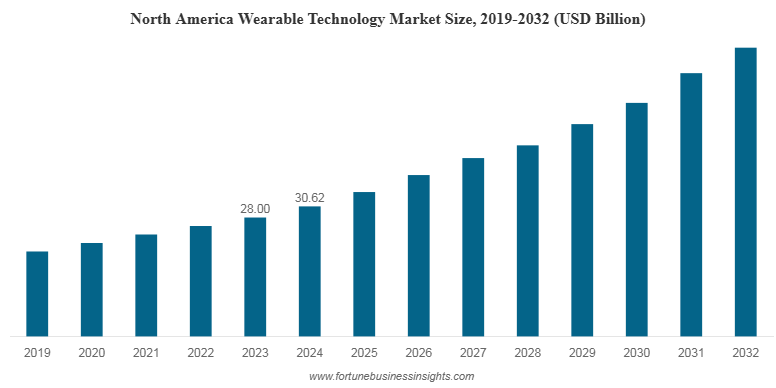
The wearable technology industry has rapidly evolved from simple fitness trackers to sophisticated devices that monitor health, enhance productivity, and even support augmented reality experiences. Understanding the market size and growth helps you grasp the scale of this transformation and spot opportunities for your business or personal use. Let’s look at where the industry stands today and where it’s heading.
Current Market Valuation
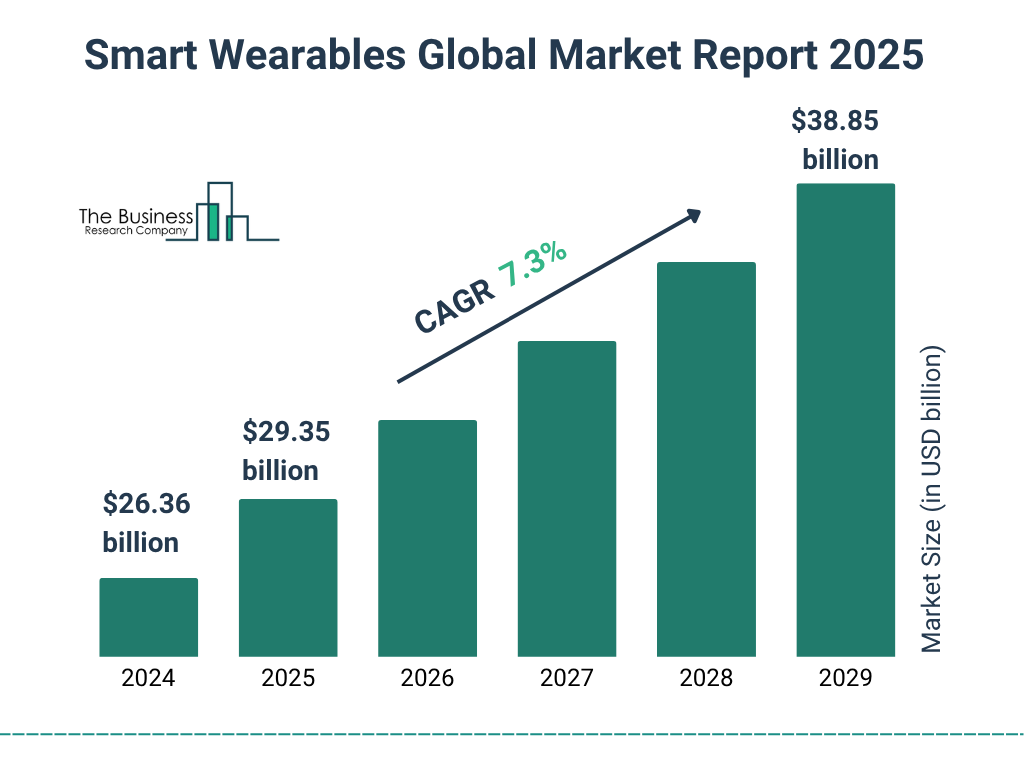
The global wearable technology market is currently valued at over $80 billion. This valuation covers a wide range of devices, including smartwatches, fitness bands, smart glasses, and medical wearables. The surge in consumer interest and the integration of advanced sensors have played a big role in reaching this impressive figure.
Projected Growth Rates
Experts expect the wearable tech market to grow at a compound annual growth rate (CAGR) of around 15-20% over the next five years. This means the market could double or even triple by 2030. Such growth is fueled by increasing adoption in healthcare, sports, and even workplace safety sectors.
Key Growth Drivers
- Health and Fitness Awareness:People want more control over their health data, making devices like heart rate monitors and sleep trackers popular.
- Technological Advances:Better batteries, smaller chips, and AI-powered features make wearables more useful and attractive.
- Corporate Adoption:Businesses use wearables to improve employee safety and productivity, especially in industries like manufacturing and logistics.
- Integration with Smartphones:Seamless connection with mobile devices boosts the appeal of wearables for everyday use.
Think about your own habits—have you ever checked your smartwatch to track your steps or monitor your heart rate? That simple action reflects the larger trend driving this market’s growth. What kind of wearable tech could make your daily life easier or healthier?
Leading Product Categories
The wearable technology industry spans several key product categories, each driving significant growth and innovation. Understanding these categories helps you grasp where investments and consumer interest are focused. Let’s look at the main types of wearables that shape this market.
Smartwatches And Fitness Bands
Smartwatches and fitness bands are the most popular wearables worldwide. They combine style with functionality, tracking your steps, heart rate, and even sleep patterns. I once started wearing a fitness band and noticed how small daily habits changed when I saw my activity data in real time.
These devices appeal to a broad audience, from casual users wanting basic health stats to athletes needing detailed performance data. Brands like Apple, Fitbit, and Garmin dominate this space, generating billions in revenue annually. Would you choose a smartwatch mainly for its health features or its convenience in daily life?
Health Monitoring Devices
Health monitoring devices go beyond simple fitness tracking to provide medical-grade data. This category includes wearables that monitor blood pressure, glucose levels, and oxygen saturation. They are increasingly used by patients and healthcare providers to manage chronic conditions remotely.
These devices have a direct impact on improving health outcomes. For example, continuous glucose monitors help diabetics manage their condition more effectively without constant finger pricks. Imagine how this level of health insight could change your approach to wellness.
Augmented Reality Wearables
Augmented reality (AR) wearables blend the digital world with your physical surroundings. Smart glasses and AR headsets enhance how you work, play, and learn by overlaying useful information in real time. Companies like Microsoft and Magic Leap are pushing this technology into industries like manufacturing and education.
While AR wearables are not as widespread as smartwatches yet, their potential is enormous. Think about having step-by-step instructions displayed right in front of your eyes during a repair job or immersive training scenarios that feel incredibly real. Could AR wearables become as essential as your smartphone in the near future?
Regional Market Trends
The wearable technology industry shows diverse growth patterns across different regions. Each market has unique drivers and challenges that shape its development. Understanding these regional trends can help you identify where opportunities lie and how consumer preferences vary globally.
North America
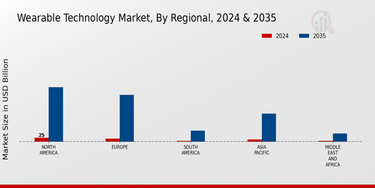
North America leads in wearable tech adoption, thanks to high consumer awareness and advanced healthcare infrastructure. Smartwatches and fitness trackers dominate the market, with brands like Apple and Fitbit playing major roles.
Healthcare applications are expanding rapidly here, with devices helping monitor chronic conditions. Have you noticed how your own smartwatch nudges you to stay active? This personalized health focus is a key growth factor.
Europe
Europe’s wearable market grows steadily, driven by demand for health monitoring and luxury fashion tech. Countries like Germany and the UK invest heavily in integrating wearables with healthcare systems.
Consumers here value data privacy more than anywhere else, influencing product design. If you prioritize security, European-made devices might appeal to you for their strong privacy features.
Asia-pacific
The Asia-Pacific region is the fastest-growing market for wearable technology. Rising disposable incomes and tech-savvy younger populations fuel demand, especially in China, Japan, and India.
Local companies are innovating with affordable options tailored to regional tastes. Imagine getting a feature-rich smartwatch without breaking your budget—this is common in APAC markets.
Emerging Markets
Emerging markets in Latin America, Africa, and the Middle East show promising potential despite slower adoption. Increased smartphone penetration and improving internet infrastructure set the stage for growth.
Cost remains a barrier, but partnerships between local firms and global brands are making wearables more accessible. Could a low-cost fitness tracker be your next health buddy?
Consumer Demographics
Understanding who uses wearable technology is key to grasping the industry’s value. Consumer demographics reveal more than just age or gender—they show how different groups interact with and benefit from these devices. Knowing these details helps you see where the market is heading and where your interest might fit in.
Age And Gender Insights
Wearable tech appeals to a wide age range, but certain groups stand out. Young adults between 18 and 34 are the most active users, drawn by fitness tracking and smart notifications. However, middle-aged users, especially those over 40, are adopting wearables for health monitoring, like heart rate and sleep tracking.
Gender also plays a role. Women tend to prefer wearables focused on health and wellness, while men often lean toward devices with fitness and sports features. Understanding these preferences helps you choose a device that fits your lifestyle perfectly.
Usage Patterns
People use wearables in different ways depending on their goals. Some wear smartwatches mainly to stay connected without checking their phones constantly. Others rely on fitness bands to track daily steps and workout progress.
Many users report wearing their devices all day and night, valuing continuous health data. This constant usage shows how these gadgets have moved beyond being a fad—they’re now part of everyday life for many.
Adoption Rates
Adoption rates of wearable technology have grown steadily over the past decade. Early adopters were mostly tech enthusiasts, but now the general population is catching on. This growth is driven by better affordability and improved features.
Have you noticed how more people around you wear smartwatches or fitness trackers? This trend reflects how quickly adoption is spreading. If you haven’t tried one yet, you might wonder what you’re missing out on.
Technological Innovations
Technological innovations have driven the wearable technology industry’s rapid growth. These advancements enhance device functions and user experience. They push the limits of what wearables can do in health, fitness, and daily life.
Advances In Sensors
Sensors now detect more health metrics with greater accuracy. New sensors track heart rate, blood oxygen, sleep patterns, and even stress levels. Smaller, flexible sensors fit comfortably on the skin. This progress makes wearables more reliable and useful for users.
Battery Life Improvements
Battery life is critical for wearable devices. Recent breakthroughs extend usage time without increasing size. Energy-efficient chips and power-saving modes reduce battery drain. Fast-charging technology also allows quick recharges. Longer battery life means users wear devices all day without worry.
Integration With Iot
Wearables now connect seamlessly with smart home and IoT devices. This integration lets users control lights, thermostats, and security from their wrist. Data from wearables syncs with other smart devices for a smoother experience. IoT connectivity broadens wearable functions beyond health and fitness.
Credit: www.thebusinessresearchcompany.com
Competitive Landscape
The wearable technology industry features fierce competition among many companies. Each player aims to attract consumers with unique features and designs. Innovation drives growth as firms race to improve devices. This competitive landscape shapes market trends and consumer choices.
Major Industry Players
Leading companies dominate the wearable technology market. These include well-known brands like Apple, Samsung, Fitbit, Garmin, and Xiaomi. Each offers a variety of products such as smartwatches, fitness trackers, and smart glasses. Their strong brand presence helps capture large customer bases.
Market Share Analysis
Apple holds the largest share of the global wearable market. Samsung and Xiaomi follow with significant portions. Fitbit and Garmin focus on fitness-oriented devices and maintain steady shares. Market share fluctuates with new product launches and changing consumer preferences.
Recent Mergers And Acquisitions
Companies expand by merging or acquiring smaller firms. This strategy helps gain new technologies and access to different markets. Recently, Fitbit was acquired by Google to boost its health tech offerings. Other deals focus on improving software, hardware, and global reach.
Challenges And Opportunities
The wearable technology industry is growing fast, but it faces several challenges that could slow down its progress. At the same time, new opportunities keep appearing, pushing the market to expand in unexpected ways. Understanding these challenges and opportunities can help you make smarter decisions whether you’re a user, developer, or investor.
Privacy And Security Concerns
Wearable devices collect a lot of personal data, from your heart rate to your location. This raises serious questions about how that data is stored and shared.
You might wonder: how safe is your information? Companies must invest more in strong encryption and transparent data policies to build trust with users.
Without addressing privacy risks, users may hesitate to adopt new wearable tech, which could limit market growth.
Regulatory Environment
Rules around wearable technology vary widely across countries and regions. Some governments have strict regulations on data protection, while others are more relaxed.
This patchwork of laws creates hurdles for companies trying to sell their products globally. It also impacts how quickly new innovations can reach you.
Would clearer and more consistent regulations speed up the wearable tech revolution? Many experts believe so.
Emerging Use Cases
Wearables are no longer just about fitness tracking or notifications. They are increasingly used in healthcare, workplace safety, and even mental health monitoring.
Imagine a device that alerts you to early signs of illness or helps manage stress during a busy day. These new uses open doors for growth and user engagement.
Are you ready to explore how wearables can improve your daily life beyond just counting steps?
Credit: www.marketresearchfuture.com
Future Market Outlook
The future of the wearable technology industry is shaping up to be dynamic and full of opportunities. As devices become smarter and more integrated into daily life, the market’s value is expected to soar. Understanding what lies ahead can help you make informed decisions, whether you’re a consumer or an investor.
Predicted Industry Trends
Wearable tech will continue moving beyond fitness tracking. Expect advances in health monitoring, such as continuous glucose tracking and mental health sensors.
Smartwatches and earbuds will get better at personalizing your experience using AI. This means your devices will anticipate your needs and adjust settings automatically.
Integration with smart home systems will deepen. Imagine your wearable communicating with your thermostat or lights to create a more comfortable environment without any manual input.
Potential Disruptions
Privacy concerns could challenge the growth of wearables. How comfortable are you sharing your health data with companies? This question might affect adoption rates.
Battery life remains a hurdle. Devices that require frequent charging may lose appeal unless new energy solutions emerge.
New players from unexpected industries, like fashion or automotive, could disrupt the market by combining style and tech in fresh ways. Would you prefer a wearable that looks like high-end jewelry or a car accessory?
Investment Prospects
Investing in wearable tech startups focused on medical applications shows promise. These companies often attract partnerships with healthcare providers.
Big tech firms continue to pour resources into improving sensors and AI algorithms. Watch how their innovations might open new revenue streams.
Consider the growing market for specialized wearables, such as for athletes or elderly care. These niches could offer steady growth rather than the crowded general consumer market.
Frequently Asked Questions
How Much Is The Wearable Technology Industry Worth Today?
The wearable technology industry is valued at over $100 billion globally as of 2024. Growth is driven by health, fitness, and smart device demand.
What Factors Influence Wearable Technology Market Growth?
Key factors include rising health awareness, tech advancements, and increasing adoption of smartwatches and fitness trackers worldwide.
Which Regions Lead The Wearable Technology Market?
North America and Asia-Pacific dominate the market, driven by tech hubs, consumer demand, and strong healthcare infrastructure.
How Fast Is The Wearable Technology Industry Growing?
The industry grows at an annual rate of approximately 15%, fueled by innovation and expanding consumer applications.
Conclusion
The wearable technology industry shows strong growth and great potential. Consumers use these devices for health, fitness, and daily convenience. Businesses invest in new features to meet user needs. Experts predict steady market value increase in the coming years. This trend suggests wearables will become part of everyday life.
Staying informed helps you understand this fast-changing field. The future holds many chances for innovation and expansion. Wearable technology is here to stay and keep evolving.


