What is Wearable Technology Health: Revolutionizing Wellness Today
Imagine a world where your watch not only tells you the time but also tracks your heart rate, counts your steps, and even monitors your sleep patterns. This isn’t a scene from a sci-fi movie; it’s the reality of wearable technology in health.
If you’ve ever wondered how those sleek gadgets on your wrist or those intelligent fitness trackers clipped to your waistband can impact your well-being, you’re in the right place. You might be asking yourself, “What exactly is wearable technology health?
” And “How can it benefit me? ” These compact devices are more than just trendy accessories; they are powerful tools that can transform how you manage your health and fitness. As you delve deeper into this article, you’ll discover the fascinating ways wearable tech can enhance your lifestyle, offering insights and advantages you may never have considered. So, are you ready to unlock the potential of wearable technology and take charge of your health like never before? Let’s dive in and explore the incredible world of wearable tech!
Wearable Tech In Health
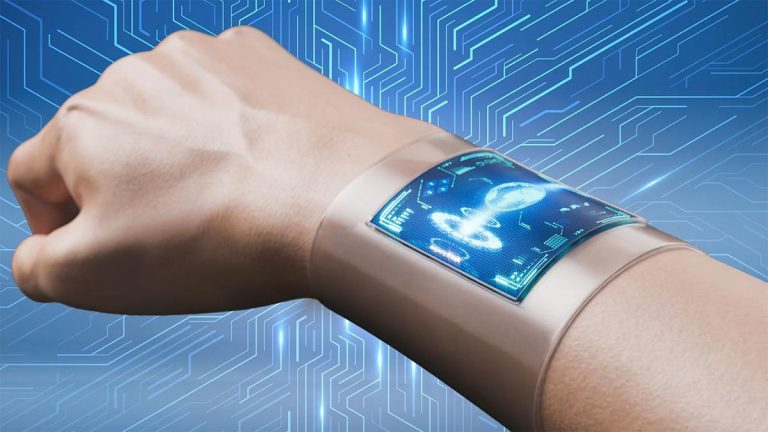
Wearable technology in health is changing how you track and manage your well-being every day. These devices offer real-time data about your body’s vital signs, activity levels, and even sleep patterns. Imagine having a personal health assistant on your wrist or clipped to your clothes, helping you make smarter health choices.
Types Of Wearable Devices
Wearable health devices come in many forms, designed to fit your lifestyle and health needs. Popular options include:
- Fitness trackers:These monitor steps, calories burned, and heart rate to keep you active.
- Smartwatches:Beyond telling time, they offer health apps, notifications, and ECG monitoring.
- Wearable ECG monitors:Ideal for those needing detailed heart health data.
- Continuous glucose monitors (CGMs):Vital for people managing diabetes, tracking blood sugar levels throughout the day.
- Sleep trackers:Help you understand and improve your sleep quality.
Each device serves a unique purpose, so consider what health goal you want to focus on before choosing one.
Key Features And Sensors
The power of wearable tech lies in its sensors. These small but smart components collect your health data seamlessly. Common sensors include:
- Accelerometers:Track movement and physical activity intensity.
- Heart rate monitors:Measure your pulse continuously or on demand.
- Gyroscopes:Detect changes in orientation, useful for balance and fall detection.
- Optical sensors:Use light to monitor blood oxygen levels and heart rate.
- Electrochemical sensors:Measure glucose, sweat, or other biofluids for deeper health insights.
These sensors work together to paint a detailed picture of your health. Have you noticed how easy it is to check your heart rate on a watch rather than scheduling a doctor’s visit? This convenience can motivate you to stay on top of your health daily.
Tracking Fitness And Activity
Wearable technology has changed how people track fitness and activity. These devices collect data to help users understand their daily movements and health better. They are small, easy to wear, and provide real-time feedback. This feedback motivates users to stay active and improve their health step by step.
Step Counters And Heart Rate Monitors
Step counters track how many steps a person takes each day. They encourage users to move more by setting daily goals. Heart rate monitors measure how fast the heart beats during rest and exercise. This data shows how hard the body is working. Together, they help users improve fitness levels safely and effectively.
Sleep Tracking And Recovery
Sleep tracking records the quality and length of sleep each night. Good sleep is key for recovery and overall health. Wearables identify sleep stages and interruptions. This information helps users create better sleep habits. Recovery data supports planning workouts and rest days for balanced health.
Health Monitoring And Diagnosis
Health monitoring and diagnosis through wearable technology has changed how you manage your wellness daily. These devices gather real-time data, helping you and your healthcare provider catch potential health issues early. The ability to track your body’s signals continuously offers a new level of insight into your health.
Chronic Disease Management
If you have a chronic condition like diabetes or heart disease, wearable technology can be a game-changer. These devices help you keep track of important health metrics such as glucose levels or heart rhythms without frequent hospital visits. You get immediate alerts if something is off, allowing you to act quickly and possibly avoid emergencies.
Imagine receiving a notification on your wrist that your blood sugar is dropping dangerously low. This kind of timely information helps you make better decisions about your medication, diet, or activity. Wouldn’t you want that kind of support to maintain your independence and improve your quality of life?
Real-time Vital Signs Monitoring
Wearables provide constant monitoring of vital signs like heart rate, blood pressure, and oxygen levels. This data is invaluable for spotting trends or sudden changes that could indicate health issues. Instead of waiting for the next doctor’s appointment, you have a window into your body’s current state anytime you want.
For example, athletes use this information to optimize training and recovery, while older adults can detect early signs of trouble before symptoms appear. How often do you wish you could know exactly what your body is doing right now? Real-time monitoring brings that power to your fingertips.
Mental Wellness And Stress Management
Mental wellness and stress management have become essential parts of our daily health routine. Wearable technology now offers practical ways to support your mind as much as your body. These devices help you stay aware of your mental state and provide tools to calm your mind when stress strikes.
Mindfulness And Meditation Tools
Wearable devices often come with built-in mindfulness and meditation guides. They lead you through breathing exercises or timed meditation sessions, making it easier to practice relaxation regularly.
For example, some smartwatches vibrate gently to remind you to pause and breathe. This small nudge can break your cycle of stress and help you reset during a busy day. Have you ever noticed how just a few minutes of focused breathing can change your mood?
Many wearables also track your progress, showing how consistent meditation lowers your heart rate over time. Seeing these improvements can motivate you to keep going.
Stress Level Detection
Wearable technology uses sensors to detect signs of stress through changes in heart rate, skin temperature, and even sweat levels. This real-time monitoring helps you catch stress before it overwhelms you.
Imagine receiving an alert on your wrist that your stress levels are rising—this gives you a chance to act early. You might decide to take a short walk, practice deep breathing, or listen to calming music.
Some devices also offer personalized tips based on your stress data, helping you understand what triggers your tension. Would knowing your stress patterns help you manage your day better?
Data Privacy And Security
Data privacy and security are crucial when using wearable technology for health monitoring. These devices collect detailed personal health information that, if mishandled, can lead to serious privacy breaches. Understanding how your data is protected and the role of user consent can help you use these technologies confidently.
Protecting Sensitive Health Data
Your health data is extremely personal. Wearable devices store information like heart rate, sleep patterns, and activity levels, which can reveal a lot about your lifestyle and well-being.
Manufacturers use encryption to protect this data during transmission and storage. Encryption acts like a secret code, making the data unreadable to hackers. But security depends on the strength of these measures and how regularly the devices get software updates.
Think about apps you’ve used that asked for permissions. Are you sure they only access what’s necessary? You should regularly review app permissions and delete data you no longer want shared.
User Consent And Regulations
Before any wearable device collects your health data, it should ask for your clear permission. This consent gives you control over what information is collected and how it is used.
Regulations like GDPR in Europe and HIPAA in the US set strict rules for companies handling health data. These laws require transparency and give you rights to access, correct, or delete your information.
Have you ever read a privacy policy thoroughly? It’s easy to skip, but it’s where you learn how your data is protected. If a company doesn’t provide clear information, consider whether you want to share your data with them.
Future Trends And Innovations
Wearable technology in health is constantly evolving, opening new doors for how you can monitor and improve your well-being. The future of these devices promises smarter, more precise, and highly personalized health insights. Imagine a wearable that not only tracks your steps but also predicts health issues before they arise.
Ai Integration In Wearables
Artificial intelligence is becoming a core feature in wearable health devices. It helps analyze the vast amounts of data these devices collect, turning raw numbers into meaningful advice tailored to your lifestyle.
For example, AI can learn your daily habits and suggest changes to improve sleep quality or manage stress. This kind of personalization makes your wearable feel more like a health coach than just a tracker.
Have you noticed your device adapting its feedback based on your progress? That’s AI working behind the scenes, making your health journey more effective and less overwhelming.
Advanced Biometric Sensors
The future will bring sensors capable of measuring more than just heart rate or steps. New biometrics like hydration levels, blood glucose, and even blood pressure are becoming measurable through wearables.
These sensors offer real-time data that can alert you to potential health problems before symptoms appear. Imagine receiving a notification about early signs of dehydration or a spike in blood sugar while you’re still feeling fine.
These advancements mean you can take control of your health with timely information, reducing visits to the doctor and catching issues early. What new biometric data would you want your wearable to track?
Frequently Asked Questions
What Is Wearable Technology In Health?
Wearable technology in health refers to devices worn on the body that monitor health metrics. These gadgets track heart rate, sleep, activity, and more. They provide real-time data to improve wellness and manage medical conditions.
How Do Wearable Health Devices Work?
Wearable health devices use sensors to collect data like heart rate and movement. This data is processed and displayed on connected apps. They offer insights for fitness, health monitoring, and early detection of health issues.
What Are The Benefits Of Health Wearables?
Health wearables help users track fitness goals and manage chronic conditions. They promote better lifestyle choices by providing personalized health data. These devices also improve patient care through continuous health monitoring.
Are Wearable Health Devices Accurate?
Wearable health devices offer reasonably accurate data for everyday health monitoring. However, they are not substitutes for professional medical equipment. Accuracy varies by device type and usage conditions.
Conclusion
Wearable technology health devices help track daily activities and vital signs. They support better health choices and motivate active lifestyles. Many people use them to monitor heart rate, sleep, and exercise. These devices offer easy access to personal health data anytime.
Staying informed can lead to healthier habits and early problem detection. Technology keeps improving, making wearables more useful and affordable. Wearing a health device can be a simple step toward well-being. Small changes can make a big difference over time.