Why Women Don’T Buy Wearable Technology: Shocking Truths Revealed
Have you ever wondered why wearable technology seems to appeal more to men than women? You’re not alone.
Despite the rapid growth of gadgets like smartwatches and fitness trackers, many women are steering clear of these high-tech accessories. Could it be the bulky designs, the lack of fashionable options, or maybe even privacy concerns? The reasons are as varied as they are intriguing.
By understanding these factors, you can gain insights into what drives purchasing decisions and how the tech industry might be missing the mark. Stick with us as we delve into the fascinating world of wearable technology and uncover why it might not be the go-to choice for many women. Your perspective on tech shopping might just change by the end of this article.
Market Trends In Wearable Tech
Understanding the market trends in wearable technology reveals important clues about why many women hesitate to buy these devices. The industry has made great strides, but the adoption rate among women still lags behind. What does the data say about who is using wearables today and how women’s engagement is evolving?
Current User Demographics
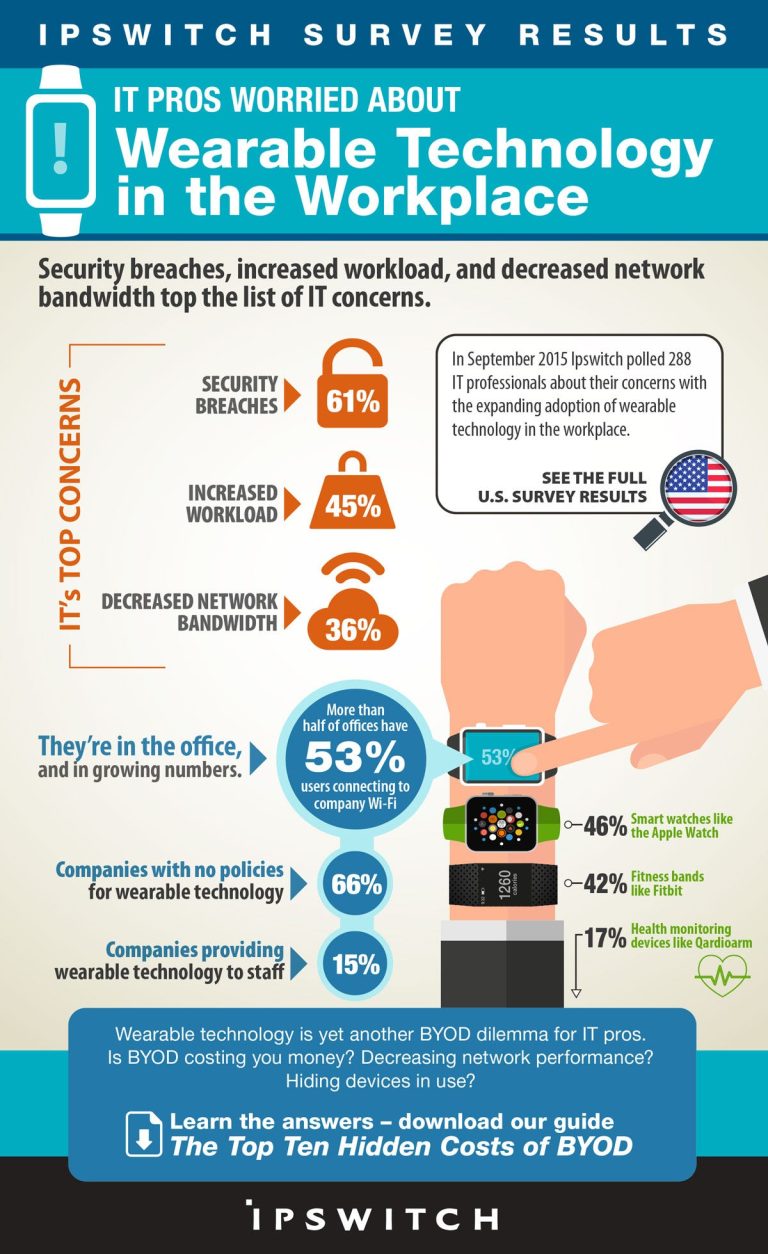
Wearable tech users are predominantly younger men, especially those interested in fitness and gadgets. Studies show that men make up about 60-65% of wearable device owners worldwide.
Women tend to prefer devices that combine style with functionality, but many current models focus heavily on technical features rather than aesthetics. This mismatch often leaves women feeling the products aren’t designed with their needs in mind.
Are you surprised to learn that many women avoid wearables simply because they don’t see themselves reflected in the design or marketing? This gap highlights a missed opportunity for brands to connect authentically.
Growth Patterns Among Women
Despite lower initial adoption, wearable tech use among women is growing steadily. Some reports indicate a year-over-year increase of 10-15% in female users, fueled by health-focused features like menstrual tracking and stress monitoring.
This trend suggests women are more likely to buy wearables when the benefits align closely with their personal health goals. However, the market still lacks enough options that feel personalized and user-friendly.
What if companies started designing wearables around women’s real experiences rather than generic assumptions? You might find more women eager to embrace the technology once it truly fits their lifestyle.
Credit: www.t3.com
Design Flaws Affecting Appeal
Design flaws play a huge role in why many women hesitate to buy wearable technology. These devices often miss the mark when it comes to what women truly want and need. The result? Products that feel more like gadgets than accessories, leaving you feeling disconnected rather than empowered.
Aesthetic Preferences Overlooked
Many wearable devices look bulky or masculine, ignoring the variety of styles women prefer. Sleek, elegant, or subtle designs are often sacrificed for tech-heavy appearances. Have you ever noticed how few options there are that blend seamlessly with your everyday outfits?
Women want wearables that complement their style, not clash with it. Colors, shapes, and materials matter. When these elements are ignored, the appeal drops fast, no matter how advanced the technology inside might be.
Comfort And Fit Issues
Comfort is non-negotiable if you want to wear a device all day. Unfortunately, many wearables are designed with a one-size-fits-all mentality. This often leads to straps that are too loose or too tight and shapes that don’t adapt to different wrist sizes or body types.
Imagine wearing a device that constantly pinches or slides around during your daily activities. Would you reach for it every morning? Most women won’t. Prioritizing adjustable, ergonomic designs can make a huge difference in both comfort and regular use.
Functionality Gaps For Women
Many wearable technologies do not fully meet women’s needs. This gap affects how women perceive and use these devices. Brands often design with a general user in mind, missing key features women want.
Wearables can track health, fitness, and daily activity. But some important health aspects unique to women are overlooked. This leads to lower interest and trust in these products.
Health Features Missing The Mark
Wearables often lack tools for women’s specific health concerns. Menstrual cycle tracking is sometimes basic or inaccurate. Fertility tracking is rare or not reliable enough.
Pregnancy-related features are limited or missing. Women want devices that support their hormonal and reproductive health. Stress and sleep tracking also need to consider female biology better.
Limited Customization Options
Many wearables offer few choices for style and fit. Women prefer smaller, lighter devices that suit different wrist sizes. Color and design options are often geared toward men’s tastes.
Function settings rarely allow personalization for women’s unique routines. Custom alerts, health goals, and data displays can feel generic. This lack of adaptability reduces the device’s usefulness for women.
Marketing Strategies Falling Short
Marketing strategies for wearable technology often miss the mark when it comes to attracting women. Many campaigns seem designed with men in mind, ignoring what truly motivates female buyers. This disconnect leaves a significant gap that technology brands fail to bridge, impacting sales and brand loyalty among women.
Targeting Male Audiences
Many wearable tech ads and promotions focus heavily on male interests, such as fitness tracking for hardcore athletes or gaming integrations. This narrow focus sidelines women who might value health monitoring, style, or convenience more than raw performance stats.
Think about the last wearable ad you saw—did it feature women or speak to their unique needs? If not, brands are missing a huge opportunity to connect on a personal level with half the market.
Lack Of Female-centric Campaigns
Campaigns rarely highlight features that appeal specifically to women, like menstrual cycle tracking, fashion-forward designs, or user-friendly interfaces. Without these tailored messages, women often feel these products aren’t made for them.
Brands should consider designing campaigns that focus on real-life female experiences and challenges. Have you ever noticed how some brands use relatable stories or visuals that speak directly to women’s daily routines? That approach creates trust and relevance.
Price Sensitivity And Value Perception
Price sensitivity and value perception play a crucial role in why many women hesitate to buy wearable technology. Women often weigh the cost against the real benefits they expect to gain. If the price feels too high compared to what they perceive as useful, hesitation sets in quickly.
Cost Vs. Benefits For Women
Many women carefully evaluate what wearable tech offers against its price tag. If a device promises fitness tracking but lacks customization for women’s specific health needs, its value drops significantly. You might wonder, why spend $200 on a gadget that doesn’t truly fit your lifestyle?
Women often look for features that justify the cost, such as accurate health monitoring, style options, and ease of use. If those elements don’t align, the price feels less reasonable. This practical approach means wearable brands must clearly communicate benefits tailored to women’s daily routines.
Alternative Priorities In Spending
Spending priorities can differ greatly. For many women, funds may go towards things that feel more essential or enjoyable, like experiences, wellness programs, or quality clothing. These alternatives often deliver more immediate or visible value.
Think about your own spending habits—would you choose a smartwatch over a weekend getaway or a new pair of shoes? This choice reflects how value is perceived beyond just technology. Brands need to challenge themselves to offer not just a product, but a compelling reason for you to prioritize wearable tech over other expenses.
Privacy And Data Concerns
Privacy and data concerns play a big role in why many women hesitate to buy wearable technology. These devices collect a lot of personal information, from health data to location tracking. This raises serious questions about how safely this data is stored and used.
Security Fears
Many women worry that wearable devices could be hacked or leak sensitive information. Imagine your daily routine or health details being exposed without your permission. This fear isn’t unfounded—there have been cases where wearable tech has been targeted by cybercriminals.
Security isn’t just about hackers. It’s also about how companies protect your data internally. If the device or app isn’t designed with strong security measures, your information could be vulnerable to unauthorized access.
Trust Issues With Brands
Trust plays a huge part in deciding whether to buy wearable tech. If you don’t believe a brand will respect your privacy, you’re unlikely to invest in its products. Some companies have unclear privacy policies, making it hard to know what happens to your data.
Think about a time you shared your location or health information with an app and later found out it was sold to advertisers. That experience can make you wary of new devices. Brands need to be transparent and give you control over your data to earn your confidence.
Cultural And Social Influences
Cultural and social influences shape how women view wearable technology. These influences affect their choices and comfort levels with new gadgets. Understanding these factors reveals why many women hesitate to buy wearable tech.
Social Norms Impacting Adoption
Social norms define what is acceptable for women to wear and use. In many cultures, technology is seen as a male interest. This perception discourages women from adopting wearable devices.
Wearables often look bulky or too tech-focused. This clashes with traditional ideas of feminine style. Women may avoid wearables to fit social expectations about appearance.
Privacy concerns also arise from social norms. Some women fear being monitored or judged for using tracking devices. This creates resistance to adopting wearable technology.
Peer Influence And Trends
Women often follow trends set by their friends and social groups. If peers do not use wearable tech, women are less likely to try it. Social circles impact buying decisions strongly.
Peer approval matters more than product features. Wearable technology fails to appeal if it seems unpopular among women’s networks. This limits its acceptance and use.
Fashion trends also guide wearable tech choices. Devices that do not match current styles are often rejected. Women prefer tech that blends with their lifestyle and looks.

Credit: timhart0421.medium.com
Steps To Enhance Women’s Interest
To boost women’s interest in wearable technology, brands need to rethink how they design and market these products. Understanding women’s unique preferences and lifestyles can create a stronger connection. Let’s look at practical ways to make wearables more appealing and relevant to women.
Inclusive Design Practices
Designing wearables with women in mind means paying attention to comfort, style, and usability. Women often prefer devices that fit smaller wrists without feeling bulky. Have you noticed how many fitness trackers feel oversized or heavy? Adjusting size and weight makes a huge difference.
Colors and materials also matter. Offering a variety of attractive options beyond basic black or gray can catch attention. Think about jewelry-inspired designs or interchangeable bands that match different outfits. These small touches make wearables feel more personal and less like gadgets.
Another key point is functionality. Women often want features that support health, wellness, and daily tasks. Adding options like menstrual cycle tracking, stress management, or smart notifications can make wearables more useful. Are your current devices meeting these needs effectively?
Tailored Marketing Approaches
Marketing wearable tech to women requires messaging that resonates with their values and lifestyles. Instead of focusing solely on technical specs, highlight how the product improves daily life. Stories showing real women balancing work, family, and fitness can create empathy and interest.
Using diverse role models in ads also helps. When women see people like themselves using and enjoying wearables, they feel invited to join in. Social media campaigns featuring honest reviews and relatable experiences can build trust quickly.
Consider partnerships with female influencers who genuinely use the product. Authentic endorsements work better than generic promotions. What kind of message would inspire you to try a new wearable device?

Credit: www.salon.com
Frequently Asked Questions
Why Don’t Women Buy More Wearable Technology?
Women often find wearable tech designs unappealing and too masculine. Many devices lack customization for female needs. Price and limited features also deter women. Marketing rarely targets women effectively, reducing interest and purchase rates.
What Features Do Women Want In Wearable Technology?
Women prefer wearables that offer style, comfort, and health tracking. Features like menstrual cycle tracking and stress monitoring are valued. Long battery life and ease of use also matter. Personalization and discreet design increase appeal.
How Does Marketing Affect Women’s Wearable Tech Purchases?
Marketing often focuses on male audiences, ignoring female preferences. Lack of relatable ads reduces women’s interest in wearables. Inclusive campaigns with female-centric features boost engagement. Proper marketing can increase awareness and sales among women.
Are Wearable Tech Sizes Suitable For Women?
Many wearables are too large or bulky for smaller wrists. Poor fit reduces comfort and daily usability. Brands need to offer smaller, adjustable sizes for women. Better sizing options can improve adoption and satisfaction.
Conclusion
Women often seek style, comfort, and clear benefits from products. Wearable technology sometimes misses these marks. Many designs feel bulky or unfashionable to women. Features may not match women’s daily needs or interests. Price also plays a big role in buying choices.
Brands need to listen more closely to women’s voices. Creating tech that fits their lifestyle will help. Until then, many women stay cautious or uninterested. The right balance of function and style matters most. Understanding these reasons can help improve wearable tech for women.