How to Become a Consumer Electronics Engineering Expert: Ultimate Guide
Are you fascinated by the gadgets and devices that make everyday life more convenient and enjoyable? Do you find yourself wondering how smartphones, laptops, and smart TVs work?
If so, a career in consumer electronics engineering might just be your perfect fit. This field not only satisfies your curiosity but also offers a pathway to innovate and shape the future of technology. Imagine being the mastermind behind the next breakthrough device that people can’t live without.
You’ll discover the essential steps to become a consumer electronics engineer, turning your passion into a fulfilling and dynamic career. Get ready to unlock the secrets of this exciting industry and see how you can become a key player in the world of consumer electronics.
Skills For Consumer Electronics Engineering
Skills for consumer electronics engineering shape the foundation for success. This field demands a mix of technical expertise and soft skills. Understanding these skills helps you prepare better for the career ahead.
Technical Knowledge
Strong technical knowledge is essential. Engineers must know electronic circuits, microcontrollers, and software programming. Familiarity with hardware design tools and testing methods is crucial. Staying updated on the latest technology trends improves your work quality.
Problem-solving Abilities
Problem-solving skills help tackle challenges in design and production. Engineers analyze issues and find practical solutions quickly. Logical thinking and attention to detail make this easier. Creativity often blends with logic to solve complex problems.
Creativity And Innovation
Creativity drives new product ideas and improvements. Innovation keeps consumer electronics fresh and competitive. Engineers combine knowledge with imagination to create unique designs. Thinking outside the box leads to breakthrough technology.
Communication Skills
Clear communication is vital in team projects and client interactions. Explaining technical details simply helps others understand your ideas. Good listening skills improve teamwork and collaboration. Writing reports and presenting findings are also important tasks.

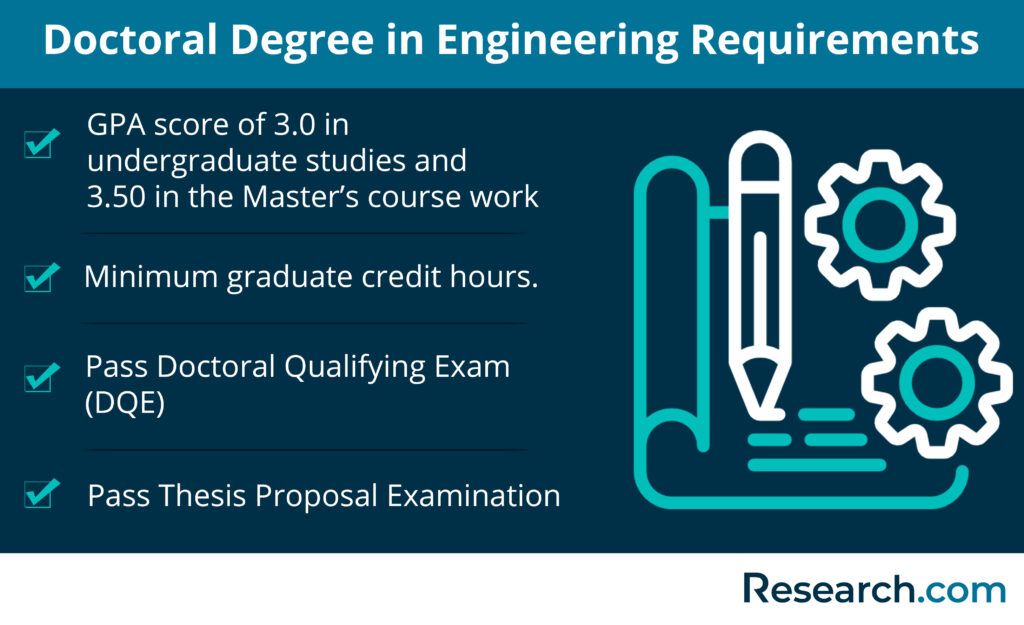
Credit: research.com
Educational Pathways
Choosing the right educational pathway is crucial for a successful career in consumer electronics engineering. Your background shapes how well you understand complex electronics and design innovative products. The good news is, there are multiple ways to build the knowledge and skills you need to stand out in this fast-paced field.
Relevant Degrees
Pursuing a degree in electrical engineering, electronics engineering, or computer engineering gives you a solid foundation. These programs cover essential topics like circuit design, signal processing, and embedded systems.
Some universities offer specialized courses focused specifically on consumer electronics, which can give you a valuable edge. Have you checked if your local schools provide hands-on labs or internships? Practical experience during your degree can make a huge difference.
Certifications And Courses
Certifications can boost your resume and deepen your expertise in specific areas such as microcontroller programming or wireless communications. Look for certifications from recognized organizations like IEEE or electronics manufacturers.
Short courses on PCB design, IoT development, or hardware troubleshooting can also sharpen your skills quickly. Would adding a certification relevant to emerging tech like 5G or wearable devices help you attract top employers?
Online Learning Resources
Platforms like Coursera, edX, and Udemy offer affordable courses taught by industry professionals. You can learn at your own pace, focusing on topics that interest you the most.
Don’t overlook free resources such as YouTube tutorials and open-source project communities. Engaging with these can provide practical insights and connect you with like-minded engineers worldwide.
Gaining Practical Experience
Gaining practical experience is crucial to becoming a skilled consumer electronics engineer. It helps you apply what you learn in real situations. This experience builds confidence and improves problem-solving skills.
Hands-on experience also makes your resume stand out to employers. It shows that you understand the tools and technologies used in the field. Engaging in practical work bridges the gap between theory and real-world applications.
Internships And Apprenticeships
Internships offer direct exposure to the electronics industry. You work alongside professionals and learn daily tasks. This experience teaches you workplace habits and industry standards.
Apprenticeships provide longer-term training under an expert’s guidance. They combine on-the-job work with classroom learning. This path helps develop deep skills and industry connections.
Hands-on Projects
Building your own projects sharpens your engineering skills. It allows you to experiment and learn from mistakes. Simple projects like assembling circuits or programming devices build a strong foundation.
Collaborate on group projects or participate in contests. These activities improve teamwork and expose you to diverse challenges. Document your projects to showcase your skills to employers.
Lab Work And Simulations
Lab sessions provide controlled environments to test theories. You gain experience with tools like oscilloscopes and soldering stations. Labs help you understand circuit behavior and troubleshooting techniques.
Simulations use software to model electronics systems. They allow safe testing of designs without physical components. Simulations save time and help refine your ideas before building.

Credit: www.admissions.purdue.edu
Mastering Industry Tools
Mastering industry tools is essential for any aspiring consumer electronics engineer. These tools help design, test, and create electronic devices efficiently. Learning to use the right tools improves your skills and increases your job opportunities.
Design Software
Design software allows engineers to create detailed circuit layouts and models. Popular tools include:
- Altium Designer
- OrCAD
- AutoCAD Electrical
- KiCad
These programs help visualize electronic components and their connections. Knowing how to use them speeds up the design process and reduces errors.
Testing Equipment
Testing equipment checks the function and safety of electronic devices. Common tools include:
- Oscilloscopes
- Multimeters
- Signal generators
- Logic analyzers
Using these devices helps find faults and improve product quality. Hands-on experience with testing gear is crucial for engineers.
Programming Languages
Programming languages control electronic hardware and software systems. Essential languages for consumer electronics engineers include:
- C and C++
- Python
- Assembly language
Learning these languages allows engineers to write code for microcontrollers and embedded systems. Programming skills are vital for developing smart electronic products.
Building A Professional Network
Building a professional network is crucial for anyone aiming to become a consumer electronics engineer. Connections open doors to new job opportunities and help you stay updated with the latest technology trends. A strong network also offers support and guidance throughout your career journey.
Industry Events And Conferences
Attending industry events and conferences helps you meet experts and peers. These gatherings offer a chance to learn about new products and innovations. Networking face-to-face can create lasting professional relationships. Prepare business cards and practice your introduction before attending. Don’t hesitate to ask questions and share your interests.
Online Communities
Online communities provide a platform to connect with engineers worldwide. Join forums, social media groups, and professional networks focused on consumer electronics. Participate in discussions and share your knowledge. These communities often share job openings and technical advice. Engage regularly to build your presence and reputation.
Mentorship Opportunities
Finding a mentor accelerates your growth as a consumer electronics engineer. Mentors offer valuable advice and industry insights. Look for experienced professionals willing to guide newcomers. Mentorship can be formal or informal through networking events or online platforms. Learning from a mentor can help avoid common career mistakes.

Credit: www.admissions.purdue.edu
Staying Updated With Trends
Keeping up with the fast pace of consumer electronics is essential for anyone aiming to thrive in this field. Technology evolves quickly, and staying informed about new developments helps you design better products and meet customer needs effectively. How do you make sure you’re not left behind in a world that changes overnight?
Latest Technologies
New gadgets and components appear every day. You should regularly follow tech news websites, subscribe to industry newsletters, and join forums where experts discuss innovations. For example, understanding the rise of flexible displays or advancements in battery tech can give you a competitive edge.
Hands-on experience also matters. Try out new devices yourself or attend tech expos to see the latest products in action. This direct exposure will help you grasp what features are becoming standard and which ones are just hype.
Market Demands
Your engineering work only succeeds if it solves real problems or appeals to users. Keep an eye on what consumers want and how their preferences shift. Are they prioritizing energy efficiency? Or maybe they want smarter, connected devices?
Customer feedback and sales trends can provide valuable clues. You might discover that voice-controlled electronics are gaining popularity, pushing you to integrate better voice recognition technologies in your designs. How often do you check what users are really looking for?
Research And Development
Innovation doesn’t happen by chance. Being involved in or following R&D helps you anticipate future trends before they hit the market. Academic journals, patents, and tech company announcements are great sources for this.
Participating in projects or collaborating with research teams can sharpen your skills and expose you to new ideas. This proactive approach allows you to contribute to breakthroughs and stay ahead of competitors. What new concepts could you bring into your next project?
Career Growth Strategies
Career growth in consumer electronics engineering depends on clear strategies. These help you gain experience, improve skills, and reach higher roles. Planning each step carefully makes a big difference. Focus on job search, portfolio building, and leadership advancement for steady progress.
Job Hunting Tips
Find jobs that match your skills and interests. Use online job boards and company websites. Tailor your resume to highlight relevant experience. Prepare well for interviews by researching the company. Practice common technical questions and soft skills. Networking with professionals can open hidden job opportunities.
Building A Portfolio
Create a portfolio showcasing your projects and skills. Include detailed descriptions and images or videos. Show different kinds of work such as design, testing, or coding. Use clear and simple language to explain your role. Keep updating the portfolio with new achievements. A strong portfolio proves your abilities to employers.
Advancing To Leadership Roles
Take on extra responsibilities at work. Volunteer to lead small projects or teams. Develop communication and decision-making skills. Learn about managing budgets and timelines. Seek feedback and work on improving yourself. Leadership roles require trust, so build good relationships with colleagues.
Frequently Asked Questions
What Qualifications Are Needed For Consumer Electronics Engineering?
A bachelor’s degree in electronics, electrical engineering, or related fields is essential. Strong skills in circuit design, programming, and problem-solving help. Advanced degrees boost career growth in this competitive industry.
How Long Does It Take To Become A Consumer Electronics Engineer?
Typically, it takes four years to complete a bachelor’s degree. Additional internships or certifications may add 6 to 12 months. Continuous learning is vital due to fast technology changes.
What Skills Are Important For A Consumer Electronics Engineer?
Technical skills like circuit design and software programming are crucial. Analytical thinking, creativity, and teamwork also improve job performance. Communication skills help in collaborating with cross-functional teams.
What Career Opportunities Exist In Consumer Electronics Engineering?
Jobs include design engineer, test engineer, and product developer roles. You can work in companies producing gadgets, appliances, or communication devices. Opportunities also exist in research and quality assurance.
Conclusion
Becoming a consumer electronics engineer takes time and effort. Start by learning the basics of electronics and technology. Practice building small projects to gain experience. Keep updating your skills as technology changes fast. Seek internships to get real-world knowledge. Stay curious and ask questions often.
This career offers many chances to create useful devices. With dedication, you can build a strong future in this field. Remember, every expert began as a beginner. Keep moving forward step by step.